clinical-documentation
(49)
Nabla wants your doctor to look up
Before Nabla sold AI to doctors, it hired 50 of them. The lesson became a business: take the paperwork out of the conversation, then tackle the work that follows.

Ease Health Wants to Get Therapists Out of the Paperwork Business
A $41 million bet on a quieter kind of healthcare improvement: connect the first phone call, the clinical note, and the insurance claim, so the same work stops happening twice.

Onpoint Healthcare Partners wants to give doctors their evenings back
A finished note is only the beginning. Onpoint pairs medical AI with clinical experts to tackle the charting, coding, referrals, and follow-up work that keeps a practice running after the patient leaves.
Kinnser Software Made the House Call Pay
A home visit is only the beginning. Kinnser built its business around the paperwork that follows - and the money that waits for it.
MediMobile and the bill that almost got away
A hospital encounter can be documented perfectly and still disappear on the way to billing. MediMobile has spent a quarter-century working on that awkward little gap - first with mobile charge capture, now with AI that reads the notes.

Augmedix wants the doctor to look up
It began with Google Glass and a remote scribe. Now part of Commure, Augmedix is betting that the most useful thing AI can give a doctor is time to pay attention.
TherapyNotes and the business of finishing the session
A psychologist and a software developer built a company around the work that follows therapy. Its most revealing feature may still be the humble to-do list.

Eleos Health takes on therapy’s second shift
The session ends. The paperwork carries on. Eleos Health is building AI for the notes, checks and billing chores that follow community-based care - and its most useful lesson came from leaving the office.
Vatica Health makes the paperwork worth a doctor's time
Health plans pay. Clinicians prepare. Doctors decide. Vatica Health's wager is that better risk adjustment starts with making the primary care practice's day a little less maddening.
ModuleMD and the Case of the Missing Claim
An allergy practice can deliver the care and still lose the money. ModuleMD has built its business around the small, consequential gaps between the exam room, the front desk and the bill.
Provation and the billion-dollar afterthought
A medical procedure ends. The paperwork has other plans. Provation built a business worth $1.425 billion to its buyer by making that second act less troublesome.

Picis and the Case of the Vanishing Form
At Albany Medical Center, a software cleanup meant fewer screens, fewer fields, and faster case closure. Picis makes its living in the places where a hospital’s information has to keep up with its patients.
The $20 Chart That Changed Copper Digital
A Dallas software firm spent years building for everyone. Then a home health nurse showed it the cost of an unfinished note.
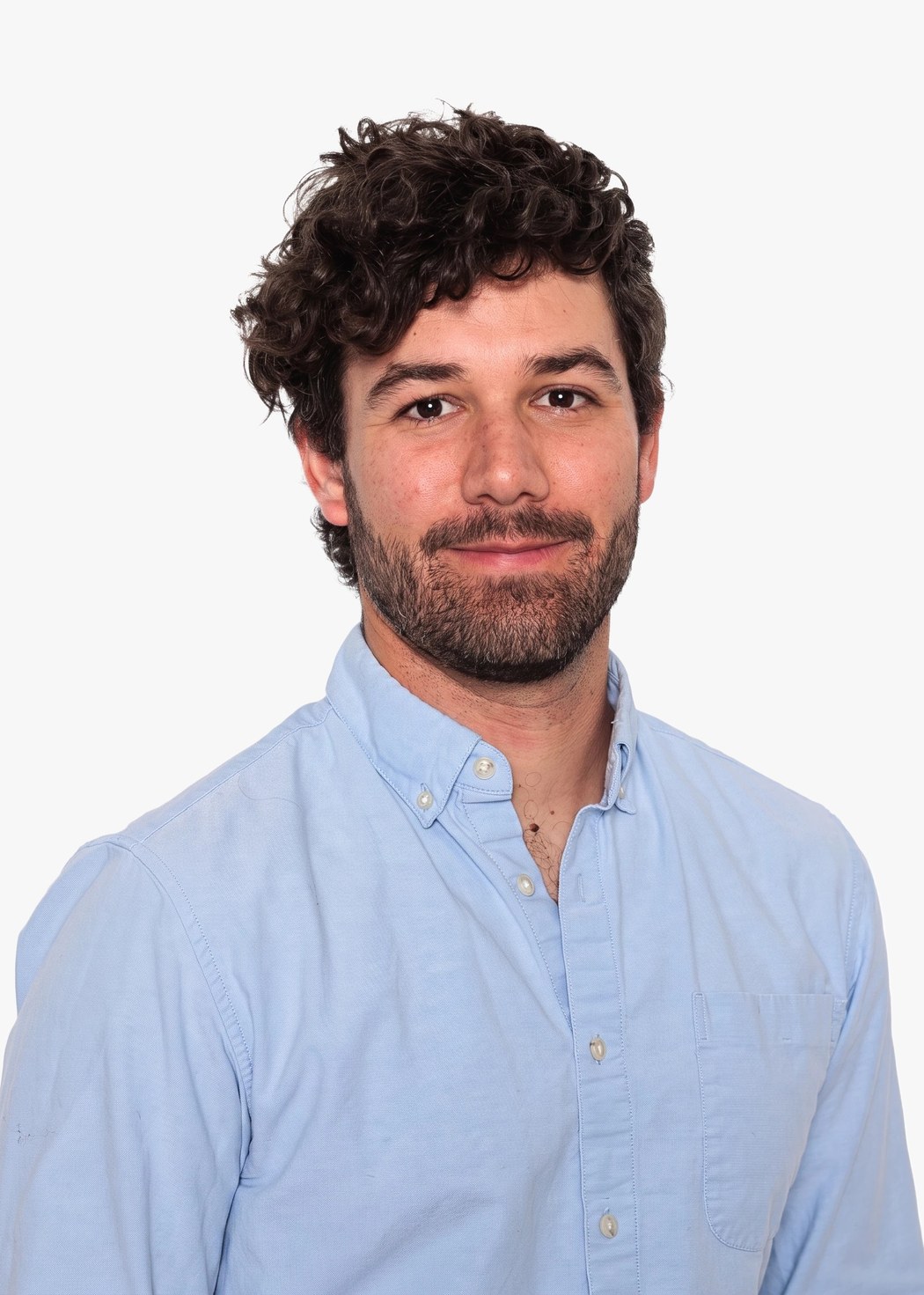
Eli Ben-Joseph and the Missing 97 Percent
He nearly chose medicine, then noticed that doctors were spending more time navigating records than meeting patients. Regard grew from that observation into a wager that the most useful clinical intelligence is already in the chart, waiting to be read.
Qualifacts Built a Behavioral-Health EHR Empire. The Bet Is That Three Platforms Beat One.
Qualifacts assembled three EHRs for three different kinds of behavioral-health provider. Now it is using AI, interoperability, and targeted acquisitions to turn that portfolio into something closer to an operating system for care.

The EHR Bet ModMed Made 16 Years Ago - and Why AI Makes It Riskier
ModMed taught doctors to shape software for their own specialties. Now nearly 50,000 providers, a $5.3 billion private-equity deal and one million AI-assisted visits are testing how far that idea can travel.
The $800 Leak Hiding in the Operating Room - and the Software That Finally Found It
Surgical Information Systems followed surgery out of the hospital and into the outpatient center. Its software can expose the cost of every case - but one candid customer story shows why buying the dashboard is only the beginning.

Matthew Ko Is Building AI for the Work Around the Conversation
The DeepScribe co-founder began with an AI note-taker. His more interesting bet is that the conversation can become an operating layer - if the software learns to fit the people doing the work.
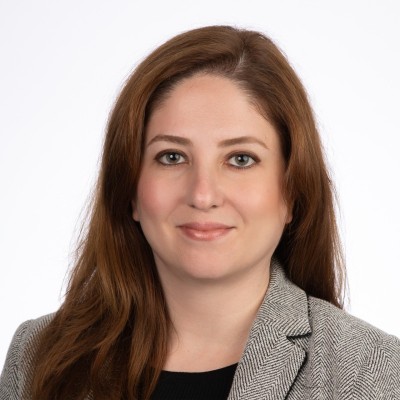
Sogol Sepehri Works the Seams of the System
The physician-executive moved from Austin hospital medicine to a national role translating clinical judgment across operations, documentation and revenue - the quiet seams where modern healthcare either connects or frays.
The Back Office Behind One in Five American Doctor Visits
athenahealth doesn't see patients. It runs the billing, charts, and reminders for the clinicians who do - and it's betting the whole network on AI.
Perspectives Health
Perspectives Health builds AI agents that take on the paperwork behind behavioral health care. Its software reviews patient charts every night, flags documentation that would trigger an insurance denial, writes clinical notes, and assembles utilization-review packets - so addiction and mental health programs get paid and clinicians spend less time on forms. Founded in 2024 and backed by Y Combinator's Summer 2025 batch, the company reports piloting across a dozen-plus clinics and reaching $250K in committed ARR within four weeks of launch.

Ritivel
Ritivel is an AI-native workspace for regulatory and medical writing teams at life sciences companies. Its AI agents draft dense regulatory documents - CTDs, CSRs, INDs, and BLAs - directly in Microsoft Word, following FDA formatting rules and pulling from a company's own clinical data and prior submissions, with every claim cited back to its source. The goal is to compress work that normally takes weeks of manual synthesis into minutes, helping drugs reach patients sooner.

Corti
Corti is a Copenhagen-based healthcare AI company that builds clinical-grade models and APIs helping developers and health systems automate medical conversations. Its Symphony model powers speech-to-text, medical coding, clinical note generation, and agentic workflows, serving roughly 100 million patient interactions a year across providers, insurers, EHR vendors, and public-safety dispatch centers - including the NHS. Corti positions itself as privacy-compliant, healthcare-specialized infrastructure that outperforms general-purpose models on medical tasks.

Laguna Health
Laguna Health is a healthtech company building conversational AI for care teams. Its platform, anchored by the Laguna Companion co-pilot, the Laguna Insight analytics layer, and the LISA family of AI agents, listens to member calls, automates clinical documentation, and surfaces context so care managers - typically nurses - can spend less time on paperwork and more time supporting patients recovering after hospital stays. Founded in 2020 by Yoni Shtein and Yael Adam, the company serves health plans, payers, and virtual care organizations from offices in Tel Aviv and New York.
medaptus
medaptus is a Boston-based healthcare software company that automates the mid-revenue cycle for hospitals and physician groups. Its EHR-integrated tools - Charge Pro, Charge Infusion, Assign and medaptus Command - capture billable charges, code outpatient infusions, and distribute patients across care teams. Founded in 2000 by two physicians, the company has been trusted by hundreds of hospitals for more than two decades and was acquired by Volaris Group in 2020.
Regard
Regard is a New York-based healthcare AI company that builds a clinical insights platform acting as an AI co-pilot for physicians. It reviews the full electronic health record - not just the sliver of chart data doctors typically read - to proactively surface likely diagnoses and draft near-complete clinical documentation before a patient is seen. Used by clinicians across 150+ hospitals, Regard aims to reduce missed diagnoses, ease documentation burden, and recover otherwise-lost hospital revenue.

Dushyant Mishra
Dushyant Mishra is the founder and CEO of RapidClaims, a New York-based company building an AI-first platform for healthcare revenue cycle management. After nearly five years in commercial operations at Abbott and two years as an early-stage investor at Together Fund, he started RapidClaims in 2023 with co-founders Abhinay Vyas and Jot Sarup Singh to attack the roughly $350 billion administrative burden in US healthcare. The company automates medical coding, clinical documentation, claim scrubbing and denial recovery across 25+ specialties, has raised about $11 million including an $8 million Series A led by Accel, and grew roughly sixfold in its first year.
DeepScribe
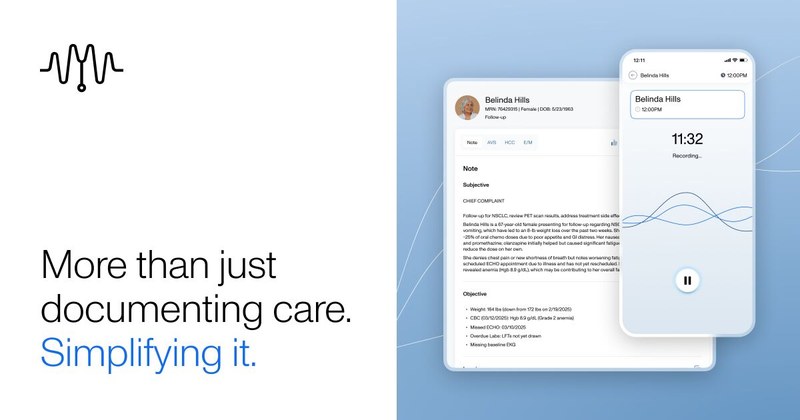
DeepScribe is a San Francisco-based health-tech company building an ambient AI medical scribe that listens to natural doctor-patient conversations and turns them into complete, structured clinical notes in real time. Founded in 2017, the company has narrowed its focus to oncology, where it says it serves roughly 90% of U.S. community oncology organizations, and layers on tools for coding, pre-visit prep, and specialty-specific customization. The pitch is straightforward: let clinicians look at their patients instead of their keyboards, and cut the after-hours documentation that drives burnout.

Sully.ai
Sully.ai is a Mountain View healthcare technology company that builds a 'superhuman team of AI employees' for hospitals and clinics - autonomous AI agents that handle front-desk reception, triage, ambient clinical scribing, medical coding, prescriptions and clinical decision support. The agents plug into existing EHRs like Epic and Athenahealth, aiming to cut administrative load and clinician burnout while keeping documentation HIPAA-compliant. Founded in 2023 and backed by Y Combinator, the company reached seven-figure ARR within ten months and raised a ~$21.8M Series A in January 2025.
Theator
Theator is a surgical intelligence company that turns raw operating-room video into structured, actionable data. Using proprietary computer vision and AI, its platform analyzes minimally invasive procedures in real time - identifying surgical steps, flagging safety milestones, and generating operative reports by the time the surgeon leaves the OR. Founded by Dr. Tamir Wolf and Dotan Asselmann, Theator aims to reduce variability in surgical care and is deployed at academic medical centers including Mayo Clinic and UHealth Miami, having analyzed more than 600,000 procedures.