cdfi
(7)
Quontic bets on the borrower behind the paperwork
A New York community bank went digital without losing its taste for complicated borrowers. Its real invention is a different way to decide who deserves a mortgage.

Bags found the missing paperwork.
The loan was out there. The books were the problem. Bags built a finance department around the gap between running a good business and proving it.
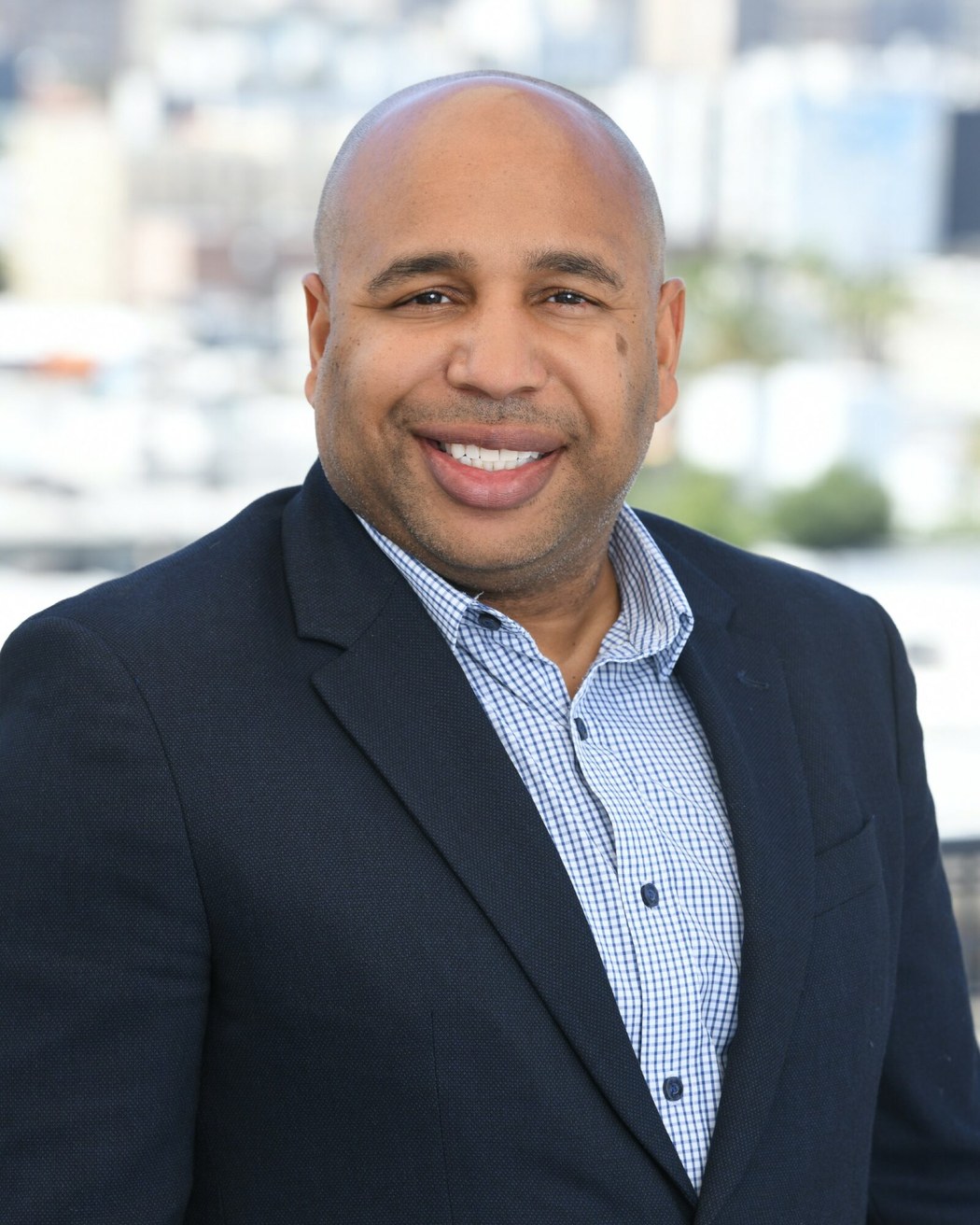
Everett K. Sands never forgot the missing shops
His grandfather’s tailoring business had customers, a trade school, and room to grow. What it lacked helped send Everett K. Sands into banking - and, eventually, into building Lendistry.
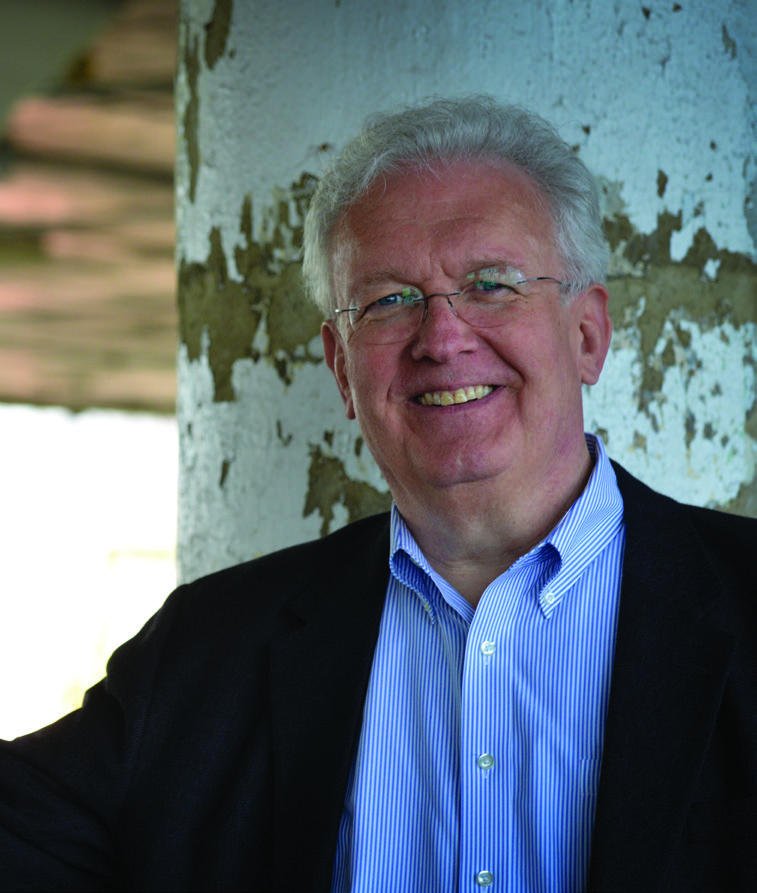
Mark Peterson and the money that stayed in the neighborhood
In 1990, Mark Peterson founded the community loan fund that became Bridgeway Capital. Over 29 years, his work carried him from financing neighborhood businesses to reopening a Homewood factory - and eventually to helping other leaders take their turn.
Bridgeway Capital bets on the businesses a balance sheet can miss
A childcare center, an old factory, a grant that pays too late. In the industrial towns around Pittsburgh, Bridgeway Capital finances the awkward gaps between a useful idea and a working business.
BCL of Texas Makes the Loan. Then Stays for the Homework.
From a $30,000 equipment loan to a family auto shop coming home, this Texas nonprofit pairs capital with coaching. Its most revealing success story begins with a rejection.

Lendistry turns big money into small-business breathing room
From Amazon sellers to airport coffee counters, Lendistry finances businesses that do not fit neatly into a bank’s checklist. Its next test is making that approach work beyond the emergency-aid boom.