brand-safety
(16)
Everywhere Agency Learned the Internet’s Oldest Trick: People Trust People
Before “influencer” became a line item, an Atlanta shop built a business around the stubborn fact that recommendations travel better through people than through media plans. Then the rest of advertising caught up.
The Internet Has a Night Shift. Social Factor Works It.
Most agencies make the post. Social Factor takes the shift after it goes live - sorting the comments, calming the pile-ons, tuning the software and making a giant brand sound like one attentive human.
The Agency That Was Already at Work When the Office Disappeared
Social Element bet on remote work before Facebook existed. When everyone else had to improvise, the 255-person agency spent three weeks rewriting its offer - and discovered that giving help away could be an unusually effective way to grow.
The Video Call That Became a 14-Billion-Request Ad Machine
When streaming costs outran ooVoo's advertising income, two operators kept the useful part: the machinery for finding, checking and selling attention. Krush Media is what happened next.
Scope3 Found the Waste in Your Ad Budget. Now It Wants AI Agents to Spend It.
The ad-tech veterans behind Scope3 built a carbon meter for the internet's advertising pipes. Four years and $45 million later, they are turning that map into an AI marketplace - with real budgets, open standards and a hard question about who gets to make the buy.
Partnerize Wants to Turn the Messiest Marketing Channel Into a Profit Center
The affiliate business used to ask brands to hand over the keys and wait for a report. Partnerize built the control room - then bet that AI can finally give credit to the people who influence a sale before the last click.
Respondology Started by Hiding the Worst Comments. Now It Wants Brands to Find the Money in the Rest.
A racist pile-on aimed at Serena Williams gave this Boulder team its first problem to solve. Seven years, three products, and $16 million in disclosed Series A financing later, Respondology is betting that the comment section is not merely a mess to clean up - it is a neglected customer channel.

The Reddit Post That Became the IMDb of Podcasts
It started as one guy on Reddit asking whether an IMDb for podcasts existed. Nobody had built it, so Bradley Davis did - and sold it to Acast for up to $34 million.
DoubleVerify
DoubleVerify turned a basic question - did a real person see the ad? - into a global measurement business. Now its software is moving beyond policing impressions to steering campaigns, just as Nielsen prepares to take it private.
Agentio
Agentio is an AI-native advertising platform that lets brands buy, run, and measure creator ads at scale. Founded in 2023 by former Cameo president Arthur Leopold and former Spotify engineer Jonathan Meyers, it automates the end-to-end creator campaign lifecycle - matching brands with relevant YouTube (and now Meta) creators, briefing, brand-safety checks, contracting, payments, and real-time performance tracking. The company positions creator media as a programmatic channel, aiming to do for sponsored content what DoubleClick did for display advertising. It has raised $56.3M total, including a $40M Series B led by Forerunner in November 2025 at a $340M valuation.
Olyzon
Olyzon is an AI-native adtech company building an agentic decisioning and orchestration layer for Connected TV (CTV) advertising. Founded in 2024 and headquartered in Paris with offices in New York and London, its platform sits on top of the fragmented CTV ecosystem - agnostic across every DSP, SSP and direct publisher - and uses AI agents to qualify inventory at the program level, plan and activate campaigns, adapt creative to viewing context, and normalize measurement into unified outcomes. The company has powered hundreds of campaigns for global brands and agencies, and closed a $10M Series A led by Sir Martin Sorrell and Sanja Partalo's S4S Ventures in May 2026.
Phyllo
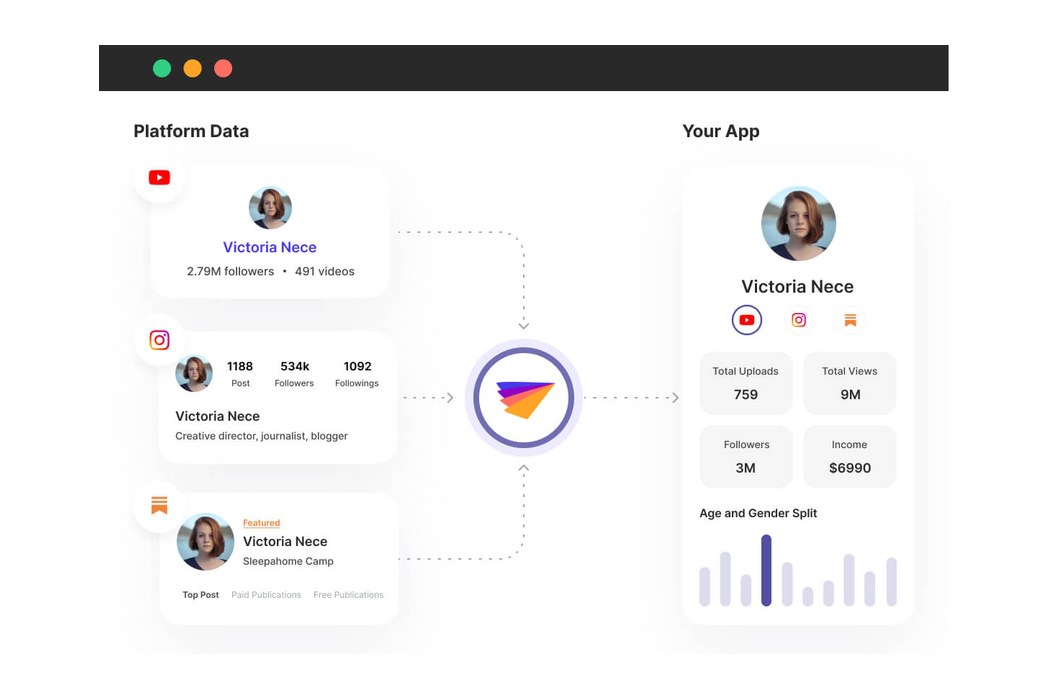
Phyllo is a universal API that gives developers and businesses secure, creator-consented access to data across hundreds of social and creator platforms - YouTube, Instagram, TikTok, Twitch, LinkedIn, Substack, Shopify and more. Often described as 'Plaid for the creator economy,' Phyllo maintains live data feeds and returns a normalized dataset covering identity, engagement, content and income, so companies building influencer marketing tools, creator-focused fintech, and brand-safety screening can integrate once instead of wrangling dozens of individual platform APIs.

Barometer
Barometer is a New York-based adtech company that uses AI to make podcast and digital-audio advertising safer and more precise. Its Brand Integrity Cloud transcribes and analyzes podcast episodes for content, sentiment and risk, scoring them against the GARM framework and IAB contextual taxonomy so advertisers can plan campaigns, avoid unsuitable content, and target episodes at scale. The company powers episode-level brand suitability for platforms including Spotify's Ad Exchange on The Trade Desk and Acast.

Podscribe
Podscribe is an independent, IAB-certified measurement platform built for podcast and audio advertising. Founded in 2017 by engineer Pete Birsinger and headquartered in Austin, Texas, it began as a podcast transcript-search tool and grew into a full-funnel measurement suite. The platform combines pixel-based attribution, incrementality testing, automated placement verification, and cross-channel analytics across podcasts, streaming audio, YouTube simulcasts, CTV, and broadcast radio - helping advertisers, agencies, and publishers prove that audio ads actually drive conversions.
Rizzle
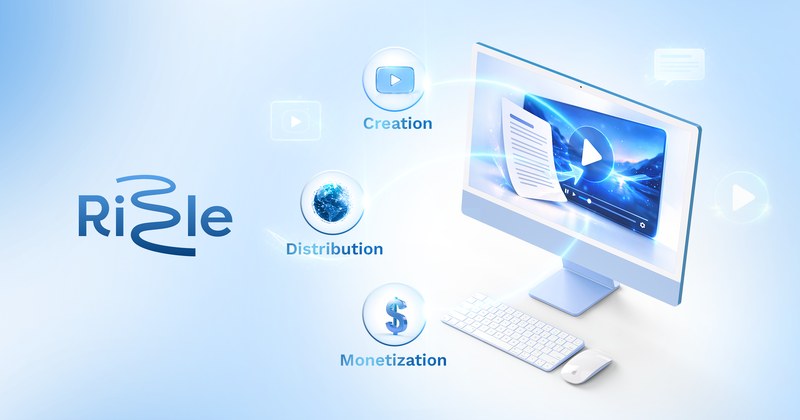
Rizzle is an AI video creation, distribution, and monetization platform that turns written content - articles, blogs, newsletters and scripts - into polished, brand-safe videos in minutes. Built for publishers, media companies and content creators, it pairs generative AI drafting with human editorial refinement and pre-licensed assets from Getty Images, ElevenLabs and Soundstripe, then syndicates the finished videos across platforms like MSN, Yahoo and NewsBreak. Founded in 2019 by Vidya Narayanan and Lakshminath Dondeti, Rizzle began as a consumer short-video social app that grew to tens of millions of users before pivoting to an enterprise SaaS model for video-first content at scale.
Typeface
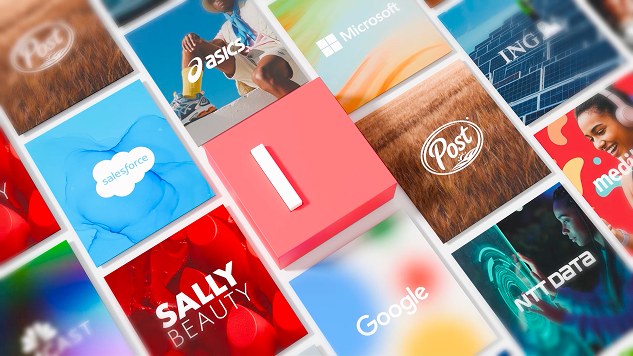
Typeface is an enterprise generative-AI platform that helps marketing teams plan, create, personalize, and launch on-brand content and campaigns at scale. Founded in 2022 by former Adobe CTO Abhay Parasnis, it grounds AI in a company's brand guidelines, layouts, and audience data so output stays consistent and safe. Its flagship product, Typeface Arc, combines specialized marketing agents, a brand-aware knowledge graph, and collaborative workspaces to run the full content lifecycle. The company reached a $1 billion valuation in 2023 and counts brands like Asics, Johnson Controls, Sally Beauty, and Microsoft among its users.