biomimicry
(9)
Ray C. Anderson and the cost of a clean conscience
At 60, the founder of Interface read a book that made his own success look different. He spent the next 17 years asking how a carpet company could stop taking more than it gave back.

Interface learned to think outside the tile
A carpet maker found that a little disorder could eliminate a lot of waste. Now Interface is applying the same restless logic to carbon, one material decision at a time.
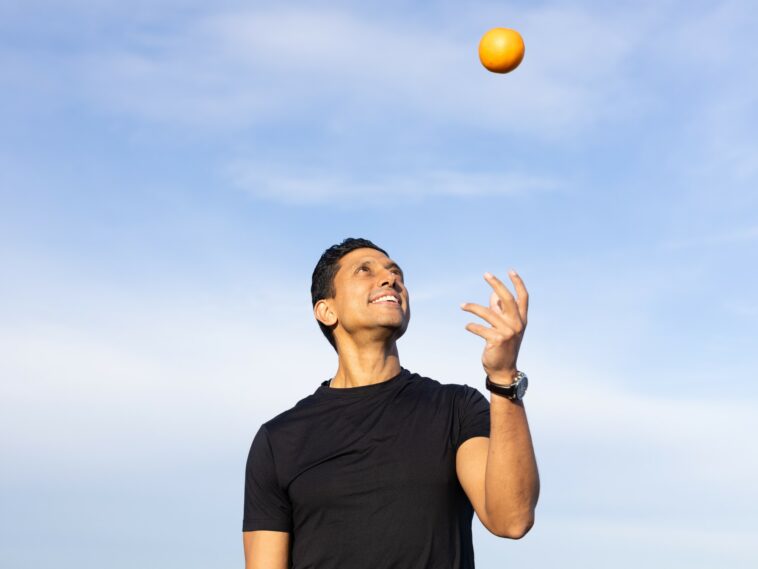
Moody Soliman Put a Climate Strategy on a Fruit Sticker
The Ryp Labs co-founder spent years learning that the crucial part of deep tech is often where you put it. His answer to produce waste fits inside a clamshell lid.

Ryp Labs Built a Sticker That Can Double Fruit's Shelf Life - Then Learned Where Waste Actually Hurts
A Malaysian fruit-stall problem became a Seattle biotech company, an $8.1 million round, and a lesson most deep-tech founders learn late: the best market is not always the biggest one - it is the one already paying for the pain.
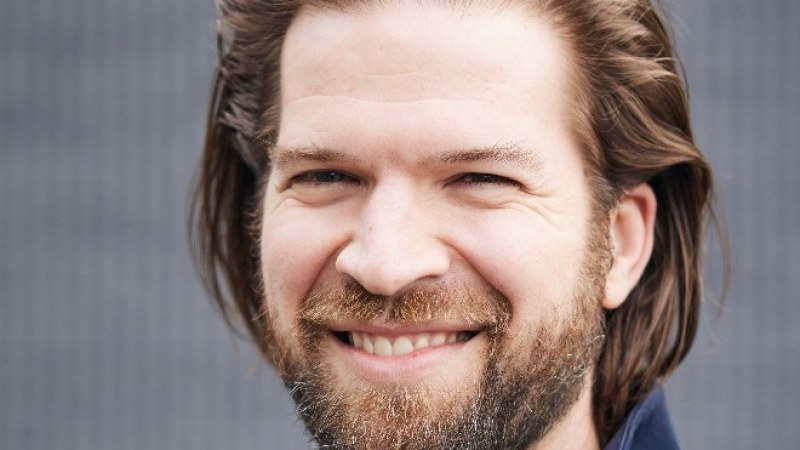
Marty Kolewe
Marty Kolewe is a chemical engineer turned food-tech founder and the CEO of Foodberry, a Boston company that reverse-engineers fruit skin to make edible, plant-based coatings that keep fresh food fresh without plastic. Trained at Johns Hopkins, UMass Amherst, and MIT's Langer Lab, he traded a career in drug delivery for one in snacks, betting that the science behind a peach's peel could reshape how the world packages and eats food. Under his leadership Foodberry has amassed 20-plus patents, closed a $15 million Series A, and lined up partners from a dairy-free ice-cream maker to the global owner of Babybel.
Rachel Seevers
Rachel Seevers is a Strategy Associate in the Office of the CEO at The Nuclear Company, America's nuclear infrastructure platform. A Lexington, Kentucky native, she made her name as a teenage inventor - winning the $50,000 Intel Foundation Young Scientist Award in 2019 for a jellyfish-inspired underwater propulsion device that improved efficiency by up to 37 percent, after earlier building the patent-pending 'Virtual Winglet' aircraft wing over 7,000 hours of work. She studied mechanical engineering and education at Harvard, cut her professional teeth as a Deloitte analyst, and founded STEM programs to bring girls and underserved kids into science. Now she brings that biomimic's eye for efficiency to the hard problem of building nuclear fleets on time and on budget.

Adaptilens
Adaptilens is a pre-clinical biotechnology company in Newton, Massachusetts developing the first biomimetic accommodating intraocular lens (A-IOL) - a soft, flexible artificial lens that responds to the eye's natural focusing signal from the ciliary muscle. Founded by ophthalmologist Dr. Liane Clamen, the company aims to replace the cataract-clouded natural lens with one that restores clear vision across near, intermediate, and distance ranges without glasses, contacts, or the halos and glare common to multifocal alternatives. Adaptilens raised a $17.5M Series A in April 2024 to advance its A-IOL toward first-in-human trials.
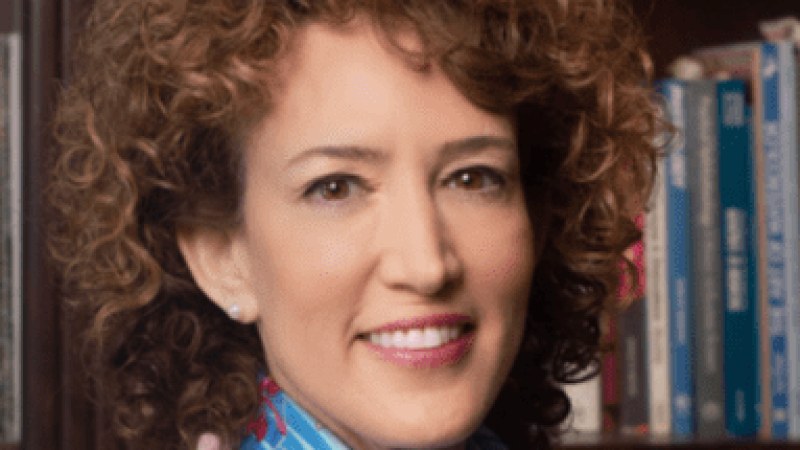
Liane Clamen
Liane Clamen is a Harvard-trained ophthalmologist and the founder and CEO of Adaptilens, a Newton, Massachusetts biotech building a biomimetic accommodating intraocular lens that imitates the young human lens so cataract patients can see near, intermediate, and distance without glasses. She sketched the idea more than two decades ago, fought the patent office to a 2019 grant, and in April 2024 closed a $17.5 million Series A to push the device toward its first human trial.
Foodberry
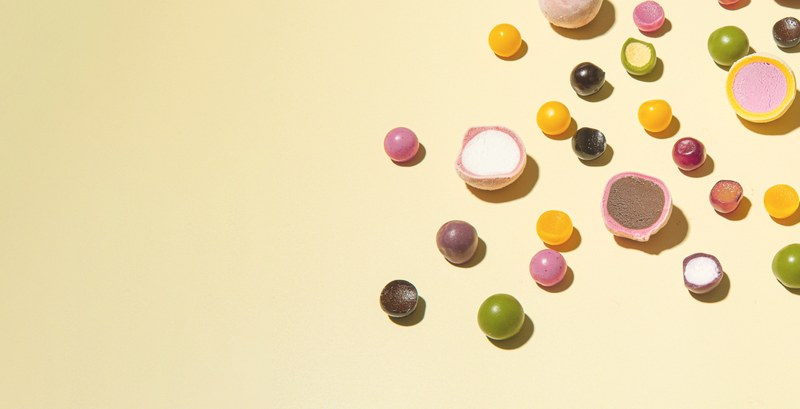
Foodberry is a Boston food-technology company that reverse-engineers the way nature wraps fruit. Its proprietary plant-based coatings turn purees, nut butters, dairy, and even ice cream into self-contained, mess-free, bite-sized snacks - no plastic wrapper required. Spun out of Harvard and MIT lab research and backed by 20-plus issued patents, Foodberry works as a B2B innovation and co-manufacturing partner to consumer brands, with a recent strategic partnership with Bel Group (Babybel, GoGo squeeZ) aimed at the $6B+ U.S. fruit-snack category.