banking-infrastructure
(18)
ModernFi and the $250,000 Problem
A bank can know its biggest depositor by name and still lose the account over an insurance limit. ModernFi built a network that lets local institutions keep the relationship while moving the money.

Conio's third key changed the Bitcoin conversation
A lost password once seemed like the natural price of owning Bitcoin. Conio built a wallet around a more human question: what if you could recover your keys without handing one company the power to move your money?

Thomas Pischke Built the Part of Trade Republic You Never See
A quantum-computing physicist helped turn a three-day conversation about Europe's pension gap into a bank. His signature is not a slogan but the infrastructure underneath it.

Visa paid $1 billion for the banking machinery you never see
Pismo gives banks the accounts, cards and payment processing beneath the app. Its Brazilian founders built a business around a stubborn problem: making old financial infrastructure easier to change.

BKN301 wants to fix banking without gutting the bank
The fintech that began in San Marino is selling banks a way to connect their old systems, put their data in order and bring AI inside. Its expansion runs through an unusually practical asset: other people’s infrastructure.

The quiet payment switch behind Latin America's loudest transactions
Banks see cards, wallets and ATMs. CLAI sees the brittle wiring between them - and has spent 35 years turning that wiring into a configurable payment operating system.

The Banks That Got Tired of Their Tech Vendor - So They Bought the Company
COCC runs the unglamorous machinery behind 175 community financial institutions. Its clever twist is structural: the customers own the vendor, sit on its board and help decide what gets built next.

Brent Jackson Put the Corporate Card Inside the Bank
He began with a better card for small businesses. Then customer conversations led Torpago toward a quieter, more consequential job: helping banks issue modern cards under their own names.

Torpago Quit Chasing Ramp - and Turned the Banks Into Customers
Brent Jackson built a credible corporate-card challenger, then decided he was fighting in the wrong arena. Torpago's sharper bet is to give community banks the software, controls and operational muscle to run modern card programs under their own names.

Constantinople Wants to Be the Operating System Behind Your Bank
Most banking vendors sell one piece of the machine. Constantinople wants to run nearly all of it - so smaller banks and ambitious brands can spend less time assembling infrastructure and more time serving customers.
The VC Fund Whose Limited Partners Are Also Its Portfolio's First Customers
Most venture funds hand founders a check and a Rolodex. Canapi Ventures hands them roughly 70 banks that write the check and then become customers.
The Quiet Software Layer Rewiring How Banks Move Money
Finzly does not ask a bank to rip out its core. It slips in beside it, gathers a thicket of payment rails into one system, and turns years-long modernization into a sequence of smaller, safer moves.

Florin
Florin is a financial operating system for startups that brings banking, payments, cards, and treasury into a single account. Rather than reselling another bank's rails, the company is building the underlying infrastructure end to end, so money moves in real time on a single ledger it owns. Florin launched out of Y Combinator's Summer 2026 batch with an invite-only membership for venture-backed companies.
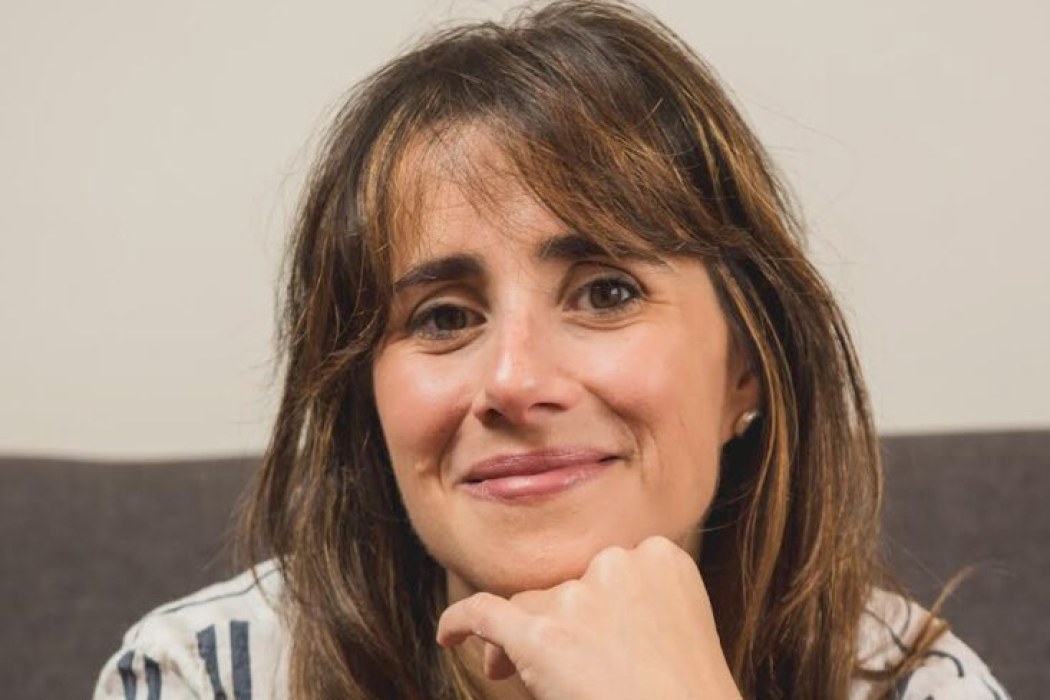
Ximena Aleman
Ximena Aleman is the co-founder and Co-CEO of Prometeo, the largest open banking API platform in Latin America. A former journalist from Uruguay, she pivoted from covering entrepreneurs to becoming one, building infrastructure that connects over 1,200 financial institutions across 11 countries through a single API. Under her leadership Prometeo has won the trust of banks like JP Morgan, Santander, Citi and BBVA and raised backing from PayPal Ventures, Samsung Next and others. She is a vocal advocate for financial inclusion and for founders from overlooked corners of the region.

Clockout
Clockout is a fintech company that lets banks and credit unions offer earned wage access (EWA) directly inside their own mobile and online banking apps, so customers can tap a portion of their pay before payday without waiting on their employer. Founded in 2022 by childhood friends from Venezuela, Clockout started as a traditional EWA service for South Florida restaurant groups, then pivoted in 2024 to become the embedded infrastructure layer - often described as the 'Zelle for earned wage access.' The platform connects to more than 1,600 payroll systems and plugs into major core banking providers including Q2, Jack Henry, Alkami and Candescent, letting an institution launch EWA in roughly ten days. Clockout closed a $2 million seed round in June 2025.
Increase
Increase is a banking infrastructure company that gives technology companies a programmatic way to store, move, and reconcile money. Through a single set of APIs it exposes the core U.S. payment rails - ACH, wires, real-time payments, FedNow, checks, and cards - with direct network connections and transparent access to the underlying data. Founded in 2020 by Stripe's first employee Darragh Buckley and based in Bend, Oregon, Increase is self-funded, became profitable in 2025, and processes hundreds of billions of dollars in payments each year for fintechs like Ramp, Check, and Pipe.

Darragh Buckley
Darragh Buckley is the founder and CEO of Increase, an enterprise-grade banking API company that lets technology businesses programmatically store, move, and reconcile money by connecting directly into the Federal Reserve's payment rails. He was Stripe's first employee, joining the Collison brothers - fellow natives of Limerick, Ireland - in 2010 to build the banking and money-movement foundations of the company. After leaving Stripe in 2016, he founded Increase (YC Summer 2020), which now processes well over $100 billion a year with a famously tiny team. A contrarian who believes in the staying power of community banks, he has personally acquired stakes in small Washington-state banks, including a 10%-plus position in Twin City Bank that triggered Federal Reserve disclosure.
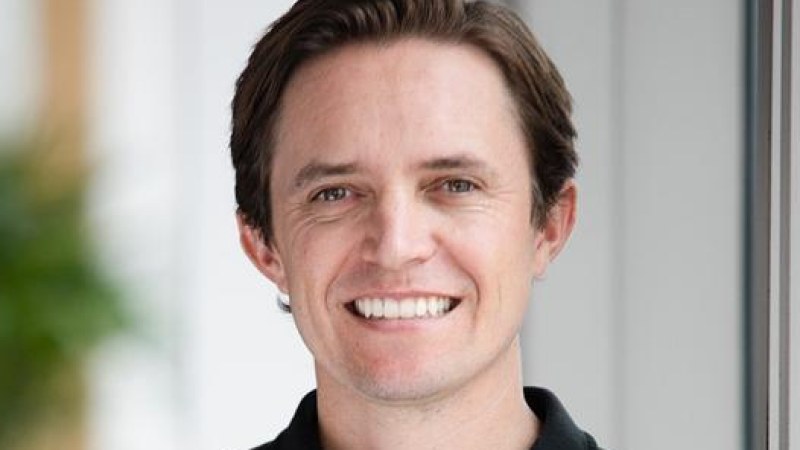
Jesse Wedler
Jesse Wedler is a General Partner at CapitalG, Alphabet's independent growth equity fund, where he has worked since its founding in 2013 - starting as an MBA intern and rising to lead investments in companies like Airbnb, Duolingo, Gusto, UiPath, and ID.me. Raised in Petaluma, California and educated at UC Berkeley and Stanford GSB, Wedler brings a deeply hands-on, thesis-driven approach to backing transformative B2B fintech, enterprise software, and identity companies at the growth stage. Known for rolling up his sleeves alongside founders and co-founding a chemistry camp for visually impaired youth with his brother, he blends long-term conviction with genuine operational partnership.