apparel
(90)
How Cross Colours Turned $300,000 Into a Dress Code for Hip-Hop
Two designers watched teenagers improvise a silhouette on the New York subway, put $300,000 behind what they saw, and built one of hip-hop’s first mass-market uniforms. The rise was fast; the lessons in demand, distribution and staying recognizable have lasted much longer.
Blu Boutique’s $14.99 lesson in selling an outfit
A graphic tank, a pair of plaid pants, and a surprisingly useful set of measurements. Blu Boutique’s clothing listings offer a small lesson in making fashion easier to buy.
Uncivilized puts its creative brief on a $50 hoodie
The California design company brings branding, websites, photography and sound under one roof. Its own merchandise makes the personality tangible: pay the muse, laugh at the birds, and make the shirt after someone orders it.
Santa Cruz Skateboards has a hand in your nostalgia
A batch of fiberglass boards became a business. A blue hand became its calling card. Santa Cruz now sells the past alongside hardware built to take another beating.
The Menswear Brand That Ships a New Wardrobe Every Single Day
Siddharth Dungarwal turned a shut-down B2B clothing business into a menswear machine that launches around 35 designs a day - and got all five sharks to write a cheque.

Where Men's Brands Go to Grow Up Slowly
The Digital Stronghold quietly gathered five men's apparel labels under one roof - from Taylor Stitch to Boston Scally - on a single contrarian bet: the fastest way to kill a good brand is to grow it too fast.

How Intertop Turned the Shoe Store Into Ukraine’s Fashion Operating System
Intertop began with shoes. Three decades later, it is stitching stores, software, logistics and global brands into one of Ukraine’s most consequential retail platforms.
The Bootstrapped Bengaluru Label That Sold India on the Rs 3,000 Shirt
How Manish and Akshika Poddar turned a family garment factory's European know-how into one of India's fastest-growing premium fashion houses - and stayed bootstrapped until the numbers spoke for themselves.
The $8,000 Bet That Put a Pink Whale on American Prep
Two brothers quit jobs they disliked, borrowed $8,000 on credit cards and started selling neckties from a Jeep. Twenty-eight years later, their most valuable product may still be the feeling stitched into a smiling pink whale.
American Eagle Outfitters Inc.
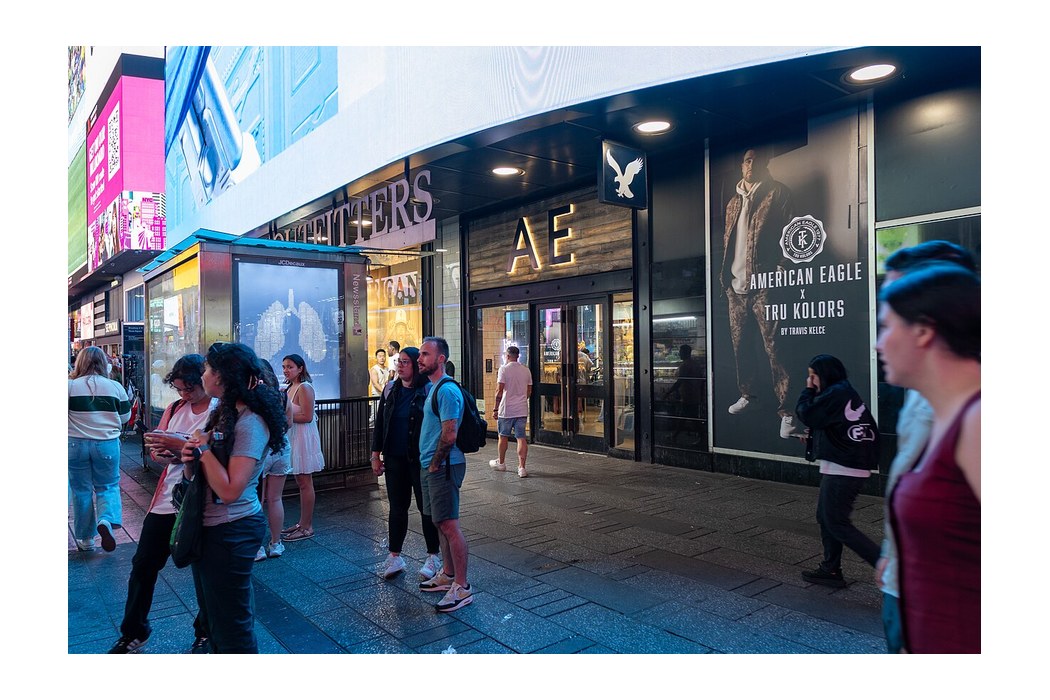
American Eagle Outfitters, Inc. (NYSE: AEO) is a Pittsburgh-headquartered specialty apparel retailer that has spent nearly five decades selling jeans to teenagers and young adults - and, more recently, learning how to sell a great deal more than jeans. Founded in 1977 by brothers Jerry and Mark Silverman, the company now runs a five-brand portfolio: the namesake American Eagle denim and casualwear label; Aerie, the intimates and swim brand built on unretouched imagery; OFFLINE by Aerie in activewear; Todd Snyder in premium menswear; and Unsubscribed, a slow-fashion experiment. Fiscal 2025 revenue reached roughly $5.5 billion across about 1,168 company-operated stores, 357 internationally licensed locations, and a digital business spanning ae.com, aerie.com and toddsnyder.com. The company describes its flagship as the leading jeans brand for US shoppers aged 15 to 25. Its recent story is one of divergence: Aerie crossed $2 billion in trailing-twelve-month revenue and posted 25% comparable-sales growth in the first quarter of fiscal 2026, while the American Eagle brand has been flatter - even after the widely debated Sydney Sweeney denim campaign of July 2025 delivered what management called unprecedented new-customer acquisition.
Abercrombie & Fitch Co.
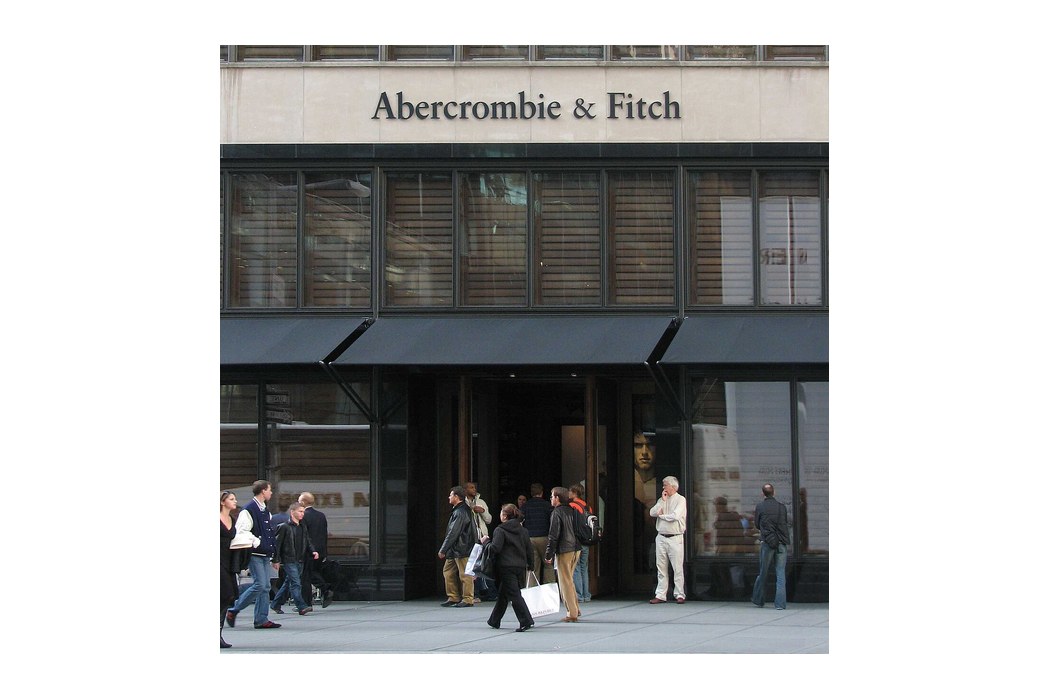
Abercrombie & Fitch Co. (NYSE: ANF) is a Columbus, Ohio-based global specialty apparel retailer that operates a family of brands - Abercrombie & Fitch, abercrombie kids, Hollister, Gilly Hicks, Social Tourist and the YPB activewear line - across roughly 840 company-operated stores, a franchise network and a digital business that accounts for close to half of revenue. Founded in 1892 as a Manhattan outfitter that supplied Theodore Roosevelt's safaris and counted Ernest Hemingway among its customers, the company spent the 2010s dismantling the exclusionary teen-mall identity it had built in the 1990s and 2000s. Under CEO Fran Horowitz, who took over in 2017, it split its two flagship brands into distinct demographic lanes - Abercrombie for millennials in their twenties and thirties, Hollister for teenagers - shrank store footprints, and rebuilt merchandising around a lean-inventory 'chase' model that reads early demand signals and reorders fast. The approach produced record fiscal 2025 net sales of $5.27 billion, a third straight year of double-digit operating margin, and one of the more complete reputational reversals in modern American retail.
Adore Me
Adore Me is a New York-based intimates brand that set out in 2011 to sell well-made bras and lingerie at prices a student could afford, and ended up rewriting how the category is merchandised. Founded by Harvard MBA Morgan Hermand-Waiche, the company paired a wide size range (30-46 bands, A-I cups) with a monthly membership, an at-home try-on box, and an unusually large in-house engineering group in New York and Bucharest that built roughly 15 internal tools for planning, sourcing, and personalization. It reached an estimated $250 million in sales and more than 1.2 million active customers before Victoria's Secret & Co. acquired it in a deal announced November 2022 at $400 million cash upfront plus earnouts, closing January 2023. Adore Me became the only US lingerie brand certified as a B Corporation in 2022. Under its parent it has since narrowed: the founder departed in August 2025, the VIP subscription that defined the model ended in February 2026, and Victoria's Secret recorded a $120 million impairment on the business that same quarter.
Altar'd State
Altar'd State is a Knoxville, Tennessee-based women's fashion and lifestyle retailer founded in 2009 by Aaron Walters and Brian Mason, built around a simple structural choice: give a fixed slice of revenue away every week rather than treat philanthropy as a marketing line item. Through its Mission Monday program, 10% of net proceeds from a designated day each week goes to a local nonprofit chosen by each individual store, a practice that has routed money to thousands of community organizations. The chain sells apparel, accessories, jewelry, gifts and home decor in boutique-style stores in malls and lifestyle centers across roughly 39 states, and online at altardstate.com. Altar'd State is the flagship of parent company Stand Out For Good, Inc., which also operates Arula (mid- and plus-size), Vow'd Weddings (bridal), Tullabee (baby and toddler) and AS Revival (activewear), plus a majority stake in Los Angeles furniture maker Lawson-Fenning. Reported annual revenue is in the $500-570 million range with roughly 2,700 employees.
Ariat International
Ariat International is a Union City, California footwear and apparel company founded in 1993 that applied athletic-shoe technology to riding boots and grew into the world's largest equestrian sports brand. Today it designs performance boots, western wear, workwear and flame-resistant gear for riders, ranchers, tradespeople and outdoor enthusiasts, sold globally through retailers and direct-to-consumer channels.
Bealls, Inc.
Bealls, Inc. is a privately held, family-owned off-price retailer founded in Bradenton, Florida in 1915. Now in its fourth generation of Beall family leadership, the company operates more than 650 stores across roughly 23 states under the bealls, Bealls Florida and Home Centric banners, along with e-commerce sites. It employs about 14,000 people and generates annual sales of roughly $2-3 billion by outfitting value-minded families with branded apparel, footwear, accessories and home merchandise at prices marked well below traditional retail.
Belk
Belk is a privately held American department store chain founded in 1888 by William Henry Belk in Monroe, North Carolina. Headquartered in Charlotte, it operates roughly 290 stores across about 16 Southeastern states plus belk.com, selling mid-priced national and private-label apparel, shoes, cosmetics, jewelry, accessories and home goods. Marketed under the tagline 'Modern. Southern. Style.,' Belk blends a 130-plus-year Southern retail heritage with an omnichannel model and a portfolio of exclusive private brands.

Branded Bills
Branded Bills is an Arizona-based premium headwear and apparel company that started in a garage in 2015 with a branding iron, a knife, and a leather patch hat. It grew from one-of-one state-pride caps into a direct-to-consumer and business-to-business brand offering custom and stock hats, apparel, and corporate branding. The company has sold more than $50 million of product, employs roughly 200 people, and operates the first Branded Bills retail store inside the Phoenix Suns' Footprint Center.

Brixton
Brixton is a California-based lifestyle apparel and headwear brand founded in a Oceanside garage in 2004. Named after The Clash song 'The Guns of Brixton,' it started with a single vintage-inspired newsboy cap and grew into a full line of hats, clothing and accessories inspired by heritage workwear - from mariners and aviators to cowboys and laborers. Distributed in more than 30 countries and backed by Altamont Capital Partners, Brixton blends classic silhouettes with modern function and a growing commitment to sustainable materials.
Burlington Stores, Inc.
Burlington Stores, Inc. is one of the largest off-price retailers in the United States, selling brand-name apparel, footwear, accessories, baby gear, and home goods at prices well below full-price department stores. Founded in 1972 as Burlington Coat Factory, the company built its business on opportunistically buying excess and closeout merchandise from thousands of vendors and passing the savings to shoppers through a rotating, treasure-hunt assortment. Headquartered in Burlington, New Jersey and trading on the NYSE under the ticker BURL, it operates more than 1,200 stores and is pursuing an aggressive small-format expansion toward a long-term target of 2,000 doors.
BYLT Basics
BYLT Basics is a Southern California premium apparel brand that reengineers everyday wardrobe staples - tees, polos, joggers and outerwear - with heavier, longer-lasting performance fabrics and tailored fits. Founded in 2016 by Eric Mear, who was frustrated that basic black T-shirts fell apart after a few washes, the direct-to-consumer label built its reputation on its flagship Drop-Cut silhouette and has grown into an omnichannel business spanning men's, women's and kids' lines sold online, in retail stores, and at wholesale partners like Nordstrom, shipping to over 50 countries.
Calvin Klein
Calvin Klein is an American global fashion house founded in 1968 by designer Calvin Klein and business partner Barry Schwartz. Known for minimalist design, denim, underwear, fragrances and provocative advertising, the brand elevates everyday essentials to iconic status. Now owned by PVH Corp., Calvin Klein products generate roughly $9 billion in global retail sales annually and are sold across apparel, underwear, fragrances, accessories and home through wholesale, retail and digital channels worldwide.
Converse
Converse is an American footwear and apparel company, founded in 1908 and owned by Nike since 2003, best known for the Chuck Taylor All Star - one of the most recognizable and best-selling sneakers ever made. Once the dominant supplier of American basketball shoes, Converse today operates as a heritage lifestyle brand at the intersection of sport, streetwear, music, art and skate culture, selling canvas and leather sneakers, apparel and custom designs directly to consumers worldwide and through wholesale and retail channels.
Crocs, Inc.
Crocs, Inc. is a Broomfield, Colorado footwear company best known for the molded-foam Classic Clog and its snap-in Jibbitz charms. Built on a proprietary closed-cell resin called Croslite, the once-polarizing shoe grew into a multi-billion-dollar global brand spanning clogs, sandals, and sneakers, plus the HEYDUDE casual-loafer label acquired in 2022. Trading on Nasdaq as CROX, the company reported roughly $4.0 billion in 2025 revenue and reaches customers in more than 80 countries through its own stores, wholesale partners, and a large direct-to-consumer digital business.
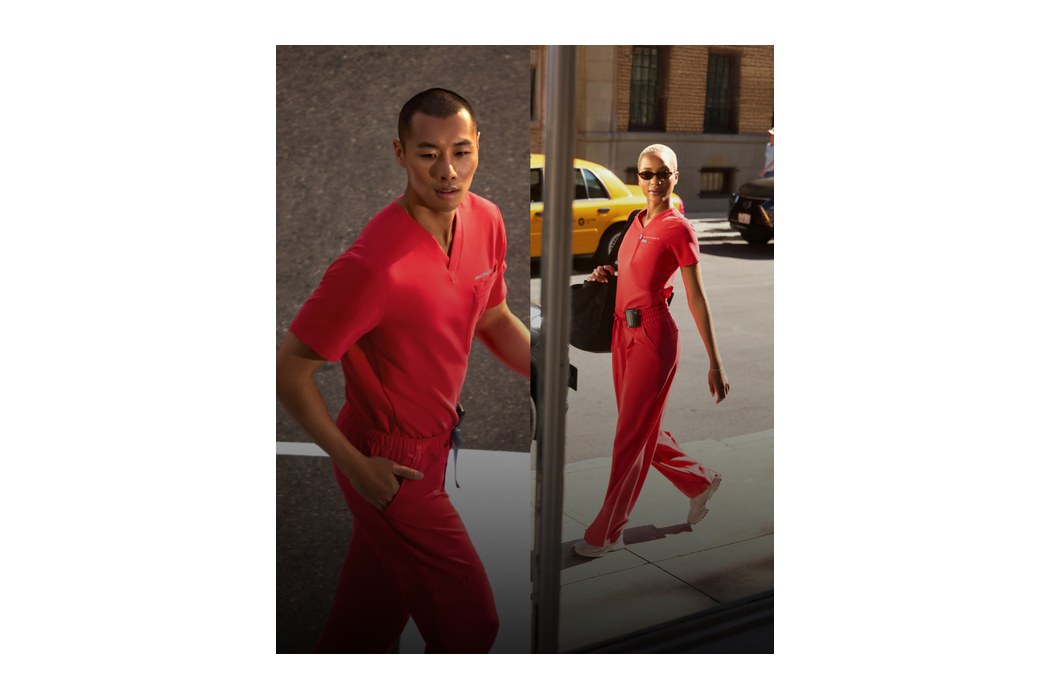
FIGS
FIGS is a direct-to-consumer healthcare apparel brand that reinvented the medical scrub. Founded in 2013 by Heather Hasson and Trina Spear, the Santa Monica company sells comfortable, technical scrubs, lab coats, footwear and lifestyle wear made from its proprietary FIONx fabric, sold almost entirely online to nurses, doctors and other healthcare professionals. FIGS reached $631 million in revenue in 2025, serves roughly 2.9 million active customers, and trades on the NYSE under the ticker FIGS after a landmark 2021 IPO.
Foot Locker
Foot Locker, Inc. is a leading specialty retailer of athletic footwear, apparel, and accessories, connecting sneaker culture and sports lifestyle to consumers through roughly 2,400 stores across about 20 countries plus digital channels. Founded in 1974 as a division of the Kinney Shoe Corporation, the company operates a portfolio of banners - Foot Locker, Kids Foot Locker, Champs Sports, WSS, and atmos - and built its reputation on exclusive product launches, close ties to brands like Nike, and its striped, referee-styled store associates. In September 2025, Foot Locker was acquired by DICK'S Sporting Goods in a roughly $2.4 billion deal, becoming a subsidiary while retaining its brand banners.

Frances Valentine
Frances Valentine is a New York-based, vintage-inspired fashion label founded in 2016 by Kate Spade, Andy Spade, Elyce Arons and Paola Venturi - the same circle behind the original Kate Spade brand. It designs joyful, color-forward apparel, handbags, shoes, jewelry and accessories built to transcend trends, sold primarily direct-to-consumer online and through a small network of owned stores. The brand pairs quality craftsmanship with a playful, heritage-minded aesthetic drawn from mid-century style icons, aiming to make everyday dressing fun.
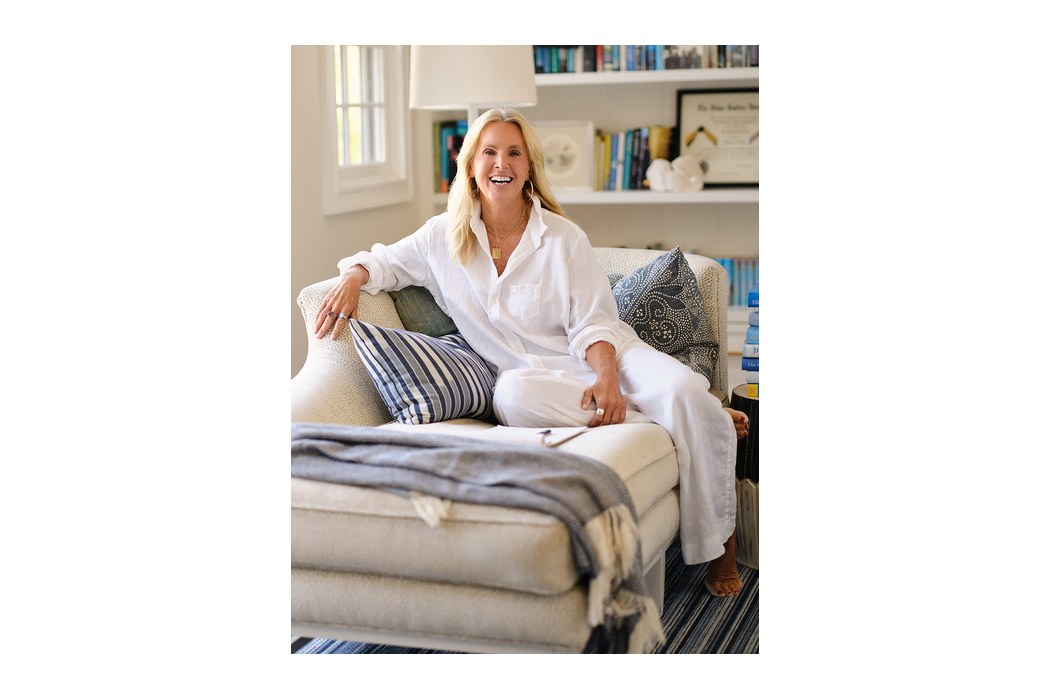
Frank & Eileen
Frank & Eileen is a Los Angeles-based apparel brand founded in 2009 by Audrey McLoghlin to reinvent the women's button-up shirt using premium Italian fabrics historically reserved for menswear. Named for the founder's Irish grandparents, the brand is 100% woman-owned, has never taken venture capital, and became a Certified B Corporation in 2020 with one of the highest impact scores of any U.S. apparel company. Its shirts are woven in Italy and its knitwear is made in California, and its work has been worn by figures including Oprah Winfrey, Meghan Markle and Angelina Jolie.
Free People
Free People is a Philadelphia-based bohemian lifestyle brand for women, part of Urban Outfitters, Inc. (URBN). Rooted in the counterculture store that Dick Hayne opened near Penn's campus in 1970 and relaunched as a wholesale label in 1984, it now sells eclectic, vintage-influenced apparel, accessories, shoes, intimates and beauty across its own boutiques, wholesale accounts and freepeople.com. Its fast-growing activewear spin-off, FP Movement, has made Free People URBN's second-largest brand, with roughly $1.5 billion in annual revenue.

FULLBEAUTY Brands
FULLBEAUTY Brands is a New York-based online retailer and holding company dedicated to plus-size and extended-size fashion for women and men. Tracing its roots to 1901, it operates a portfolio of 15+ brands - including Woman Within, Roaman's, Catherines, Jessica London, ELOQUII, CUUP, Swimsuits For All, KingSize, Avenue, Dia & Co and BrylaneHome - serving customers in sizes 12 and up with apparel, intimates, swimwear, shoes, accessories, beauty and home goods. Once a catalog mail-order pioneer, the company now positions itself as a digital-first destination and marketplace for inclusive fashion.

FUN.com
FUN.com is a North Mankato, Minnesota-based online retailer of costumes, pop-culture merchandise, collectibles, toys, party supplies and seasonal decor. It is the parent brand of HalloweenCostumes.com, the largest online-only costume retailer in the world. Grown from a family costume-rental shop that opened in a Minnesota garage in 1992, the company now designs and manufactures thousands of its own exclusive, officially licensed costumes and animatronics in-house and ships them to customers across North America, Europe and Australia.