ai-workspace
(14)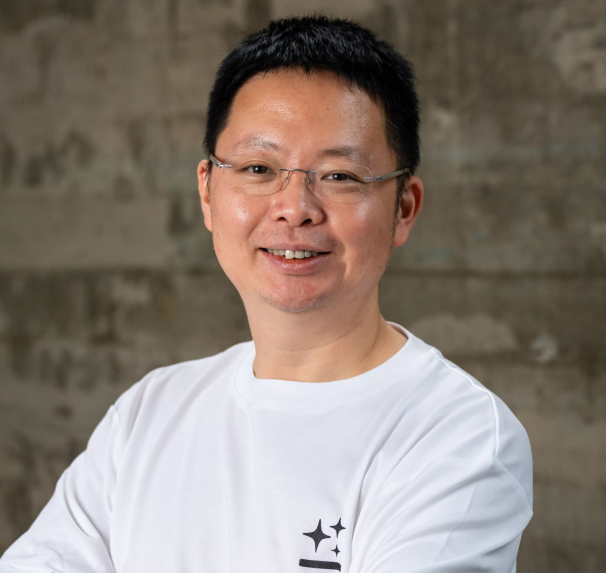
Kay Zhu and the Search for What Comes After the Answer
He helped shape what search engines show us. Now the Genspark co-founder wants an AI agent to do something with the answer - and remember the work tomorrow.
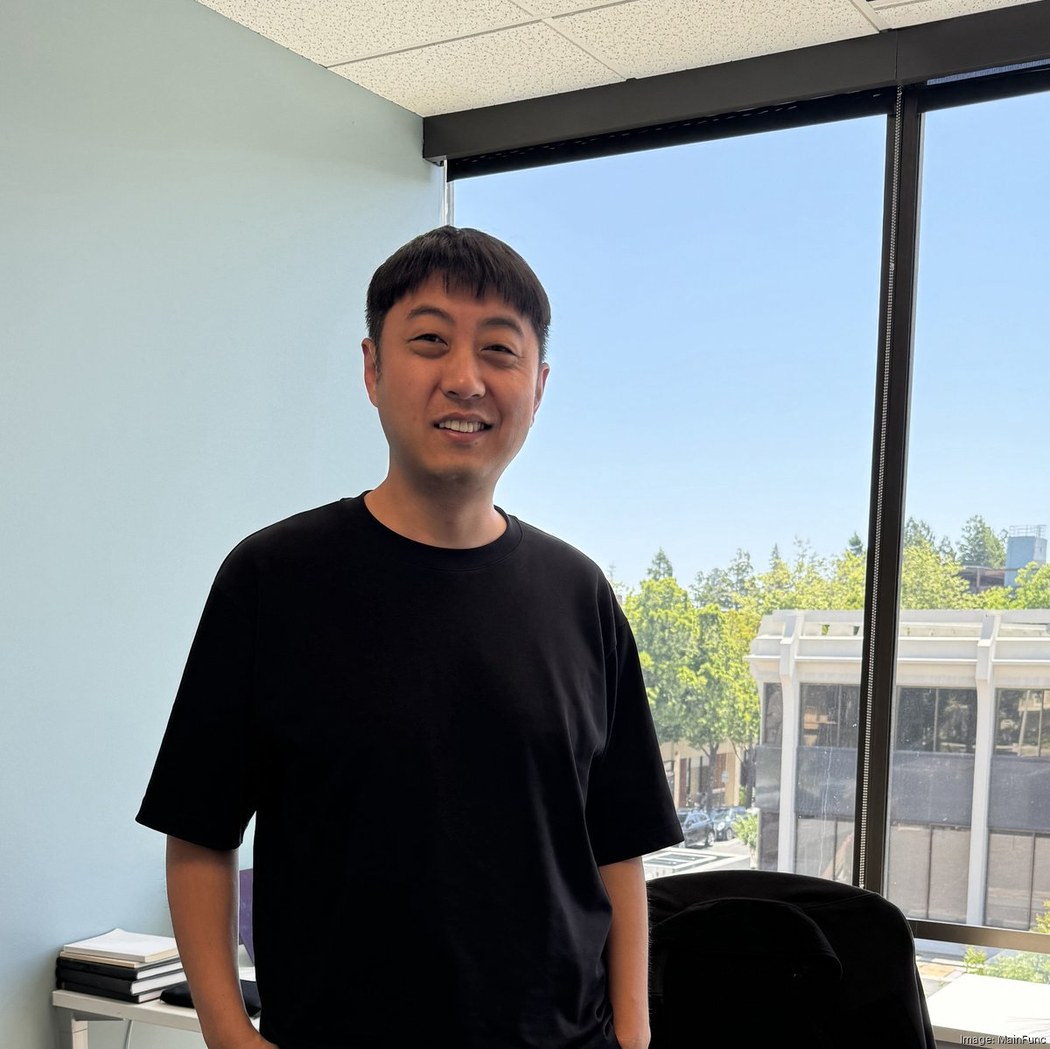
Eric Jing Spent 20 Years Helping People Find Answers. Now He Wants the Work Done.
A Bing veteran built an AI search product that drew millions of users. Then he asked a more troublesome question: what if the search result could finish the job?
The Search Engine That Walked Away From Five Million Users
Genspark had five million search users when it decided the answer box was the wrong prize. Its bet: let AI finish the deck, spreadsheet or email that sent you searching in the first place.

Andrey Khusid Put the Whiteboard in a Browser. Then the World Caught Up.
A boy who rehearsed newspaper pitches at a tram stop built an infinite canvas for more than 100 million people. Fifteen years later, his neatest diagram has become his hardest decision.
Julius AI Wants Your Spreadsheet’s Messy Job
Give Julius a workbook and a decent question, and it will do the coding, draw the chart, and draft the deck. The bargain is speed in exchange for one non-negotiable chore: check the numbers.
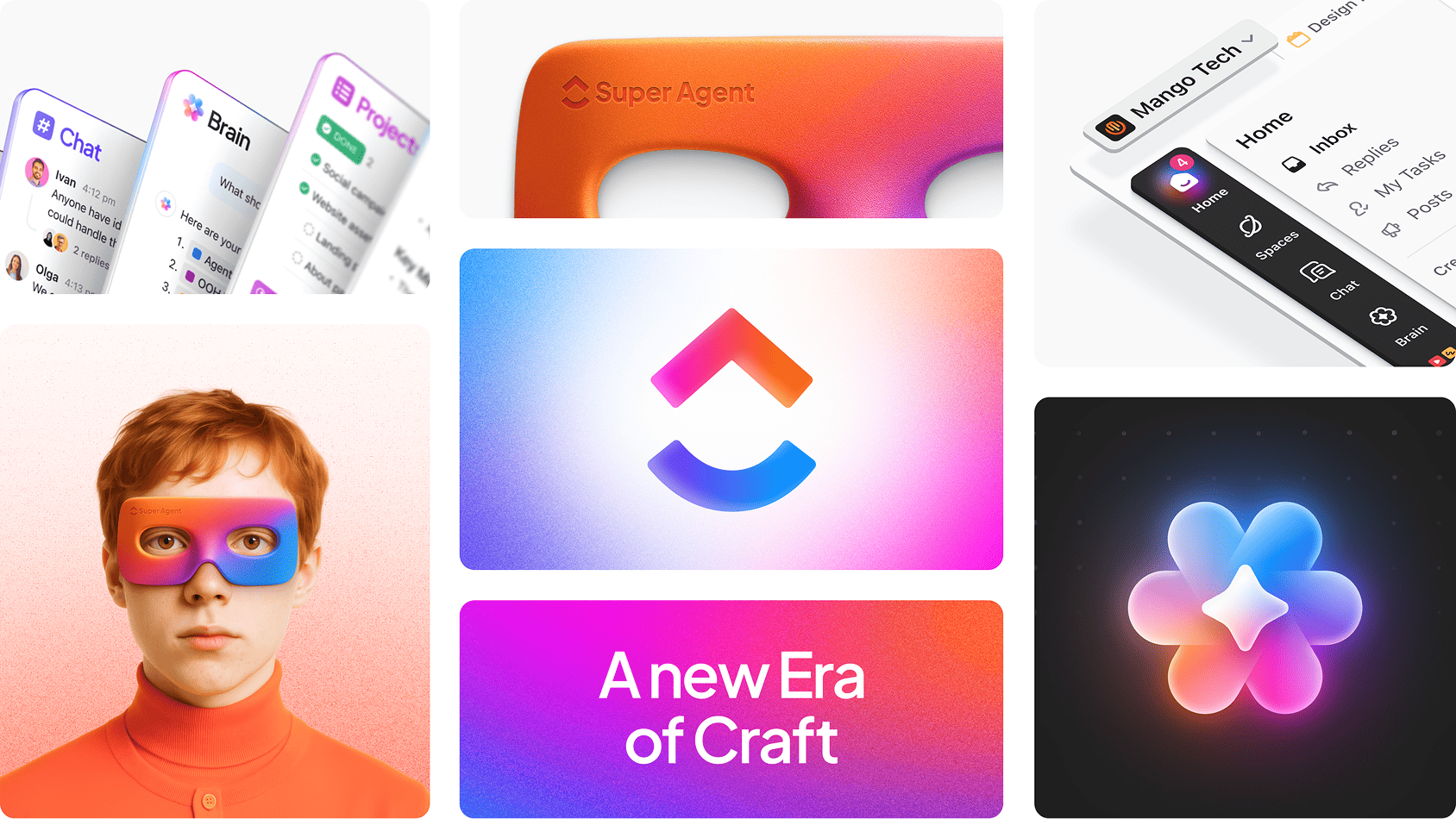
ClickUp Ate the Office. Now It Wants the Busywork.
ClickUp can replace half a dozen work apps, provided your team has the patience to tame it. Here is who should move in, what it really costs, and where the all-in-one promise starts to creak.

Coda Started as a Doc. Then It Quietly Became Software.
The productivity tool once pitched as “a doc that could grow up” has grown into a workspace, an app builder and, now, Superhuman Docs. Its power is real. So is the homework.

Routine Puts Your Whole Week in One Window
For founders, freelancers, and calendar-led operators, Routine turns the daily scramble between tasks, meetings, and notes into one unusually calm control room. The catch is simple: the more of your working life you bring in, the more setup and trust it asks of you.
Notion AI Ate the Busywork
The writing assistant grew hands, learned your filing system, and started attending meetings. For teams already living in Notion, that is either the missing colleague or a very persuasive reason to tidy the office.

Olav Kriken Sent 400 DMs. Four People Replied. Then Tana Found Its First Crowd.
The Tana CEO’s playbook began with an unglamorous bet: find four people, listen closely, and make the product worth talking about. His path from Norway’s west coast to Palo Alto is a study in community, conviction, and the useful art of doing what does not scale.

Tarjei Vassbotn Is Building a Memory for Work
After Google, wireless sensors and a conference-room pitch that went nowhere, Tarjei Vassbotn found his next problem hiding in plain sight: work remembers almost nothing.
Obvious
Obvious is a San Francisco AI company, formerly known as Flatfile, that builds an AI agent workspace under the tagline "Less Chat. More Work." Instead of returning chat answers, the Obvious agent collaborates with users to produce finished artifacts - docs, slides, sheets, dashboards, apps, timelines and code - while transforming data, running deep research and building on-demand integrations. Founded in 2019 by David Boskovic and Eric Crane, the company built its reputation on Flatfile, a widely used data-onboarding product, then rebranded to Obvious in 2025 to launch a broader agentic platform. It has raised roughly $87M-$95M across Seed, Series A and a $50M Series B led by Tiger Global.

Mural
Mural is the AI-powered visual workspace where distributed teams run workshops, map ideas, and make decisions together. Born in Buenos Aires in 2011 and headquartered in San Francisco, the company powers visual collaboration for most of the Fortune 100, including IBM, Atlassian, Intuit, and Autodesk.

Swit
Swit is an AI-powered enterprise Work OS that fuses team chat, task management, project workflows and integrations into a single hub. Founded by Josh Lee and Max Lim in 2017, it serves more than 40,000 teams across 184 countries and is headquartered in San Francisco with roots in Seoul.