ai-hardware
(11)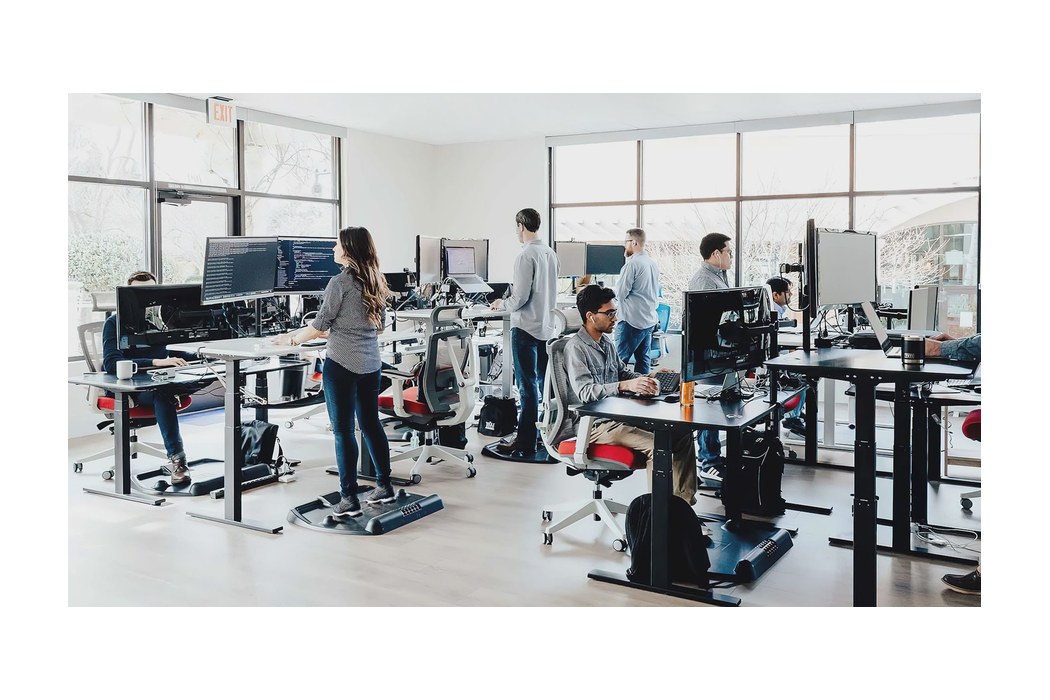
Autonomous Started With a Standing Desk. Now It Wants Your Whole Office to Think.
A New York furniture startup shipped millions of desks and chairs to more than 30 countries, then bet its next act on a stranger idea: hardware that reasons. Here is how a Kickstarter desk turned into an AI hardware workshop.
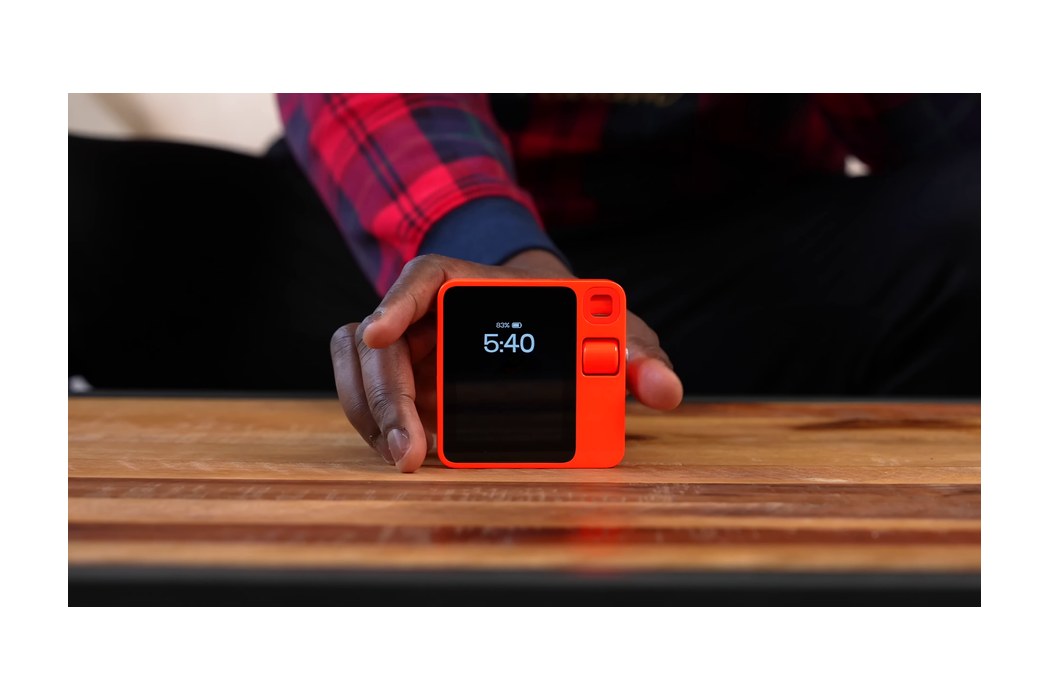
The Orange Box That Bet the Smartphone Was Optional
A $199 orange gadget promised to replace your apps with an AI that clicks the buttons for you. The launch went viral, the reviews went brutal, and rabbit is still shipping.
The AI Chip Company Betting the Future Won't Fit Inside One GPU
Tenstorrent is building AI computers from small, networked pieces - then opening the software so developers can see how the machine works. The wager is simple: in a market organized around one dominant GPU stack, flexibility can be a product.
Baya Systems
AI chips are getting better at arithmetic and worse at waiting. Baya Systems is building the configurable on-chip roads - and the software map - meant to keep data moving before a costly design becomes silicon.

Diode Computers, Inc.
Diode Computers is a New York-based startup building an AI-powered, code-first platform for designing and manufacturing custom printed circuit boards. Its open-source toolchain - a Rust-based PCB compiler that treats schematics as Python-readable code - lets AI agents and engineers generate, validate, and manufacture boards in days rather than months, with human-in-the-loop verification. Founded in 2024 and backed by a $11.4M Series A led by Andreessen Horowitz, Diode serves hardware teams in aerospace, robotics, and defense.

Opticore
Opticore is a photonic computing startup building optical processing units (OPUs) - chips that run AI workloads with light and waveguides instead of electrons. Spun out of research at MIT, USC and UC Berkeley, the company claims its photonic chips are up to 100x more energy efficient and offer roughly 25x the computing density of leading GPUs, using time-multiplexed computing to encode as many as a trillion parameters on a single chip. Opticore has raised about $14.5M to date to attack the energy and 'memory wall' bottlenecks of AI data centers.

MatX
MatX is a Mountain View semiconductor company building chips designed exclusively for large language models. Founded in 2022 by ex-Google TPU engineers Reiner Pope and Mike Gunter, it aims to deliver an order-of-magnitude more performance-per-dollar for frontier model training and inference than current GPUs.
DreamBig Semiconductor Inc.
DreamBig Semiconductor is a San Jose-based chiplet company building open silicon platforms that scale AI networking from 800 Gbps to 12.8 Tbps. Founded by Marvell veterans, the team is selling chiplets, a SuperNIC, and a chiplet hub aimed at AI data centers, automotive, and edge compute.
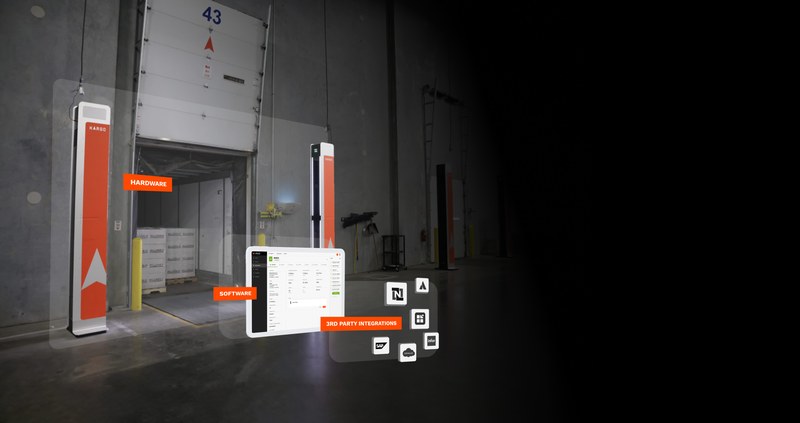
Kargo
Kargo is a San Francisco-based AI company building computer vision systems for warehouse loading docks. Its Kargo Tower and Kargo Lift hardware capture freight as it moves, reading labels, flagging damage, and feeding accurate, real-time inventory data into enterprise systems.
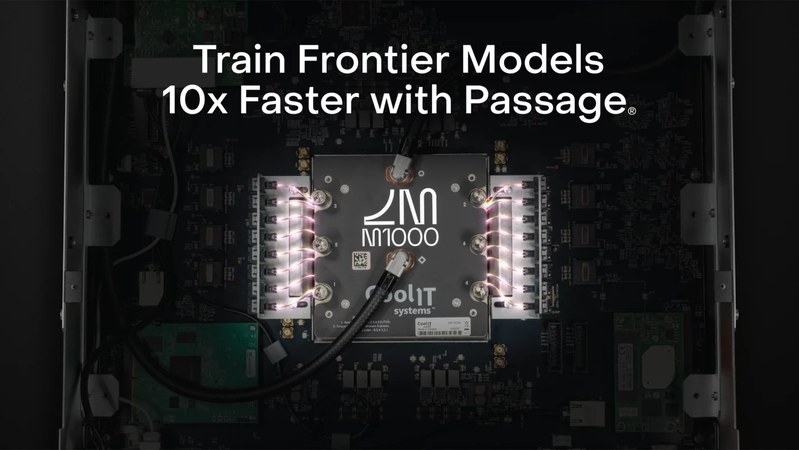
Lightmatter
Lightmatter is building a photonic supercomputer. The Mountain View company uses light, not electrons, to move data between AI chips - tackling the bandwidth and energy wall that's about to crash into the next generation of data centers. Its Passage interconnect and Envise processor aim to connect millions of chips at the speed of light.
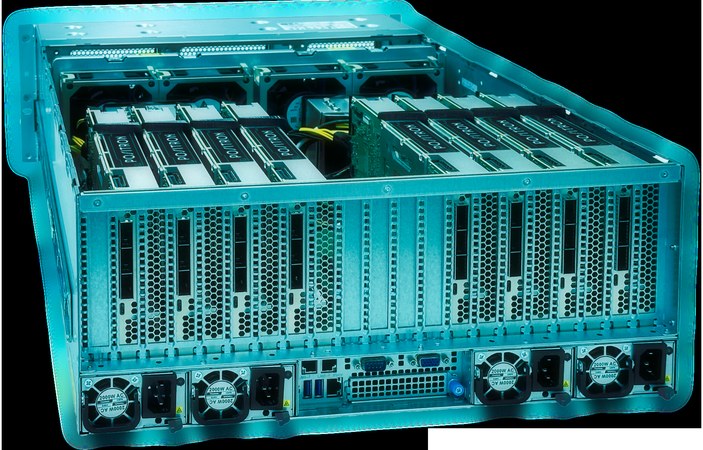
Positron AI
Positron AI designs purpose-built inference hardware for transformer models, aiming to make Nvidia GPUs optional for running large language models at production scale. Its first product, Atlas, ships from US fabs and claims roughly 3x lower latency and 4x better performance-per-watt versus an H100 system.