adas
(16)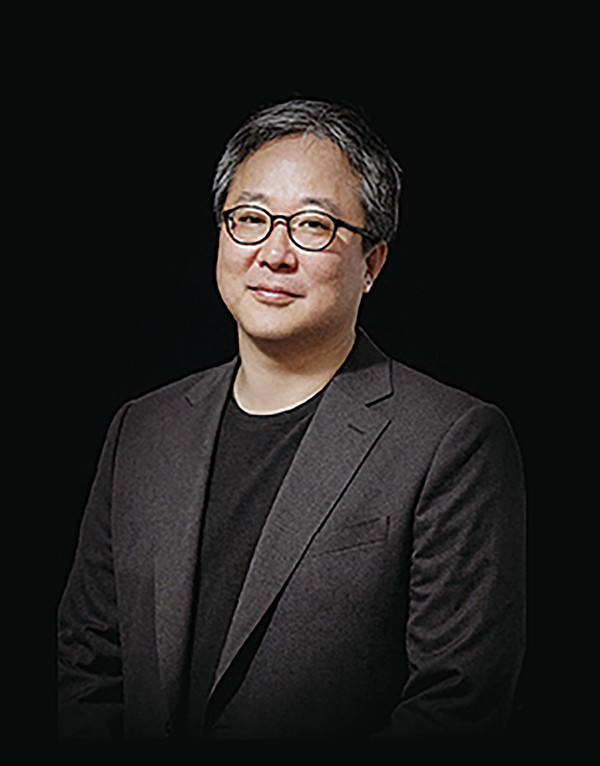
Bongjin Jun and the surprising afterlife of smart glasses
Before STRADVISION put vision software into cars, Bongjin Jun helped computers read the world through smart glasses. His story follows a research team, a promise to start again, and an idea that found another place to work.

Marc Bolitho Bet the Company on the Expensive Part of AI
After 28 years in automotive electronics, Marc Bolitho left the predictable road for a semiconductor startup - then redirected that startup when ChatGPT changed the map. His operating idea is simple enough to remember: stay level, work as one team, and follow the economics all the way down to the math.
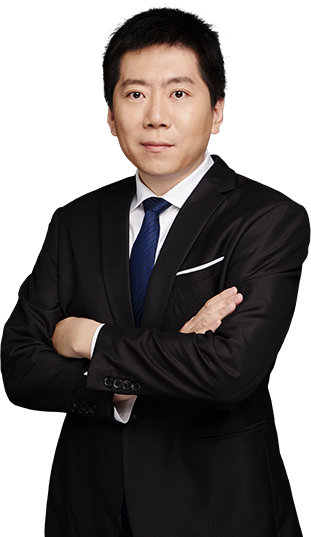
Lei Xu Is Teaching Cars to See - Then Asking What Sight Is For
The former Tesla Vision engineer built Nullmax around a stubbornly practical idea: autonomous driving only matters when the software can leave the demo, fit the car and survive the road.
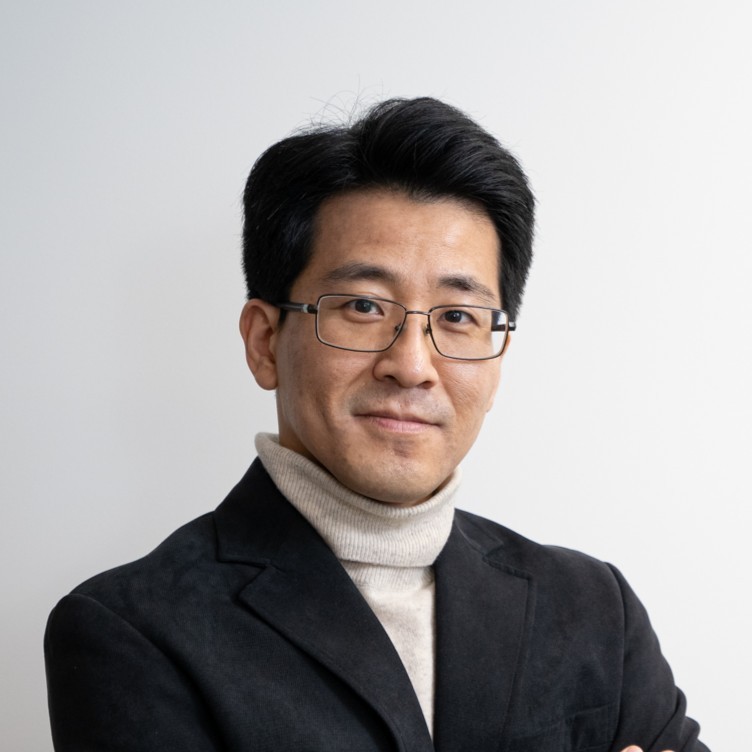
Hyunggi Cho Bet on the Part of Self-Driving That Had to Ship
A cafeteria conversation became a nine-year lesson in automotive patience. Hyunggi Cho built Phantom AI around the unfashionable idea that the road to autonomy begins with driver assistance people can actually use.
Rajesh Narasimha
Rajesh Narasimha is CEO and co-founder of Edgetensor, a Dallas-based startup building a multi-camera, edge-AI video telematics platform for fleets, insurance, and automotive OEMs. A Georgia Tech ECE PhD with 16+ years in computer vision and machine learning, he previously worked at Texas Instruments, Samsung Research America, and helped stand up US R&D at metaio (later acquired by Apple).
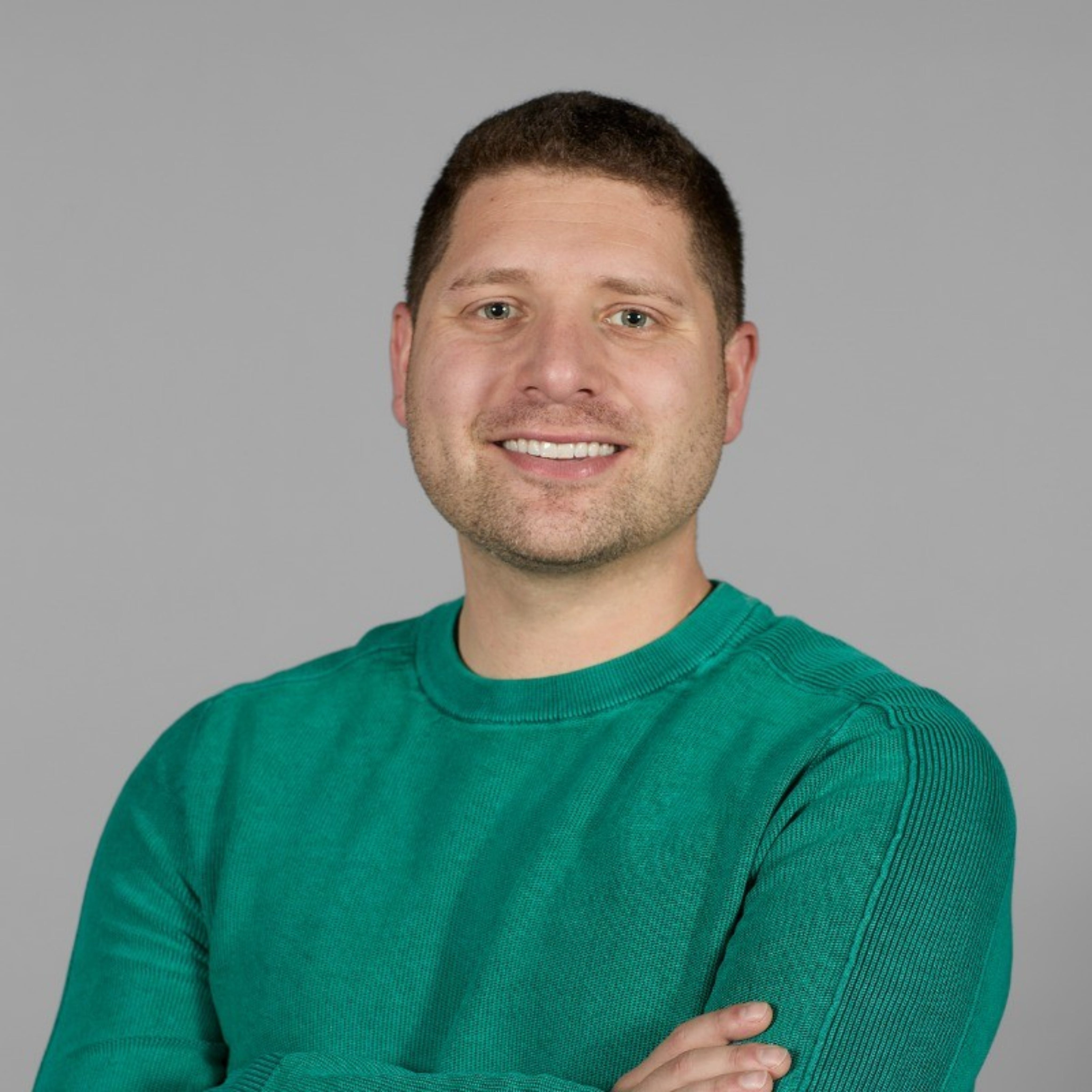
Zach Greenberger
Zach Greenberger is the CEO of Nexar, the New York-based real-world intelligence platform building the data backbone for the Physical AI era. A self-described non-engineer who taught himself the technology, he came up through IBM, Tesla, and Lyft (where he was Chief Business Officer) before taking the top job at Nexar in September 2024. Under his watch Nexar agreed to merge with Nauto in July 2026, uniting a dataset of more than 10 billion driving miles and creating an independent platform of record for how the physical world actually behaves.
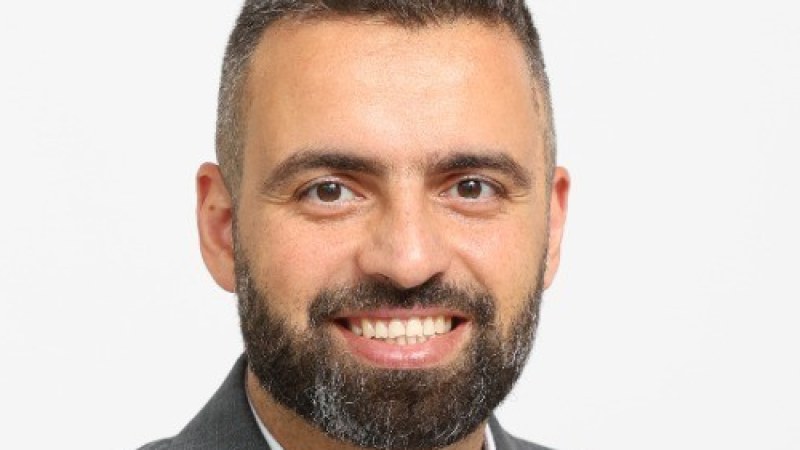
Mohammad Musa
Mohammad Musa is the founder and CEO of Deepen AI, a San Jose company building the data engine for Physical AI - tools and managed services that handle collection, calibration, annotation, validation, and synthetic data for autonomous vehicles and robotics. A Santa Clara University-trained computer engineer who once ran launch readiness for Google Apps, Musa co-founded Deepen in 2017 and has spent nearly a decade arguing that machines, like people, need many senses working together to move safely through the world. He also teaches product management at his alma mater.
Austin Russell
Austin Russell founded Luminar Technologies at 16, built lidar hardware in his parents' garage, dropped out of Stanford after three months on a Thiel Fellowship, and briefly became the world's youngest self-made billionaire at 25 when Luminar went public in December 2020. His company's 1550nm lidar sensors were integrated into production vehicles from Volvo and Mercedes-Benz, representing a rare case of autonomous vehicle hardware reaching mass-market cars. After a highly publicized attempt to acquire Forbes magazine fell through in 2023, Russell resigned as Luminar's CEO in May 2025 following a board ethics inquiry, and the company filed for Chapter 11 bankruptcy in December 2025.
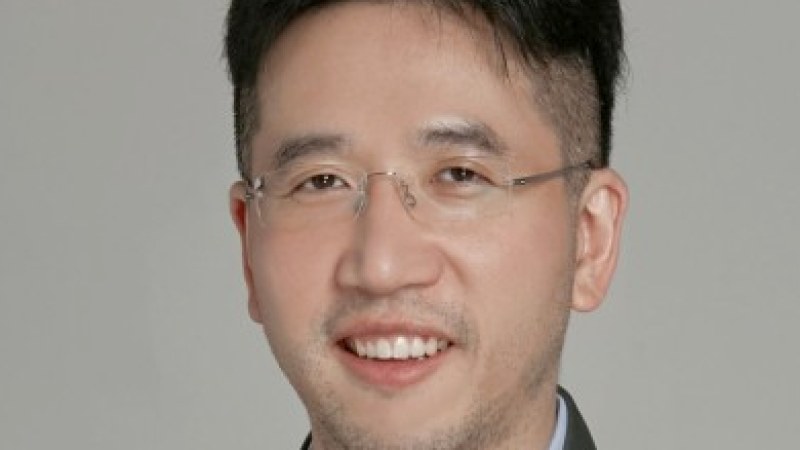
Junhwan Kim
Junhwan Kim is the CEO of STRADVISION, a South Korean AI perception company building the vision software that teaches cars to see. After selling his facial recognition startup Olaworks to Intel in 2012 - the first full acquisition of a Korean firm by Intel - he pivoted into automotive AI and helped build STRADVISION into a company with over 3 million cumulative production units deployed, $331M in total funding, and a pending KOSDAQ IPO. His flagship product, SVNet, runs on 50+ vehicle models across 13+ OEM partners and can identify pedestrians, lanes, traffic signs, and obstacles in real time on low-power edge chips.
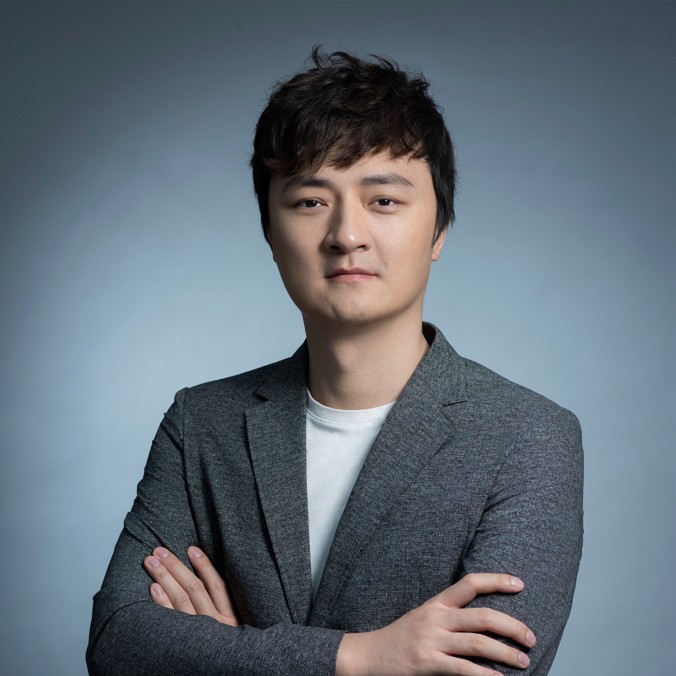
Maxwell Zhou
Maxwell Zhou (周光) is the founder and CEO of DeepRoute.ai, a Shenzhen-based autonomous driving company he built from a 2019 conviction that AI could prevent traffic deaths. A Tsinghua-trained physicist turned AI PhD, Zhou led sensor fusion breakthroughs at Baidu and co-founded Roadstar.ai before pivoting to build what is now one of China's fastest-scaling third-party ADAS providers - deploying its end-to-end intelligent driving platform across 300,000+ vehicles and accumulating 1.3 billion kilometers of real-world data with over $500M in total funding.
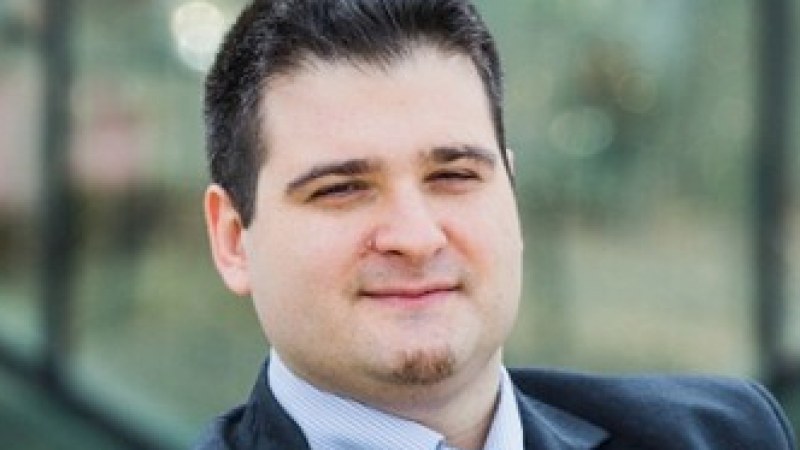
Jozsef Kovacs
Jozsef Kovacs was the co-founder and CEO of Commsignia, the world's largest company fully dedicated to Vehicle-to-Everything (V2X) communication technology. Born in Hungary and trained as a computer scientist and PhD researcher in cooperative intelligent transportation systems, he co-founded Commsignia in 2012 alongside fellow researchers from the Hungarian Academy of Sciences. Under his leadership, Commsignia deployed V2X technology across 130+ intersections in Las Vegas, secured partnerships with Volkswagen, Audi, Ford, and major OEMs, raised $26M+ in venture funding, and expanded to 20+ countries. Kovacs passed away in late 2021, leaving behind a company that continues to lead the global V2X industry.
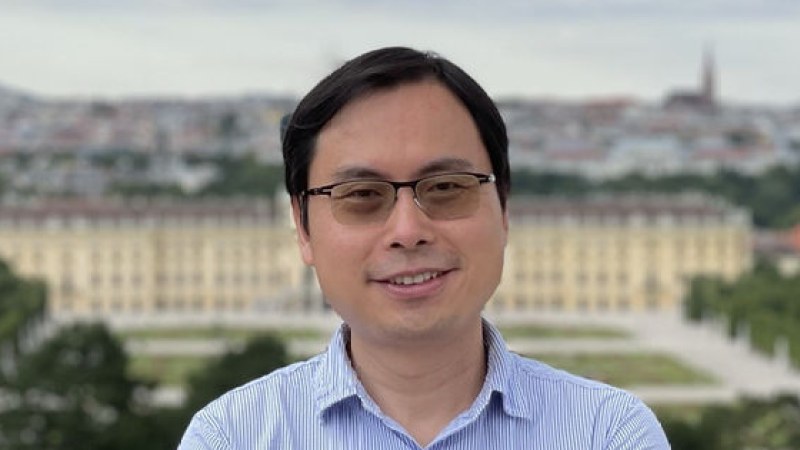
Lei Zhang
Lei Zhang is the CEO of CARIAD, Inc., Volkswagen Group's U.S. automotive software subsidiary based in Mountain View, California. A seasoned technology executive with 16+ years spanning Microsoft, Google, Huami, and NIO, Zhang now leads CARIAD's Interior, Infotainment & Digital Experience division globally. Known for pioneering NIO's NOMI digital assistant and championing software-defined vehicle innovation, he earned MotorTrend's Software-Defined Vehicle Innovator Award in 2023. His work sits at the intersection of Android OS expertise, AI-driven user experience, and the fast-evolving world of connected, electric mobility.
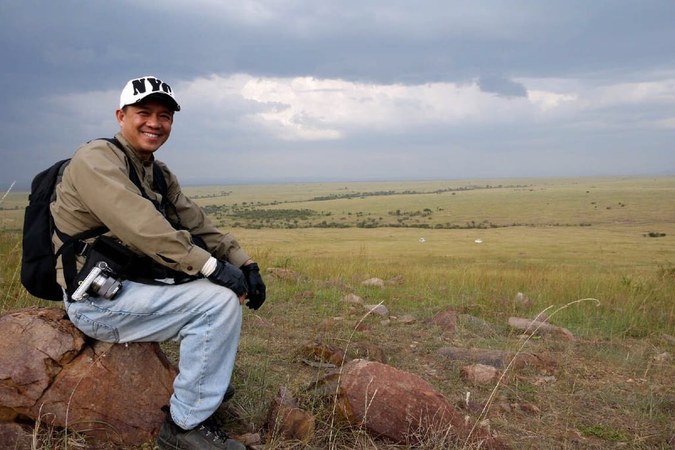
Michael Deng
Michael Deng is the founder, Chairman, President, and CEO of ArcSoft, a Fremont, California-based computer vision and AI imaging company he started in 1994 with $150,000 from family and friends. Over three decades, he built ArcSoft into a global leader powering the cameras of Samsung, Huawei, Xiaomi, Sony, and dozens more, then pivoted to automotive AI vision - driver monitoring, ADAS, and in-cabin sensing. When ArcSoft listed on Shanghai's STAR Market in 2021, Deng became a billionaire with a stake valued at roughly $1.1 billion. Today he's steering the company into AI glasses, XR headsets, robotics, and AIGC creative tools.
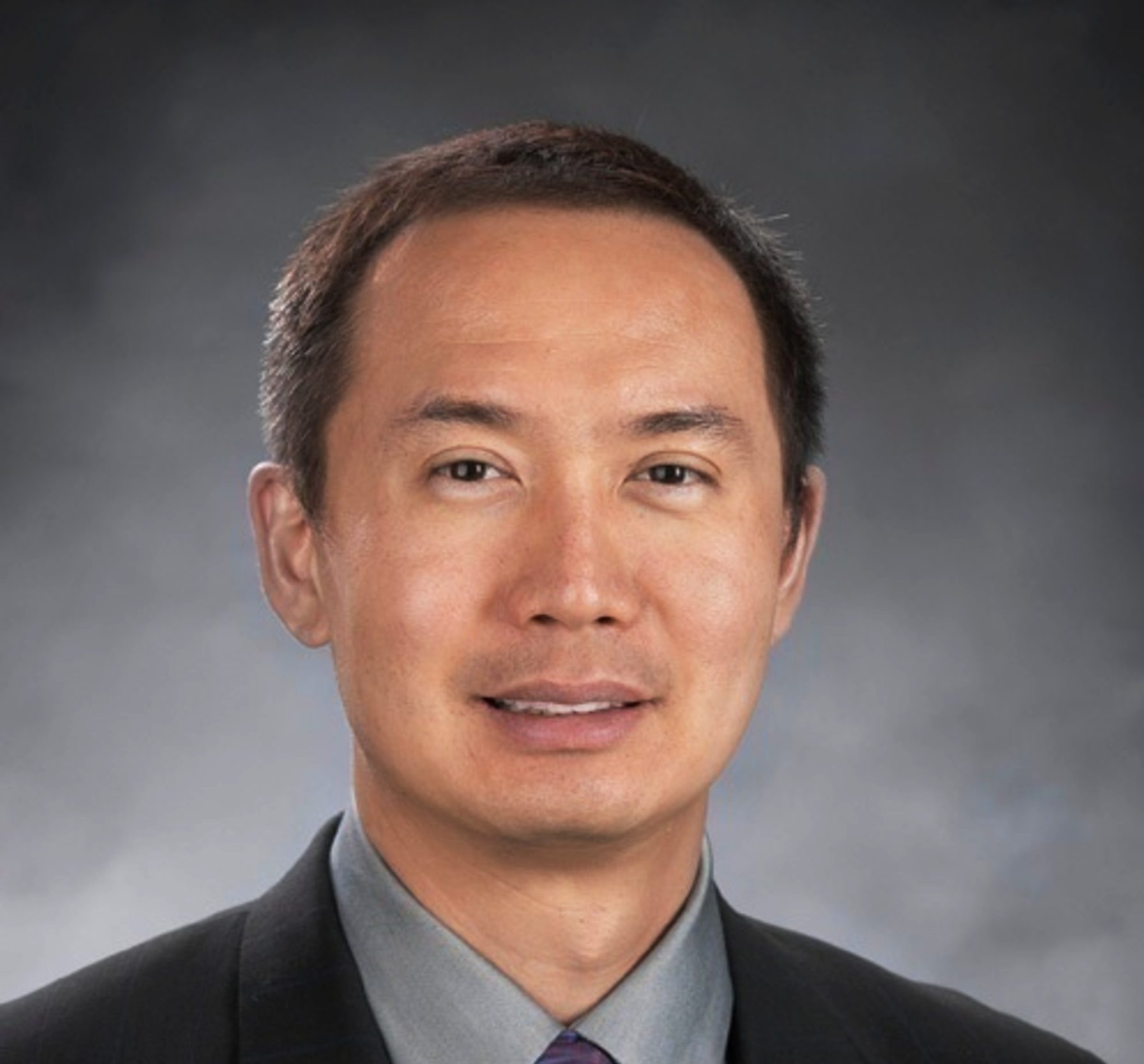
Gani Jusuf
Gani Jusuf is the CEO and Co-Founder of AXONNE, a Silicon Valley fabless semiconductor startup reshaping how data moves inside vehicles. A UC Berkeley PhD with 25+ years in semiconductor engineering - including nearly 15 years as VP of Engineering at Marvell Technology - Jusuf co-founded AXONNE in 2018 to solve one of automotive's trickiest problems: getting massive streams of sensor data from cameras, radar, and LiDAR to compute units at multi-gigabit speeds over a single twisted-pair cable. Backed by Intel Capital, AXONNE's Cyton PHY and automotive Ethernet bridge products are used in next-generation ADAS and software-defined vehicle architectures.
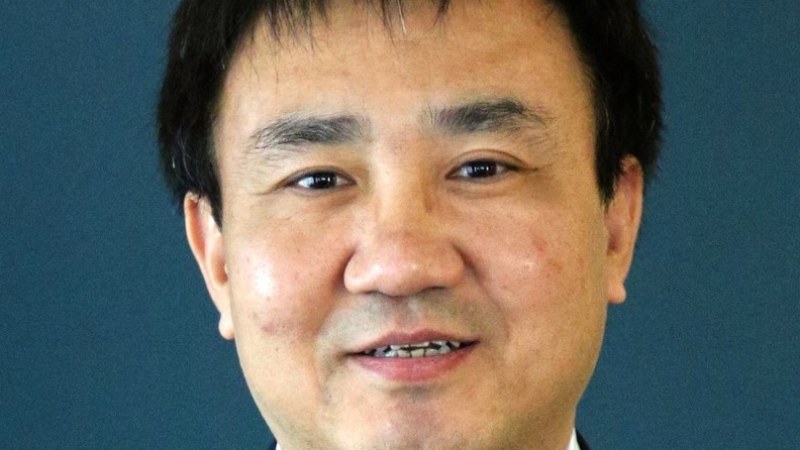
Junwei Bao
Junwei Bao is the co-founder and CEO of Seyond (formerly Innovusion), a Silicon Valley-founded LiDAR company that went public on the Hong Kong Stock Exchange in December 2025. With a PhD in Electrical Engineering from UC Berkeley and a physics background from Peking University, Bao spent nearly two decades building precision optical sensors before pivoting to autonomous-driving hardware. He co-founded Timbre Technologies - the company that invented OCD (optical critical dimension) scatterometry, a kind of microscale LiDAR for semiconductors - then led Baidu's autonomous driving hardware division before founding Innovusion in 2016. Under his leadership, Seyond delivered 230,000 automotive-grade LiDAR units in 2024 and holds a 12.8% global ADAS LiDAR market share, ranking fourth worldwide.
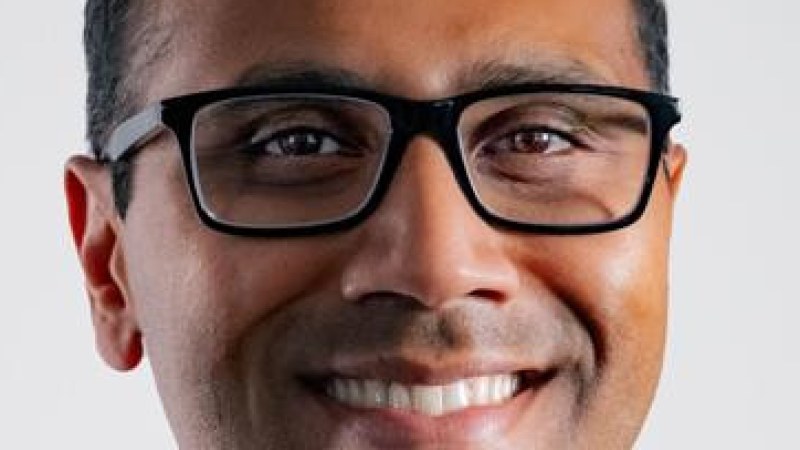
Nikhil Naikal
Nikhil Naikal is the CEO and co-founder of Kinetic, the automotive infrastructure startup using AI, computer vision, and robotics to automate the calibration and digital repair of modern vehicles. A roboticist with a PhD from UC Berkeley and an MS from Carnegie Mellon — where he was part of the 2007 DARPA Urban Challenge-winning Tartan Racing team — Naikal previously founded Mapper.ai (acquired by Velodyne Lidar) and engineered AR software at Flyby Media (acquired by Apple). At Kinetic, he is building a national network of high-throughput digital repair hubs that slash ADAS calibration time from hours to under 15 minutes, backed by $31M in total funding including a $21M Series B led by Menlo Ventures.