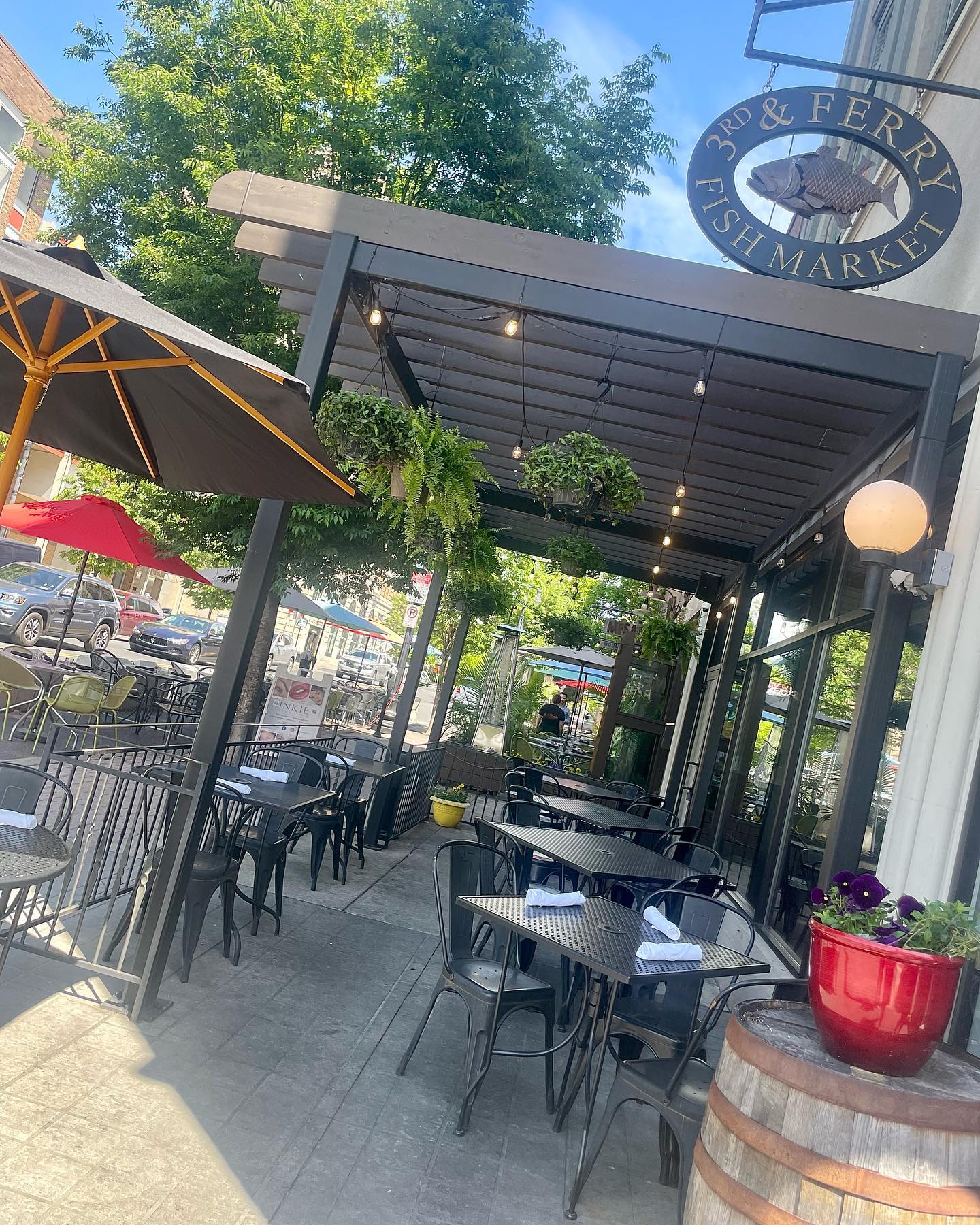
At 3rd & Ferry, the delay began before anyone cooked. The restaurant’s two-story layout meant orders could take more than 15 minutes to reach the POS after a server left the table. Staff accumulated orders; the kitchen received them in clumps. A room designed for pleasure had acquired an awkward information problem.
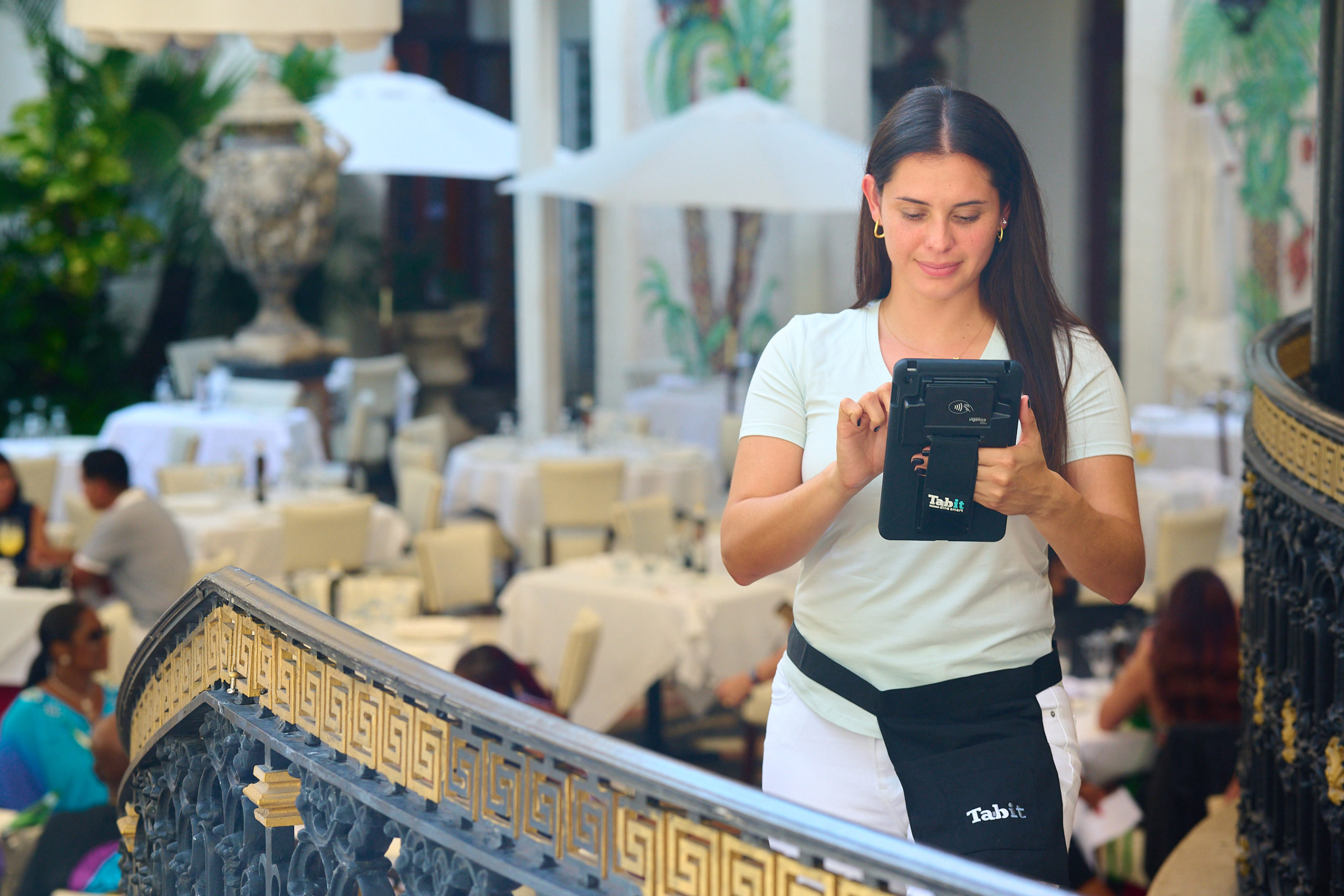
- Tabit puts ordering and payment in the server’s hand.
- Its software connects dining-room activity with kitchen, guest and management tools.
- The buying decision includes implementation and payment terms, alongside the screen.
In October 2021, 3rd & Ferry adopted four Tabit modules, covering handheld service, management, online orders and gift cards. A trusted reseller, Gotham Hospitality Solutions, helped the owner see how the system would fit. Tabit’s account reports an 18% year-over-year sales increase in the first three months. That is a customer report, with no controlled comparison. The useful detail is the mechanism: enter the order where it happens.
A retail veteran meets a food engineer
Tabit.cloud was founded in 2014 by Barry Shaked and Nadav Solomon. Shaked brought experience from Retalix, the retail software business later acquired by NCR. Solomon had served in the Israeli Navy, studied food engineering and worked in consulting. Their backgrounds joined the machinery of transactions with an interest in how food businesses operate.
Their company’s organizing choice was mobility. A stationary terminal asks staff to bring information to a particular place. A handheld device lets the transaction begin beside the guest. Tabit’s wager is that changing this location improves several connected jobs: recording modifiers, sending orders, suggesting additions and taking payment.
That makes Tabit a specialist in restaurant operations within the broader business-software market. Its pitch is especially relevant to full-service dining, where service unfolds over courses and conversations. The publicly named customers include Roots Southern Table and 400 Gradi; hotel restaurants and chains are additional target markets.
One order, several destinations
Tabit PAD is the handheld center of the system. Its guided ordering flow captures item details and can prompt servers about additional purchases. Around it sit kitchen displays, online ordering, scheduling, gift cards, guest management and analytics. Restaurants can assemble modules around their operation.
The distinction is between buying a transaction tool and buying a connected operating system. Tabit wants to supply the latter. That does not eliminate outside software: its integrations page lists restaurant accounting, delivery and reservation partners. The practical question becomes which jobs belong inside the platform and which existing relationships need to connect to it.
Hotels introduce another destination for the same transaction. TabitHotels connects food-and-beverage service with property management systems including OPERA, roomMaster and Stayntouch. A guest’s name and room number can connect restaurant or poolside spending with the hotel account. Here, mobility extends service across a property.
When the host can see dessert
The OpenTable partnership makes the proposition easier to picture. Announced in May 2023, after going live that February, the integration connects reservation information with POS activity. Hosts can see course status; servers can receive guest information. A booking and a check become parts of the same visit.
In the partnership announcement, SALT7’s operations director described the benefit of a host seeing course and check details without walking the floor. The interesting resource being conserved is attention. Someone can remain available to arriving diners while still knowing what is happening elsewhere.
The support instructions supply the less glamorous detail. Table maps must align. Staff need training. Tabit’s May 2025 onboarding guidance says the host still has to mark a table “Finished” in OpenTable. These requirements matter: software can share information while leaving a human responsible for declaring what happens next.
“You build it, you own it”Engineering approach documented in the AgileSparks case study
Tabit has worked on its own coordination, too. An AgileSparks engagement describes cross-functional teams, two-week sprints and reduced work in progress. The consultancy reported a 50% improvement in time to market after six months. It is a vendor’s assessment, but a concrete glimpse of how Tabit tried to manage growth.
The bill behind the software
The business runs on modular cloud software sold to hospitality operators, with resellers playing a significant role. Under TabitSimple, partners retain the customer relationship: Tabit bills the partner, and the partner bills the restaurant. Local setup and support therefore deserve close attention during selection.
Capital helped finance expansion. A $35 million Series B in April 2020 backed the U.S. push. Funding databases subsequently recorded an approximately $40 million Series C in August 2022. Those figures describe investment in the company, rather than what a restaurant pays.
For an operator, the relevant cost is an itemized commercial proposal: software modules, devices, installation, training, support and processing. Tabit has promoted payment-processor choice. In May 2026, Fiserv announced Clover Reserve powered by Tabit for full-service and fine-dining restaurants. Buyers should distinguish that partnership offering from a standalone Tabit agreement.
The workflow is the purchase
Alternatives such as Toast, Oracle MICROS, NCR Aloha, Lightspeed and TouchBistro make restaurant POS a crowded buying category. Mobility alone is an insufficient comparison. Tabit’s case rests on the combination of handheld service, connected modules, hospitality integrations and the people implementing them.
There is a useful experiment here for any operator: follow one order from the guest to the kitchen, and record where it waits. Then test the proposed system against the actual delay. If the constraint is already kitchen capacity, faster order entry may simply move the queue. If staff leave checks open or table maps disagree, shared information loses its value. The device helps when the surrounding work changes with it.