Consider the can of peas. It waits politely in a cupboard, asking for neither sunlight nor refrigeration. Its label might belong to a supermarket. Its contents might come from Seneca Foods. The shopper sees dinner. Behind it sits a business concerned with seed genetics, steel, harvest schedules, and the awkward fact that vegetables become ready when vegetables become ready.
- Seneca supplies store brands alongside names including Libby’s and Green Giant.
- Its operations reach from seed development to can manufacturing and distribution.
- The 2026 Green Giant frozen purchase reunites the brand’s U.S. frozen and shelf-stable businesses.
This is the useful puzzle at the center of Seneca: an ordinary product requires an unusually involved organization. Preserving food means coordinating a short agricultural season with a much longer selling season. Do that well and a summer crop becomes a February side dish. Get the harvest wrong and the consequences keep moving through warehouses and accounts long after the fields are bare.
A typewriter would have been simpler
The beginning has the proportions of a good shopping mistake. In 1949, Arthur “Art” Wolcott, then a Cornell student, attended a liquidation sale in Dundee, New York. A Rochester Business Journal account says he wanted a typewriter. Instead, using earnings from his coin-operated laundry business, he bought the assets of the Dundee Grape Juice Company.
The first year brought $110,000 in sales and $10,000 in profit, with five employees. By fiscal 2026, Seneca’s annual net sales were approximately $1.66 billion. The distance between those figures was covered through expansion and acquisitions. But the original transaction offers a clue to the company’s later behavior: Wolcott saw something worth operating inside a business that had already failed.
The name on the label is only one business
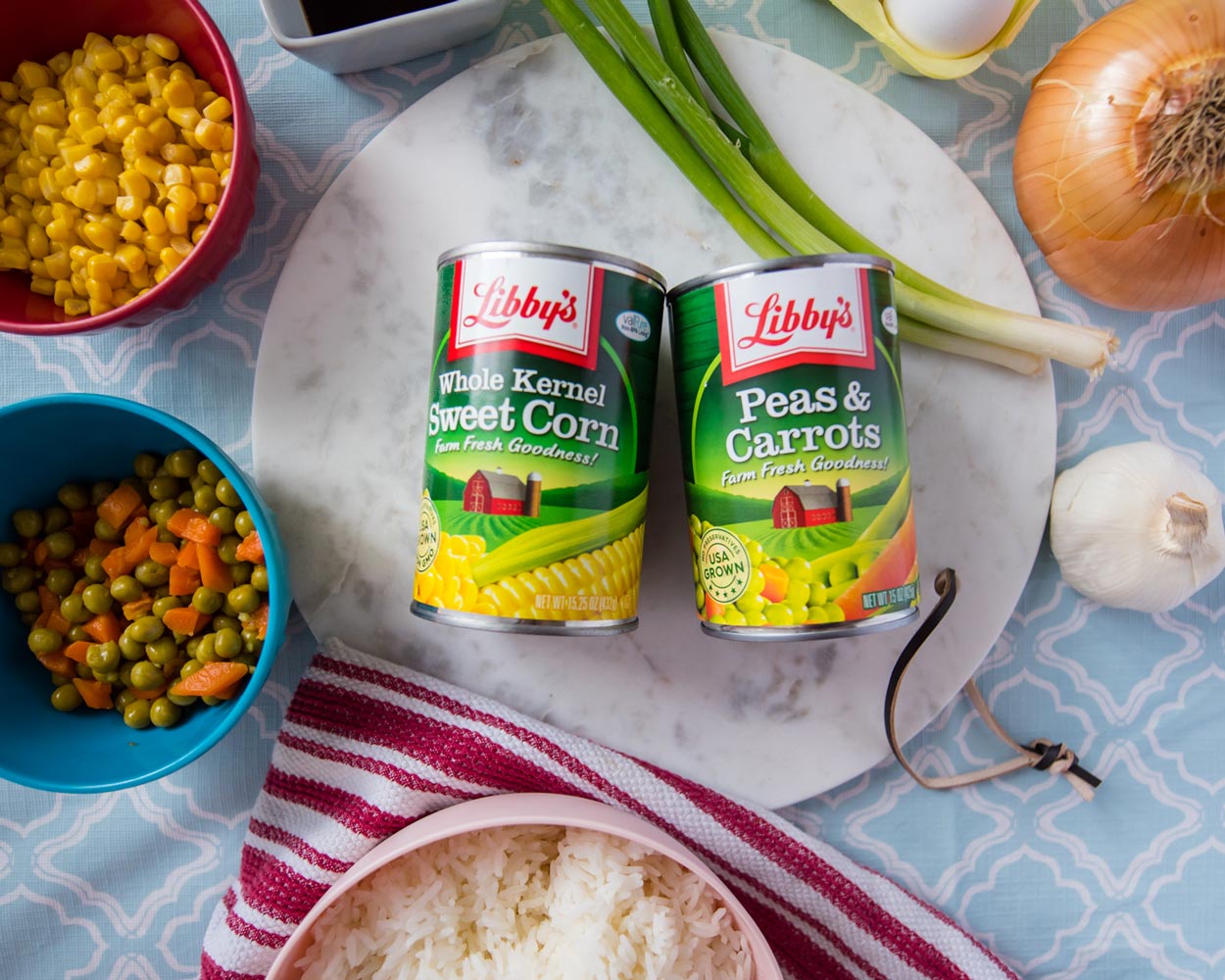
Seneca serves several customers who want similar vegetables for different reasons. A supermarket wants products carrying its own brand. A restaurant distributor needs dependable ingredients. Another food manufacturer needs a processing partner. A household recognizes Libby’s, Aunt Nellie’s, READ, or Green Giant. Seneca sells into each of these arrangements, including industrial, government food-program, and export channels.
The distinction matters. Private label lets a retailer offer a product without owning the factory. Contract packing lets another brand use Seneca’s manufacturing capabilities. Consumer labels give Seneca a recognizable place on the shelf. Its catalog stretches across canned and frozen vegetables, jarred produce, cherries, and snack chips. A company can be familiar to a grocery buyer while remaining almost invisible to the person pushing the cart.
Before the factory, the seed
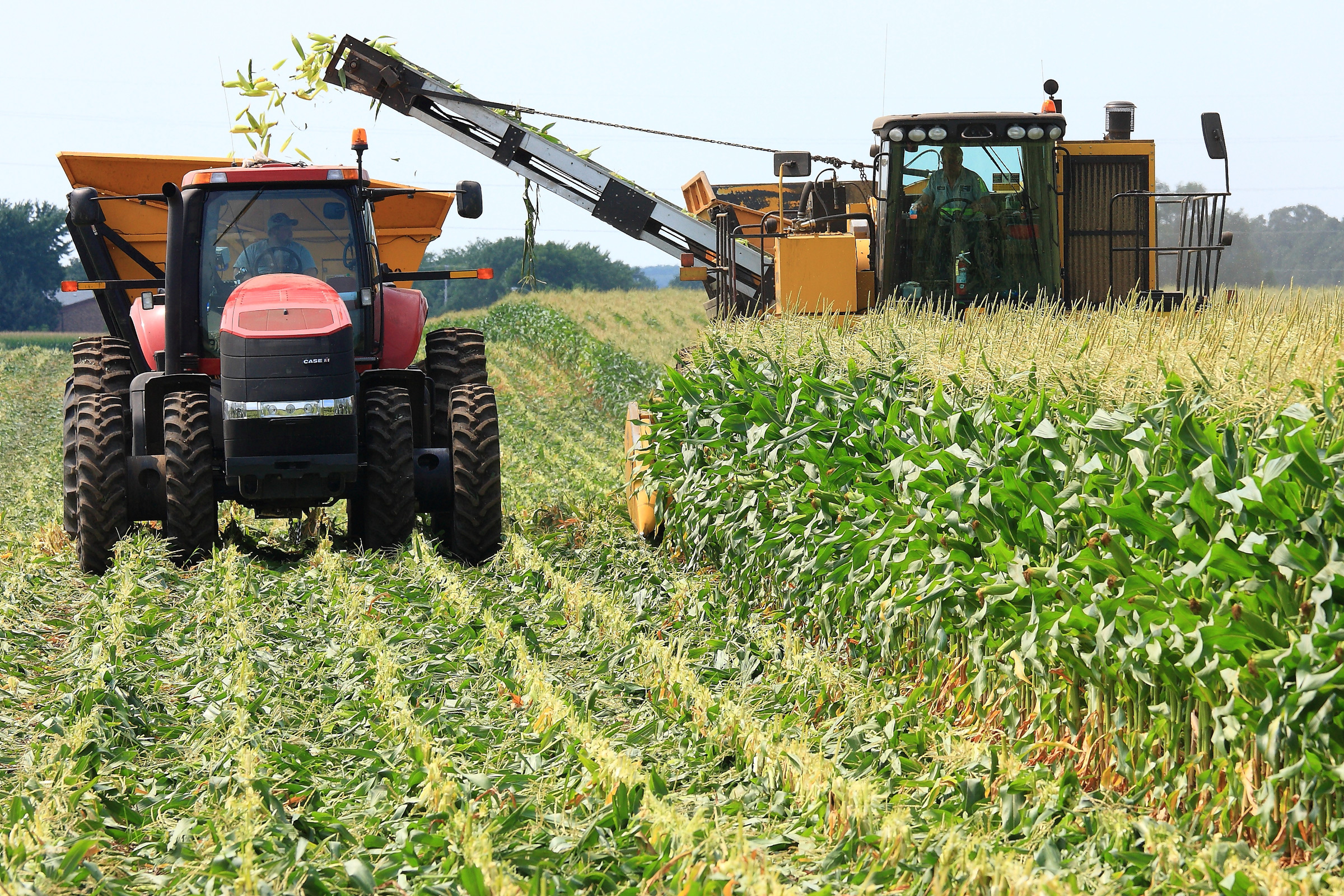
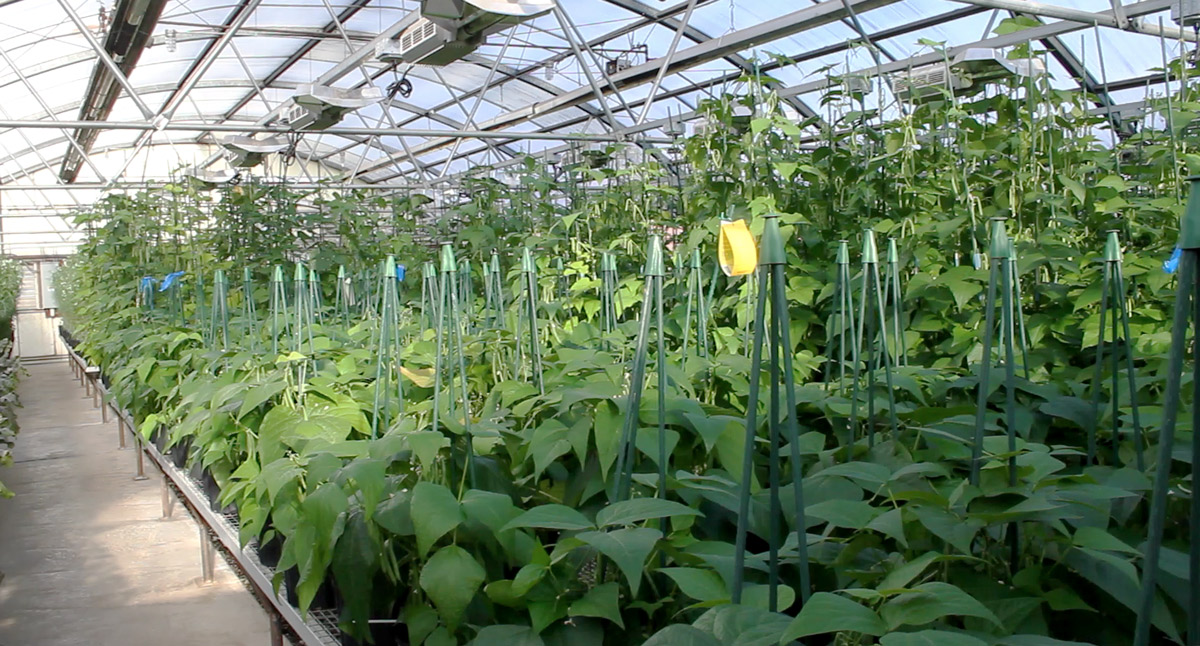
Seneca’s integration begins earlier than the loading dock. Its researchers work on sweet corn, peas, garden beans, and beets, using traditional cross-breeding to improve traits such as yield, disease resistance, texture, and appearance. Growers, agronomists, and breeders exchange information about what works in different soils and climates. Better processing starts with a crop suited to the job.
The company also manufactures cans and maintains a distribution network. That collection of capabilities is its operating proposition: connect more of the steps between planting and delivery. Nortera, another canned and frozen vegetable processor, offers buyers an alternative. Seneca’s case rests on the performance of its whole system, including price, quality, service, and the ability to get a promised product to a customer.
- 01Breed the seed
- 02Grow and harvest
- 03Process and pack
- 04Store and deliver
A simplified view of the work behind the label.
Buying the other half of the Giant
In November 2023, Seneca bought the Green Giant U.S. shelf-stable vegetable line from B&G Foods. In March 2026, it acquired the U.S. frozen business too, including inventory, manufacturing assets in Yuma, Arizona, and Green Giant intellectual property. The fiscal 2026 accounts put the preliminary purchase price at approximately $61.5 million. Cash paid at closing was $63.2 million, with $1.7 million recorded as due back from the seller.
“This acquisition significantly enhances our frozen capabilities and expands our reach in the frozen category.”Paul Palmby, President and CEO · March 2026
The deal did not bring every production step inside Seneca. B&G kept its Irapuato, Mexico operation and agreed to produce certain frozen products for the buyer. It is a revealing qualification to the integration story. Owning more of a system does not require owning all of it. Some connections remain contracts.
The buyer and seller also had different priorities. B&G described the divestiture as part of narrowing its portfolio and reducing debt. Seneca saw an opportunity to expand frozen operations and reunite the U.S. businesses. A factory and a brand can be a distraction to one owner and useful to another, depending on what each already operates.
The rain stays in the accounts
Control has limits. Seneca’s management described a poor 2024 harvest and the expensive inventory it left behind. By August 2026, Palmby said that high-cost inventory was behind the company. The sequence explains an easily missed feature of this business: the harvest happens once, but its costs can shape results for later quarters.
Fiscal years ended March 31. Bars begin at zero; rounded figures.
For the quarter ended June 27, 2026, sales reached $405.2 million, compared with $297.5 million a year earlier. Management attributed growth to the frozen acquisition, private label, and co-pack timing. Those distinctions matter: acquired sales and shipment timing tell a different story from shoppers simply eating more vegetables.
A lesson worth taking home
The practical lesson is to inspect the handoffs. Seneca’s seed work links field performance to eating quality. Its Pratt Industries agreement connects fibrous processing by-products with recycled-fiber packaging. These are specific relationships around a physical product. They depend on suitable volumes, capable partners, and facilities that justify their cost. Weak crops, rising steel costs, or insufficient demand can upset the arithmetic.
For a retailer, Seneca offers manufacturing capacity. For a foodservice buyer, it offers prepared ingredients. For a household, it offers vegetables that can wait. The little can in the cupboard has purchased something quite valuable: time between a harvest and the moment somebody needs dinner.