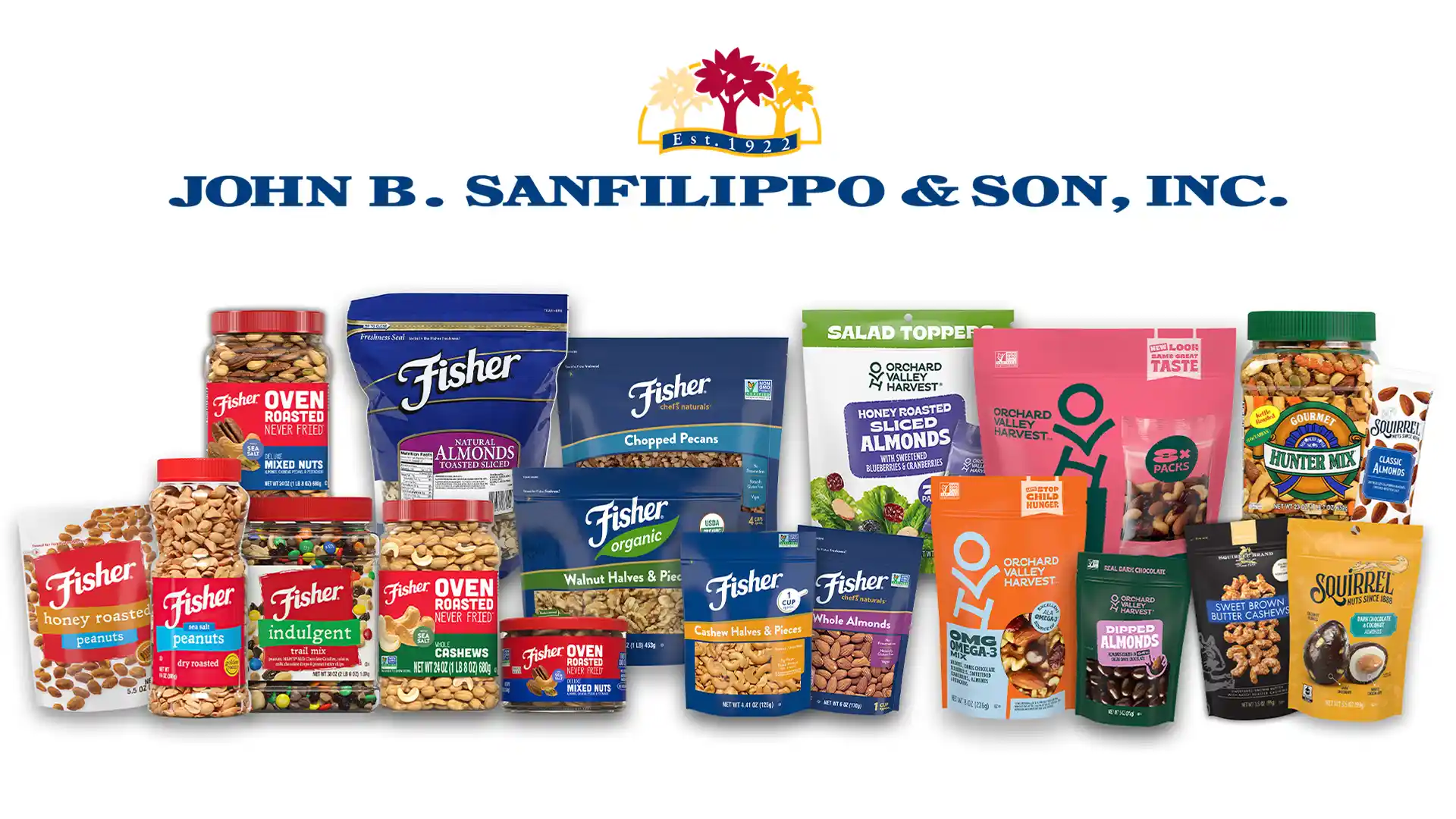
Imagine two bags of nuts on a supermarket shelf. One wears a familiar brand. The other carries the store’s own name. The shopper sees a choice between labels. Behind that choice sits a different question: who bought the crop, removed the shells, kept the nuts cold and put them into those bags? John B. Sanfilippo & Son, Inc. has built a substantial business answering that question.
- It owns Fisher and other snack brands, while manufacturing products for retailers and food companies.
- Its control of procurement, shelling and storage is central to its nut business.
- A $61.3 million acquisition expanded its reach into snack bars.
A very useful invisible company
JBSS reported $1.176 billion in net sales for fiscal 2026. Yet much of what it makes appears under customers’ private brands. Its business is easy to underestimate if you look only for the Sanfilippo name. You can encounter the manufacturer through a baking ingredient, a trail mix or a retailer’s snack bar without ever learning who operates the equipment.
There are three main routes to those customers. The consumer channel supplies retailers. Commercial ingredients go to food manufacturers and foodservice buyers. Contract manufacturing makes products for selected food companies. Each route asks the factory to solve a slightly different problem: fill a shelf, supply an ingredient or produce a finished snack to somebody else’s requirements.
For a kitchen, the benefit can be pleasantly unglamorous. Fisher Foodservice offers ready-to-use nuts in resealable packaging. Food manufacturers can buy nut ingredients in bulk cases and nut butters in drums. A retailer can commission its own range. These buyers need specifications, repeatability and delivery alongside taste. JBSS sells the work required to make those things coexist.
The advantage starts before roasting
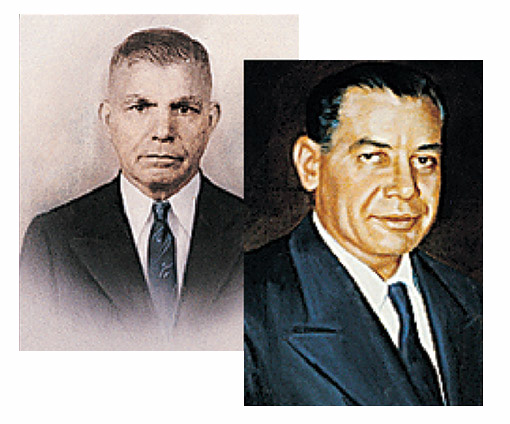
The company began in Chicago in 1922, when Gaspare Sanfilippo and his son John established a pecan-shelling operation. John bought two automated crackers in 1940. Its first private-label customer arrived in 1968. Those milestones suggest a useful progression: learn to process the ingredient, improve the machinery, then offer the capability to someone with a market.
Today, JBSS’s version of that capability begins with growers. Field representatives monitor harvest conditions and quality. In-shell nuts move into cold storage near growing regions, then through sorting, shelling and cleaning. Processing, packaging, distribution and placement follow. For pecans, peanuts and walnuts, the company controls much of that journey. Its integration varies by nut; it does not grow everything it sells.
- 01Growers
- 02Cold storage
- 03Sort & shell
- 04Process
- 05Package
- 06Distribute
- 07Place
Geography does some of the work. Facilities in Georgia, California and Texas put processing close to important nut-growing regions. Elgin, Illinois, combines manufacturing, distribution and a research-and-development lab. Its cooler holds 13 million pounds. That detail belongs in a business profile because freshness is partly a storage problem. The advertising comes considerably later.

The competitive distinction is the combination. Planters and Diamond are alternatives in nuts; regional processors also compete. JBSS brings grower relationships, shelling, food science, packaging and several sales channels to the same conversation. Its marketing and R&D teams use consumer research and a test kitchen to turn preferences into products a factory can actually make.
A $61.3 million step into the next aisle
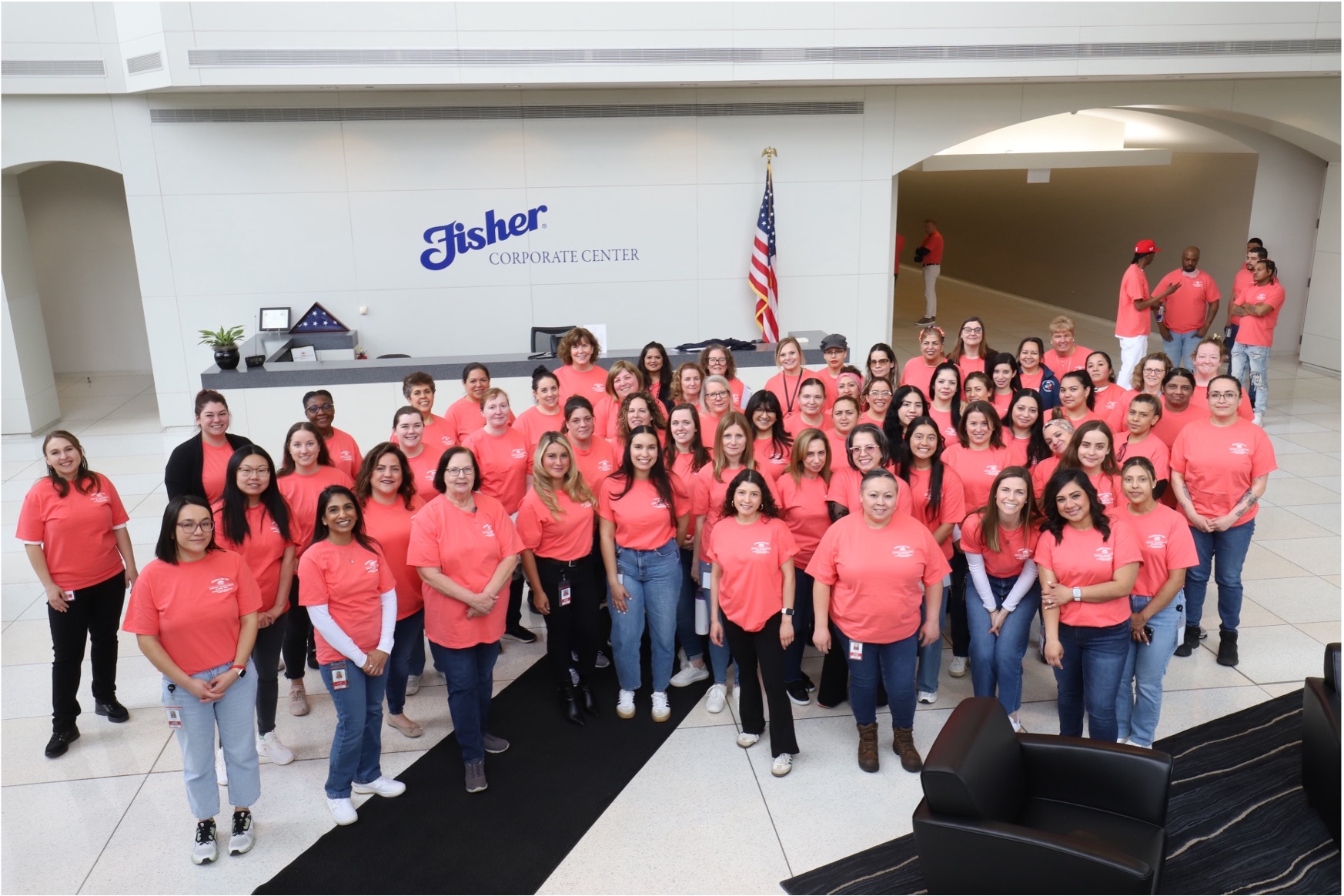
On September 29, 2023, JBSS completed the purchase of snack-bar assets from TreeHouse Foods. The approximately $61.3 million cash price included $37.3 million of inventory, a Lakeville, Minnesota facility and customer relationships. About 400 employees joined. Borrowings under an amended credit facility funded the purchase. This was an acquisition of an operating business, with stock to move and people to manage.
“This acquisition significantly accelerates our product diversification strategy”
Jeffrey T. Sanfilippo / September 2023
Lakeville added capabilities for cold-rolled, baked, extruded and enrobed bars. The commercial rationale was explicit: offer private-label customers a broader bar range. The company’s history now records two high-speed snack-bar lines added in Elgin in 2026. A retailer already buying nuts becomes a potential buyer of another category. That is a more concrete explanation of diversification than a collection of unrelated acquisitions.
Read the pounds, too
The latest figures complicate the growth story. Fiscal 2026 net sales rose 6.2%, while volume fell 2.5% to 349.3 million pounds. Average selling price per pound increased 8.9%. Revenue therefore gives an incomplete picture of demand. Higher prices helped lift the top line while customers collectively bought fewer pounds.
Bar lengths show magnitude; the orange bar indicates a decline. Price also reflects product mix.
Control also has boundaries. In the fourth quarter, a recall involving externally supplied dry milk powder used in seasoning brought $2.7 million in recall-related costs. Southern Style Nuts Hunter Mix was temporarily withdrawn. The vulnerable point in that episode was an outside ingredient. Owning nut-processing steps could not remove every dependency.
Then there is the buyer’s side. Walmart represented about 41% of fiscal 2026 net sales; Target contributed 12%. Those relationships deliver scale, but a supplier depends heavily on their purchasing decisions. The model needs reliable ingredient supplies, enough demand to use production capacity and prices that cover changing costs. A large factory makes mistakes expensive as well as making production possible.
Sell the capability you already have
The practical lesson is to examine what an existing customer buys next, and which production skills can serve that need. JBSS expanded from nuts into bars through equipment, people and established buyer relationships. Copying that sequence requires operational competence and capital; a clever package alone would leave most of the work undone.
The family remains involved. Jasper B. Sanfilippo Jr. succeeded his brother Jeffrey as CEO on October 1, 2026; Jeffrey became Executive Chairman. The company’s published values include learning, quality and safety, while its careers page lists mentorship and tuition support. A century after the pecan shop, the next chapter still depends on people who know what happens inside the bag.