A blue can of Crisco is a peculiar place to look for a lesson in corporate finance. It belongs near the flour, beside a recipe someone has been making for years. Yet that can also belongs to B&G Foods, a company whose central idea was to buy the brands already sitting in American cupboards. The interesting question was how much those habits were worth. The harder question is what they cost to own.
- B&G owns Crisco, Ortega, Cream of Wheat and dozens of other familiar labels.
- It buys established demand, then supplies retailers and professional kitchens.
- Debt and operating pressures have made selling brands part of the strategy.
Consider the distinction between a food invention and a food habit. An invention needs an introduction. A habit already has a place on the shopping list. B&G’s business rests on that second possibility. Its labels sell ingredients for baking, seasoning, breakfast and dinner. Consumers get convenient, repeatable ways to feed people. The parent gets a chance to earn money from routines that predate its ownership.
01 / THE IDEABuying a place in the cupboard
The origin story contains two beginnings. In 1889, Joseph Bloch and Julius Guggenheimer began selling pickles in Manhattan. Their initials survived on the jars. In 1996, an investment group led by Bruckmann, Rosser, Sherrill & Co., aided by food executives including Len Polaner, Dave Wenner and Bob Cantwell, formed the modern B&G Foods. It acquired the pickle business and snack producer Burns & Ricker. Heritage supplied the name; acquisition supplied the method.
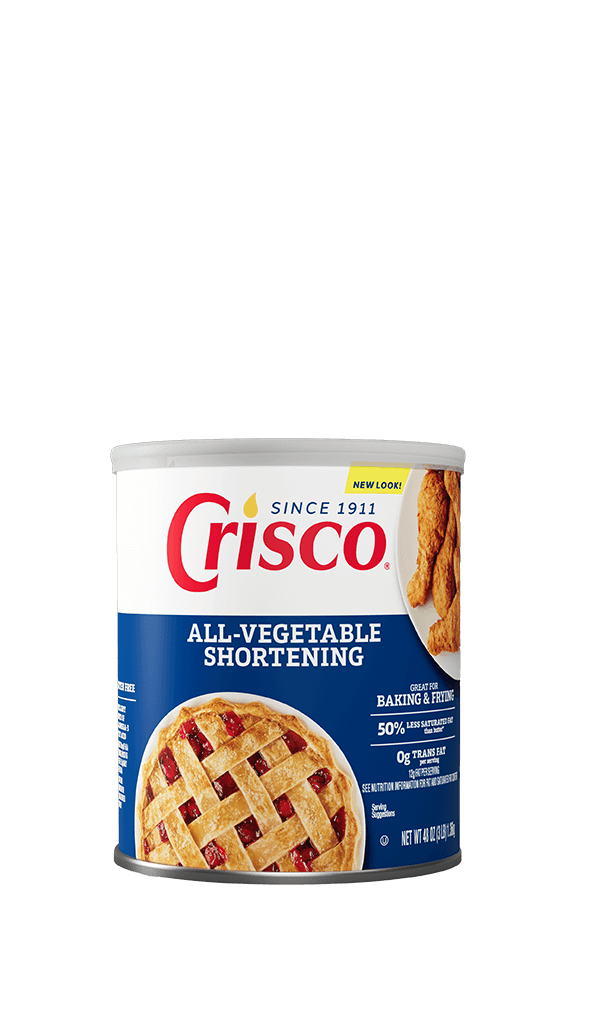
That method eventually reached far beyond pickles. B&G bought Green Giant and Le Sueur from General Mills in 2015 for $765 million, plus roughly $58 million in closing inventory adjustments. In December 2020 it added Crisco from J.M. Smucker, in a transaction announced at $550 million subject to adjustment. These were purchases of businesses with products, production requirements and existing customers. A familiar label did not remove the need to run the machinery.
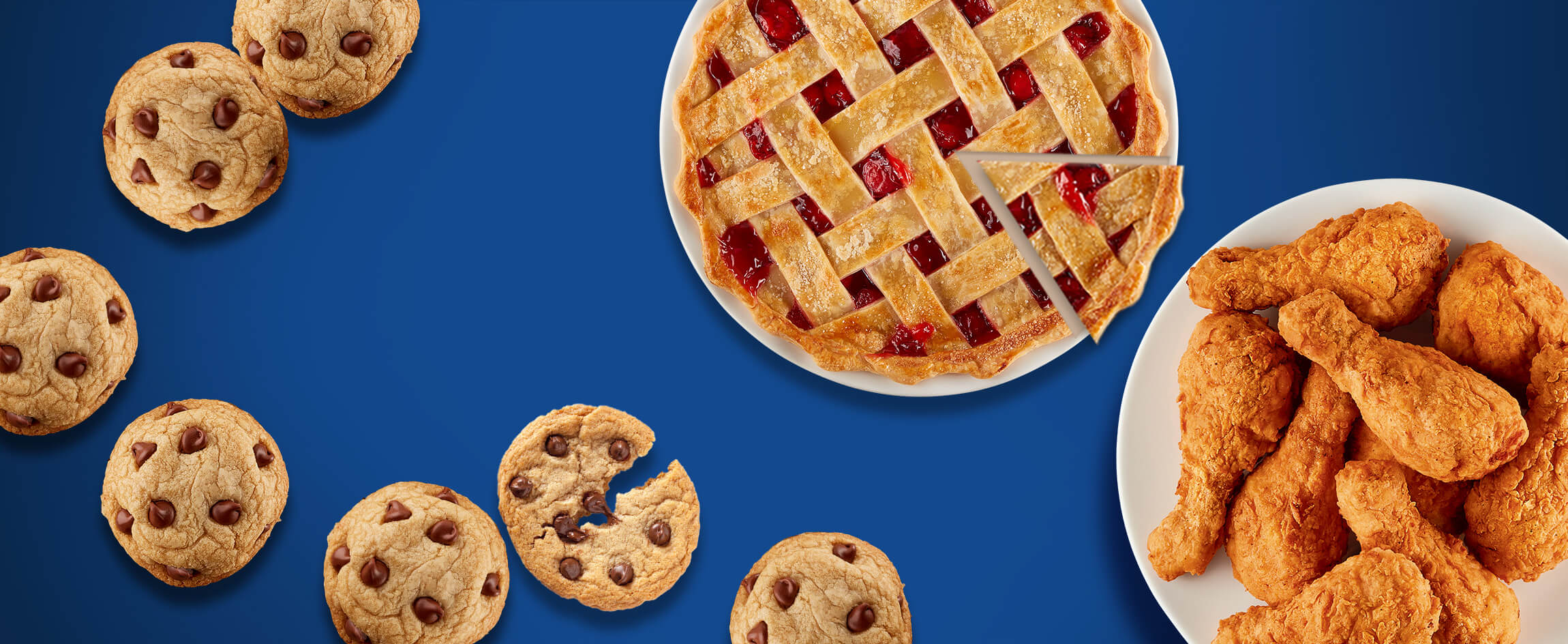
For a shopper, the connections are practical: Crisco for baking and frying, Clabber Girl for leavening, Spice Islands for seasoning, Ortega for taco night. B&G’s expertise is the less visible business behind those choices: sourcing ingredients, making or commissioning products, distributing them and keeping a retailer’s shelves supplied. Its position in the market comes from assembling distinct brands, each with its own following, inside one operating company.
The customer is also the person buying for a kitchen that serves hundreds. B&G’s Away From Home business supplies branded and private-label foods to restaurants, hospitals, schools and other institutions. Retailers and distributors stand between much of the portfolio and its eventual eaters. Walmart alone accounted for about 31% of fiscal 2025 sales. Winning affection at the dinner table and winning a retail order are related jobs, with different negotiating tables.
02 / THE FRICTIONThe ingredient that got expensive
The cook measures cups.
The owner measures costs.
An early warning in the Crisco acquisition arrived in an ordinary ingredient. In May 2021, then-interim chief executive David Wenner reported that the oils used in Crisco products cost more than twice what they had a year earlier. Management considered the spike temporary. The example is useful precisely because nothing about the label needed to change for the economics underneath it to move.
Recognition helps a brand compete. It does not fix the price of oil, packaging or transportation. Nor does it guarantee that customers will absorb every price increase. B&G competes across separate aisles against national brands, regional specialists and retailer labels. Its own pickles also compete with refrigerated alternatives. The contest is over the meal a customer wants to make, as well as the label they remember.
Financing adds another moving part. In June 2026, B&G issued $475 million of senior notes carrying an 11% coupon to refinance notes due in 2027. The old notes carried 5.25%. Extending a maturity buys time; the interest rate determines how expensive that time becomes. A portfolio of long-lived brands can still have a very immediate cash obligation.
03 / THE RESETA smaller shopping basket
By 2026, the company was actively editing its collection. It sold Green Giant’s U.S. frozen vegetable business to Seneca Foods in March, following the U.S. shelf-stable sale in 2023. B&G retained a manufacturing role under a new agreement. Ownership of a brand and production of its vegetables had become separate propositions.
Then came another purchase: College Inn and Kitchen Basics, acquired from Del Monte’s bankruptcy estate on March 19 for approximately $110 million in cash. B&G projected $110 million to $120 million in annualized sales. Those were expectations, not achieved results. The combination of buying broth and selling vegetables suggests a more selective acquisition business, with management explicitly prioritizing cash flow and lower leverage.
*Non-GAAP operating measure. Divestitures and acquisitions affect comparison.
Rob Mills became chief executive in August, succeeding Casey Keller. October brought a reminder that portfolio plans depend on other parties: the Green Giant Canada sale agreement with Nortera ended after regulatory approval was not obtained by the contractual deadline. B&G kept the business; Nortera remained its primary co-manufacturer.
On October 13, B&M and Joan of Arc went to McCall Farms. B&G said it intended to use net proceeds to repay long-term debt. The company’s latest description counted more than 45 brands. Fewer names on the roster were now part of the work.
“My immediate priorities will be execution, operating discipline and accelerating growth.”
Rob Mills / CEO appointment, August 2026
04 / THE TAKEAWAYThe part worth copying
The useful lesson is to separate demand from the cost of serving it. A known product, an established route to market and repeat purchases are worth studying. So are inventory, retailer concentration and the borrowing needed to buy them. Copying the acquisition strategy only makes sense if those calculations survive weaker volumes and more expensive inputs.
For cooks, B&G remains much simpler: a collection of ingredients and shortcuts, with recipes on its brand sites and foodservice options for larger kitchens. For its owner, every familiar package poses a choice about capital. The cupboard remembers the brand. The business has to earn its place there again.