In the late 1950s, the Tyson family had a problem that sounded easy to fix. Chickens needed processing. John W. Tyson offered land to entice another company to build a plant in northwest Arkansas. The deal fell through. His son Don proposed a more expensive answer: build it themselves. The plant opened in 1958, over budget, with a bank loan helping finish the job.
- Tyson joins fresh meat processing with familiar supermarket brands.
- Fiscal 2025 sales: $54.441 billion. Company operating margin: 2%.
- Chicken earned money while beef lost it. Different animals, different economics.
That little construction project offers a useful way into Tyson Foods. A chicken business became a system for getting food to people. Today, the system includes fresh beef, pork, chicken, breakfast sausage and frozen meals. Its customers include grocery chains, restaurants, distributors and school meal programs. Much of its work happens before a shopper ever notices a label.
A $90,000 answer to a blocked handoff
The first plant had been budgeted at $75,000. It finished at $90,000, a 20% overrun. Tyson already supplied chicks, feed and transportation; processing joined those activities. The logic was practical. Depending on someone else for a crucial step had left the business waiting. Owning that step let the family move.
There is a temptation to read this as a universal instruction to own everything. The more useful lesson is narrower: identify the handoff that limits what you can promise a customer. A factory is an expensive answer to a real constraint. Without enough demand, animals, workers and operating discipline, it becomes an expensive problem of its own.
Tyson subsequently expanded far beyond its original poultry business. Buying IBP in 2001 brought a larger beef and pork presence. Buying Hillshire Brands in 2014 brought Jimmy Dean, Hillshire Farm and Ball Park into the portfolio. The company could supply ingredients for dinner and sell a branded answer to the question of what dinner should be.
The valuable ingredient is often time
Consider the distance between a piece of meat and a breakfast sandwich. Somewhere along that distance sit portioning, cooking, packaging, refrigeration and a retailer’s freezer. Each step can remove work from a kitchen. For a restaurant operator, consistent portions help with preparation and planning. For a household, a prepared meal reduces the number of decisions between opening the freezer and eating.
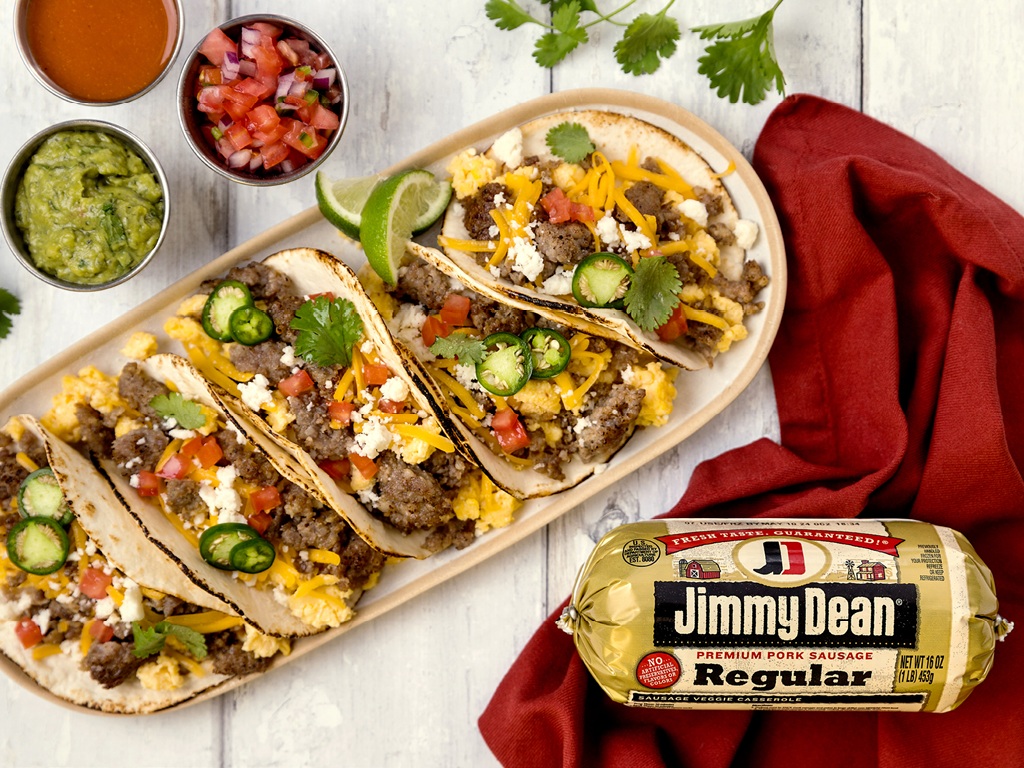
This is where Tyson competes as more than a processor. Fresh meat competes heavily on price, availability and specifications. Branded prepared foods add familiarity and convenience. Tyson’s position spans both markets, connecting a large processing operation with names shoppers recognize. That breadth also lets it serve buyers whose needs have little in common: a school kitchen, a convenience store and a supermarket meat counter.
Its March 2026 Jimmy Dean launch makes the strategy unusually legible. New bowls offer 40 grams of protein per serving; sandwiches offer 25; waffles offer 20. The pitch extends the brand beyond a conventional breakfast occasion. Shoppers can find these products at selected retailers. Foodservice buyers, meanwhile, work with Tyson on products and formats suited to their own menus and operations.
The biggest sales line can lose money
Now comes the awkward part. In fiscal 2025, Tyson’s Beef segment produced $21.623 billion in sales and a $1.135 billion operating loss. Chicken produced $16.837 billion in sales and $1.427 billion in operating income. Prepared Foods added $898 million in operating income. These are reported GAAP figures, including charges, rather than management’s adjusted measures.
The distinction matters because the grocery bill is a poor shortcut to the processor’s profit. A higher selling price can arrive alongside a higher cost for livestock. A plant still needs sufficient throughput to spread its costs. Tyson’s beef sales rose in 2025, yet its reported operating loss widened. More dollars passing through the business did not mean more dollars staying there.
Chicken has also had its bad year. Tyson’s fiscal 2023 results included a Chicken operating loss, and the company announced six chicken facility closures to improve costs and capacity utilization. The subsequent recovery is a reminder that owning the production chain does not remove the need to change it. The machinery has to fit the market.
“Managing what we can control.”Donnie King, then CEO, November 2023
When the cattle don’t arrive
In August 2026, Tyson announced another consequential adjustment. Its beef business would center on Dakota City, Nebraska; Holcomb, Kansas; and Amarillo, Texas. It planned to end operations at Joslin, Illinois, and Eagle Mountain, Utah, while pursuing a sale of Pasco, Washington. The company pointed to persistent cattle shortages and limited retention of breeding heifers.
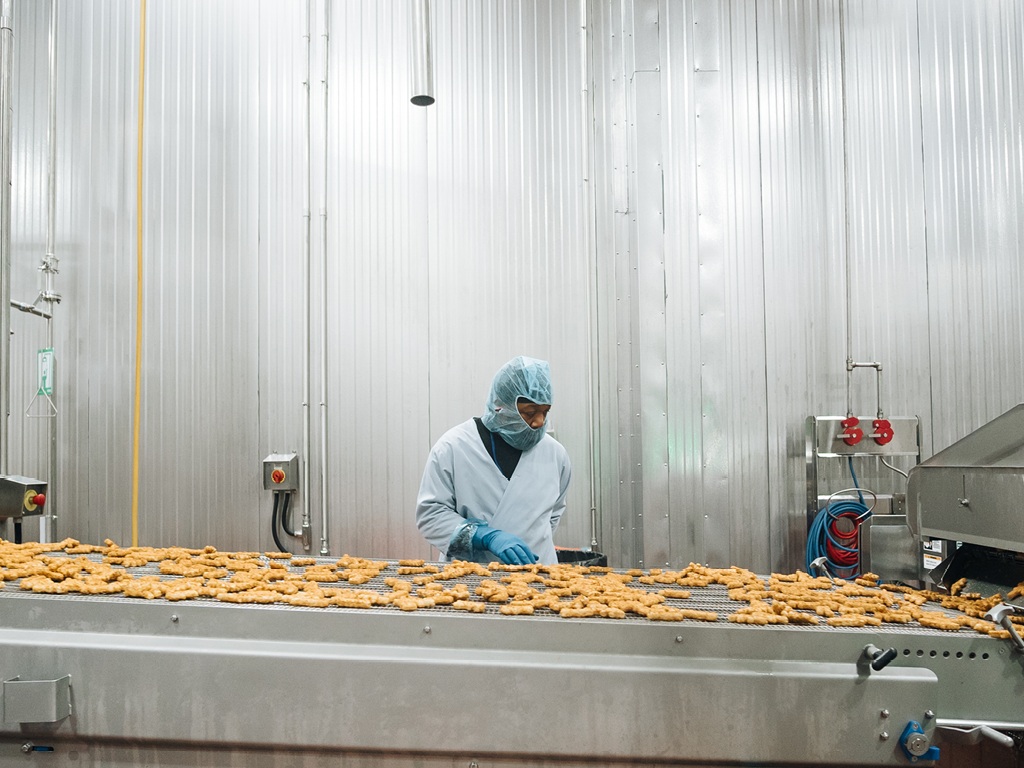
That changes the meaning of scale. More capacity helps when there is enough material to run through it. When livestock supply is constrained, concentrating work can make more sense than maintaining the footprint. The closures also carry a human cost: employees and communities face disruption. Tyson said it would help affected workers apply for jobs at other facilities.
The latest published quarterly results, released in August, show the balancing act continuing. Third-quarter sales were $13.868 billion, with GAAP operating income of $362 million. That is a 2.6% operating margin. A business can occupy a large stretch of the food aisle while keeping only a small fraction of each sales dollar before interest and tax.
A brand builder takes the wheel
Jeff Schomburger succeeded Donnie King as president and CEO on October 4, 2026. A Tyson director since 2016, he spent 35 years at Procter & Gamble and retired as its global sales officer. His appointment gives the company’s stated emphasis on building brands a concrete face. King remains on the board.
Tyson’s useful lesson is visible in both the first plant and the latest restructuring. Find the constraint. Price the solution. Reconsider it when the conditions change. The family once needed a processing plant badly enough to borrow beyond its budget. Nearly seven decades later, the company sometimes needs fewer plants to make the economics work. Dinner still has to arrive on time.