A feed store has a wonderfully simple problem: customers need something to feed. In 1946, Aubrey Pilgrim and Pat Johns bought one in Pittsburg, Texas, for $3,500. Aubrey’s brother Bo soon joined. The business supplied chicks alongside feed; farmers raised the birds and sold them back. Each transaction suggested another useful task the store could take on. Eventually, those tasks became a chicken company.
- Fresh chicken pays the bills; prepared foods add convenience and brands.
- The growth strategy carries a tangible price: a planned $400 million Georgia plant.
- More demand does not guarantee better profits. July 2026 results made that plain.
The interesting thing about Pilgrim’s is how often it has returned to that original question: what else could we do before the customer gets the product? Feed became birds. Birds became processed chicken. Chicken became a portion, a recipe, a bag that needs less work at home. The company’s history is a long experiment in moving closer to dinner.
The feed store’s useful trick
By 1958, the business was retaining ownership of chickens placed with growers. Hatcheries and processing followed. This is vertical integration in its agricultural form: coordinate the stages of production so the finished product becomes more predictable. It requires expertise in animal nutrition, flock health, processing yields, food safety and refrigerated distribution. The difficult part is getting these activities to work together, every day.
Simplified poultry production chain. Prepared foods add cooking and other processing before distribution.
Today, Pilgrim’s sells poultry, pork and prepared foods to supermarkets, restaurants and foodservice distributors. It supplies private-label products as well as its own brands. A retailer needs reliable deliveries and products that fit its shelves. A restaurant needs consistent portions and preparation. A household wants dinner without a research project. Pilgrim’s serves these different customers through the same broad production network.
Its competitors include Tyson, Wayne-Sanderson and Perdue in American poultry, alongside regional suppliers. Integration alone offers little distinction in an industry that adopted it widely. Pilgrim’s particular proposition combines that operating machinery with international reach, customer-specific supply and a collection of consumer brands. Buying decisions still come down to price, specifications, service and whether the food tastes good.
Bigger did not mean safer
Scale had limits. In December 2008, Pilgrim’s filed for Chapter 11 protection after expansion left it exposed to debt, expensive feed and weak chicken prices. The production system could keep making chicken while the financial structure could no longer comfortably support it. In December 2009, JBS invested $800 million for 64 percent of the reorganized company’s shares.
The later expansion put more emphasis on spreading exposure. Pilgrim’s bought Moy Park from JBS in 2017 at an enterprise value of about $1.3 billion, gaining a European platform and more prepared foods. The acquisition announcement explicitly discussed reducing volatility. That is the documented strategic rationale; treating bankruptcy as the explanation for every subsequent decision would make the story tidier than the evidence allows.
“We were simply responding to one opportunity after the next.”Bo Pilgrim, recalled in the company’s 2006 anniversary account
The useful lesson is about what growth buys. Another plant can add output while leaving a company exposed to the same price swings. A different geography or product can change that exposure, although it also brings integration costs and new operating problems. Diversity needs a business reason beyond coloring more countries on a map.
The freezer bag gets a factory
Just Bare makes that shift visible. Its range includes fresh chicken and frozen fully cooked products. Pilgrim’s reported that the brand reached $1 billion in retail sales across those categories in 2025. Retail sales measure spending at the checkout; they are not the same as revenue booked by the manufacturer. Even with that distinction, the milestone shows why the freezer aisle has management’s attention.
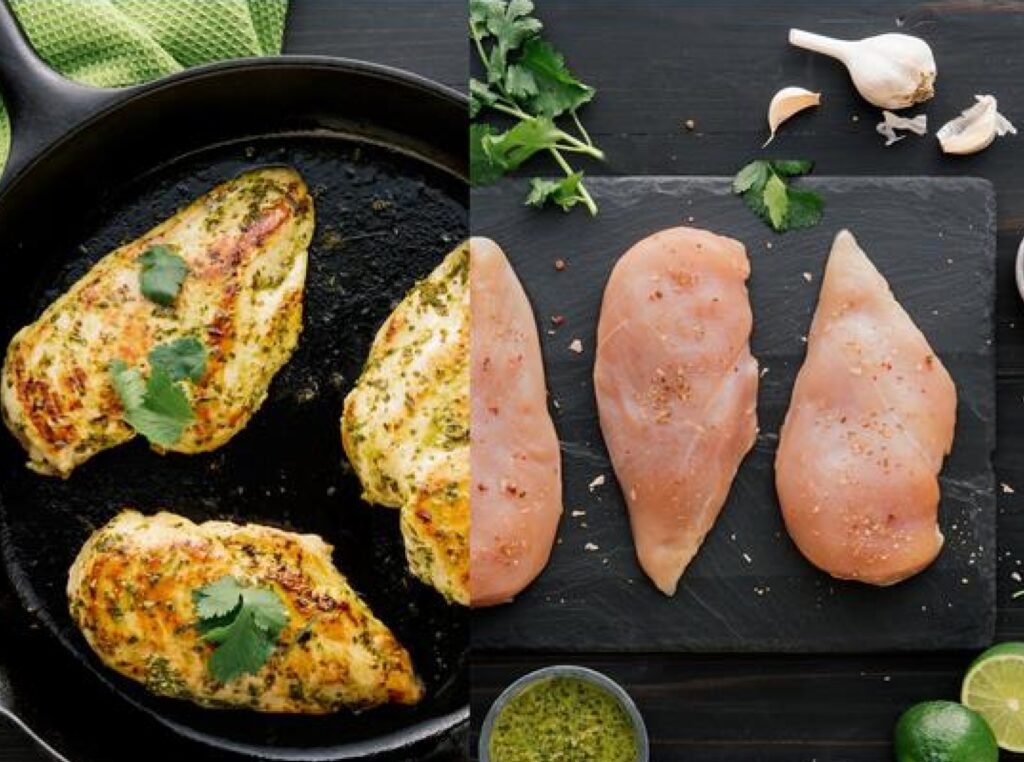
The brand sits beside foodservice offerings such as Gold Kist and European names including Moy Park, Richmond and Fridge Raiders. Fresh supply and prepared products solve different problems. One delivers an ingredient. The other can deliver portioning, seasoning, cooking or an easier serving occasion. These additional jobs give customers reasons to choose beyond the price of raw meat.
There is nothing weightless about selling convenience. In November 2025, Pilgrim’s broke ground on a prepared-foods facility in Walker County, Georgia. The announced investment is $400 million, with more than 630 jobs expected at full capacity. The first phase is expected in 2027. Fully cooked chicken for Just Bare, Pilgrim’s and Gold Kist is the intended output. This is planned capacity, not a finished success.
Demand is only half the equation
The July 2026 results supplied a useful correction to any cheerful brand story. Second-quarter net sales were about $4.6 billion and consolidated GAAP net income was $13.2 million. Management reported firm chicken demand, but commodity pricing weakened. Jumbo commodity cutout values fell more than 25 percent from a year earlier. Customers can want your product while the market pays you less for it.
1.4% GAAP operating margin. Volume and profitability tell different stories.
There is also a compliance record to reckon with. In February 2021, Pilgrim’s pleaded guilty to fixing prices and rigging bids for broiler chicken products. The court imposed a $107,923,572 criminal fine. Any account of its relationships with customers has to include that admitted conduct. Efficient production and successful products do not settle questions about how a company competes.
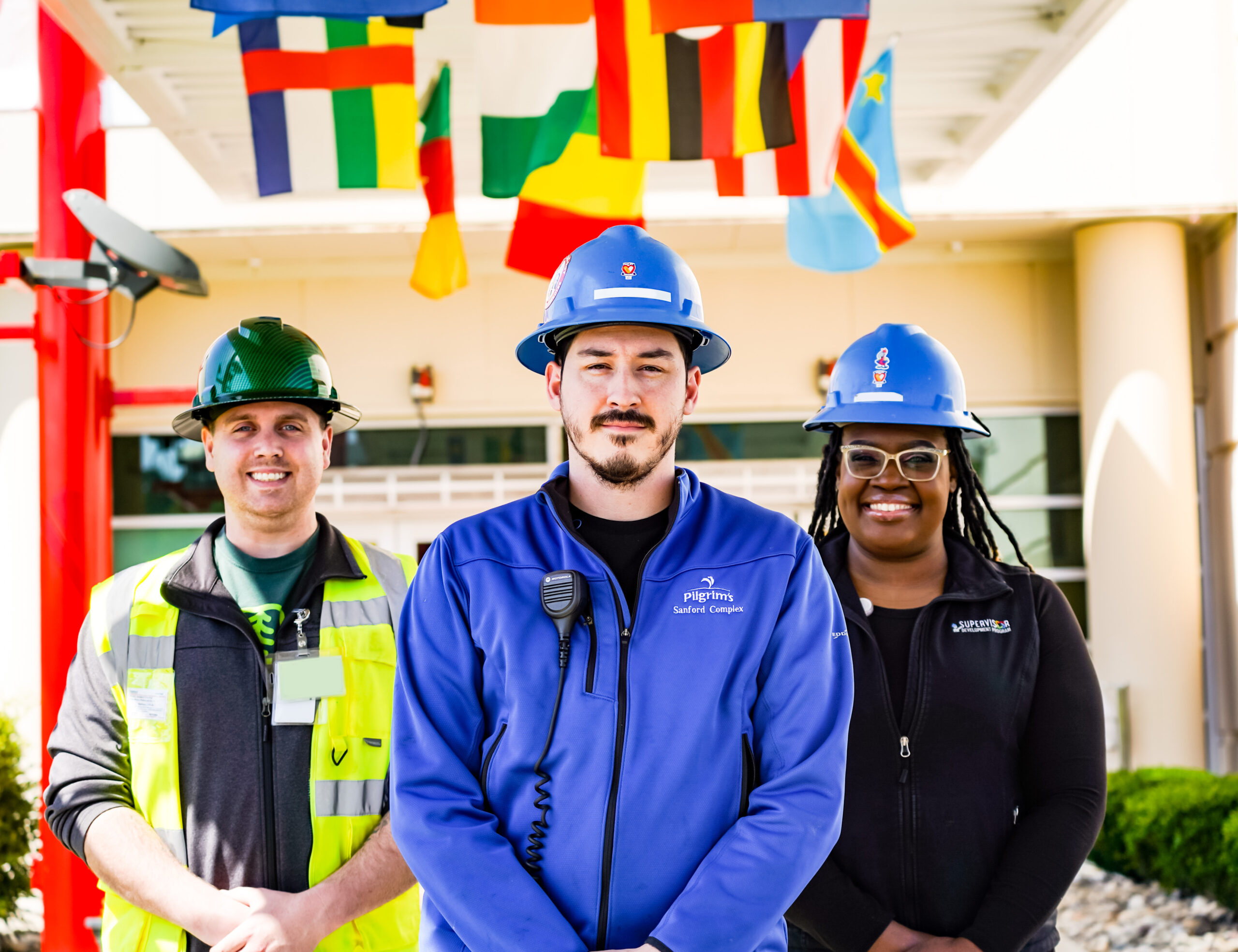
Pilgrim’s states values including ownership, discipline and humility; its Better Futures program supports community-college access for employees and dependents. Those commitments matter to the people running a demanding production system. Their existence should be distinguished from proof of everyday working conditions. Food safety, worker safety and animal welfare require continuing execution, whether sales are rising or falling.
For another business, the copyable move is modest: identify a task customers already need done, then see whether doing it improves both their experience and your economics. Pilgrim’s cannot brand away feed costs, disease, pricing pressure or an underused factory. Its bet works only if customers keep valuing the extra work enough to pay for it. The feed store’s old question survives, now with a much larger construction bill.