The interesting number is not $67.8 billion. It is what remains. In fiscal 2026, Performance Food Group recorded that much in sales and $887.5 million in operating profit. Roughly $1.31 survived from every $100 of revenue before interest and taxes. Somewhere between a supplier’s loading dock and a restaurant’s back door, an enormous amount of work had to go right for a remarkably small slice of money.
- PFG supplies restaurants, convenience stores and snack sellers through three distinct businesses.
- Its acquisitions buy geography, customer relationships and room to grow.
- The lesson: make the customer’s next order easier, then get very good at delivering it.
That arithmetic makes this company worth understanding. Food distribution looks ordinary from the dining room. Behind the kitchen, it becomes a coordination problem involving purchasing, refrigeration, inventory, credit and delivery. PFG earns its place by handling those tasks together. The chef can concentrate on dinner. Someone else has to make sure dinner arrives.
01 / A restaurant has more than one appetite
Performance Foodservice sells ingredients and related supplies to independent restaurants, chains and institutions, including schools and healthcare facilities. A restaurant needs meat and produce, certainly, but also packaging, cleaning products and a dependable ordering routine. Combining those purchases reduces the number of separate supplier relationships an operator must manage.
Then the map gets more interesting. Core-Mark serves convenience retailers with snacks, drinks, prepared-food programs and tobacco products. Vistar, within the Specialty segment, supplies vending operators, office coffee services, theaters and other channels. The same parent company can participate in a sit-down meal, a motorway snack and a movie-night sugar rush.
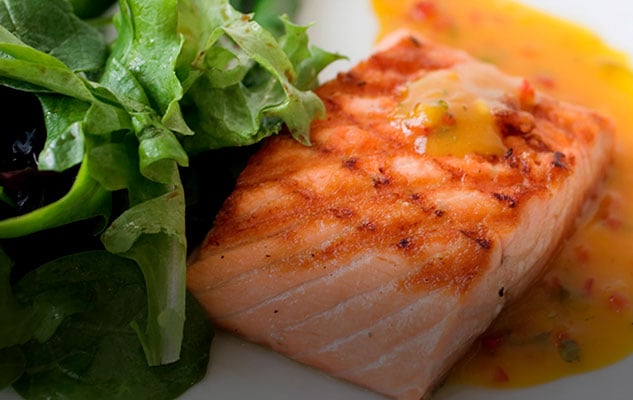
That breadth distinguishes PFG’s mix from a restaurant-only supplier. It still competes with Sysco, US Foods and regional distributors. National buying power and local service are contested territory. Its particular combination of foodservice, convenience and specialty distribution gives it several ways to reach people eating away from home.
02 / A very large business with a small remainder
The model is wholesale distribution: buy products, warehouse them and resell them with service attached. Proprietary Performance Brands add another dimension. PFG develops specifications and works with suppliers to select products, giving operators alternatives to national brands. The expertise is partly culinary and partly logistical: which product fits the menu, and how reliably can it reach the kitchen?
Scale does not abolish friction. Fuel, wages, insurance and warehouse costs all compete for that small remainder. In fiscal 2026, revenue rose 7.2%, while organic case volume grew 2.8%. Acquisitions and inflation helped lift the sales total. Counting dollars alone would miss how much additional food actually moved.
03 / What $2.1 billion bought
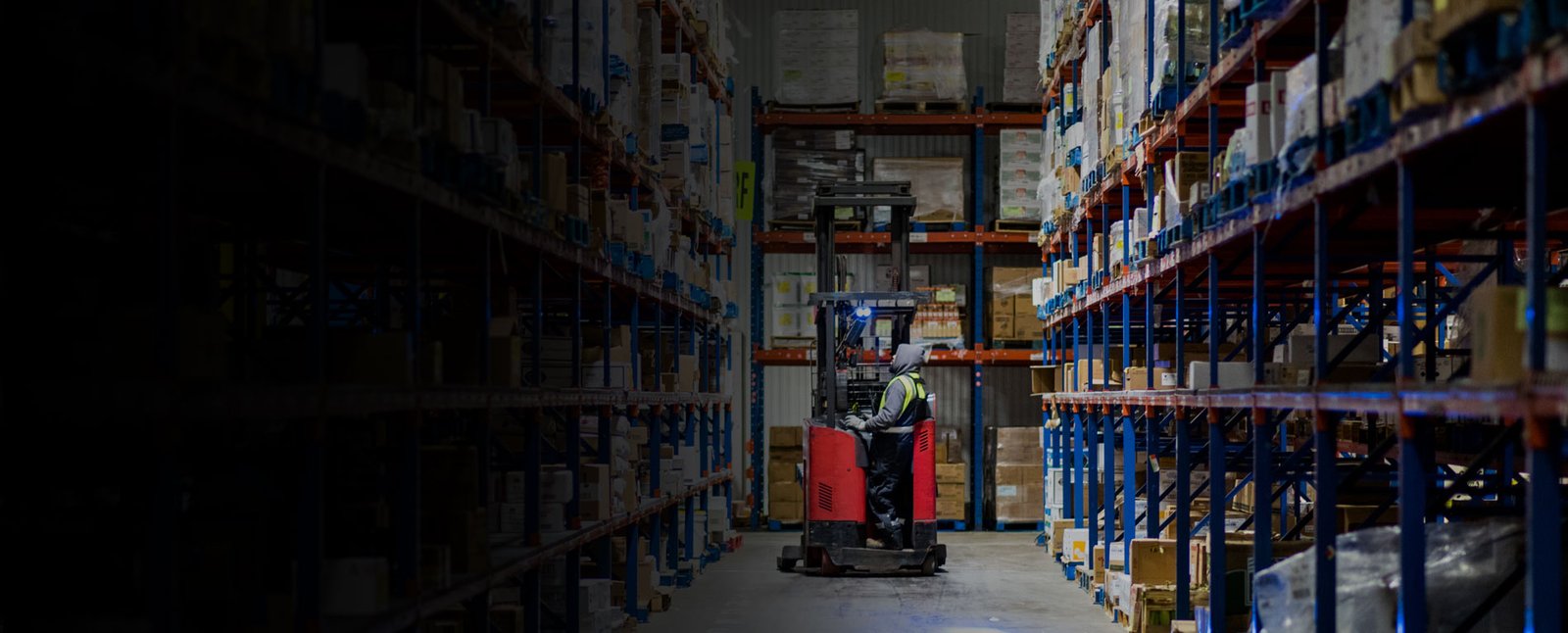
Consider Cheney Brothers. PFG completed the acquisition in October 2024 after announcing a roughly $2.1 billion cash purchase. Cheney brought approximately $3.2 billion in annual revenue, about 3,600 employees and five distribution centers in Florida and North Carolina. Those buildings had something particularly useful: excess capacity.
Unused warehouse space sounds unglamorous. In a growing territory, it is an option on future business. PFG could add customers without immediately building an entirely new distribution footprint. Management also projected $50 million in annual cost savings by the third full fiscal year after closing. That was an expectation, with integration still required.
In a delivery business, spare capacity can be tomorrow’s growth plan.Analysis · The Cheney Brothers deal
The pattern predates Cheney. PFG announced its Core-Mark agreement in 2021 at an approximately $2.5 billion transaction value, including net debt. That expanded its convenience-store presence. The copyable idea is specific: acquire a missing capability or a useful piece of geography. Buying revenue without improving the network offers much less comfort when margins are thin.
04 / First, the customers stopped gathering
The pandemic exposed the vulnerability of serving places where people congregate. Restaurants and theaters lost traffic. PFG’s April 2020 response shows what adaptation looked like in practice: agreements with 23 new retail partners, more than 1,100 associates shared with those partners, and grocery deliveries to approximately 1,000 locations.
The pivot was costly. PFG also reported about 3,000 furloughed or eliminated positions, reduced capital spending and a suspended share-repurchase program. Demand had changed the job its distribution network needed to do. The useful lesson is to identify adjacent buyers who need the assets you already have. It depends on finding demand that can absorb the capacity; a truck alone creates no customer.
05 / The order is only the beginning
For an operator, the practical entry point is the appropriate local business. Performance Foodservice’s CustomerFirst platform brings product search, ordering, delivery tracking, invoices, inventory tools and recipe management together. Its One Source partner program connects restaurants with outside providers for marketing, staffing and operations. These services address the administrative work that follows every purchase.
There are limits to the proposition. A buyer should compare delivered prices, product availability, order requirements and service in the actual location. National scale cannot guarantee a particular route will suit a particular kitchen. Likewise, acquisitions deliver their promised savings only if purchasing, operations and logistics can be brought together successfully.
The same practical test applies to cleaner deliveries. At its Gilroy, California, facility, PFG demonstrated electric trucks, electric trailer refrigeration and charging infrastructure in 2024 with partners including Volvo Trucks, Advanced Energy Machines, FreeWire and GridMarket. Public incentives helped fund vehicles and charging. The idea travels best where routes, charging access and funding fit together. Buying an electric truck is one decision; arranging the power and refrigeration that let it complete its working day is several more.
06 / A new driver, a familiar route
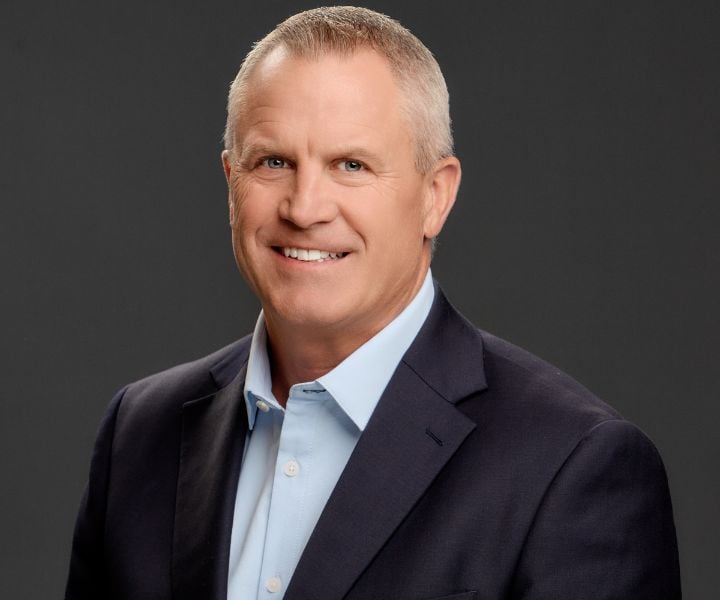
Scott McPherson became CEO in January 2026 after leading Core-Mark and holding broader PFG operating roles. The succession puts a convenience-distribution veteran in charge of the whole network.
PFG’s history stretches back to James Capers selling groceries in Richmond in 1885; the group itself formed in 1987. Much has changed since the grocery peddler. The commercial bargain remains recognizable. Customers will keep buying from the intermediary who makes their own business easier to run. In PFG’s case, earning that next order is a daily exercise, repeated across a very large map.