food-distribution
(10)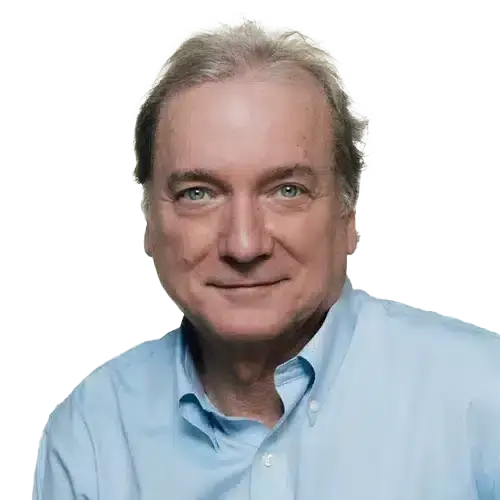
David Bradley Has Spent a Career Making Silos Talk
From turning ibm.com into a $12 billion sales channel to redirecting surplus produce toward families, the r4 executive has built a career around one stubborn idea: useful information should travel farther than the department that owns it.
The Snack Giant Hiding Behind Canada’s Aisles
Johnvince started with one roasting pot and a family bet on bulk food. Fifty years later, its real product is not peanuts - it is the industrial system that gets almost any snack from idea to aisle.

Cream Co. Bet the Farm on the Messy Middle - and Built a Meat Business Chefs Could Trust
Cliff Pollard started with ten cattle, borrowed coolers and no delivery truck. A decade later, Cream Co. is testing whether the least glamorous link in sustainable food - processing and distribution - can become its strongest advantage.
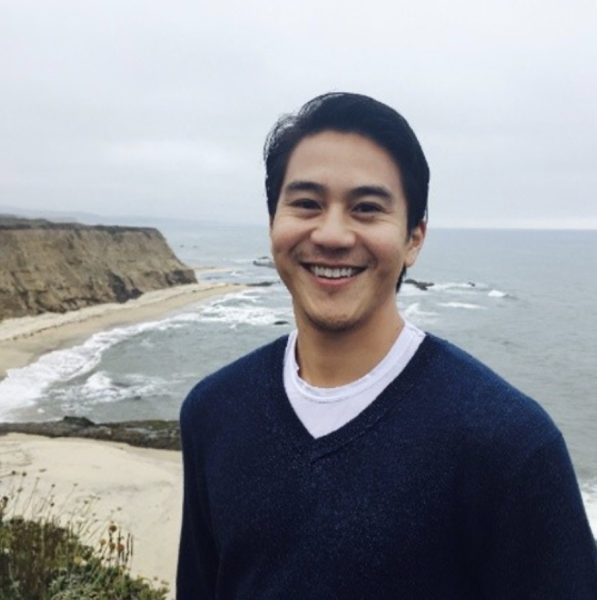
Bowie Cheung Is Teaching the Back Room to Think
After helping turn Uber Eats from an experiment into an everyday habit, Bowie Cheung went upstream. At Pepper, he is building software for the independent distributors who keep restaurants supplied - one voicemail, catalog and paper check at a time.
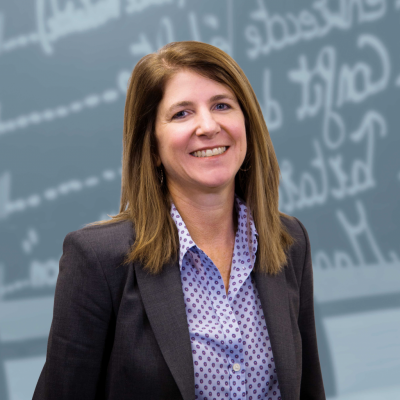
The Marketer Who Sells the Trucks, Not the Cereal Box
She markets a company with no cereal box on the shelf - just 30,000 people, a fleet of trucks, and a promise to show up. Here is how a music major became the voice of a $39 billion foodservice giant.
The 800-Product Machine Bringing Latin Flavor to America's Grocery Aisles
Iberia Foods built a national business around a deceptively difficult promise: put the pantry tastes of Latin America and the Caribbean within reach of U.S. shoppers. Nearly a century in, its moat is the route from heritage brand to grocery shelf.
What Chefs Want!
A one-van produce hustle in Louisville turned into a 16,000-restaurant food-distribution machine by doing the one thing the national giants would not: picking up the phone and asking the chef.
Sekilo
Sekilo is a Jakarta-based B2B company building an AI-powered halal protein supply chain for Indonesia's foodservice industry, starting with poultry. Formerly the quick-commerce grocery startup Dropezy (YC W22), it pivoted in 2023 to process and distribute chicken to caterers, restaurant chains, industrial buyers, and processed-meat factories. Sekilo unifies procurement, processing, cold chain, and delivery into a single asset-light operating layer, handling custom orders from 25kg for small caterers up to 10-20 tons for large buyers.
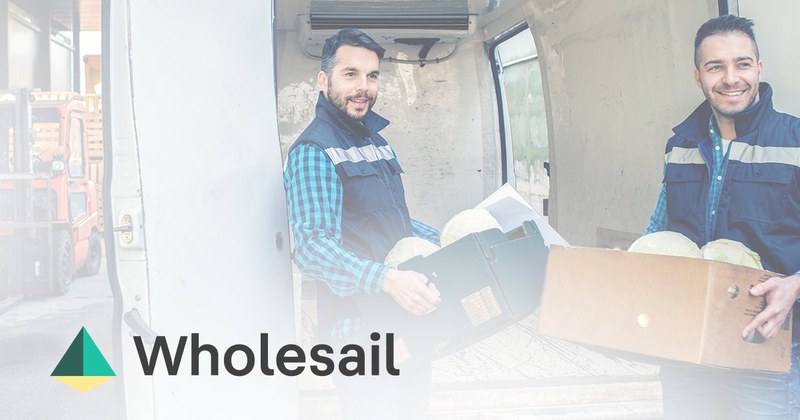
Wholesail
Wholesail is a San Francisco fintech building the accounts receivable platform for the food and beverage supply chain. It helps food and beverage distributors onboard customers, automate collections, manage credit risk, and accept ACH and card payments so they get paid faster while keeping customer relationships intact. Founded by ex-OpenTable product and engineering leaders, the company targets the largely paper-driven, trillion-dollar US food distribution market.

Eli Chait
Eli Chait is the Co-Founder and CEO of Wholesail, a San Francisco-based B2B payment risk management platform modernizing accounts receivable for food and beverage distributors. His origin story is unusually grounded: at age 12, he was entering invoices for his father's restaurant in Los Angeles. That early hands-on encounter with the pain of paper-based B2B trade became the north star for his entire career - from co-founding Copilot (a restaurant analytics startup acquired by OpenTable) to leading Wholesail through a $22.6M Series A. With a team of repeat entrepreneurs forged at OpenTable, Wholesail is building the credit and payments network for the $1+ trillion US food distribution market.