Consider a tomato. Whole, sliced, cooked into sauce, abandoned on a plate: to a restaurant manager, these are different versions of lunch. To a computer looking into a waste bin, they are a classification problem. Orbisk, which builds AI food-waste monitors, needed people to label hundreds of thousands of food images. Sama supplied them. The machine’s education began with someone deciding what dinner looked like after dinner was over.
- The business: managed annotation, validation, and evaluation for enterprise AI.
- The method: software, trained employees, and repeated feedback on difficult cases.
- The tension: a job-creation mission tested by labor disputes and dependence on large clients.
A job at the other end of the course
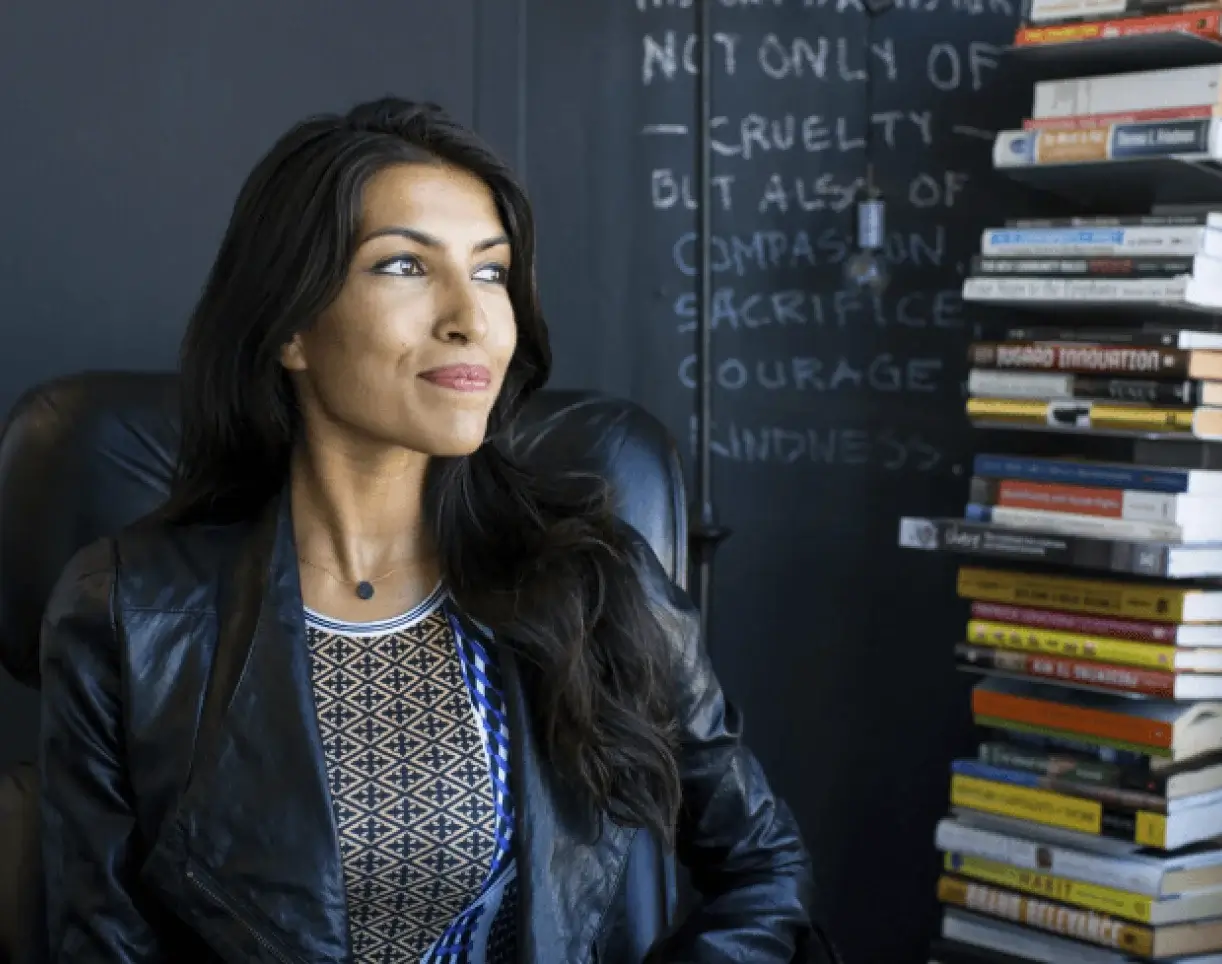
Leila Janah founded Samasource in 2008 around a proposition that sounded almost embarrassingly practical: connect people excluded from formal employment to digital work that companies already needed done. The work could travel across borders without the worker moving. Janah’s founding belief was that “talent is equally distributed, but opportunity is not.”
A randomized evaluation published by MIT researchers in 2021 supplied a useful complication. Participants offered training plus a job referral had almost 40 percent higher earnings and unemployment about 10 percentage points lower than the control group. Training alone initially struggled to produce digital jobs and slightly reduced earnings. The lesson for anyone copying the model is specific: a classroom needs a destination.
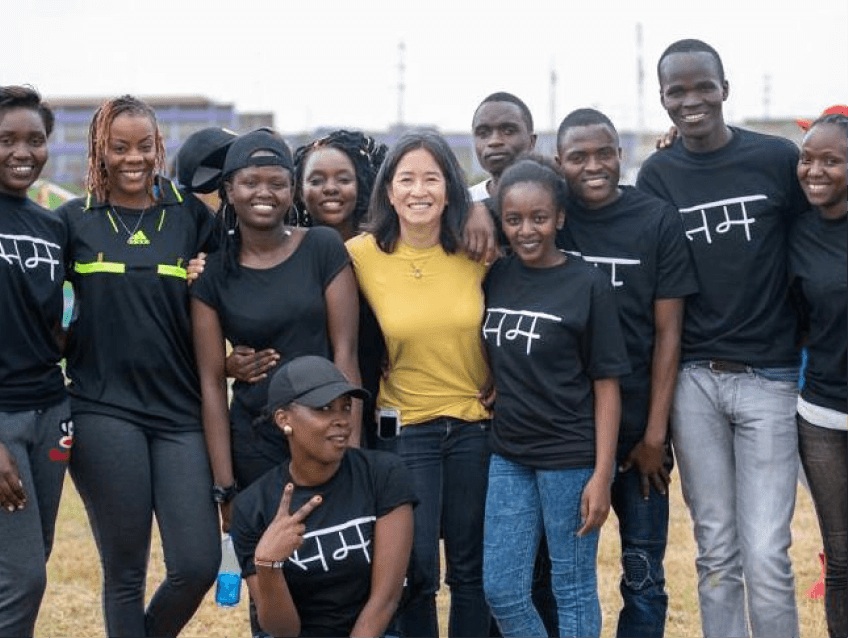
That finding supports an employment intervention in Nairobi. It does not certify every later contract or working condition. Sama’s identity asks readers to hold both questions at once: can this work open a door, and what happens once someone walks through it?
The product is a working relationship
Samasource adopted the Sama brand in 2021. Today its offer spans data annotation, validation, model evaluation, and professional services. Teams label images, track objects through video, and handle three-dimensional data. Generative AI services include assessing instructions, checking responses, and ranking preferences. SamaHub supplies a shared workspace around the work.
The buyers are enterprise AI and data teams. They need consistent examples from which models can learn, plus checks on whether those models behave usefully. Sama combines its platform with a directly managed workforce. The distinction matters when an unusual image requires a conversation with the person doing the labeling.
Walmart offers a less futuristic example than a robot, which makes it especially revealing. Sama assembled product-attribute specialists to classify merchandise and check images and descriptions. Its case study reports coverage of more than 2.5 million items by 2019, with retail item coverage rising from 91 to 98 percent. Better data gives search something better to work with.
Retail item coverage, as reported in Sama’s Walmart case study. Bars run from 0 to 100%; this is not a model-accuracy score.
For Volumental’s mobile foot scanner, the challenge was more physical: inaccurate pixels can become inaccurate measurements. Sama reports an average annotation quality score of 97.84 percent. Across these applications, its expertise lies in turning messy observations into repeatable decisions that a model-building team can use.
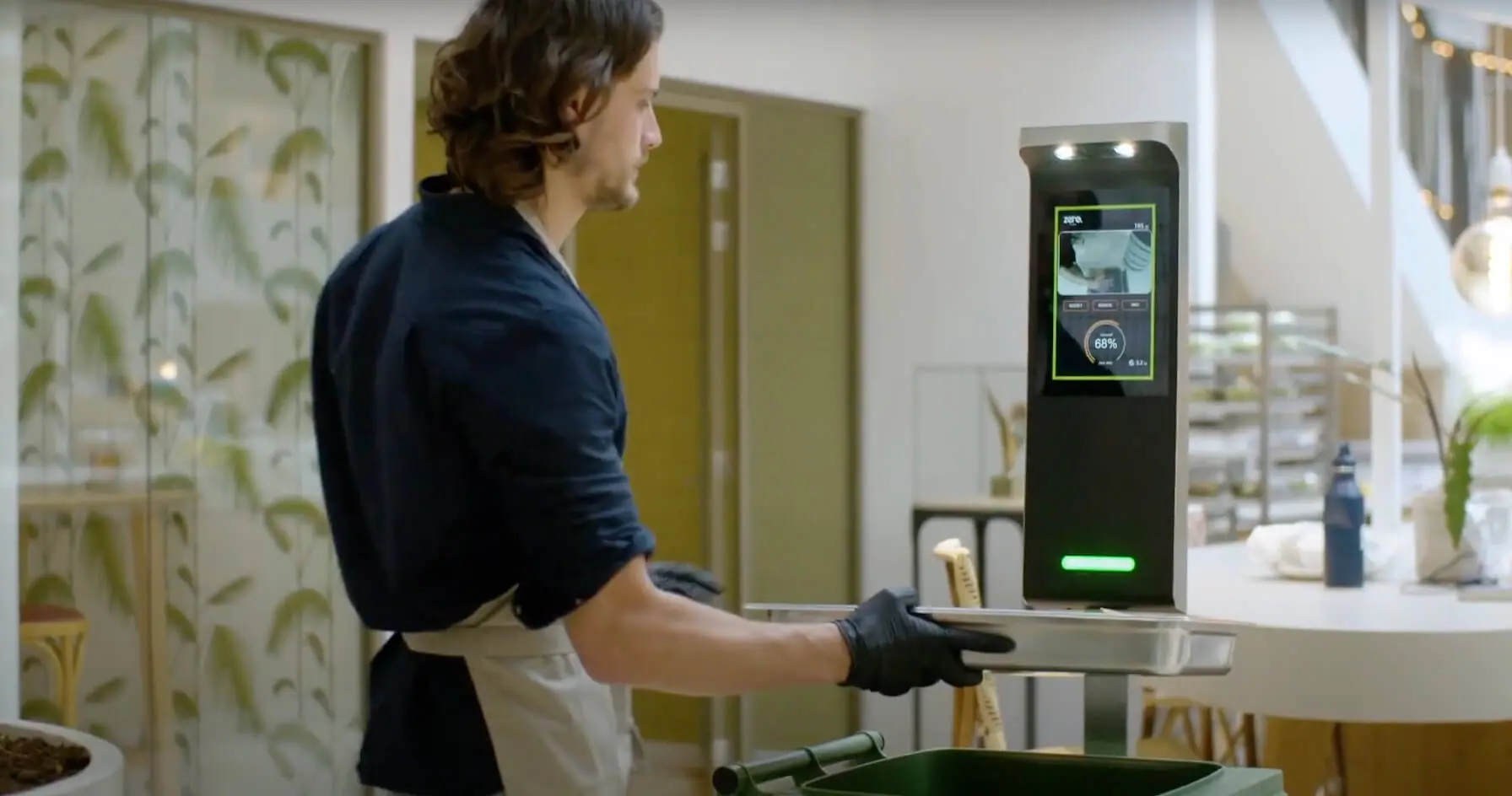
“For outliers and edge cases, we rely on Sama.”
Olaf van der Veen / Orbisk co-founder
Less repetition. More judgment.
Sama sits in the AI data-services market alongside alternatives such as Scale AI and Appen. Human judgment is common ground. Sama’s pitch centers on coordinating its technology and employees as one delivery system. Customers buy managed work and workflow expertise through enterprise engagements; its public website sends prospective buyers to sales.
The financial numbers describe investment in that system: a $14.8 million Series A in 2019, followed by a $70 million Series B led by CDPQ in 2021. They are not customer prices. For a buyer, the meaningful calculation includes annotation, review, integration, and the cost of correcting unsuitable data.
Two 2025 launches show where Sama wants to remove expense. Smart Review adjusts how much annotation gets checked. Company pilots reported review rates around 10 percent while preserving quality scores above 95 percent. Bulk Annotation groups similar items for collective classification. Sama credited worker and customer feedback for identifying the repetitive-work problem.
Those are project results, not universal permissions. A dataset full of near-duplicates invites grouping. A rare error with serious consequences demands a different review calculation. Buying fewer checks only helps when the remaining checks can detect what matters.
The promise meets the payroll
The company dates its first B Corp certification to 2020. Its published values emphasize transparency and humanity alongside delivery and customer outcomes. In its 2024 impact highlights, Sama describes scholarships and mentorship linking senior leaders with emerging talent in Kenya and Uganda. These are part of its stated culture; they also make the experience of the people delivering the service a question customers have reason to ask.
Sama’s social commitments have faced a harder test than an annotation benchmark. Former content moderators alleged inadequate pay and mental-health protection. Sama disputes the claims and describes counseling and formal benefits. It says it completed its exit from content moderation by March 2023 to focus on computer vision.
In April 2026, AP reported that the loss of a major Meta engagement prompted a layoff notice affecting 1,108 workers. This concerned the later business relationship, after moderation had ended. Customer concentration can turn a procurement decision into an employment shock.
Buy the feedback loop
A prospective customer can borrow a concrete habit from these projects: write the labeling rules, surface ambiguous cases, and let the answers improve the next batch. Ask who resolves disagreements, what acceptance means, and how workers can raise concerns. Test the process before expanding the volume.
Sama makes the human decisions inside AI visible. Whether the subject is a shoe, a shopping result, or yesterday’s tomato, somebody still has to decide what counts.