The grocer needed trailers. That was the problem as it first appeared: too few trailers available to carry merchandise from a distribution center to stores. Yet the shortage had an awkward explanation. Some of the capacity was occupied by the things that came back: pallets, milk crates, bakery trays and other remnants of deliveries already made.
- Relogistics runs pallet and container returns for large businesses.
- Its offer combines warehouse crews, operating procedures and tracking.
- The useful question: how much capacity is trapped in your empties?
In Relogistics’ account, the incumbent operator was processing that material too slowly. The grocer rented extra trailers; its yard became more congested. Relogistics began unloading arrivals promptly, added operational reporting and strengthened safety training. It reports $1.5 million in savings at that distribution center. The revealing detail is the sequence: the return operation had failed before the outbound fleet appeared insufficient.
A delivery has a return journey
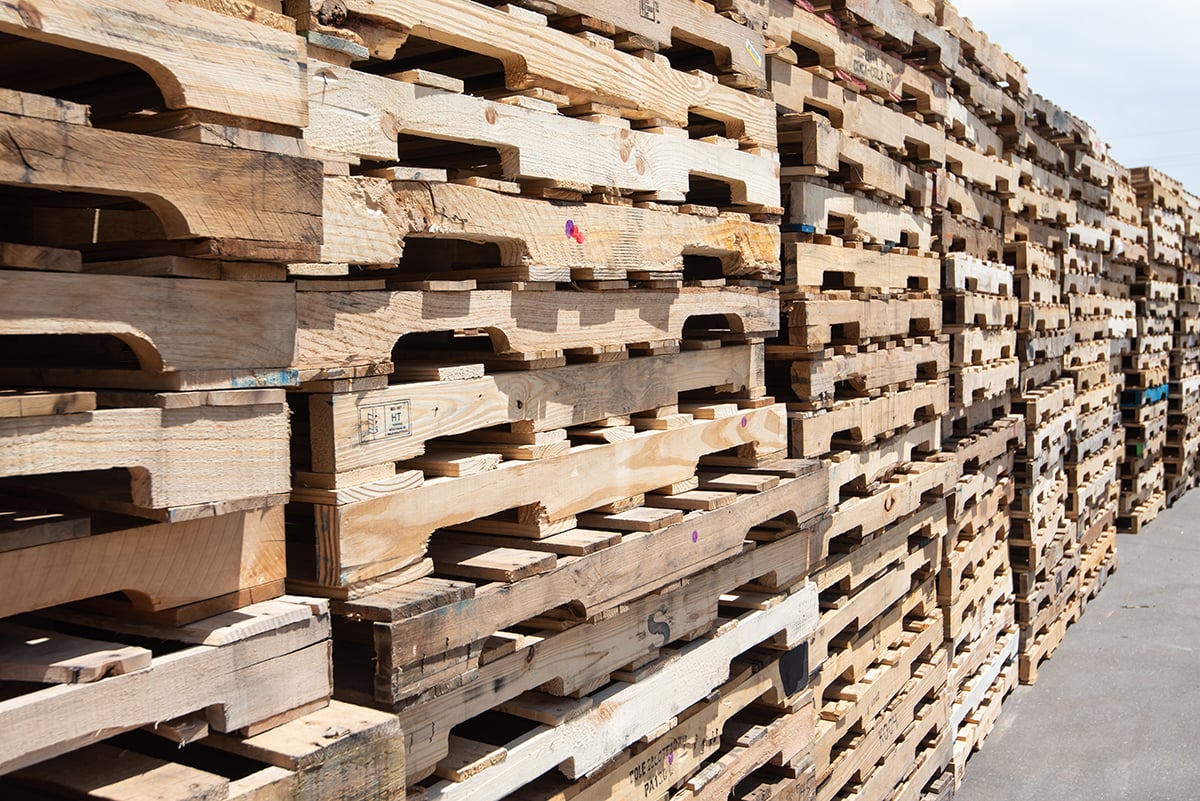
Relogistics Services occupies an easily overlooked stretch of the supply chain. Once merchandise leaves a pallet, somebody must decide whether that pallet can be reused, repaired, sold, recycled or returned to its owner. Multiply those decisions across stores and distribution centers and the supposedly empty end of a delivery becomes an operation of its own.
The company offers Total Pallet Management: supply, pickup, sorting, repair and the handling of pooled pallets. Container services cover reusable plastic containers, totes and return processes. Labor programs extend to unloading, store sweeps and other facility work. Customers can use teams inside their distribution centers or offsite facilities. The proposition is practical: give a specialist responsibility for the material that keeps accumulating behind the main event.
- 01Receive
- 02Count + inspect
- 03Sort + repair
- 04Return to use
A repeatable process for assets that make repeat trips.
The customer list spans retail, food service, e-commerce and manufacturing. Target is a named relationship: in May 2026, Relogistics announced that it had received Target’s Facility Operations Partner of the Year recognition. Much of the more detailed evidence concerns unnamed customers, which makes the operational examples more useful than attempts to guess which supermarket appears in which case study.
The price was right. The count wasn’t.
A second case concerns a wholesale distributor that had selected pallet removal contractors by the price offered for each used pallet, known as a core. That sounds sensible. There is a quantity of wood to sell; find the buyer offering the most money.
Relogistics audited 80 loaded trailers across 12 locations. It says recorded pallet quantities were short by 22%, leaving more than a million pallets uncompensated. The attractive unit price had obscured a basic measurement problem. The customer also faced dispatch difficulties and crowded docks while working with regional providers.
Increase in core pallet revenue reported in the distributor case study.Company-reported customer result; not a general forecast.
The response combined national retrieval, better loading practices and shared records. Relogistics reports a 22% increase in core pallet revenue. That is the finding most worth carrying into another business: compare the final reconciliation with the original quote. A generous price attached to an unreliable count is an unreliable deal.
The software comes with people
Velocity, Relogistics’ proprietary platform, records activity around returnable and recyclable assets. Its purpose is to make movements and discrepancies visible: what arrived, what left and where compensation or losses need attention. In the distributor example, it also supported trailer requests and vendor compliance records.
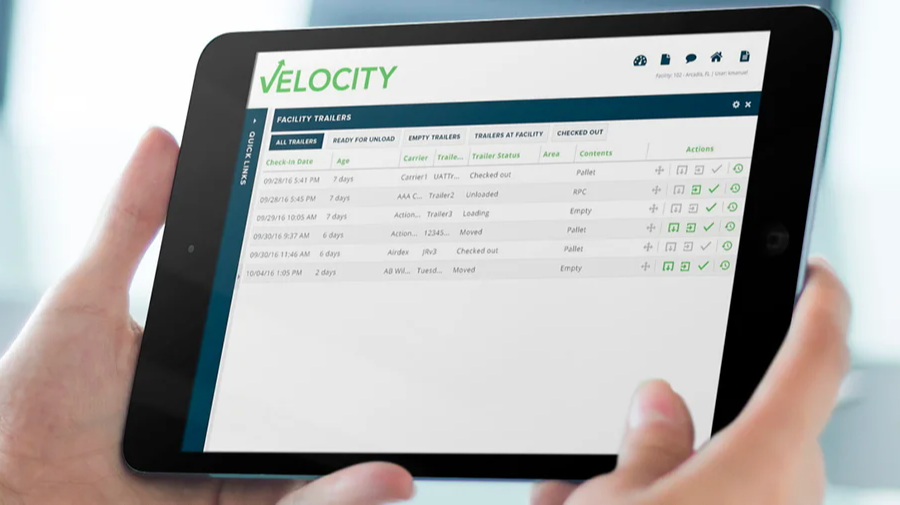
That helps explain the business model. Relogistics sells tailored operating services, supported by software, equipment and labor. A buyer is arranging for work to happen at a particular site, with particular materials and volumes. The software is useful because people are counting and moving the assets it describes.
For procurement teams, the distinction matters. A local recycler may offer a straightforward collection arrangement. Internal staff may handle returns alongside other warehouse duties. Relogistics offers a broader managed operation, with responsibility extending through handling, reporting and reuse. The comparison should cover that whole scope.
The people behind the repeat trip
Mike Hachtman founded Relogistics in 2011 after working in the pallet industry. In 2021, 48forty Solutions acquired the company, bringing its retail service operation together with a substantial pallet recycling business. Hachtman became CEO of the combined organization. The fit was concrete: one business managed the returning assets; the other added recycling capacity and a wider operating network.
“Always Do the Right Thing”
Relogistics’ stated core value
Warehouse services are delivered through routines. Relogistics’ safety page describes two full-time safety managers, unannounced mandatory audits and accountability for results. Those details say more about the job than a cheerful culture slogan: repeatable performance requires supervisors who notice the same hazards on an ordinary shift.
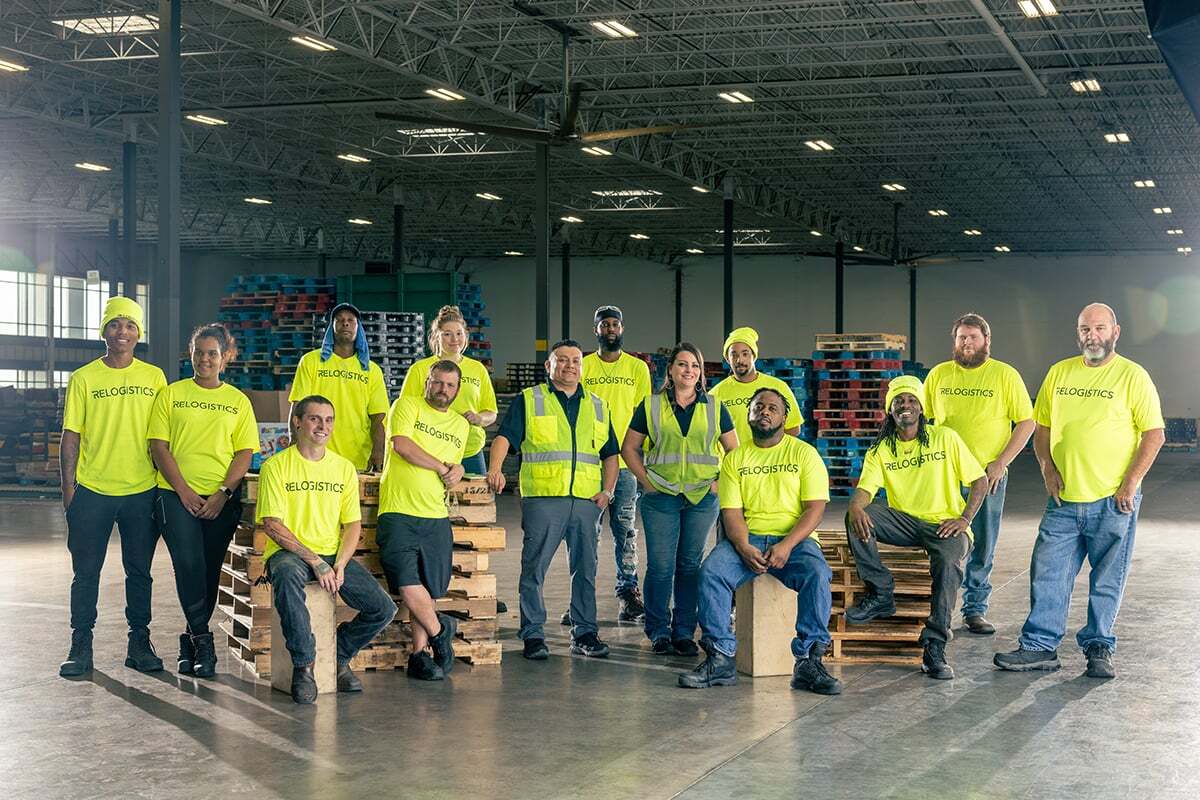
The leadership biographies help explain that emphasis. They describe experience in distribution centers, pallet recycling and reverse logistics, alongside Lean Six Sigma training. That is relevant expertise for an operation where the challenge is often coordination: setting a workable sequence, assigning enough labor and making sure yesterday’s returns do not occupy the space needed for today’s deliveries.
A second set of numbers
Customer efficiency and corporate finances deserve separate attention. In January 2026, parent 48forty announced a restructuring that reduced debt by over 80% and brought $75 million in new capital. Funds and accounts managed by lenders, including Antares and KKR, were to become majority equity holders. Hachtman retired; Tony Brooks was appointed CEO in July. The financing figures describe the parent, rather than a new funding round for Relogistics.
For a prospective customer, the sensible starting point is an audit. Measure trailer dwell time. Reconcile pallet counts. Check which assets can return to service and who owns them. Then compare the proposed fee with recoverable value and freed capacity. Smaller flows, short travel distances or an effective internal crew may leave less room for an outsourced program to earn its keep.
The broader lesson sits at the dock. Packaging can be empty while still consuming space, labor and money. Give its return journey an owner, and the next delivery has a better chance of leaving on time.