Look at a window and the temptation is to look through it. Quanex would benefit from your looking sideways. Between the panes, around the perimeter, sits a spacer. It helps maintain the gap in insulating glass. It also occupies a place where heat can escape. A detail most people never inspect becomes a problem a manufacturer must solve thousands of times.
- Quanex supplies the components inside other companies’ finished products.
- Its offer combines materials, manufacturing and help on the factory floor.
- Tyman expanded its hardware business; demand and execution still determine the return.
The edge earns its keep
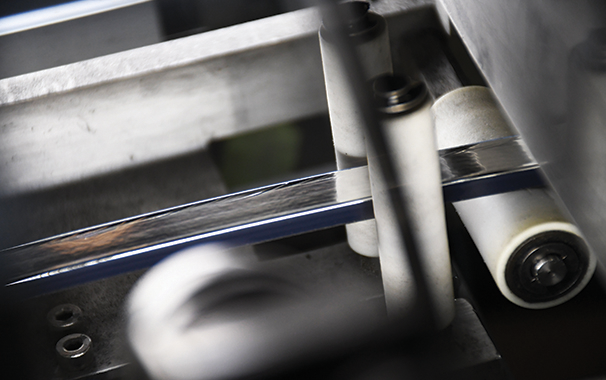
Quanex’s Super Spacer uses foam rather than a conventional metal spacer to limit thermal transfer at the glass edge. That is a material choice with consequences for the whole window. The interesting part, commercially, is what happens next: someone must put the material into a production line, repeatedly, accurately and at an acceptable cost.
Quanex helps with that part, too. Its technical teams support equipment integration and operator training. Its automation offering describes insulating-glass lines capable of more than 1,200 units in an eight-hour shift. That is a stated equipment capability, dependent on the setup, rather than a promise about every customer’s output. The component arrives with an argument about how to make things.
This places the Houston company in a particular industrial neighborhood. It serves the manufacturers behind windows, doors, cabinetry and building access products. Those buyers need thermal performance, workable tolerances, dependable deliveries and components that fit their processes. Quanex earns revenue supplying the parts and systems those businesses turn into finished goods.
The competitive field changes with the part. Quanex’s annual report names hardware suppliers including Assa Abloy, Roto and Hoppe, while its British profile businesses face producers including Veka and Eurocell. Breadth gives customers more buying options within one group. It does not remove the need to compare a particular component’s specification, price and service.
The cabinet meeting
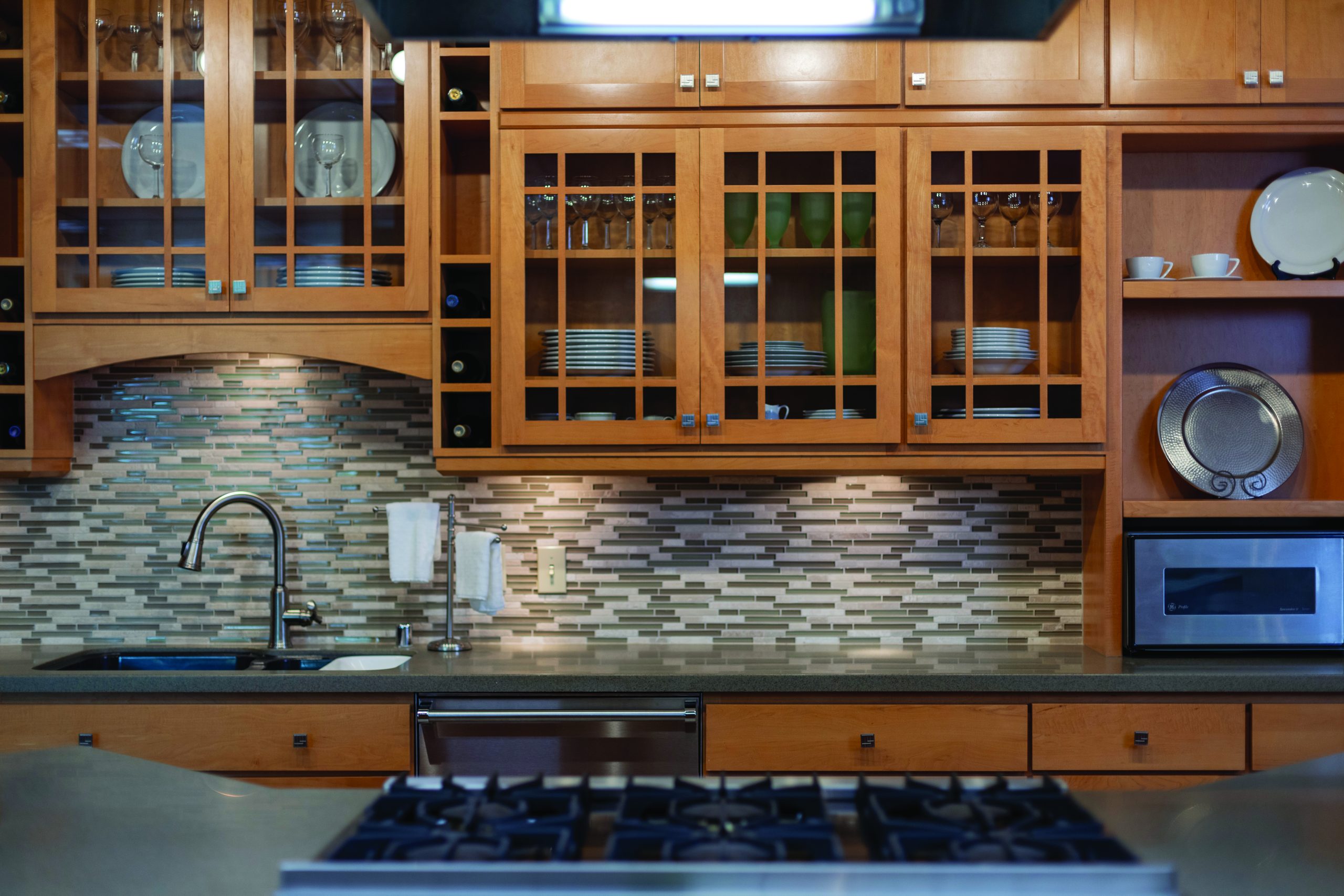
Consider Canyon Creek Cabinet Company. In Quanex’s account of their relationship, the cabinetmaker buys millwork, face-frame components, doors and drawer fronts on a just-in-time basis. Canyon Creek concentrates on finishing and assembly. Quanex takes responsibility for supplying specified pieces. The division of labor is straightforward; making it dependable requires a routine.
Every two weeks, Quanex’s quality and operations people meet Canyon Creek’s supply-chain and production teams. They work on quality and delivery. Quanex also describes helping the customer’s relatively small product-development team turn ideas into components. Here, the supplier’s value includes extra capacity to think through a manufacturing problem.
MITER Brands offers another example. Its published testimonial describes a relationship spanning multiple products and joint problem-solving. The testimony comes from MITER’s Mike Ohline. These are company-published customer accounts, but they reveal the proposition clearly: fewer disconnected conversations between the material, the part and the people running the line.
“Supplier partnerships are critical to our success.”
Mike Ohline / MITER Brands
Buying the rest of the window
Quanex reached this position through a long sequence of portfolio changes. Its predecessor, Michigan Seamless Tube, began in 1927. The Quanex name arrived in 1977. The present building-products company emerged through a 2008 spin-off. Mikron brought window-profile capabilities; Woodcraft and HL Plastics added cabinetry and British profile manufacturing in 2015.
The Tyman acquisition, completed in August 2024, enlarged the hardware and access side. Today, the group organizes its offering around Hardware Solutions, Extruded Solutions and Custom Solutions. The catalogue stretches from locks and hinges to vinyl profiles, wood components and Bilco access products. The common thread is the engineered piece another business needs.
The bill needs careful reading. The announcement put Tyman’s enterprise value at approximately $1.1 billion. An initial completion filing reported $951.7 million in shareholder consideration, split between cash and newly issued Quanex shares. These measure different things. Neither figure is simply the cash taken out of a bank account.
Then the factory gets a vote
The early strain appeared in operations and expectations. In September 2025, Quanex reported hardware-business problems in Mexico, a weaker seasonal demand pickup than anticipated and procurement savings arriving later than expected. It lowered its fiscal outlook. Those were concrete reasons to revise the near-term arithmetic, even while management maintained its longer-term acquisition rationale.
That quarter also brought a $302.3 million non-cash goodwill impairment associated with re-segmenting the business. Management said the charge did not reflect revised long-term expectations. It should be kept separate from the purchase payment. Still, the result makes a useful point: an expanded portfolio does not automatically deliver the earnings its new size suggests.
Up 43.8%, driven by Tyman’s contribution. Growth in reported sales includes the acquired business.
The September 2026 update showed progress on pricing relative to costs. Quarterly sales reached $501.8 million, up 1.3%, and Quanex repaid $42.25 million of debt. Total debt remained $672.2 million at July’s end. Buying additional capabilities creates work that continues well after the transaction closes.
A useful habit to borrow
For a manufacturer, the practical starting point is a specific constraint. A glass fabricator can discuss spacer selection alongside equipment. A cabinetmaker can examine whether purchased components free capacity for finishing. Quanex’s plant-transformation services include process audits, layout advice and screen outsourcing. Each begins with the existing factory rather than an abstract wish to grow.
The same logic appears in wood processing. Quanex joins short hardwood cuttings into longer finger-jointed boards, with lengths up to 24 feet. Residual material gets a second use. It is an unusually tangible example of the company’s expertise: change the process, and a piece with limited usefulness becomes a saleable component.
The transferable lesson is the fortnightly conversation: put the supplier’s quality team beside the customer’s production team and work through actual parts and deliveries. It requires shared information and reliable execution. Where volumes cannot support new equipment, or an in-house operation already performs well, outsourcing may offer less value. Quanex competes with specialist suppliers and with customers doing the work themselves. The overlooked component must keep earning its place.