A dishwasher is an unlikely place to look for the future of an electric utility. Yet Portland General Electric offers its customers a small reward for leaving one alone at the right moment. Wait until a peak-demand event ends to run the dishes, reduce consumption below your household’s calculated baseline, and the company pays a rebate. The machine stays in the kitchen. Some of its demand moves through time.
- PGE combines power plants and wires with batteries and customer flexibility.
- Its 2025 battery announcement covered 475 megawatts across three four-hour facilities.
- The hard questions are cost, oversight and who pays when demand grows.
That small transaction makes a useful introduction to a large company. PGE generates and buys electricity, then transmits, distributes and sells it. Its customers range from apartments to industrial operations. Its expertise stretches from hydroelectric engineering to dispatch, line maintenance and energy markets. The product seems simple because the coordination is largely invisible.
01 The river came first. The clock came next.
On June 3, 1889, PGE’s predecessor sent electricity from Willamette Falls to Portland’s streetlights, fourteen miles away. Engineers had linked a place where power could be produced with a place where it was wanted. More than a century later, the company faces a related problem: linking the hours when energy is available with the hours when customers need it. The original route ran across geography; the newer challenge runs across a schedule.
PGE serves more than 950,000 customer accounts across 51 Oregon cities. Most households encounter it as their assigned local utility, rather than a brand selected from competing wire networks. Pacific Power is a regional peer; eligible business customers also have direct-access supply options. PGE’s distinctive choices lie in how it combines resources within that regulated territory.
Consider Wheatridge, developed with NextEra Energy Resources. Its wind farm began operating in 2020; solar and storage followed in 2022. Wind, sunlight and batteries occupy one project, but perform different jobs. Generation supplies electricity. Storage makes some of that electricity available later. Adding the capacities together without distinguishing those jobs would miss the point.
Nameplate power capacity. Battery MW describes delivery power, not stored energy or continuous generation.
02 A coal plant changes its appointment
PGE has already learned how changing a date can change a business decision. Before Boardman’s retirement agreement, the question was how to keep the coal plant running while meeting pollution rules. Oregon’s Citizens’ Utility Board says PGE contemplated $500 million to $600 million in pollution controls and operation through 2040.
The consumer advocate proposed a different timetable. Commit to closing in 2020, and a shorter remaining life would alter which pollution upgrades were cost-effective. PGE supported the agreement reached in 2010. It closed Boardman on October 15, 2020. This was a negotiated response to regulatory costs, with time allowed to replace the power.
The transferable idea is useful beyond utilities: before upgrading an aging asset, price a shorter life. It depends on having replacement capacity and a workable regulatory agreement. PGE said Boardman would be replaced by a mix of resources and contracts. The economics of the deadline helped change the decision.
03 Four hours, with a bill attached
In August 2025, PGE announced 475 megawatts across three four-hour battery facilities: Seaside, Sundial and Constable. They can shift supply toward peak hours and reduce exposure to expensive short-term purchases. Seaside is owned by PGE; Sundial operates under a twenty-year storage capacity agreement. Ownership and contracting give the company different ways to secure flexibility.
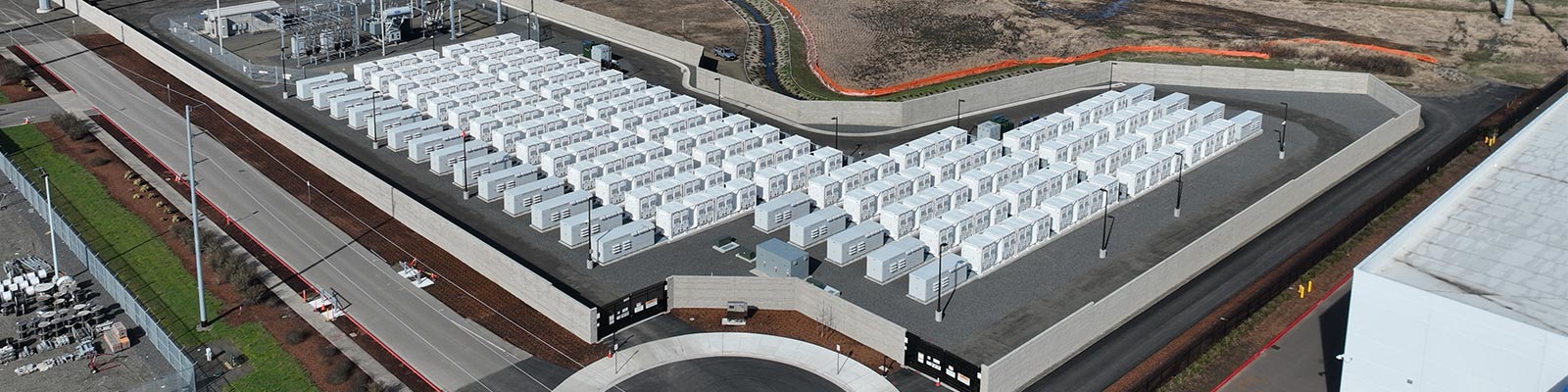
Infrastructure arrives with accounting attached. In its May 2025 Seaside filing, PGE requested a $257 million rate-base increase, net of estimated investment tax credits of $117 million, and an annualized revenue requirement increase of $47 million. These were requested regulatory amounts. Rate base, tax benefits and yearly customer recovery describe different pieces of the financing.
Requested rate-base addition, after estimated tax credits. Read the filing.
The business model explains why those distinctions matter. PGE raises debt and equity to finance infrastructure and seeks recovery of approved costs, including a return, through regulated rates. A battery’s technical usefulness and its affordability are separate questions. Customers experience the result in a monthly bill.
Four-hour storage addresses a limited duration. It cannot by itself cover a prolonged energy shortage or repair a damaged line.
04 The expensive lesson before the batteries
There is a cautionary episode in PGE’s record. In 2020, derivatives positions outside its operating footprint produced $127 million in losses. The SEC later found that internal accounting controls had been deficient before the losses: information about trading was insufficiently documented and conveyed to management and accounting personnel.
“The trades were ill-conceived”PGE’s account of its board committee’s conclusion, December 2020
Oversight had failed before the financial result made the problem obvious. PGE added risk expertise and strengthened reporting, policies and supervision. It said it would not seek recovery from customers. In 2024, it settled the SEC charges without admitting or denying the findings; the agency imposed no civil penalty, citing cooperation and remediation. The controls case belongs alongside the engineering story.

05 Your next load of laundry has options
For households, the accessible version of flexibility is Peak Time Rebates: free enrollment and $1 per kilowatt-hour reduced below an event baseline. PGE reports that pilot participants averaged $2 to $3 per event. Savings vary. A household already using little electricity has less room to reduce it.
Eligible smart thermostats can automate adjustments, with customers retaining override control. Green Future offers optional renewable support, including certificate matching; it does not route a separate stream of electrons to a particular house. Customers can choose the program that fits their equipment, budget and routine.
The next test involves bigger customers. In July 2026, PGE reported new large-load pricing that increased data-center and other new large-load prices by approximately 30% on average while lowering rates for others. Its proposed $1.9 billion Washington acquisition also remained under regulatory review. A growing grid needs decisions about allocation as well as capacity. The dishwasher is a small participant in that argument. It does, however, have excellent timing.
Put the clock to work
Explore PGE’s website, thermostat rewards and Green Future options. Follow project and business updates in the newsroom and investor hub.