At PDQ, a chicken-tender chain, a ten-dollar reward came with a small complication. How many visits should a guest have to make to earn it? Ask too little of a regular and the restaurant pays for business it was already going to get. Ask too much of an occasional customer and the invitation becomes homework.
- Paytronix connects rewards, orders, messaging, and guest history for restaurants and convenience stores.
- Its useful trick is making an offer depend on what a guest already does.
- The commercial test is another profitable visit, measured against what would have happened anyway.
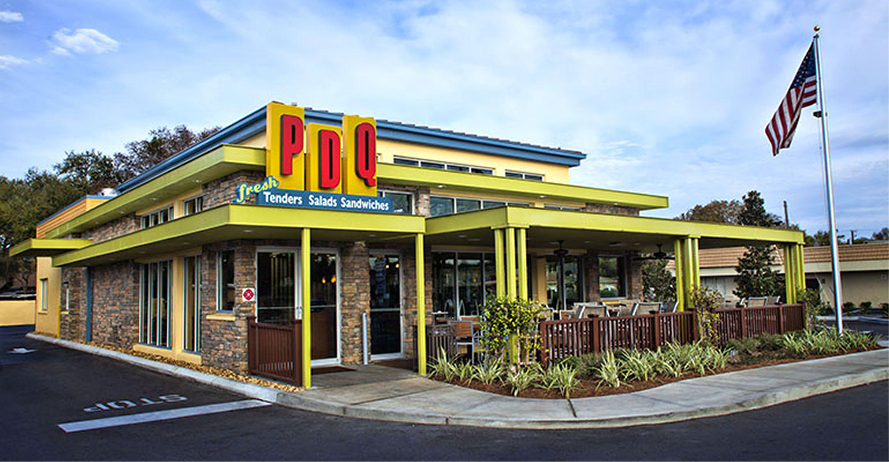
PDQ’s answer was to divide loyalty members into three groups by visit history. Each group received a $10 discount for reaching a threshold slightly above its usual frequency. Same reward, different hurdle. Paytronix, the software and analytics provider behind the campaign, reports a 15.5% lift in spending. The number deserves attention. So does the less glamorous detail that produced it: the restaurant remembered who was being asked.
The $10 question
Paytronix occupies the space between a meal and the decision to return for another one. It supplies cloud software for loyalty programs, online ordering, gift cards, branded apps, payments, and guest messaging. Its customers are the operators; their diners and shoppers are the people whose transactions make the system useful.
The PDQ case is an unusually clear demonstration. The chain had more than 350,000 loyalty members when the published case study described its challenge. Keeping an experience personal at that scale required more than a cheerful email. Paytronix’s Strategy & Analytics team helped translate visit patterns into campaigns with different jobs: encourage another visit, recover a fading relationship, or thank a particularly enthusiastic customer.
That distinction matters. A guest who comes less often than before is sending a different signal from someone who has disappeared. PDQ’s winback program separated members into “slowing down,” “lapsing,” and “lapsed” groups and gave them different offers. The case study reports a 23% spending lift for that program. These are company-published campaign results, not promises about what another restaurant will earn.
PDQ’s visit challenge paired a $10 reward with thresholds tailored to prior frequency.
When everyone got the same invitation
A useful comparison comes from Smashburger. Before its rewards relaunch, guests received the same messaging and rewards. Afterwards, the brand used preferences and behavior to decide what to send. Its published case study describes a veggie-burger promotion aimed at guests who did not usually buy beef. Personalization, in this instance, meant remembering that a person might prefer vegetables.
There were other small experiments: an offer to frequent fries buyers if they tried a new menu item, incentives for online ordering, and campaigns to bring back disengaged members. The point was to connect something already known about the guest with a plausible next action. The restaurant did not have to begin every conversation with the commercial equivalent of “Dear Occupant.”
“We want to make their experience very personal.”Lexi Ryan, Smashburger Loyalty Manager
Paytronix’s 2021 announcement reported a 16% lift in visits and a 20% lift in spending from Smashburger’s personalized campaigns. Those two measures belong beside each other. More visits are useful; more revenue per campaign is useful too. Neither, by itself, tells an operator how much profit remains after rewards, food, software, and the work of running the program.
A memory that reaches the register
The idea sounds simple until it reaches the restaurant’s equipment. A reward created by marketing must be recognized at checkout. An app order must arrive with the right modifiers. A guest should not have to explain to a cashier that the phone and the register are conducting separate relationships.
This is where Paytronix’s position becomes more distinctive. It offers a connected hospitality suite with an integration network, rather than requiring an operator to assemble every guest-facing function separately. The company says it serves more than 1,800 brands across over 50,000 locations globally. Its public customer roster includes Peet’s Coffee, Dutch Bros, Qdoba, Nando’s, and Five Guys, alongside convenience-store businesses.
- 01 / RecognizeConnect the guest to a transaction.
- 02 / DecideUse visit history to choose an offer.
- 03 / DeliverSend it through email, SMS, or an app.
- 04 / MeasureCheck visits, redemption, and spending.
The products cover different parts of the exchange. Loyalty handles enrollment and rewards. Ordering connects menus, pickup, delivery, and customer information. Gift-card tools manage physical and digital stored value, while branded apps put orders and benefits within reach of a thumb. Analytics services help teams set goals, interpret patterns, and run campaigns. Employee dining and comp programs are part of the portfolio too - a reminder that restaurant transactions are not all retail purchases.
The business model is B2B software with implementation and service options. Buyers assemble a scope around their locations, modules, integrations, and support needs. A useful proposal therefore includes both the software and the work needed to make it usable. The face value of PDQ’s disclosed discount was $10; that figure says nothing about PDQ’s subscription bill.
Alternatives include specialist loyalty platforms such as PAR Punchh and loyalty tools supplied by a POS vendor, such as Toast. The buyer’s choice turns on the job. A simpler program may fit a native POS tool. A chain coordinating ordering, differentiated campaigns, stored value, and several systems has more reasons to investigate a broader platform. Paytronix’s integration relationships include POS and delivery companies, which also makes the market less tidy than a list of competitors suggests.
Ordering arrived before the emergency
Andrew Robbins and Matt d’Arbeloff founded Paytronix in 2001. Its first institutional investment, announced in January 2018, was $65 million from Great Hill Partners. In August 2019, it bought Open Dining and expanded into order and delivery software. Robbins said customers had been asking for ordering that could use Paytronix’s guest intelligence. The expansion answered an operational request.
Then the pandemic changed what restaurants needed from their digital tools. In April 2020, Paytronix announced another $10 million in financing, including expanded bank credit. It described rapid-launch ordering that could get a simple service running within two weeks, plus curbside pickup, group ordering, and touchless capabilities. Dining-room business had been disrupted; an invitation to return was of limited use without a workable way to order.
The company changed its own spending too. Robbins’s April 2020 update described cost cuts and the cancellation of travel, trade shows, and the user conference. That is the practical history behind the product expansion: capital, a purchased ordering business, customer demand, and an abrupt change in where meals were eaten.
The dashboard catches up with the dinner
The Access Group acquired Paytronix on November 1, 2024. Paytronix retained its name and joined Access Hospitality, alongside software businesses covering other parts of the guest experience. The acquisition made the existing argument for connection larger: ordering and loyalty could sit within a portfolio that also included reservations, guest WiFi, and in-venue ordering technology.
Product changes have followed. Journey Builder, released in October 2025, lets marketers create visual campaigns that branch according to guest behavior and elapsed time. A December 2025 Deliverect partnership connects ordering management with Paytronix’s guest-engagement tools. Both moves address the same inconvenience: a marketing team has limited time to make separate systems behave like one business.
In September 2026, Paytronix launched Messaging within Access Evo. The release brings email, SMS, and push campaigns into a guided workflow with testing and a dashboard showing visit rate, redemption rate, and average spending alongside opens and clicks. Advanced Messaging adds behavior-based journeys and progressive incentives. Further AI-assisted content and personalization capabilities were described as plans for 2027 and beyond.
The reporting change is the revealing one. An opened message is evidence that someone opened a message. A visit is closer to the restaurant’s purpose. Connecting the two does not settle every question of causation, but it gives a marketer a better question to ask on Monday morning.
Copy the question before buying the software
The transferable lesson is to start with behavior. Decide which guests you hope to move, what additional action would count, and what reward the margin can support. PDQ’s challenge used past frequency to set the hurdle. Smashburger used purchase preferences to choose the invitation. Neither principle requires a restaurant to begin with the most elaborate campaign it can imagine.
The conditions matter. Weak guest identification makes targeting unreliable. A reward that cannot be redeemed cleanly creates work for staff and frustration for customers. A discount offered to people who would have come anyway can improve redemption figures while eroding profit. Campaign results should be compared with an appropriate baseline or control group, and assessed after the incentive costs.
For a convenience store, the extra action might be a food purchase after fueling. For a restaurant, it might be another visit this month. Paytronix supplies tools to recognize those opportunities and act on them. The operator still has to serve something worth returning for. Even a database with an excellent memory cannot improve a cold lunch.
Follow the next visit
Explore the Paytronix platform, request a product demonstration, browse customer stories, or watch the Paytronix video channel.