Imagine a pallet of replacement parts arriving a day late. Nothing about the pallet has changed. Everything about its usefulness may have. A repair waits; an appointment slips; someone starts making apologetic telephone calls. The customer bought transportation, but what the customer needed was a Tuesday.
Old Dominion Freight Line makes its living in that gap. The company reported 99% on-time service in 2025 while handling roughly 11.1 million less-than-truckload shipments. Its proposition has an unfashionable elegance: your freight should arrive with so little drama that you forget who moved it.
- Shared space: businesses buy part of a trailer through Old Dominion’s integrated LTL network.
- Paid-for predictability: careful handling, dependable transit and shipment visibility underpin its pricing.
- A costly commitment: OD spent $415 million on capital projects in 2025, even as annual revenue declined.
01 / The pallet with roommates
LTL means less-than-truckload. Several customers’ shipments travel together, passing through service centers that collect, sort and dispatch freight. It solves an awkward problem for a manufacturer or distributor: too much cargo for an ordinary parcel, too little to justify renting an entire trailer.
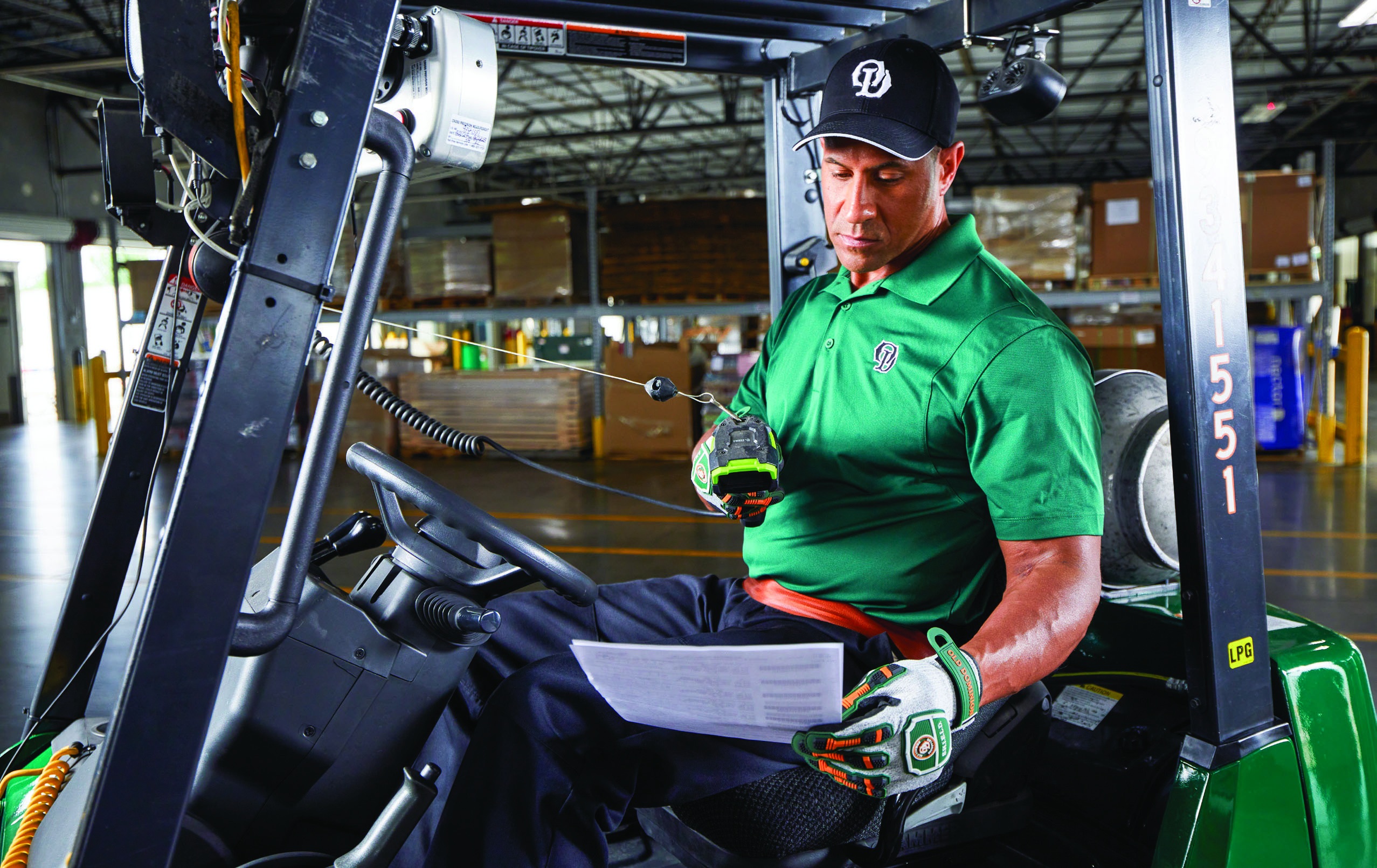
The difficulty is choreography. Sharing a truck saves money; unloading and reloading create opportunities for delay and damage. Old Dominion runs domestic LTL through one integrated organization. Its linehaul operation uses twin 28-foot trailers, allowing freight to travel with fewer handling events. Managers review each service center’s productivity and service performance daily.
For the shipper, the useful tools are concrete: request a rate, check transit times, schedule pickup, create a bill of lading and track the shipment. Freight APIs connect those tasks to a company’s own systems. The expertise sits where software meets forklifts: planning loads, dispatching trailers and keeping information attached to the goods.
02 / One truck, then a different map
Earl and Lillian Congdon founded Old Dominion in 1934 with a single truck running between Richmond and Norfolk. The American Trucking Hall of Fame records a wonderfully vulnerable first cargo: crated eggs. When Earl died in 1950, Lillian became president, joined by their sons. The origin story has two founders, and one of them kept it going.
Industry deregulation in 1980 widened the possibilities. Old Dominion expanded geographically, went public in 1991 and focused on building LTL density through a super-regional model. Density matters because a scheduled departure becomes more economical when more paying freight fits aboard it. By the end of 2025, OD operated 260 service centers, owning 240.
Its alternatives include XPO, FedEx Freight, Estes, Saia and ABF. These companies also move shared freight; the category itself is no invention. OD’s distinction is the emphasis it places on consistent service, supported by its network, training and pricing discipline. A shipper should still compare performance on the actual lane being bought.
03 / The price of fewer surprises
CEO Marty Freeman describes the strategy as “superior service at a fair price.” Fair is doing considerable work there. Old Dominion is selling a service proposition rather than promising the lowest invoice. For a retailer facing a delivery window, or a manufacturer waiting for components, reliability can be worth more than a discount.
“Superior service at a fair price.”Marty Freeman, president and CEO
The bill depends on shipment weight, dimensions, freight class, route and required services. Fuel surcharges and accessorial charges add separate layers. A liftgate, residential delivery, appointment or oversized article can change the total. Supply accurate measurements, including pallet and packaging weight, before requesting an estimate. An inexpensive quote is rather less charming after it is corrected.
Domestic LTL remains the engine: it generated about 99% of 2025 revenue. Expedited services handle tighter deadlines, including guaranteed options and retail Must Arrive By Date requirements. OD also offers specialized freight, truckload brokerage, container drayage and international forwarding through alliances. The menu stretches beyond its owned domestic network.
04 / When the trucks get quieter
Reliability does not abolish the freight cycle. In 2025, daily LTL tonnage fell 8.8%; annual revenue declined 5.5% to $5.50 billion. Fixed overhead became harder to absorb. The annual report described more than 35% excess capacity in the real estate network. Spare room can accommodate tomorrow’s customers, but it still costs money today.
By the second quarter of 2026, revenue rose 10.4%, although daily tonnage still fell 4.1%. Revenue per hundredweight increased 15.2%, or 5.5% excluding fuel surcharges. Read those figures together: this recovery included richer revenue per unit of freight, not simply fuller trucks. Equipment-disposal gains also helped the operating result.
Management’s July capital plan called for about $380 million in 2026 spending across property, equipment, technology and other assets. In September, OD announced a 4.9% general rate increase under specified tariffs, effective October 5. Individual customer effects vary. The cost of maintaining the promise eventually arrives on someone’s invoice.
05 / Borrow the measurement habit
The transferable idea is to count the failures customers remember, then fund the work that reduces them. Old Dominion couples service measures with daily operational reviews and employee cross-training. Its stated values spell PROMISES, an unusually literal mnemonic for people moving other people’s commitments.
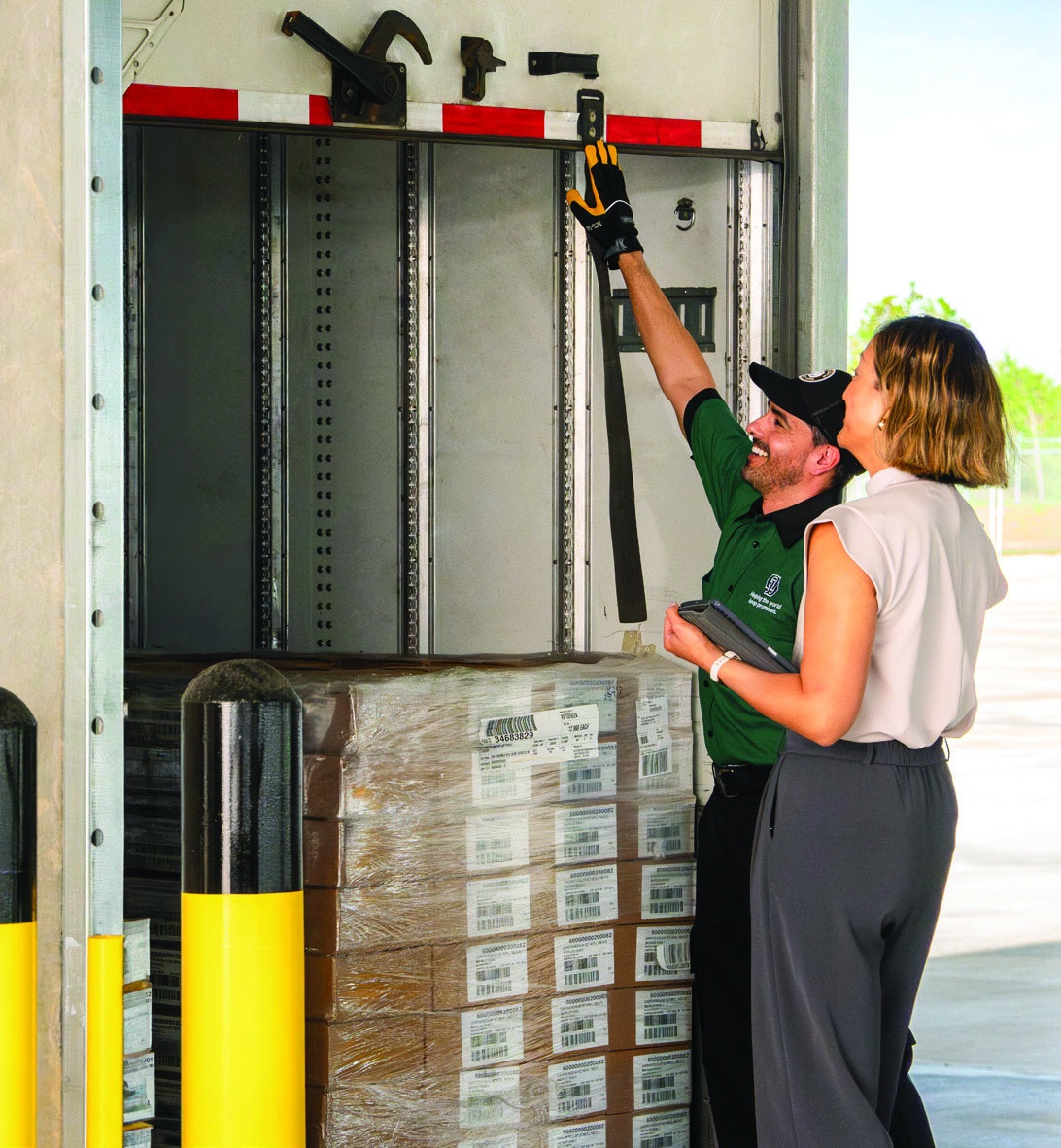
For buyers, compare total delivered cost: transport, extra services and the consequences of delay or damage. Confirm lane-specific transit, packaging requirements and liability terms. The reported 99% on-time figure is an aggregate measure, not a personal guarantee. If deadlines are loose and price dominates, paying for premium LTL may offer little benefit. A shipment filling a trailer may warrant truckload instead.
The attractive part of Old Dominion is its refusal to make ordinary freight seem magical. It takes buildings, trained people, measurement and money to make a Tuesday dependable. The pallet does not applaud. The customer simply gets back to work.