At ODTÜ TEKNOKENT’s game-development centre, progress has a wonderfully unromantic name: the Pit Stop. Each month, teams show what they have made, compare it with their plans and explain what comes next. A playable demonstration is on the agenda. So are the things that got in the way. For anyone accustomed to startup pitches that exist mostly in the future tense, this is a refreshing place to begin.
- A university technology park connecting research with companies and customers.
- Specialist support spans games, defence, software and health technology.
- The bargain includes fees, research requirements and work you must demonstrate.
ODTÜ TEKNOKENT, also called METU Technopolis, operates in Ankara around Middle East Technical University. Its published figures report more than 450 companies across three campuses, employing more than 10,000 people. Those people work for the park’s companies; the figure describes the community rather than the payroll of its management company.
The company before the buildings
The sequence matters. Work on the technopark began in the late 1980s, with World Bank-supported feasibility studies examining examples abroad. The management company was established in December 1990. In 1992, METU and KOSGEB opened TEKMER, a technology incubator. The university’s official account says its successful results encouraged the larger science-park project.
The first building, İkizler, opened in 2000. Its name means Twins. A year later, Turkey’s Technology Development Zones Law supplied a legal framework and incentives. Institutional preparation, an incubation experiment, a building, then legislation: the ingredients arrived over years. Calling this merely a property development misses the order in which the place became possible.
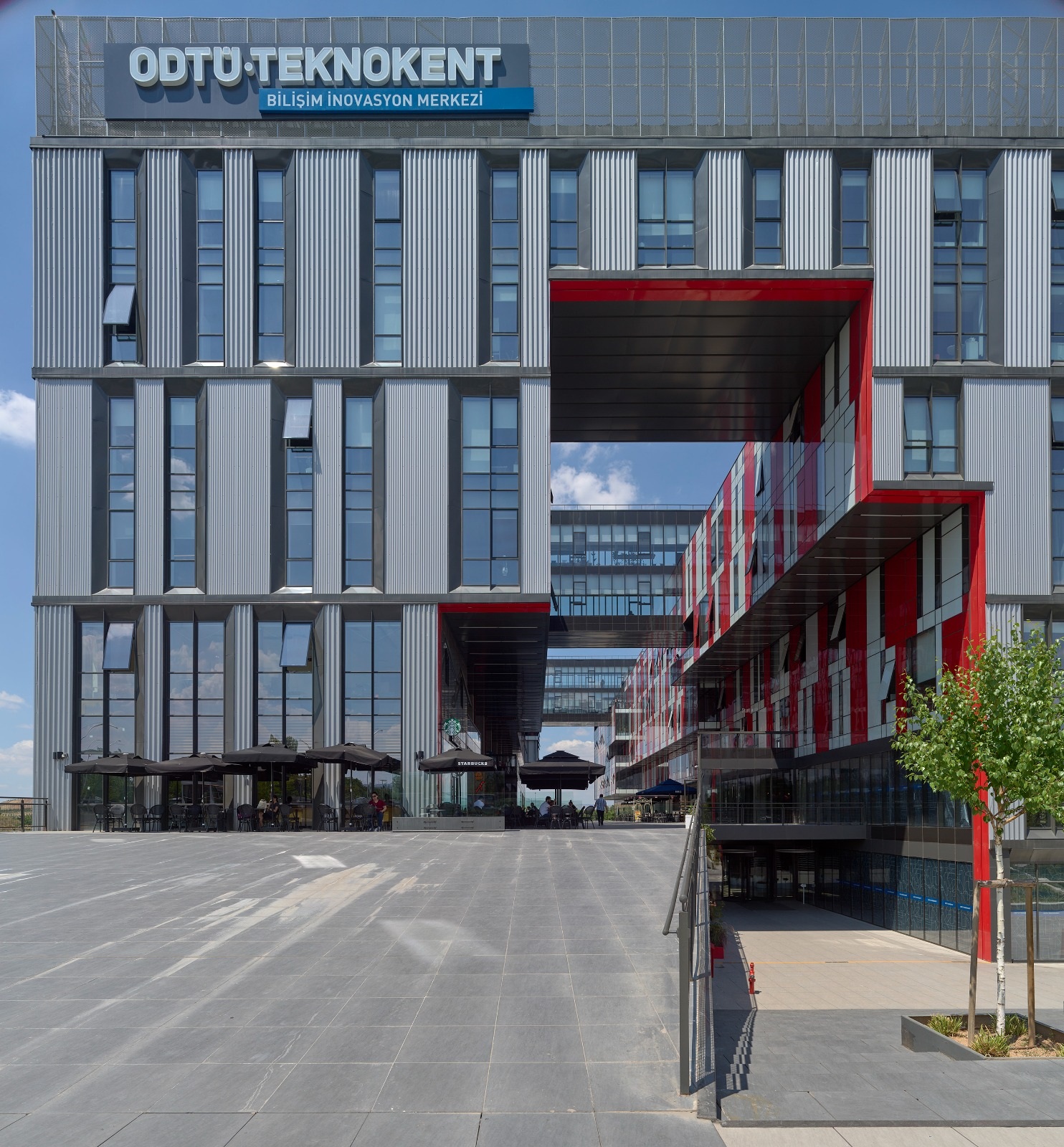
Today, the operator supplies R&D premises and organizes services around them. A student team may need help becoming a company. An academic may need a route from a patent to a customer. An established engineering business may need a research collaborator. These are different customers, and the park has built different doors for them.
A university needs a translator
Consider the gap between having useful knowledge and selling something made from it. Somebody must establish ownership, negotiate agreements and arrange the commercial relationship. METU’s Technology Transfer Office supports this work, with ODTÜ TEKNOKENT handling financial and managerial processes around academic commercialization. The service addresses paperwork as well as invention.
An institutional presentation from 2024 reports more than 2,000 joint R&D projects between the university and park companies, with more than 700 academics matched with industry. These are institutional counts, rather than an independent measure of commercial success. Still, they describe repeated contact across a boundary that universities and businesses often struggle to cross.
The sector networks add another layer. Defence-oriented firms formed TSSK in 2010; ICT clustering followed in 2014, and health-technology clustering began in 2016. Official materials identify ASELSAN, HAVELSAN and TAI R&D departments within SATGEB, the defence research centre. For a specialist supplier, proximity to an industrial research team can be more useful than another general networking evening.
That combination gives the park its particular place among university technology zones: a research base alongside specialist industrial networks. Bilkent CYBERPARK, Hacettepe Teknokent and İTÜ ARI Teknokent are alternative environments. A founder’s useful comparison is which location offers the expertise and relationships their project requires.
Bring something we can play
ATOM, established in 2008, applies the same principle to games and animation. Its current pre-incubation rules make participation concrete: at least 100 production hours per team member each month, 60% office usage, technical learning and regular playtests. The program can run for up to 18 months.
Monthly Pit Stops review production, technical development, milestones and commercial readiness. The format gives a team a reason to expose unfinished work. My reading of the mechanism is simple: a missed milestone becomes visible early enough for someone to help, and a promising idea has to survive being played.
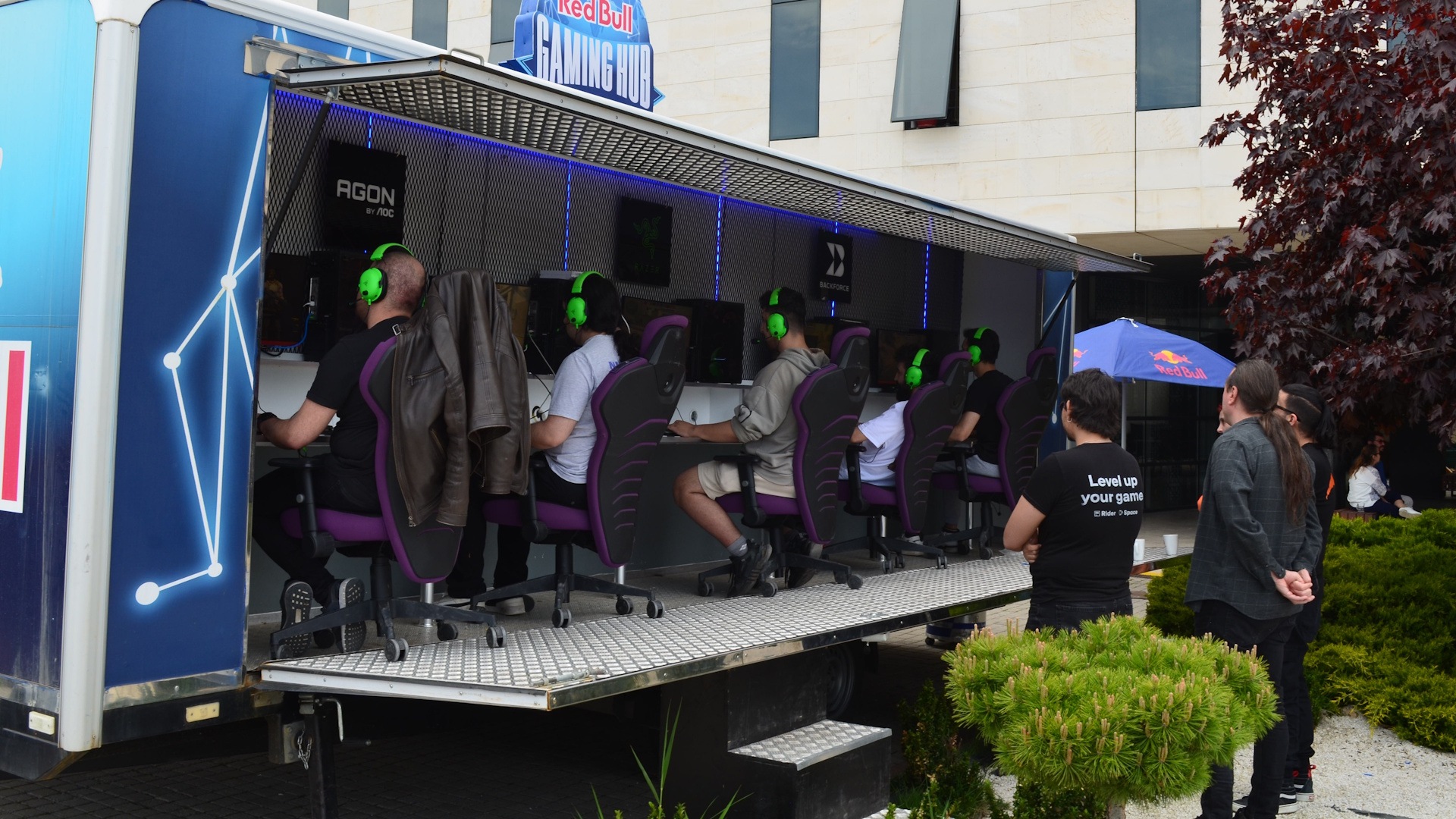
There is an outward route, too. ATOM reports taking four ventures to gamescom 2026 with Ankara Development Agency collaboration. An exhibition appearance does not establish sales. It does put locally developed work in front of an international industry, which is precisely the next conversation many small studios need.
The bill, and the bargain
The park’s published application FAQ lists a standard fee of TRY 6,000 plus 20% VAT. Incubation companies under two years old are exempt; older incubation applicants pay TRY 2,250 plus VAT. These are application charges, checked in October 2026. Tenants also pay rent and operating costs, with office utilities and data connections treated separately.
Admission involves a project evaluation. Using sophisticated technology is insufficient: applicants must undertake software development or R&D, or demonstrate the capacity for it. University collaboration is expected. Mass production is excluded, although prototypes and limited production connected to R&D are allowed. A conventional factory or a business seeking only an attractive address would have little reason to choose this arrangement.
Five conversations before the pitch
The current Growth Circuit program, continuing the YFYİ initiative begun in 2005, makes the customer problem explicit. Its 2026 offer asks teams to complete at least five customer interviews, test pricing and gather evidence of willingness to pay. Founders outside METU can apply; incorporation is not required. The commitment is 20 hours a week.
“From knowledge to technology, from technology to economic value, from economic value back to science.”
METU70 Ventures / stated investment model
Capital is another connection. METU70 Ventures, established with Maxis as the legal fund founder and manager, links investment opportunities with the university network and aims to return value to science. It is a separate investment vehicle, so its ambitions should not be read as the park operator’s revenue.
For readers building a smaller program, the transferable practices are affordable in principle: introduce a relevant expert, schedule a demonstration and ask what a customer said. Reproducing the surrounding university, facilities and industrial relationships is a longer undertaking. The Pit Stop is easy to name. Giving a founder useful people to meet there takes work.