In February 2012, a founder could walk into a Cairo Angels pitch session and get fifteen minutes in front of investors. The evening had a rhythm: presentations, questions, dinner, more presentations. There was something reassuringly ordinary about the arrangement. An unfamiliar business became a person across the room. An investor could ask a question before deciding whether to reach for a chequebook.
Acasia grew out of that room. Founded as Cairo Angels in 2011 by Aly El Shalakany and Hossam Allam, it began with a problem of access. Founders needed people willing to back young businesses. Investors needed a way to encounter founders beyond their existing circles. Bringing them together was a useful first invention. Over time, the work around the introduction became a business of its own.
- Acasia operates startup programs with corporate and development partners.
- DarE supports construction-related technology; REEFS supports businesses that benefit coral reefs.
- Sultan Ventures owns Acasia Group. Acasia Ventures is separate.
A room full of investors is a beginning
The early difficulty was getting people comfortable enough to act. In a contemporary interview, Allam described investors gradually making small bets outside familiar industries. Training helped. So did repeated exposure to businesses. The useful unit of progress was a decision, rather than a crowded room.
That distinction became unusually literal. Reporting from a December 2012 pitch evening described potential investors being asked to leave the group because they attended for prestige without seriously intending to invest. An angel network could accumulate impressive names and still disappoint founders. Membership needed to mean something.
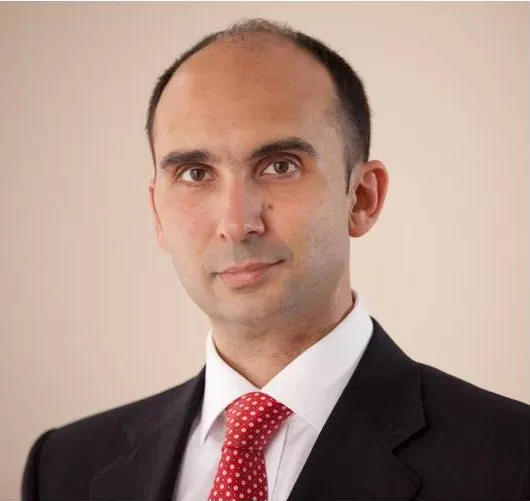
“There were too few of us trying to do too much.”
Acasia’s account of its early years
Acasia’s own history describes a shift after investments began producing returns: the organisation started asking what else it could do. Programs, partnerships and events followed. That is its account of what changed its thinking. The constraint became clearer in Allam’s 2020 explanation of a proposed syndicate fund: angels had day jobs, and assessing an opportunity properly took time. Organising capital required organising the work behind it.
When the introduction became the product
In December 2022, Cairo Angels announced the Acasia name and three businesses: Angels, Impact and Ventures. Each addressed a different part of the founder’s journey. Angels brought investors together. Impact built programs and events. Ventures handled venture investment. The tree imagery in the new identity made the expansion rather easy to picture.
Acasia announced offices in Dubai and Lagos in 2023. Dubai’s DIFC offered a base for regional connections; Lagos brought the organisation closer to founders and stakeholders in Nigeria. The underlying proposition was local familiarity combined with connections elsewhere. A founder entering a new market needs people who can explain how that market actually works.
For institutional partners, Acasia offers a different service: operating the machinery of entrepreneurship support. A corporation or development organisation can have a clear problem to solve while needing help building a program around founders. Acasia supplies that operating layer. Public announcements name collaborators including EG Bank, the World Bank and Dar. The commercial contract terms remain private.
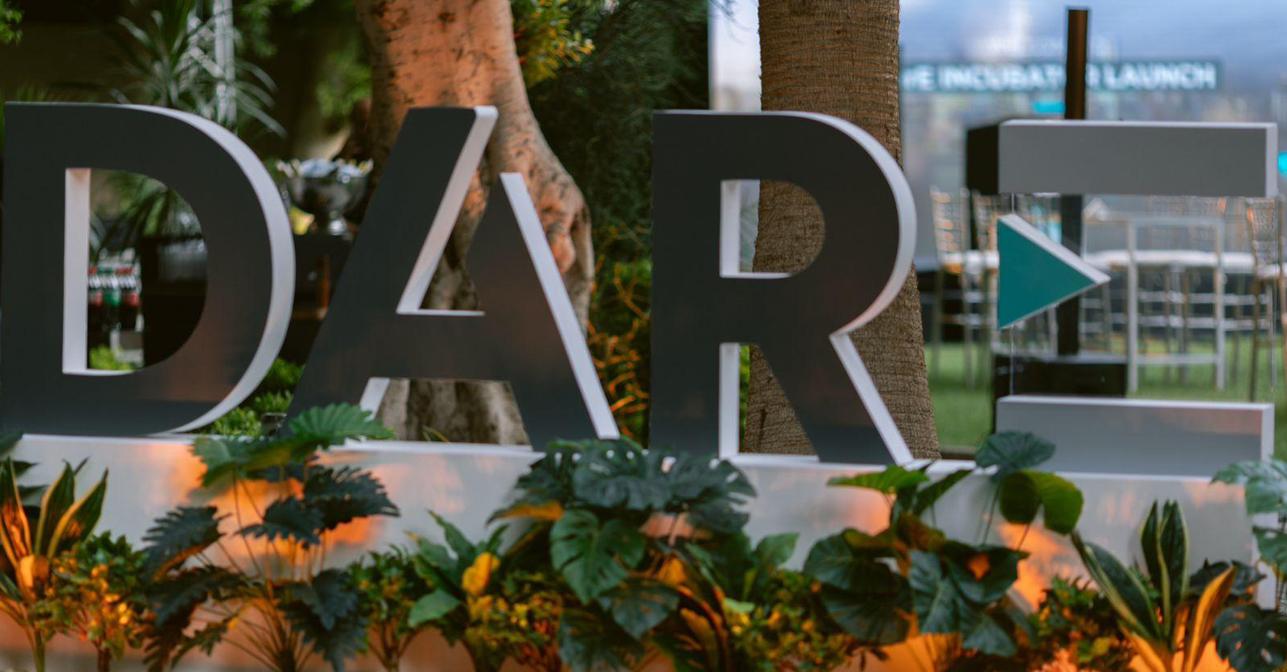
A construction startup needs construction people
DarE makes the proposition concrete. Launched in September 2023 by Dar Ventures and operated by Acasia, the incubator targeted architecture, engineering and construction technology. Its launch offer combined a six-month program with up to $50,000 in equity-free funding, mentorship, training and networking.
The division of labour matters. Dar Ventures is the venture arm of engineering consultancy Dar Al-Handasah. Acasia operates the incubator. An industry partner brings a different perspective from a general startup mentor: it understands the environments in which a proposed tool must earn its place. For founders, that can make feedback considerably more useful.
The funding deserves a careful read. DarE’s second-cohort listing described structured grant disbursement and an investment call option exercisable by Dar Ventures within a year of the program’s start. Equity-free grant funding and later investment rights can coexist. Applicants should inspect their cohort’s agreement, eligibility and obligations before counting the advertised maximum as cash in hand.
The program also had a specific entry point: its second-cohort listing sought an MVP, at least two founders and domain expertise. Someone with only an idea, or a business outside AEC, would need a different route. Broad regional alternatives include accelerators, university incubators and direct angel networks. The right comparison is the obstacle each can remove.
For a founder choosing between these routes, the useful questions are concrete. Who will review the product? Which introductions can the operator make? Does the schedule fit the team’s development cycle? A grant can extend runway, but a program also asks for attention. The fit depends on whether its experts, partners and practical support address the work the company needs to finish next.
A new owner, a separate fund
In September 2024, Sultan Ventures acquired Acasia Group. The transaction price was undisclosed. The strategic argument joined Acasia’s regional experience with the US firm’s venture-development and accelerator experience, including its XLR8 initiatives.
There is a consequential detail beneath the familiar name: Acasia Ventures was excluded. A separation agreement left that investment firm owned by Aly El Shalakany and led by El Shalakany and Biola Alabi as general partners. Its portfolio belongs to a separate organisation. For a founder seeking backing, choosing the right door starts with understanding that boundary.
The next room has a reef outside
By September 2026, Acasia’s operating work had reached the Red Sea. UNDP announced REEFS, delivered by Acasia under the Egyptian Red Sea Initiative. The offer included three months of incubation, specialised mentorship, scientific validation and potential grants up to $20,000 for selected Egyptian ventures benefiting coral reefs. Its first application deadline was October 15, 2026.
The practical lesson is to design support around a real dependency. A reef-related business may need scientific evidence alongside customers. A construction startup needs industry knowledge. Acasia’s evolution suggests a useful discipline for anyone building a founder community: identify the next decision, bring in the people qualified to help, and give them work to do.
Follow the work
Acasia website ↗ LinkedIn ↗ Instagram ↗ Facebook ↗ Company news ↗ REEFS program announcement ↗