A pH sensor is an unlikely place to look for the future of venture capital. It sits in water, measures acidity and asks its owner for maintenance. Put it at a fish farm, however, and its little inconveniences become business problems. Somebody has to retrieve it, check it and trust what it says. A clever invention earns its keep only when those chores become easier.
That is the territory Hatch Blue has chosen. The Ireland-headquartered firm invests in aquaculture and seafood technology, advises institutions and businesses, and runs programs for founders. Its proposition is unusually grounded: know the farms, understand the science and help the two get along. The pitch deck is welcome. So is evidence that the equipment works.
The firm’s current investment figures put its assets under management at €118 million, with more than 80 investments and three exits. Those numbers describe an investment operation that has grown well beyond its original accelerator. They also set up the central question: can specialist knowledge turn a collection of promising inventions into businesses that endure?
Total assets under management reported by Hatch Blue. Capital managed for investors, not company revenue.
A bigger check after demo day
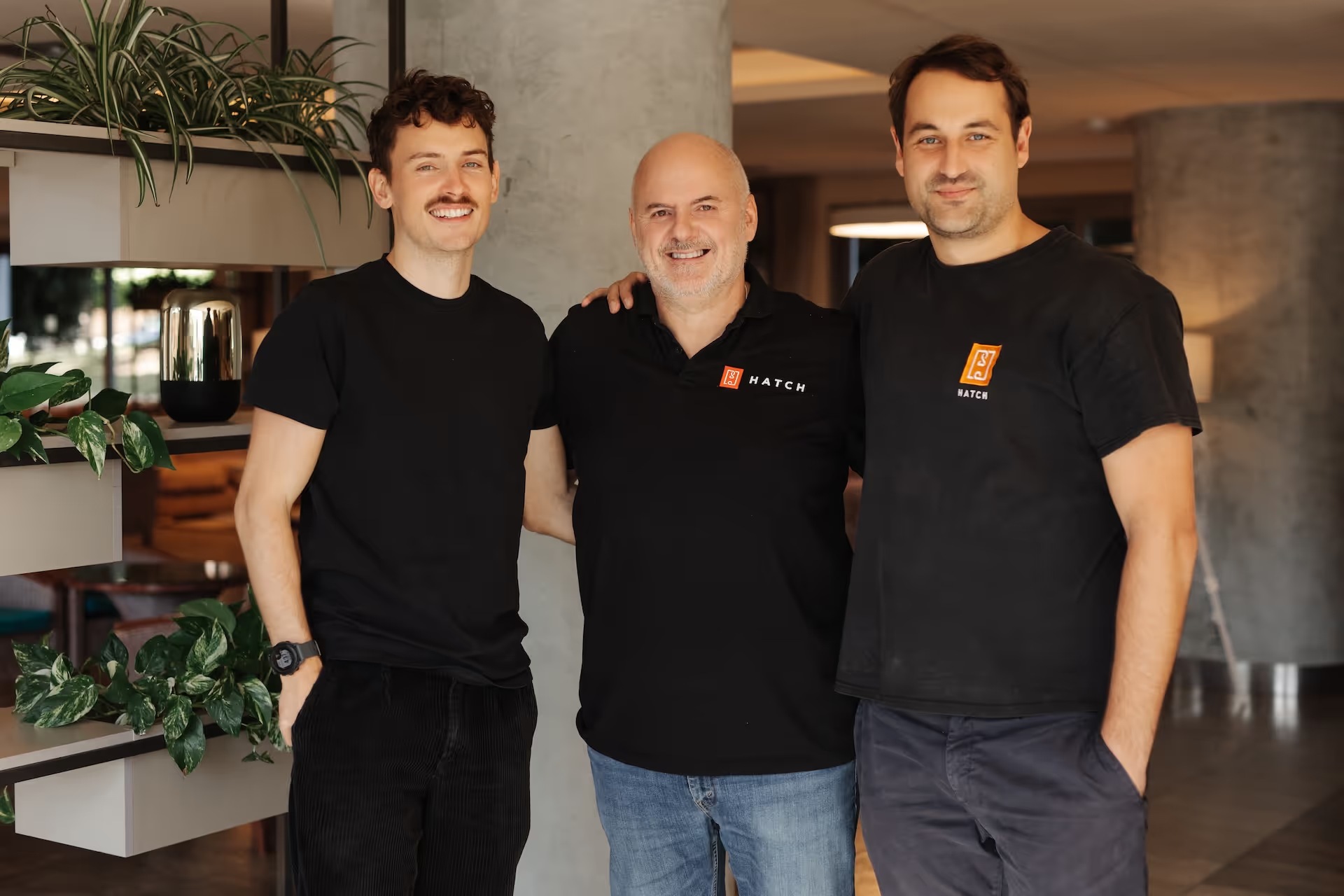
Carsten Krome, Georg Baunach and Wayne Murphy conceived Hatch Blue in late 2017 and launched their first accelerator in Bergen in early 2018. Their backgrounds made for a useful combination: aquaculture nutrition, biotechnology and business development. The early bet was that seafood entrepreneurs needed help from people who understood the industry’s particular demands.
Programs followed in Ireland and Hawaii. A consulting unit emerged in 2020 as relationships with accelerator sponsors turned into commissioned work. Then came a larger financing instrument, the Blue Revolution Fund, designed to reach companies beyond the accelerator stage. In Hatch Blue’s account of its development, the expansion answered a need for seed and Series A capital.
There was a lesson in selection, too. An early interview published by Aqua-Spark describes the need to look harder at a young business’s ability to grow. A sound small enterprise might remain a sound small enterprise. For a venture investor counting on substantial growth, that distinction matters before the check clears.
The practical takeaway is useful beyond seafood: decide what kind of capital the business can justify. A specialist fund can make an introduction or improve a financing plan. It cannot make every local operation suitable for venture returns. Founders save themselves considerable trouble by having that conversation early.
The first version met the real world
Consider ANB Sensors, a Hatch Blue portfolio company. Its technology addresses the repetitive calibration involved in measuring water acidity. For remote aquaculture sites, even a routine maintenance task can involve a boat trip and a sensor’s journey back to a laboratory. Removing that work is a comprehensible proposition for a customer with a farm to run.
Yet Hatch’s case study describes an awkward commercial start. ANB brought its technology to market in 2023, but the first generation lacked features needed for different industrial uses. The underlying science had not finished the product-development job. ANB launched a second generation in April 2026; Hatch reports dozens of large-scale trials and says it is helping with industry connections and an operating partner.
The lesson is refreshingly specific. Test the entire job a customer must perform, including maintenance and deployment. A laboratory result cannot tell you whether a device fits a buyer’s working day. Trials are a necessary step toward adoption, and they should be read as trials rather than booked sales.
2023First commercial generation
The frictionFeatures needed for specific industries
April 2026Second generation; trials follow
Oxygen, introductions and a €2 million bet
ChucaoTech offers another view of the portfolio. The Irish-Chilean company supplies nanobubble oxygenation technology. Hatch’s case study records €2 million invested in a February 2024 seed round, with support intended to connect the business to distributors and salmon farmers beyond Chile.
Here, the problem is as basic as the need to keep production supplied with oxygen. Hatch’s investment account points to the difficulties conventional oxygen-transfer equipment can encounter when pushed beyond capacity. The attraction is equipment that can help operators address that constraint. Whether a particular installation delivers the expected benefit remains a question for its design and operating conditions.
Hatch’s commercial contribution is also concrete. A distributor introduction can put equipment in front of a buyer who already trusts the channel. For founders, this suggests a better request than a vague appeal for mentorship: identify the trial partner, distributor or customer that would move the business forward, then ask who can reach them.
Some customers need a decision, not an investment
Hatch’s advisory clients buy a different kind of help. Its consulting practice serves corporations, investors, governments and NGOs across market assessment, strategy, technology, intellectual property and sustainability. The work concerns choices already familiar to an operating business: what to build, where to sell and whether the economics deserve another look.
For the World Bank Group, Hatch examined ten emerging markets for seaweed, including agricultural inputs, pet food and materials. The assignment looked beyond established uses to assess opportunities and barriers. Seaweed’s appeal as a raw material is only a starting point; somebody still needs a reason to purchase the resulting product.
In a separate engagement, an unnamed private equity client asked Hatch to assess a proposed Southeast Asian recirculating salmon facility with planned annual output of 10,000 tons. The due diligence included premium Japanese seafood demand and pet-food uses for by-products. The offcuts had a place in the financial model. Hatch says the work refined strategy and cost projections; the case describes an investment assessment, not a completed farm.
Follow the money to the right pocket
Hatch Blue brings together several relationships that are easy to confuse. Institutions commit money to its funds. Consulting customers commission projects. Partners support venture programs. Founders may receive investment through one route and participate without giving up equity through another. A fund commitment should never be mistaken for Hatch Blue’s own sales.
The Blue Revolution Fund’s current page lists €92 million and a September 2024 final close. Its remit spans seed to Series A across farming systems, nutrition, health, genetics and seafood alternatives. The European Investment Fund announced a €20 million commitment in March 2024, backed by InvestEU.
At the earlier end, Hatch Accelerator Fund II lists $13.9 million and $75,000 initial investments. Its accelerator-linked approach gives founders a different entry point from the larger fund. Terms belong to the specific vehicle and offer; a headline number is no substitute for understanding the instrument.
Then, in February 2026, Builders Vision took a strategic minority stake in Hatch Blue’s holding company. The longtime partner was investing in the firm behind the funds. Hatch said the capital would support its operations, talent and portfolio-management capabilities. That is a different bet from buying a stake in a single fish-farming startup.
Put the environmental promise in the incentive
The Blue Revolution Fund adds a consequential condition to its economics: Hatch says 50% of carried interest is contingent on fund-level impact targets. Carried interest is the manager’s participation in investment profits. Tying part of that reward to impact gives the environmental brief a place in the compensation structure.
The Nature Conservancy independently monitors and verifies impact data. Targets include avoided emissions, coastal jobs and nitrogen removal. These are objectives to be pursued, not a list of benefits already delivered. The arrangement is more interesting when read as an accountability mechanism than as a victory announcement.
A STATED PRINCIPLE“Be honest and realistic”
Hatch Blue’s approach to impact
That modest instruction belongs in an ambitious business. Hatch’s stated approach accepts incremental improvements alongside larger changes and acknowledges that impact work may not produce visible results. The investor’s job is to keep the evidence attached to the promise as companies grow.
The network has to work locally
Venture programs supply another form of access. The 2026 Atlantic Canada Aquaculture Studio advertises nine months of support, including two intensive weeks in person, with participation and travel covered and no equity required. It offers investor exposure rather than an automatic investment. Oceans Advance is the delivery partner.
In Maine, Bigelow Laboratory announced a blue biotechnology studio in March 2026, organized with Hatch and supported by Maine Technology Institute. The cohort’s work ranges across algae, aquaculture health, biomaterials and marine circularity. Scientists and industry connections are part of the setting in which those businesses develop.
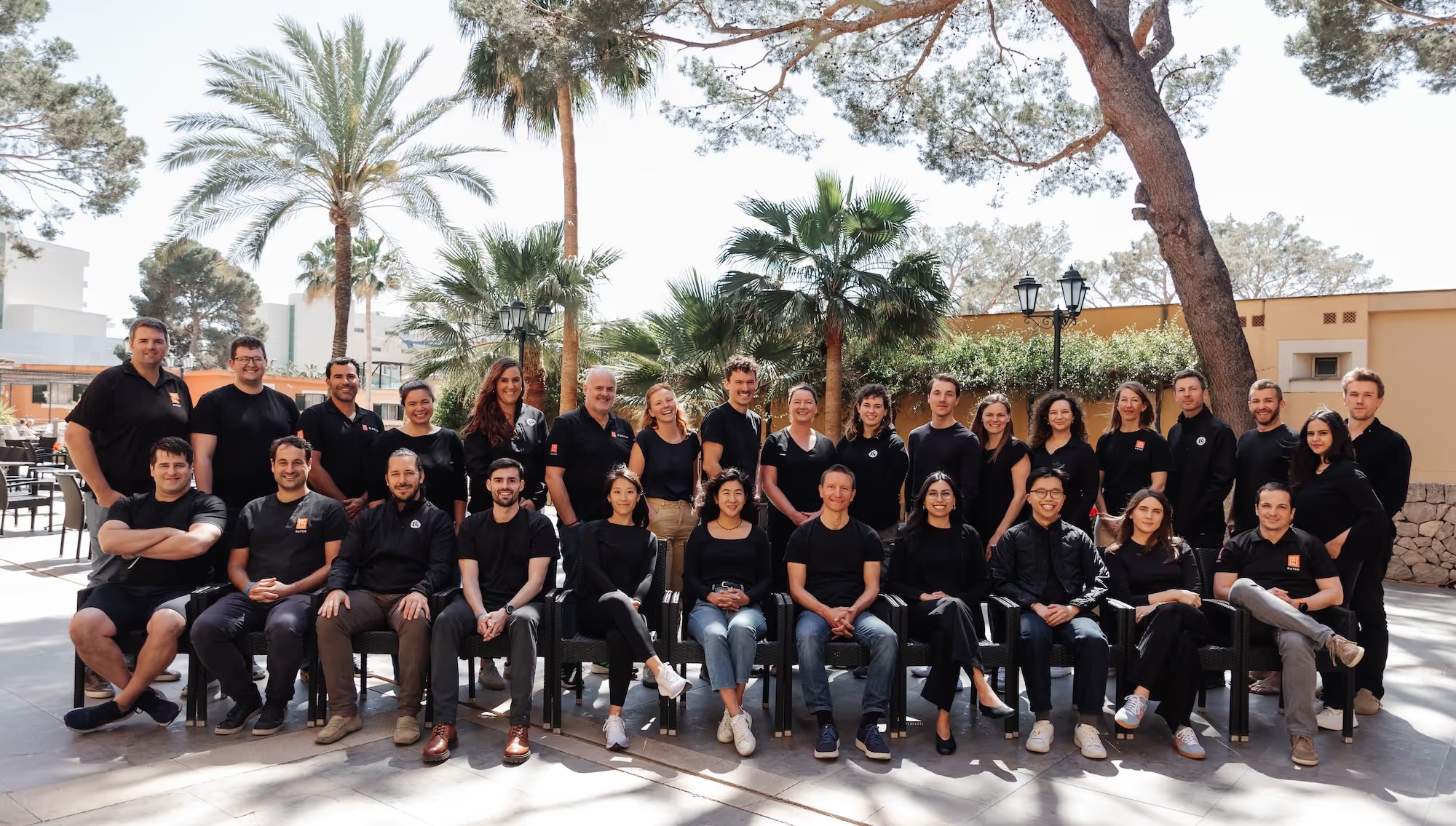
Women in Ocean Food makes the local element explicit. Hatch reports five cohorts involving 68 teams from 32 countries, with 21 startups raising more than $12 million after their programs. Each edition pairs an in-person studio with continued support and a female community manager who brings regional connections.
The initiative grew from pairing women founders with experienced women entrepreneurs during a pandemic-era online program. Its development offers a useful operating lesson: pay attention when participants reveal a need the original curriculum did not fully address. Peer experience can shape the service as much as a prepared workshop.
A specialist faces a very physical test
Hatch occupies a recognizable corner of the market alongside aquaculture investors such as Aqua-Spark and broader ocean investors such as Katapult Ocean. Investment combined with acceleration is not exclusive to Hatch. Its particular proposition is the concentration on aquaculture, joined to an advisory practice that works with customers beyond its portfolio.
The next tests involve real production. In August 2026, transaction counsel YPOG reported financing of up to €38.5 million for Oceanloop, including equity led by Hatch’s Blue Revolution Fund and a €32 million European Investment Bank venture-debt facility. The financing supports land-based Giant Grouper production. The total is a financing package, not Hatch’s individual check.
That is where this investment thesis becomes tangible: equipment installed, biology managed, seafood sold. Hatch’s examples suggest a discipline readers can copy. Find the costly task, test under the customer’s conditions and arrange the expertise and capital for the next stage. The ocean may supply the ambition. The working business still has to earn its place.
Keep exploring the blue economy
Visit Hatch Blue, browse its venture programs or read its World Bank seaweed report. For updates, follow LinkedIn, X, Instagram and Facebook.
↗ Watch: Funding for Aquaculture Innovations
More from Hatch Blue on YouTube