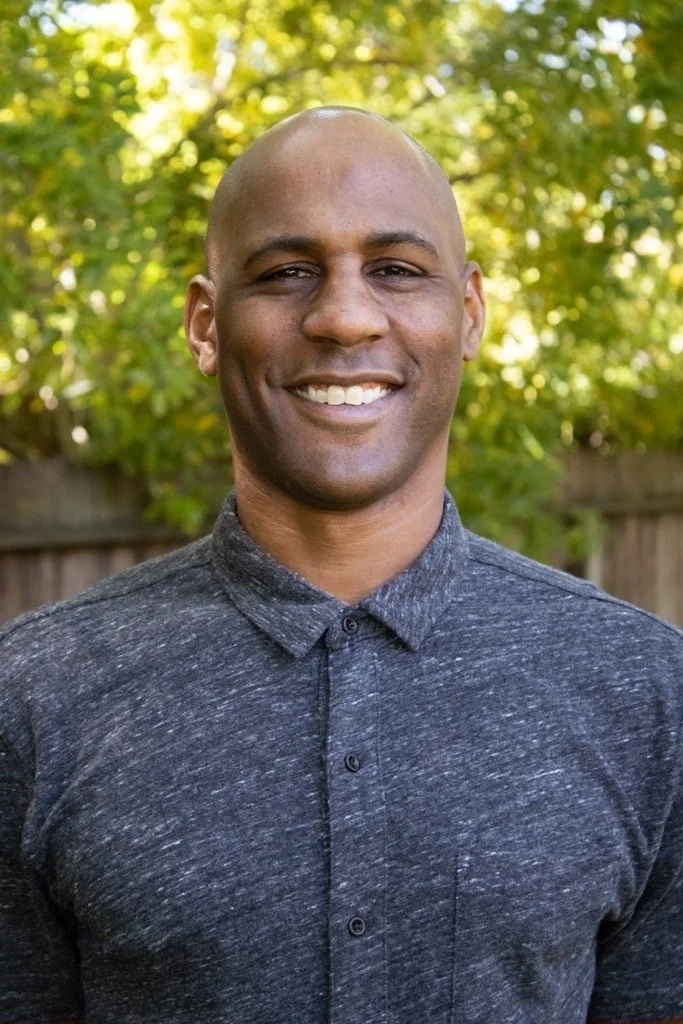
On Juneteenth in 2020, Marlon Evans gave his staff a day off and an assignment: think about a way to give back. His own answer was a free startup program for students at historically Black colleges and universities. Friends and corporate contacts began saying yes. A pilot followed. A venture investor had found something useful to do before deciding which ventures deserved an investment.
- Find founders through HBCU communities, beyond familiar investor networks.
- Combine startup capital with a paid advisor and a customized work plan.
- Keep early entrepreneurial education separate from venture selection.
The idea became the HBCU Founders Initiative, which spun out as a nonprofit in 2021. Evans later explained that the separation let the team teach entrepreneurial fundamentals without evaluating every participant through a venture investor’s lens. That distinction is unusually sensible. A first business idea can be a useful education even when it makes a poor investment.
01 / The classroom could not write the check
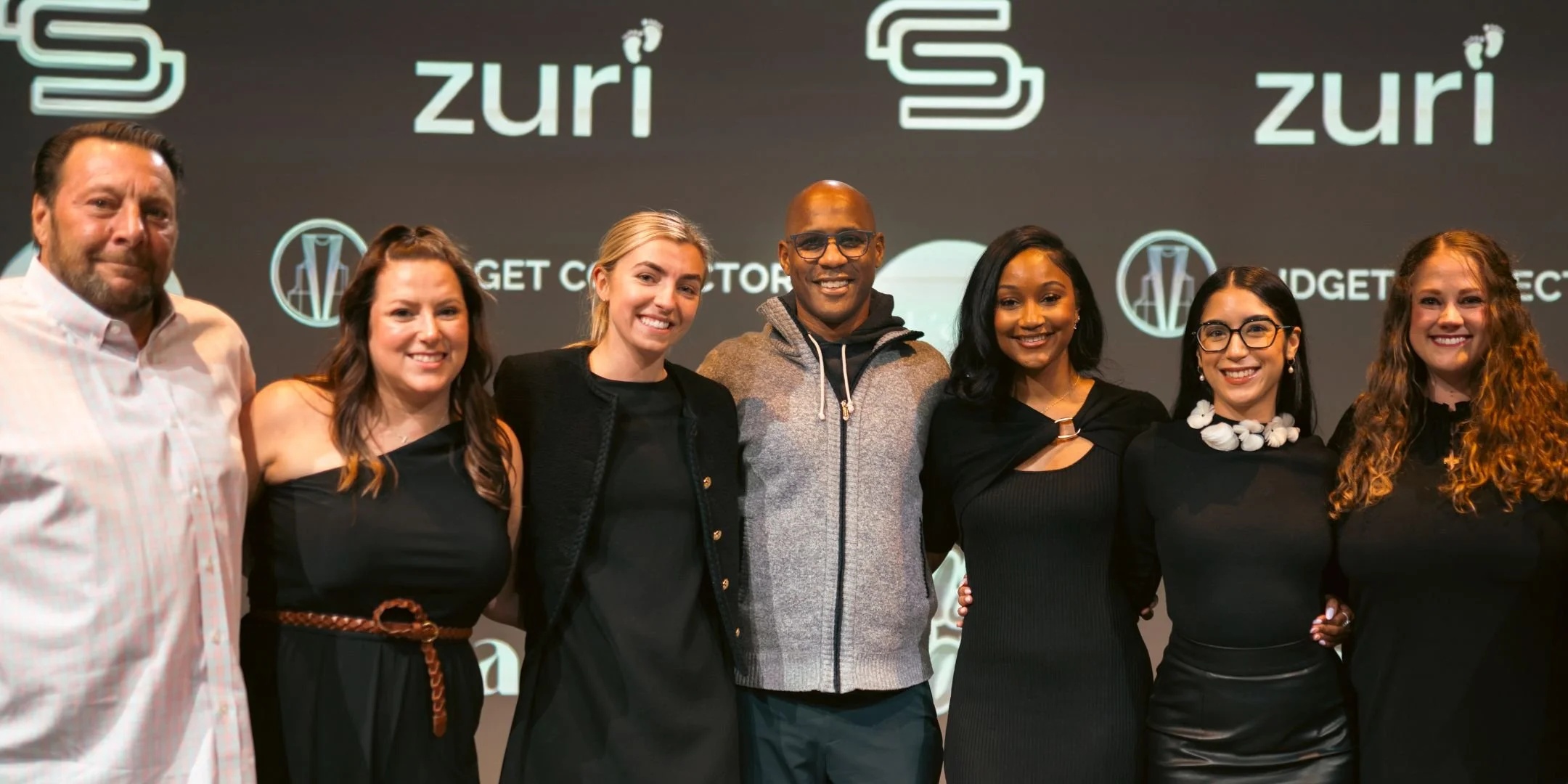
Nex Cubed, founded in 2016, is a pre-seed accelerator and startup studio led by Evans, with co-founder Kip Quackenbush serving as president and chief operating officer. Co-founders also include Kelsey Morgan and Bill Malloy III. Its stated ambition connects people, planet and profit. The HBCU work gives that broad mission a particular address: founders with talent and ideas whose access to capital and professional support is thinner than their potential.
Education improved preparation. Financing remained a problem. In February 2023, Nex Cubed announced the HBCU Founders Fund with a $40 million target and a $5 million commitment from Costco. Bank of America and NCInvest joined as investors the following year. The sequence matters: first develop a community, then create an investment vehicle capable of backing companies emerging from it.
The large headline needs its small print. In a June 2026 public account, Evans reported more than $9 million raised and over 30 investments, with fundraising continuing. Forty million dollars was the ambition. Treating it as money already secured would make the story tidier and less accurate.
Over 30 investments reported. Fund capital is separate from Nex Cubed’s company financing.
02 / An advisor with a job to do
The HBCU Founders Accelerator describes a 16-week, primarily virtual program with an initial $120,000 investment per selected startup. Its published model specifies cohorts of eight to ten companies. Each company gets paid executive-level advisors, a customized work plan and indicators for measuring progress. The machinery is practical: agree on what needs doing, assign experienced help, then watch what changes.
Paid advice is the interesting detail. A mentor can offer an excellent conversation and disappear back into a crowded calendar. An embedded advisor has a more definite assignment. Nex Cubed lists help with pricing, financial operations, customer acquisition and commercialization. Its broader accelerator offering advertises eligible follow-on investments of $100,000 to $500,000, averaging approximately $250,000. Those are opportunities, rather than a promise that every participant gets another check.
“I am a solo founder, but it feels like Nex Cubed gave me an entire team dedicated to the success of Rush Roto.”
Christian Morris / Rush Roto
Testimonial published by Nex Cubed
That is the founder’s version of the pitch. The institutional version is a small cohort with tailored support. For someone choosing between an accelerator, a university incubator and a direct investment, the useful comparison is what happens on Tuesday morning: who helps fix the pricing, find the customer or prepare the financial model?
03 / Sneakers, students and a Medicaid appointment
The company’s sectors include financial services, healthcare, education and property technology. Its portfolio makes those categories less abstract. SoleSafe develops digital underwriting for sneakers. Enrichly works on self-esteem education. A sneaker collection turns out to be a perfectly respectable place to encounter a financial-services problem.
The Spring 2025 HBCU cohort extended the range. DocTalk connects Medicaid patients with providers who accept Medicaid. Elroi focuses on personal-data exchange and control. Obai works on insurance claims and disaster recovery; Bruce automates social media marketing. These companies sell different things to different customers. What joins them is the program’s search for founders with insight into problems conventional networks may overlook.
Nex Cubed reports more than 300 companies accelerated and over $500 million raised by those companies. It also reports 65% led by underrepresented founders. These are the firm’s own ecosystem figures. Money raised by supported startups measures their financing activity; it does not tell us the accelerator’s revenue or its investors’ returns.
04 / Change who does the finding
Founder access is only half the selection problem. Someone must notice the founder. Nex Cubed’s venture scouting program gives participants experience reviewing startups and conducting due diligence, alongside mentorship and resources. Scouts can receive carried interest for sourced companies that Nex Cubed invests in. Its 2023 HBCUvc partnership connects that work with an existing community of aspiring investors.
The incentive is worth copying. A scout gets experience and a potential stake in the investment’s upside; the firm gets a wider search network. It is an attempt to change the inputs to an investment decision, before anyone congratulates themselves on the diversity of the final spreadsheet.
05 / The other side of the business
Nex Cubed also serves corporations, foundations and government partners. Its corporate offering includes customized accelerators, startup scouting, pilot support and ventures built from scratch. PowerUp, developed with the Humana Foundation, HBCUFI and UNC’s Eshelman Institute for Innovation, used community outreach to surface two food-insecurity business concepts in 2023. Here, the work begins with a partner’s problem rather than an accelerator application.
For overseas companies, its Startup Academy runs from one week to two months, while Startup Acceleration lasts three to six months. The agenda is US market entry: product fit, customers, staff and investors. Nex Cubed therefore occupies several adjacent markets: early-stage investment, founder support and customized innovation programs.
06 / Copy the sequence, check the fit
The transferable lesson is to build support before demanding investment readiness, then connect the promising companies to capital and accountable expertise. Keep the classroom generous and the investment decision selective. For the HBCU accelerator, the boundary is explicit: an HBCU-linked founder, a proof of concept or MVP near commercialization, a scalable market and willingness to learn. An idea alone belongs earlier in the journey. A useful network needs somewhere to send it.