dual-use-technology
(16)
The Company That Knows Which Door Opens Next
Bondi Partners sells something more useful than access: a map of who matters, what changes next, and how an ambitious company turns policy into a contract.
Outpost Ventures Checkmate Wants to Win the Contract After the Contract
A first Pentagon award can keep a startup busy. Outpost Ventures Checkmate helps founders pursue what comes next: a government customer, a bigger contract and a business that can survive between the two.

Capital Factory Put a Price on the Right Introduction
The Austin venture firm grew from five software startups into a network connecting founders with investors, customers and the military. Its next chapter separates the investment business from the community that feeds it.

Outpost Ventures Wants Uncle Sam on the Cap Table’s Side
The Alexandria investor backs technology with two potential buyers: business and government. Its bet is that public funding can help private capital carry expensive inventions further.

VerdeGo Quit Building the Flying Car - and Found the Business Every Flying Car Needs
The Daytona Beach startup stopped trying to win the air-taxi beauty contest and started supplying the awkward, essential machinery underneath it. Now its hybrid powerplants are moving from test stands to customer aircraft.

Dronehub Crashed the Demo. Then It Built the Part of Drone Autonomy Everyone Else Forgot
A failed flight nearly emptied the order book. The comeback was a sharper idea: stop selling every part of the drone dream and own the two-minute turnaround that makes autonomous inspection practical.
The Small New York Fund Betting the Next Tech Boom Will Be Built in Concrete, Code and Salt Water
Danu Venture Group is assembling an unusually literal infrastructure portfolio: robots that wash buildings, boats that map oceans, software that audits cyber controls and machines designed to cut underground power corridors. Its wager is that the next technology cycle will be measured not only in model parameters, but in what gets built, secured and kept running.

Moonshots Capital Bets the Pitch Deck Is the Least Interesting Thing About a Founder
The Austin venture firm treats leadership as investable infrastructure. Its wager is that military training, operating scars and a useful phone book can reveal more than a polished pitch.

The Small-Portfolio Bet Behind Mendoza Ventures
The Boston firm is trying to prove that a venture fund can stay institutional, stay hands-on and still widen the door. Its method is unusually finite: three technical sectors, a 12-to-15-company portfolio and more contact than a quarterly board meeting.
The Venture Fund Teaching Deep Tech to Speak Government
AIN Ventures backs science-heavy startups that can sell to both industry and government. Its edge is less about waving a defense-tech flag than translating between two markets that rarely move at the same speed.
The Atlanta Venture Studio That Took Its Operator Playbook to the Future Battlefield
Rule 1 Ventures spent years turning freight, finance and security headaches into B2B software. Now the Atlanta firm is applying the same operator-first logic to aerospace and defense - where access, speed and execution matter as much as capital.

Sustainment
Sustainment is an Austin-based public benefit corporation building an AI-native software platform for industrial sourcing, procurement, and supplier management. Founded in 2020 by military veterans and technology executives, it helps commercial OEMs, contract manufacturers, and Department of Defense teams find suppliers, run RFQs, manage purchase orders, and track supplier performance - with the broader mission of strengthening a resilient, domestic U.S. manufacturing base.
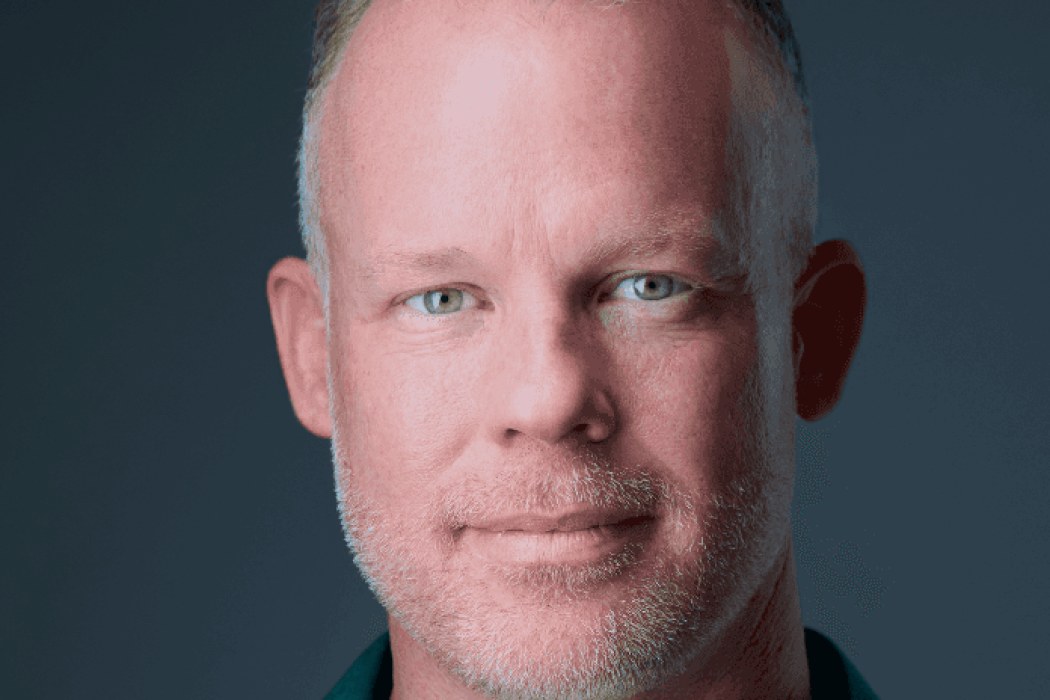
Luke Fischer
Luke Fischer is the co-founder and CEO of SkyFi, an Austin-based Earth intelligence platform that lets businesses and governments order satellite imagery and analytics on demand, the way you'd hail an Uber. A former U.S. Army Special Operations aviator with 16 years on active duty, Fischer went on to lead flight operations at Uber and government operations at Joby Aviation before becoming an entrepreneur-in-residence at Shield Capital. He teamed up with investor Bill Perkins, who was frustrated that buying satellite imagery could take three to six months, and together they built a marketplace connecting more than 50 imagery providers. In January 2026 SkyFi raised an oversubscribed $12.7 million Series A to push deeper into AI-driven analytics.

TERN
TERN is an Austin-based startup building IDPS (Independently Derived Positioning System), an AI-powered, software-only alternative to GPS. Instead of relying on satellite signals that can be jammed, spoofed, or blocked by tall buildings and tunnels, TERN's AI reads the sensors already inside vehicles and phones - accelerometers, gyroscopes, speedometers - and matches that motion against existing map data to figure out exactly where you are. Founded by AI engineers and former U.S. special operations personnel, TERN serves automakers, delivery fleets, emergency services, and defense customers who cannot afford to lose their location when the signal drops.
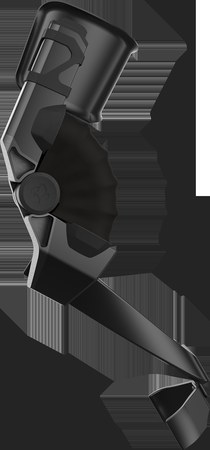
Roam Robotics
Roam Robotics builds lightweight, air-powered wearable exoskeletons that augment human strength, endurance and mobility. Founded by Ekso Bionics veteran Dr. Tim Swift, the San Francisco company replaced the heavy metal of traditional exoskeletons with plastic, fabric and pneumatic actuators - making robotic assistance cheap and light enough to wear all day. Its products span consumer skiing (Elevate), medical knee osteoarthritis relief (Ascend), and military performance (Forge), with clinical data showing 46% average knee-pain reduction and up to 2x strength and endurance gains.

Jeff Karras
Jeff Karras is a General Partner at America's Frontier Fund and co-founder of Alter Venture Partners, bringing over 20 years of venture capital experience to the intersection of deep tech, national security, and U.S. strategic competitiveness. With more than 40 investments and 23 exits - including 6 IPOs - he has backed companies spanning semiconductors, advanced manufacturing, synthetic biology, and AI. Before pivoting to frontier tech, he helped build SingTel Innov8's North American and Israeli operations and spent nearly a decade at Levensohn Venture Partners. A licensed pilot based in San Francisco, he is among a small cohort of investors who believe the most important technology companies of the next decade will emerge from the overlap of commercial innovation and government-scale problems.