The interesting number in dental insurance might be ten. Not ten teeth, or ten appointments. Ten percent: roughly the share of claims left over when a processing system approaches 90% automatic adjudication. It is a small pile with an awkward property. The easy work has already left the building.
NorthWinds® Technology Solutions lives in this administrative world. Its customers are insurers; its subject matter includes benefits, renewals, claims and the information needed to answer a policyholder. The product is Keyspring. The unusual part is that dental insurance organizations own the company making it.
- Insurers created NorthWinds to share technology work.
- Keyspring connects insurance administration with implementation and IT support.
- HealthEdge reports near-90% auto-adjudication for converted plans. The expensive exceptions remain the next target.
The customer becomes the owner
In 2019, Delta Dental of Wisconsin and Delta Dental of Illinois established NorthWinds, each owning half. A Wisconsin insurance examination describes the purpose in practical terms: provide IT services and manage technology improvements for the two organizations and some unaffiliated companies.
This arrangement grew out of existing work. Before NorthWinds, Wisconsin supplied technology services to other Delta Dental member companies, including Illinois. There were development, implementation, processing, training and consulting services. The new company gave that work a shared organizational home.
Then the ownership changed. Effective January 1, 2022, Corvesta, parent of Delta Dental of Virginia, joined. Each organization held one third. Under the agreement, Corvesta’s Keyspring software transferred to NorthWinds. The venture acquired both another owner and a platform around which to organize modernization.
The distinction matters. NorthWinds began with customers who understood the problem from the inside. That gives its proposition a particular shape: an industry buying and building part of its own machinery.
One claim, several desks
Keyspring is a configurable collection of cloud applications for dental and ancillary insurance administration. Think beyond the claim itself. A plan needs quoting, benefit rules, renewals, financial records and people who can answer questions when a member calls.
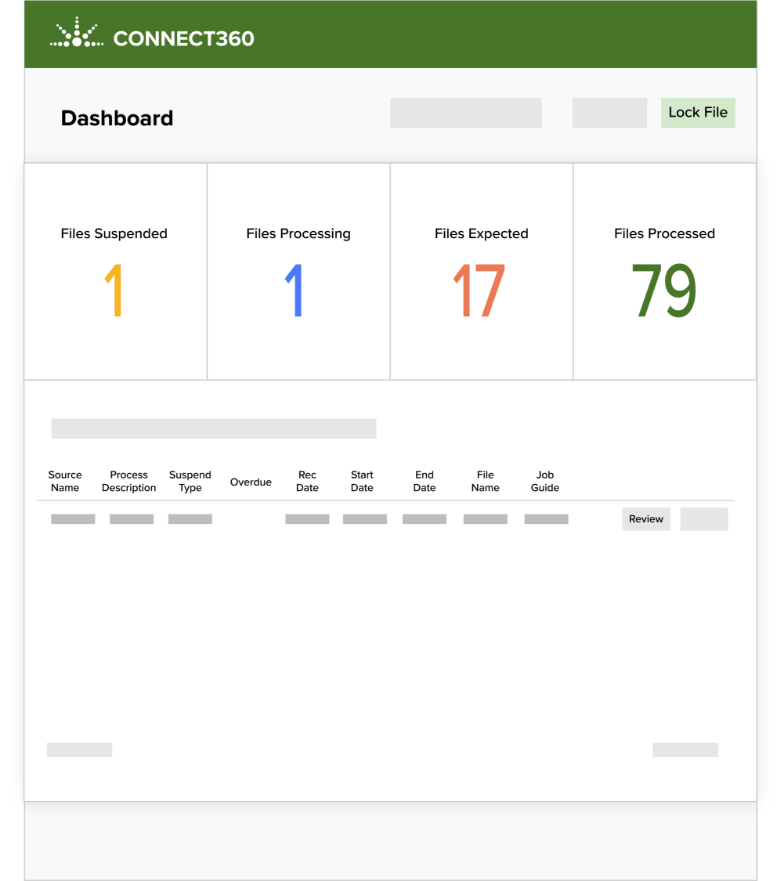
The published modules make those connections concrete. Broker supports online applications for dental plans. Renewal360 handles rated renewals and letters. Provider brings member benefits and upcoming procedures onto one screen. Finance360 helps staff see batches and lines of business. Service360 tracks service tickets. Connect360 moves files and information to HealthEdge and supports reporting.
Underneath, NorthWinds names HealthRules Payer and Salesforce among the systems supporting Keyspring. Its difference is the dental insurance configuration and the surrounding service: training, implementation, troubleshooting and modification. An insurer can buy access to a broader administrative environment rather than assemble every connection itself.
It also sells infrastructure hosting, server and network management, monitoring, and service desk support. This is enterprise software with an operating team attached. NorthWinds says it serves both Delta Dental member companies and non-member companies, extending its market beyond the organizations on its ownership list.
A smaller pile can be a harder pile
In HealthEdge’s account, older platforms had reached an automation plateau. Auto-adjudication hovered in the high 60s to mid-70s. Moving plans to HealthRules Payer brought the rate into the high 80s, close to 90%, according to NorthWinds president Rob Sanchez.
“they’re achieving high 80s, close to 90”Rob Sanchez, on plans converted to HealthEdge
That is an operational result, not a promise for every insurer. It also explains why the remaining work attracts attention. HealthEdge identifies clinical reviews, coordination of benefits between carriers, and returned predetermination documents as difficult exceptions. A document still needs reading; overlapping coverage still needs resolving.
The accompanying interview summary describes AI applications under exploration, including radiographic review and document analysis, with an ambition to reach the mid-90s. The sensible reading keeps those ambitions separate from the reported migration result. Replacing a core system delivered one improvement. Handling the remaining exceptions is another undertaking.
The price of changing the engine
The money appears in an unexpectedly useful place: an owner’s financial statements. Delta Dental of Wisconsin contributed $9.25 million on December 31, 2021, under the new agreement. In 2022, NorthWinds billed Wisconsin approximately $28.47 million for IT services.
These figures describe different things. The contribution is one owner’s capital. The bill is one customer relationship covering IT services. Neither is a Keyspring price tag or the total cost of modernization. Together, they show the scale of the commitment behind a shared platform.
The commercial business extends further. Delta Dental of Colorado’s 2023 tax filing lists approximately $6.78 million paid to NorthWinds for IT support and claims processing. The business model combines software and continuing services, with implementation work surrounding the platform. Its economic proposition depends on whether that combination improves a payer’s actual operations.
Clear the calendars
NorthWinds’ implementation menu is revealing: data migration, configuration, reports, documentation, process redesign, and system and user testing. These are the jobs that turn a purchase into something employees can use. A new interface cannot settle an incorrect benefit rule.
Its culture materials offer a small, telling example. Under the name Tiger Innovation, the company describes putting the right people together and clearing their calendars, completing a development project planned for three months in one week. That is an employer’s account of one project, but the tactic is admirably concrete.
For another business, the copyable idea is to examine the handoffs before shopping for features. Which files wait? Which questions require another application? Which exceptions consume disproportionate effort? NorthWinds’ service menu suggests a practical sequence: map the data, configure the rules, test with users, train the staff.
This approach asks something of the buyer. Core replacement needs usable data and people prepared to change routines. Where those conditions are absent, the work becomes harder regardless of the software. Near-90% automation leaves a question worth asking: what, exactly, is happening in the remaining pile?