At NewCold’s expanded Melbourne warehouse, the temperature is minus 23 degrees Celsius. The building rises forty metres. Somewhere inside, a pallet of frozen food needs to reach the right truck at the right time. That sounds like a modest assignment until you consider the machinery, electricity and money required to make it happen reliably, thousands of times. The freezer has become a rather expensive instrument of punctuality.
- NewCold sells food producers coordinated storage, handling and transport.
- Dense vertical warehouses put automation at the centre of the design.
- Large customer commitments support very large capital commitments.
- The useful lesson: improve the whole journey, including the unglamorous handoffs.
The fries came before the freezer
Bram Hage founded NewCold in 2012 with Westport Capital Partners behind it. Lamb Weston, the frozen potato producer, was its first customer. By July 2024, the company described a journey from ten people in a Breda office to eighteen warehouses in ten countries. The growth strategy was unusually literal: follow the customer. When a food manufacturer needed capacity elsewhere, a warehouse could follow.
There was an earlier rehearsal. Hage had built Partner Logistics around automated facilities. In a January 2026 interview, he attributed the NewCold reset to a predecessor balance sheet weakened after the credit crisis. The team, customers and intellectual property carried forward with new financial support. The caution is useful: engineering can work while the financing underneath it does not.
Today, NewCold occupies a substantial place in outsourced food logistics. GCCA’s 2026 global capacity ranking puts it behind Lineage and Americold. Its customers need somewhere for fries, bread, vegetables and ice cream to wait without losing their condition, identity or appointment with a retailer. The consumer purchases dinner; the manufacturer purchases dependable movement.
A building that behaves like a machine
A conventional warehouse can be imagined as a room with equipment inside it. NewCold’s high-bay model makes the equipment and room a coordinated design. Stacker cranes, conveyors and other automated handling systems move pallets into dense storage. Proprietary software connects operations with customer systems. Engineering reaches from the building specification to the instructions governing product movement.
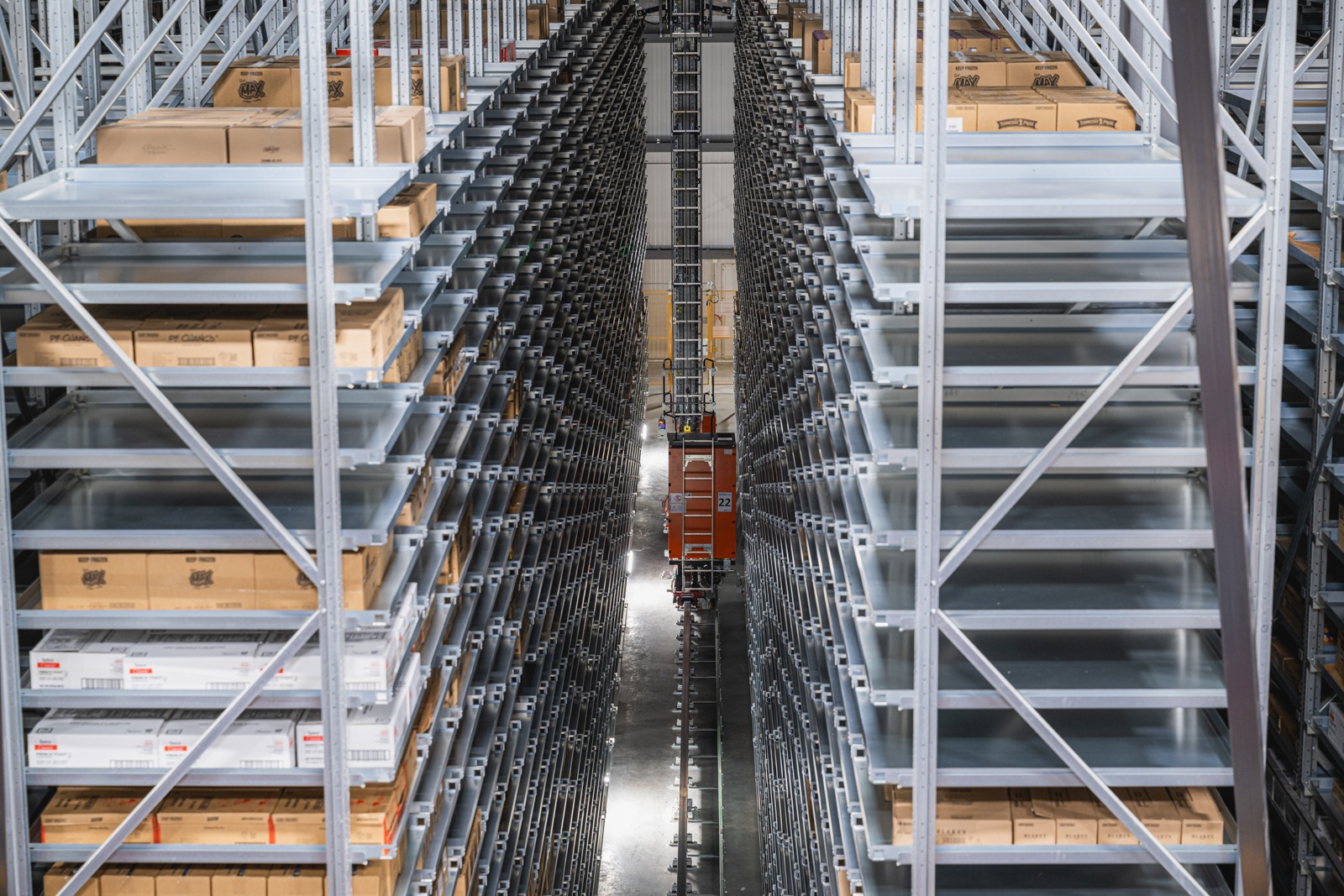
The attraction is partly geometry. Greater storage density reduces the refrigerated footprint needed for a given volume of food. Less manual movement can also reduce door openings and handling. Electricity remains a bill, however ingenious the arrangement. NewCold’s 2026 sustainability statement reports energy consumption around fifty percent below conventional cold stores. That is the company’s comparison, rather than a universal saving guaranteed at every site.
Its offer extends to refrigerated transport and supply-chain visibility. For a manufacturer, the question becomes whether storage, dispatch and delivery can work together with fewer errors and unnecessary handoffs. This is a third-party logistics business with substantial technical expertise. The robots serve a service obligation. They are not the product a food company ultimately wants to buy.
The price of keeping dinner cold
In February 2025, NewCold described the first two Lebanon, Indiana, phases as a combined US$300 million investment, with more than 200,000 pallet positions. In February 2026, it announced another expansion costing over US$500 million, including frozen and chilled zones. Those are separate project figures. The second announcement is a development commitment, not proof that the additional warehouse is already operating.
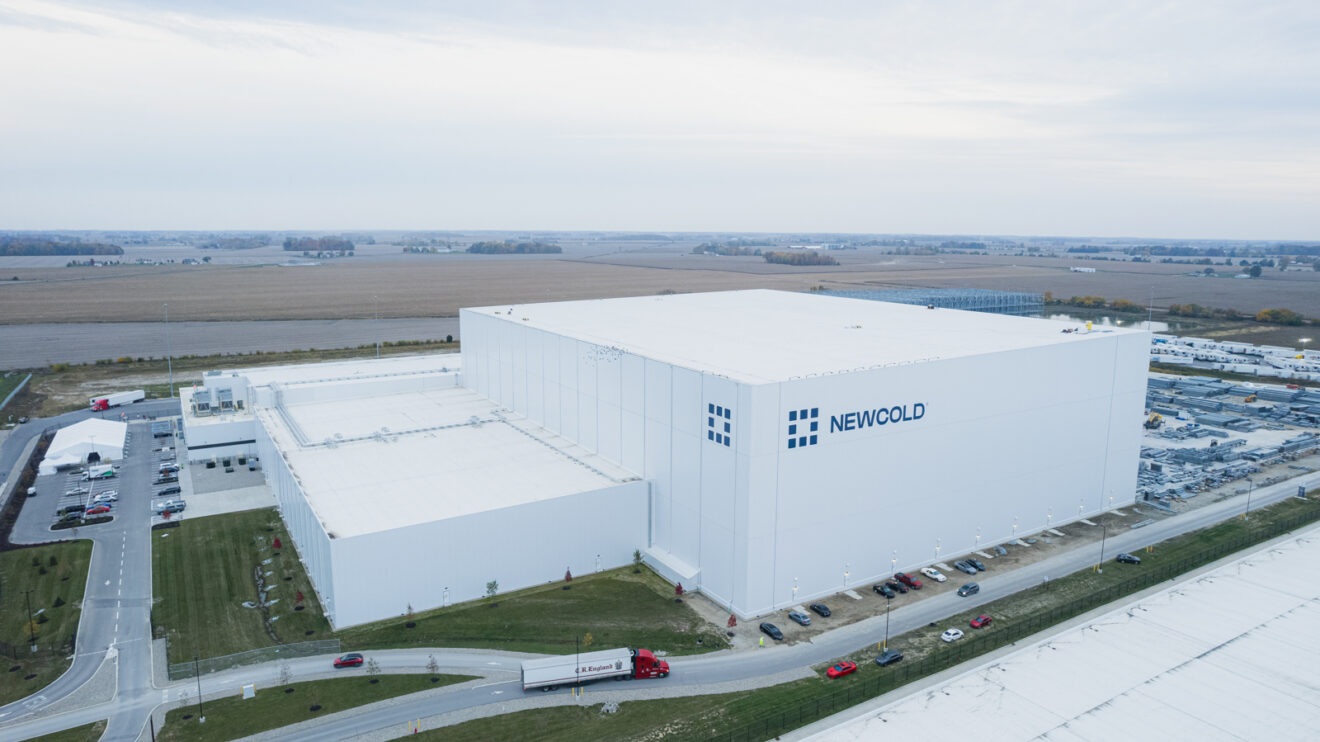
Melbourne supplies the completed counterpart. The September 2026 opening added 80,000 pallet positions for AUD200 million. NewCold says its two Truganina facilities now offer 405,000 positions across frozen, chilled and ambient storage. Customers include McCain, Peters Ice Cream and Patties Foods. Australia also began the relationship with McCain that became NewCold’s largest customer worldwide.
Long-term food-producer contracts are central to this model. They help give costly infrastructure an economic purpose beyond the hope that somebody will eventually turn up with frozen peas. NewCold earns its business by providing logistics services; the published construction budgets are not prices a customer pays for an individual pallet.
The financing belongs to the same story. New York’s state retirement fund disclosed a US$400 million commitment to Westport’s WCP NewCold III fund in September 2024. This was a sponsor-fund investment, not a venture round wired directly to NewCold. It helps explain the kind of capital gathered around the business: money prepared to finance physical infrastructure over time.
The neighbour with the electricity
Dinteloord illustrates a different constraint. A freezer cannot wait indefinitely for power. NewCold partnered with neighbouring grower Rijk Zwaan, using its electricity supply to begin operations independently of the public grid. The warehouse received its first pallet in April 2025. Cold-storage planning here required an energy relationship as well as a customer relationship.
Adaptation also appears in Lisbon. In September 2026, NewCold reported completing its first brownfield transformation: shuttle equipment, altered racking, upgraded docks and refurbishment increased capacity from 7,000 to 10,000 pallet locations. The site remained partly operational. A smaller, existing warehouse demanded a different solution from a new tower. There is an appealing lack of vanity in improving the building you already have.
Borrow the meeting before buying the robot
NewCold describes weekly discussions between operators and engineers about automation improvements. This is the affordable part of its example. People who watch a process every day notice friction that a distant specification can miss. Bringing them into engineering decisions gives their observations somewhere practical to go.
“A key ingredient in NewCold’s success is the people.”Bram Hage, July 2024
The broader lesson is conditional. In our reading, an automated hub needs sufficient demand, compatible product flows, sensible transport geography and patient capital. A small producer with irregular volumes should examine those assumptions before borrowing the architecture. Consolidation that creates extra driving may surrender the gains made inside the freezer.
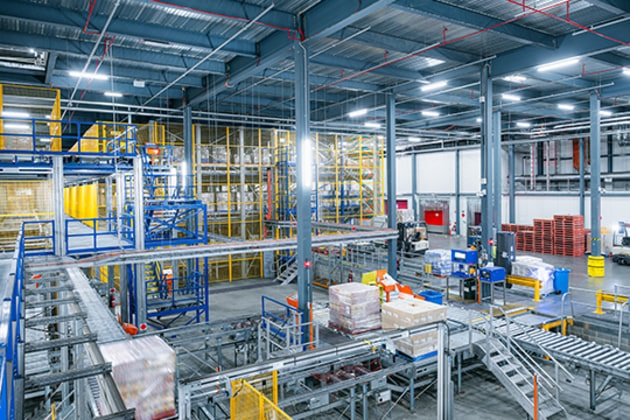
For food businesses considering NewCold, the useful conversation starts with volumes, temperature requirements, destinations and service expectations. The company can provide capacity and handling expertise; the fit depends on the network around them. Its distinctive achievement is making the freezer part of that network’s design. The fries still need to arrive on Tuesday.