A potato can fail an audition without doing anything wrong. It may be perfectly useful, yet too small for the factory that expected it. In Gujarat’s Banaskantha and Sabarkantha districts, that mismatch left farmers with produce the chip makers could not use. The crop had been grown. The work had been done. What was missing was a customer with a different requirement.
Neel Kotak built the beginning of Iscon Balaji Foods around that gap. The Ahmedabad entrepreneur used undersized potatoes to make dehydrated flakes, giving overlooked produce another destination. There is something pleasingly unceremonious about the idea. No exotic ingredient. No elaborate new eating ritual. A potato was being asked to do a job for which its dimensions were inconvenient. Kotak gave it another job.
Fourteen years after the company’s incorporation, he is its Managing Director and Chief Executive Officer, overseeing a business in flakes, frozen fries and potato specialties that serves domestic and international customers. His career offers a view of entrepreneurship from the processing floor: value depends on what you can make, whom you can supply, and whether the people at the beginning of the chain can keep producing.
The potato that missed the specification
Kotak studied at IIT Bombay from 2006 to 2010, graduating in chemical engineering. In 2012, he started Iscon Balaji Foods. The company began dehydrated potato flakes production in July 2013. Its early work put an engineering education beside an agricultural problem, in a business whose raw material was already familiar to farmers and snack manufacturers.
The first product also gave the company a place in other people’s kitchens and factories. Flakes could enter the production of namkeen and other foods. The opportunity lay in changing the form of the potato so another buyer could use it. For the farmer, that meant another route to income from the crop. For the processor, it meant building demand around an ingredient rather than asking consumers to discover a new snack.
A business beginning with an unwanted size of potato has an appealing lack of vanity. The material does not care whether its next appearance is glamorous. It needs a use. That practical starting point remains helpful when looking at the much larger enterprise Kotak now leads.
A business with several founding hands
Iscon Balaji Foods began with several parties at the table. Its ownership brought together the promoters of the JP Iscon group, the Balaji Wafers group, and Kotak and his family. The association with Balaji Wafers connected the new venture to an existing potato-processing business. The Iscon connection brought another established business group into the undertaking.
This matters to the shape of Kotak’s story. He was building with partners who already had operating experience and resources. The early company’s development involved an ownership structure, promoter support and specialist professionals alongside its founder. Industrial food production makes a rather poor setting for the solitary-genius portrait. Somebody still has to finance the equipment, buy the crop and run the line.
The customer list gave those efforts a concrete destination. IBF supplied businesses including Haldiram, Bikaji and ITC. These are customers for whom an ingredient becomes part of another product, or part of another service. A successful delivery can disappear into somebody else’s brand. The processor earns its place by making that disappearance dependable.
The agreement before the harvest
Kotak’s business expanded upstream as well as downstream. In May 2022, he described introducing European potato varieties and developing contract farming after observing farmers’ reliance on a small selection of varieties, difficulties with yields and exposure to market fluctuations. By then, he said, the company was farming ten varieties of Indian and European origin across 18,000 acres.
The arrangement connects decisions that might otherwise happen separately. IBF’s agri-team provides technical guidance; the company works on seeds and farming practices; farmers grow crops intended for processing. Its published model includes an assured market and agreed prices. Buying potatoes becomes a relationship that begins before the potatoes are available to buy.
For a factory, the crop is the start of production. For a farmer, it is the result of a season’s work. Putting those perspectives together is central to Kotak’s undertaking. Each side needs something from the other, and the agreement gives them a way to plan. The company’s farm-to-freezer approach makes that connection part of the business itself.
In 2020, Kotak put the principle plainly: “Helping all stakeholders grow is the only way our company will grow and that is what has worked for us over the years.” The sentence places the company inside a network of people whose progress is connected. It also describes a demanding way to operate: there are several relationships to maintain before a finished product reaches a customer.
Fries with an Indian vocabulary
The ambition to move beyond flakes was visible early. In December 2014, Kotak spoke about plans for potato specialties with Indian adaptations alongside French fries. The intended buyers included quick-service restaurants, institutions and consumers shopping at organised retail stores. Even before the broader frozen range was established, he was considering different occasions for the same underlying crop.
IBF’s development into frozen French fries took shape in the following years. Its range grew to include burger patties, aloo tikki, potato cheese shots, chilli garlic potato shots and herbed wedges. There is a cheerful variety to the names, but the common ingredient keeps the business recognisable. The potato can attend breakfast, appear beside a burger, or acquire cheese and a much more sociable personality.
Those products place the company in both the ingredient business and the finished-snack business. Hungritos, its consumer brand, added a name that diners could encounter directly. Restaurant supplies and retail packets create different relationships with the buyer. Kotak’s company has developed both, while retaining the flakes that gave it its first industrial customers.
A bigger operation, a longer list of obligations
Scale brings its own paperwork. For the year ended March 2025, IBF recorded operating income of ₹1,488.92 crore, compared with ₹1,186.06 crore the previous year. Reported profit after tax moved the other way, from ₹271.21 crore to ₹162.50 crore. The figures give the story useful texture: a growing business can have a year in which sales rise and profit falls.
Raw-material price volatility and working-capital requirements remain part of IBF’s operating picture. Neither disappears because a product has become popular. They put practical limits around expansion: capital has to support the business while potatoes become inventory and inventory becomes sales. A processing company’s growth has weight, volume and a bill attached to it.
There are also decisions about resources. IBF describes an in-house compressed-biogas plant that converts solid waste into energy and liquid fertiliser, alongside water-conservation practices such as rainwater harvesting and efficient irrigation. These are specific elements of its stated manufacturing approach. For a business that began by finding another use for overlooked potatoes, attention to what leaves the process has a clear place in the story.
Kotak’s global ambitions depend on execution across this whole arrangement. The May 2026 investment announcement described the business supplying quick-service restaurants and food-service distributors in India, South and Far East Asia, the Middle East and Australia. Those destinations lengthen the distance between the original crop and the eventual customer. They also make the reliability of the operating system more consequential.
The people around the board
Kotak was included in the Economic Times 40 Under Forty class of 2025. When he reflected on the recognition, he gave the credit to IBF’s 1,136 core team members. The specificity of that number is revealing. An award arrives with an individual’s name attached; his response turned toward the people whose work made the company’s performance possible.
His personal account of influence is equally concrete. He names his uncle Jayesh Kotak as someone who encouraged him to think big and showed him how to respond to difficult situations. He points to Chandubhai Virani of Balaji Wafers for the example of concentrating on core strengths and avoiding distractions. Ambition and concentration sit together in his description of what he has learned.
Then there is Karan Dhand, IBF’s Chief Operating Officer, whom Kotak describes as a friend and growth ally. Dhand’s responsibilities cover the value chain from farming and agronomy through factory operations and delivery. The relationship puts a name to some of the operational work that can otherwise vanish behind the CEO’s title.
Away from the business, Kotak says he enjoys playing with his children and occasionally playing strategy board games. It is a modest glimpse of the person beyond production capacities. There is no need to turn a hobby into a management theory. A board game can simply be a board game, with the additional convenience that nobody has to arrange refrigerated transport for the pieces.
The next move
“investing in the right systems, talent and capital discipline”
Neel Kotak · May 2026
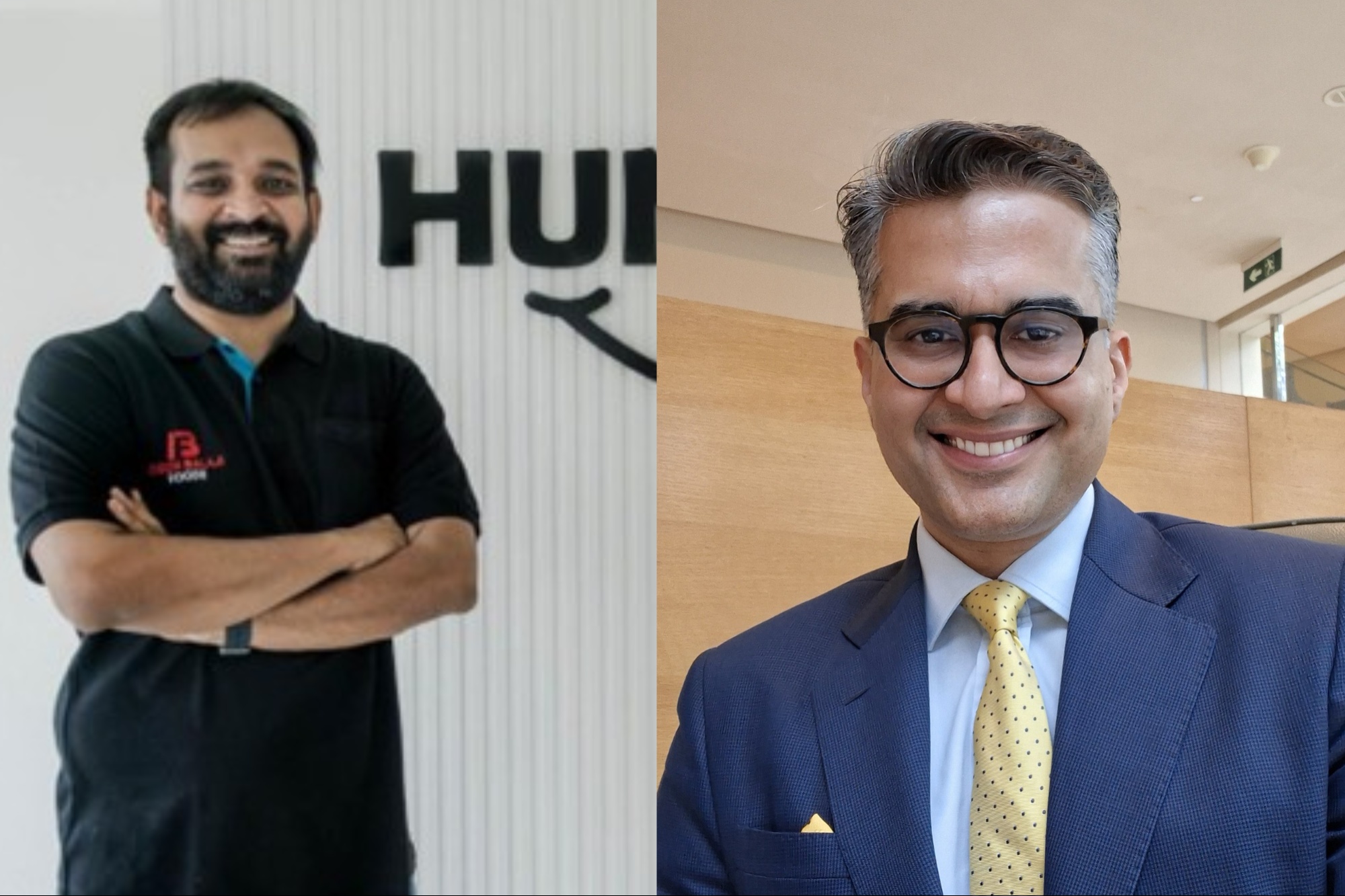
In January 2026, 360 ONE Asset announced an investment of approximately $70 million in IBF. The stated plans included greater processing capacity, stronger farmer-linked supply chains, cold-chain upgrades, new products and additional international markets. Kotak described the partnership in terms of capital and institutional support for the next phase of an integrated food business.
In May, Advent announced an agreement to invest $150 million for a significant minority stake, within IBF’s $215 million Series A that also included 360 ONE. Kotak’s statement emphasised the systems, people and capital discipline developed over time. He described the incoming partner as a source of strategic discussion, relationships and operational experience as well as funding.
These announcements put new resources beside a business built over years. They also leave Kotak with choices about capacity, customers and the pace of expansion. The finished fry will remain familiar. The organisation behind it will have more to coordinate.
The useful place to end is the place where the story began: a potato that did not meet a buyer’s specification. Kotak found another application for it, then built relationships around making that application work. A small piece of produce acquired a longer itinerary. His next task is to keep the people along that itinerary moving together.
Follow the potato trail
Explore Neel Kotak’s LinkedIn profile, Iscon Balaji Foods and the Hungritos Instagram. The company also shares updates on LinkedIn and Facebook.