The cat does not care about the pitch deck. It cares about dinner. This presents an awkward problem for anyone selling premium pet food: the person with the credit card and the creature with the appetite are different customers. Smalls built a business around taking the second customer seriously.
- One species, by design. Smalls makes fresh meals and feeding products exclusively for cats.
- Try, then repeat. A sampler introduces recipes before a household settles into recurring deliveries.
- Beyond the doorstep. Smalls reported 700-plus retail stores at the start of 2026.
In a market where dogs often receive the entrepreneurial attention, a cat-only company can look unnecessarily narrow. Smalls’ argument is that the narrowness creates the opportunity. If a customer keeps receiving the adapted version of someone else’s product, making something specifically for that customer is a rather good place to begin.
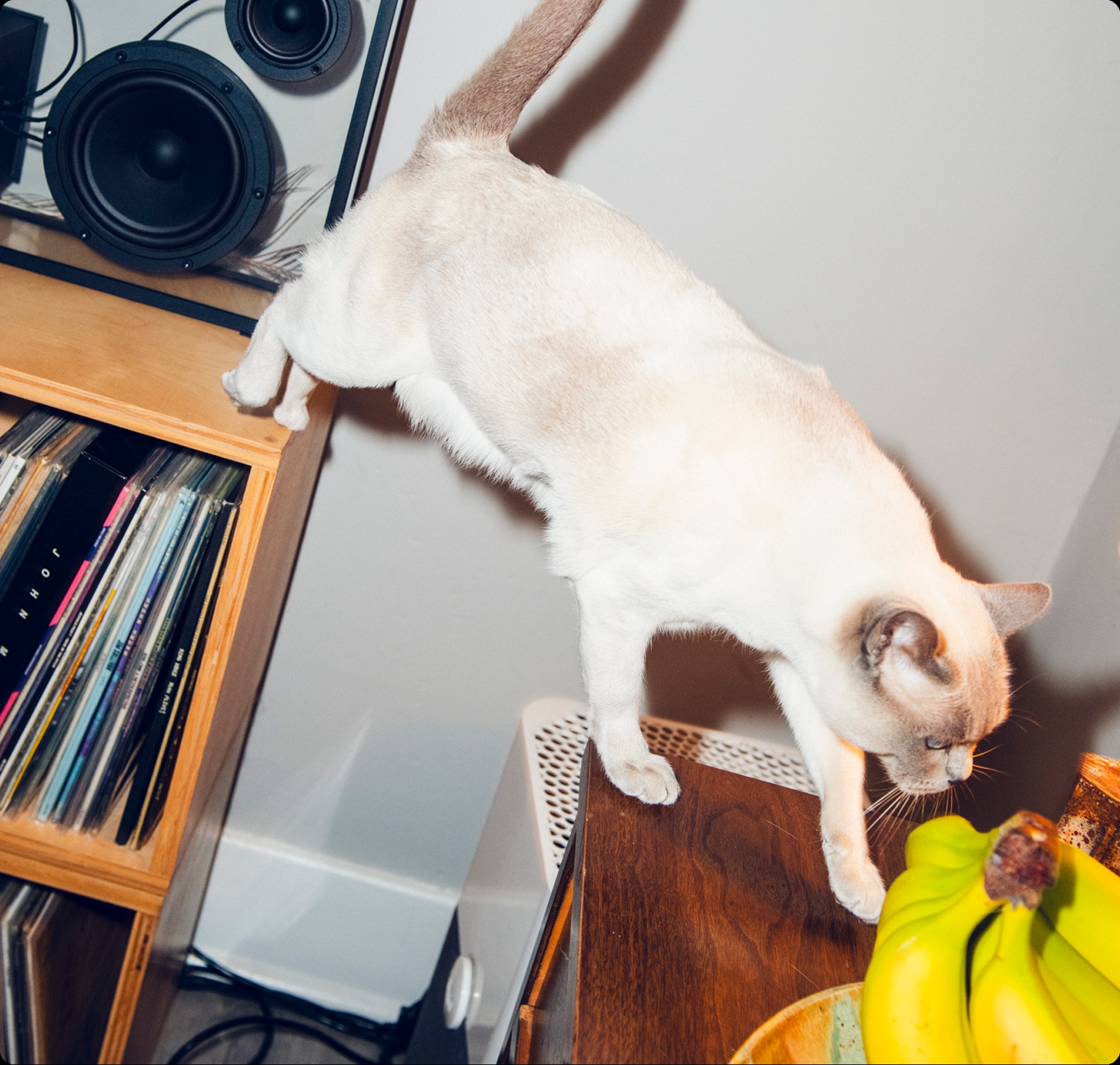
The customer who gets the final vote
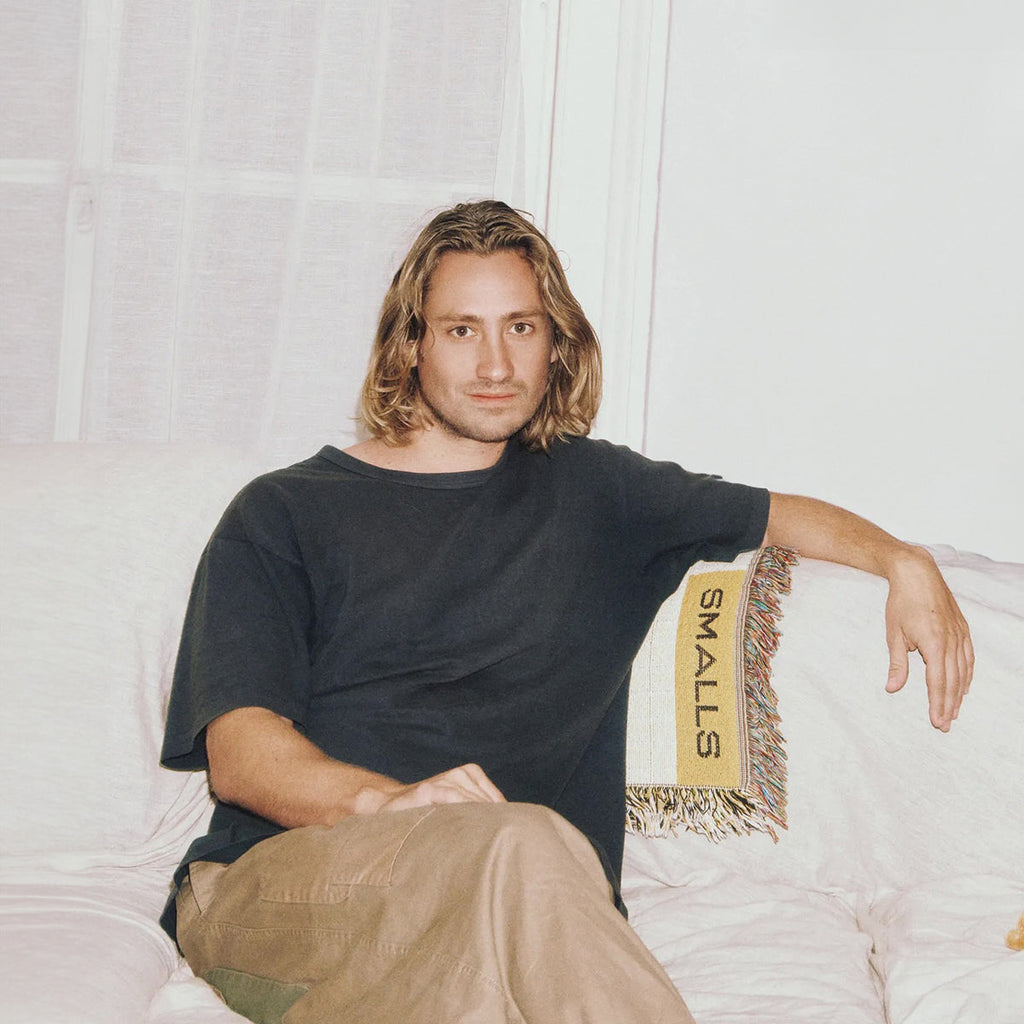
Matt Michaelson and Calvin Bohn started with small batches for friends’ cats. In his Cats.com interview, Michaelson described deliveries around New York in a rented Zipcar, followed by larger kitchens and hired cooks. The early business had a useful testing apparatus: real cats in real apartments, with owners close enough to report what happened.
The company dates its beginnings to 2017. Its name has a local joke tucked inside it: the first big kitchen stood near Brooklyn’s Marcy Houses, where Biggie Smalls grew up. Cats, Michaelson observed, were also small. A brand name arrived without a committee making it unbearably meaningful.
The founders’ insight concerned an imbalance in attention. Fresh-food businesses had made dog owners a priority; cats seemed to get the sequel. Smalls offered a different starting point, combining cat-specific nutrition with the convenience of delivery. The household still had to approve the price. The animal still had to approve the bowl.
A menu with room for disagreement
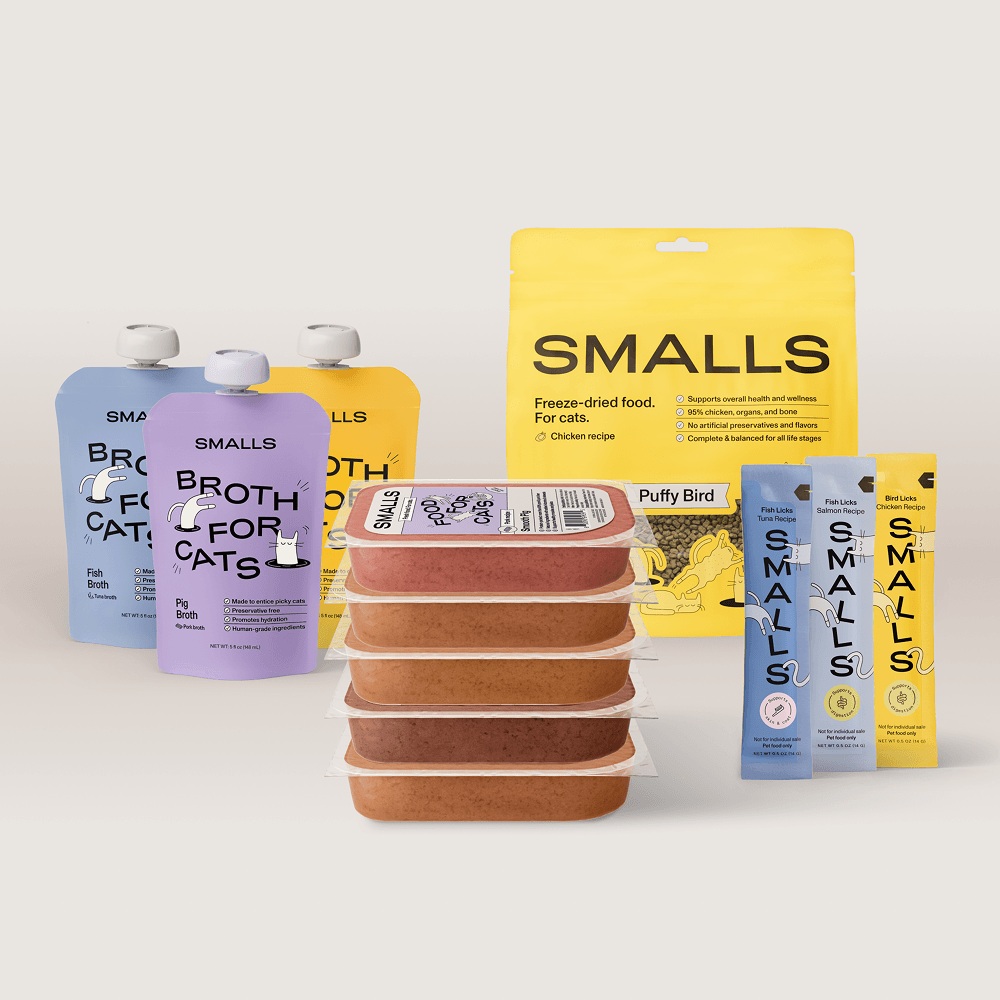
Smalls’ fresh-food menu includes chicken, turkey, pork and fish recipes, with names such as Ground Bird and Smooth Other Bird. Texture has its own billing. This is sensible product design for a customer who can reject an otherwise respectable dinner because it feels wrong.
Its core meals are gently cooked and frozen. Smalls describes them as made with human-grade ingredients and formulated with veterinary nutritionists. Its recipe descriptions list meat alongside vegetables and other nutrients. The percentages describing animal ingredients should not be confused with the percentage of protein in a nutritional analysis.
The wider range includes freeze-dried Puffs, broths and Licks, plus feeding accessories. These products offer different entry points. Someone hesitant about reorganizing the freezer can encounter the brand through a treat or topper. Smalls keeps the species constant while varying the size of the household commitment.
The freezer is part of the product
A new customer takes a quiz and receives a sampler. The recurring plan depends on the household and its preferences. Smalls’ pricing guidance says cost varies with plan size, recipes and included products. The introductory purchase and the continuing subscription deserve separate attention: a trial discount does not describe the household’s ongoing food bill.
The practical bargain is straightforward. Smalls handles preparation and delivery; the owner handles storage, thawing and feeding. Its March 2026 instructions allow fresh food up to five days in a sealed container or bag in the refrigerator. Defrosting belongs on a refrigerator shelf at or below 40°F, rather than in the door.
- 01Choose
- 02Freeze
- 03Thaw
- 04Serve
That routine has consequences. In June 2021, Smalls issued a voluntary recall after customers reported unusual odor and apparent spoilage. Its notice said affected food had passed testing but spoiled before distribution. Customers were asked to discard identified batches. Freshness required dependable handling after the laboratory had finished its work.
For a household without freezer space, a predictable receiving routine or a cat willing to eat the recipes, the proposition becomes less convenient. Smalls occupies the premium end of everyday feeding. Conventional canned food and kibble remain alternatives with different storage demands. Attractive packaging cannot negotiate with an occupied freezer.
The cat owner comes out of hiding
There is another customer problem here: recognition. Smalls’ advertising treats cat ownership as a social identity with jokes, tastes and arguments of its own. Chief brand officer and co-founder Veronica del Rosario appeared in a paid episode of Subway Takes arguing, “We need more cat dads.”
“We need more cat dads.”
Veronica del Rosario / Subway Takes, as reported by Inc.
According to Inc., the conversation did not mention Smalls; the brand appeared in the caption. It sold an occasion to care before it sold dinner. Inc. also reported $100 million in 2025 annual revenue and a fourfold increase in advertising budget over two years. Those figures describe scale and spending, without establishing which advertisement caused a sale.
The people making those choices matter. Smalls’ early-2026 company update described 25 hires during 2025, a living-wage salary floor and a tenure sabbatical. The brand’s humor comes from an organization making deliberate creative decisions, rather than merely discovering that cats perform well on the internet.
The second front door
Capital helped widen the business. Smalls announced a $9 million Series A in 2020 and a $19 million round in March 2023. A subsequent Forecast Labs investment included television advertising support. By early 2026, its own retrospective put retail distribution above 700 stores.
US retail stores reported by Smalls at the start of 2026.
In August 2026, a Supreme Pet partnership extended distribution across several South Central states. Independent shops offer something a subscription checkout struggles to provide: a person who can explain an unfamiliar product. Smalls’ transferable lesson is to make the overlooked customer specific, then build the product and buying experience around that specificity. Here, the final inspection happens at floor level.
Follow the cat
Explore Smalls and its retail lineup. Find the brand on Instagram, X, LinkedIn, Facebook and TikTok.
Read Michaelson’s Dirty Labs interview or listen to del Rosario on Emerging Brands and Michaelson on Innovation with Mark Peter Davis.