On Wednesday evenings, before there was a company to run, Max Cohen and Cameron Behar had a standing appointment to talk. Behar remembers summer nights in Cohen’s pool, dinner made by Cohen’s wife, and ideas moving back and forth. This went on for roughly a year. There was research between conversations. There were people to consult. There was, apparently, no particular need to pretend that the first idea had to be the final one.
The scene is agreeably ordinary for a Silicon Valley origin story. No garage requires preservation. Nobody needs to identify the precise napkin. Two colleagues who had become friends were considering what to build together. The company that emerged was Sprinter Health, founded in 2021. Cohen became CEO; Behar became CTO. Their working relationship already had years behind it.
That long acquaintance is a useful place to begin with Cohen. His résumé has the recognizable names: Google, Oculus, Facebook. But the more interesting story lies in the decisions between the names. How much convenience does a product need? When is it ready for people outside the building? How quickly should a new company spend its money? Cohen has returned to those questions in different jobs, with different objects on the table.
A career with several departures
Cohen studied electrical engineering at Duke, graduating in 2003, and later earned an MBA at Harvard Business School. His early professional stops included Lockheed Martin Aeronautics and McKinsey. Engineering, consulting, business school: each offers a different way to examine a problem. Put them on one résumé and the route looks orderly. The sequence spans engineering, business training, and consumer product work.
At Google, where he worked as a product manager from 2011 to 2014, Cohen worked with Behar. The distinction between their roles would remain useful when they became founders: product leadership on one side, engineering leadership on the other, and enough shared experience to have a conversation without first translating every sentence.
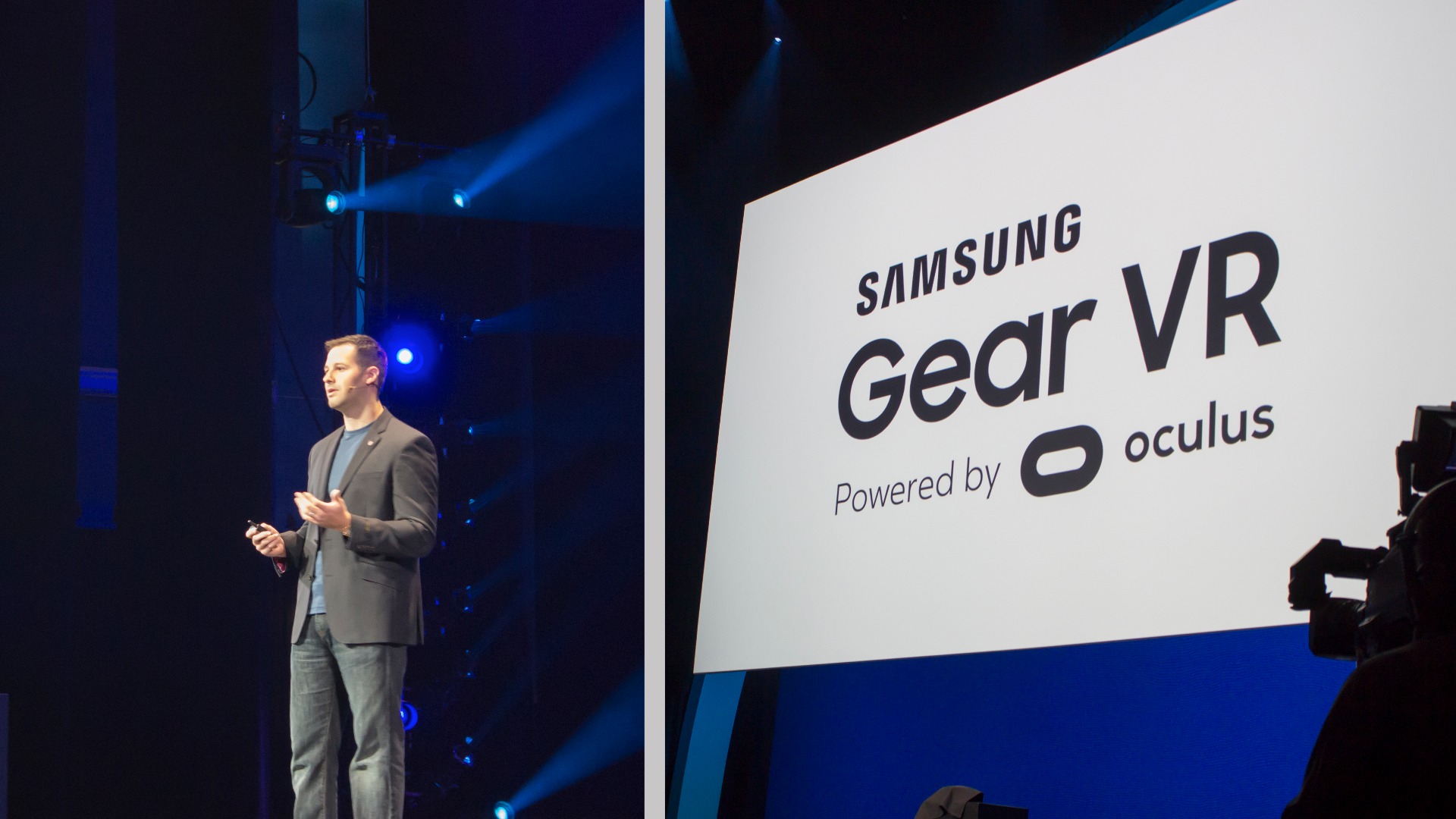
In February 2014, Cohen joined Oculus. Facebook announced its acquisition the following month. He had entered a company on the verge of becoming part of a much larger one, working in a medium still busy explaining itself. Over the next five years, his responsibilities included mobile products, platform work, and media. He would work on the Samsung Gear VR partnership, lead Oculus Go development, and begin the Oculus Quest program.
The future had to fit in a backpack
Onstage, virtual reality could look enormous. In everyday life, it had to compete with the inconvenience of getting started. Cohen’s mobile work sat directly in that gap. A demonstration could win someone’s attention; a product still had to earn the trouble of being used again.
In a 2015 interview about Gear VR, he described carrying the headset in his backpack. The detail does more work than a page of futuristic adjectives. A phone was already in a pocket. The headset could come along. Portability gave the product a chance to appear in places where a computer setup would have been an unreasonable guest.
He also treated mobile VR as having its own place in someone’s day. In 2014, he described sessions of five to twenty minutes and mentioned his own Candy Crush habit. Short sessions could accumulate into considerable time. The comparison was disarmingly familiar for a technology asking people to strap unfamiliar equipment to their faces.
He liked the possibility of passing Gear VR around a room. People could try it where they were sitting. That is a different picture of adoption from a solitary enthusiast explaining a complicated installation. The social act of handing something over becomes part of the product’s appeal.
With Oculus Go, another layer of preparation fell away: the device operated on its own. Describing the product in 2017, Cohen acknowledged the compromises involved in making something light enough to wear. The ambition was accessibility, with the necessary engineering choices attached. Even the future, it turns out, has a luggage allowance.
“There are always trade-offs”
Max Cohen, discussing Oculus Go, 2017
A small knob, a useful correction
Some of the clearest evidence of Cohen’s product instincts comes from an unglamorous detail. In a late-2014 interview, he described hearing that Gear VR was uncomfortable for people wearing glasses. The device had a focus adjustment intended to let people use it without them. Inside the company, that was understood. Outside, the explanation had evidently failed to arrive.
Cohen welcomed the wider feedback that came with release. An internal group can become fluent in its own creation, then mistake that fluency for simplicity. A person encountering the object for the first time supplies a useful interruption. The focus knob had been built. Its purpose still needed explaining.
He was equally interested in whether developers could make a living on the platform. A headset needs things worth doing inside it. The store, the tools, the audience, and the economics belong in the same conversation. Product management becomes a matter of arranging relationships around the hardware as well as refining the hardware itself.
Two platforms, different demands
By 2017, Cohen was discussing another practical difficulty: organizing work across PC and mobile VR. The platforms had different needs, and trying to move both forward created pressure on engineering and roadmaps. He described the Rift as a platform centered on gaming, while Gear offered movies, video, and lighter games as well.
His explanation of the organizational changes was correspondingly concrete. People identifying more closely with a particular group could focus their efforts and move faster. There is a familiar management temptation to draw a cleaner chart and declare the problem solved. Cohen’s account concerned the work the chart was supposed to enable: distinct products making progress without every decision becoming a negotiation over unlike requirements.
It is an instructive part of his career because it locates product judgment inside an organization. A usable device depends on more than a good idea and capable engineers. People need room to make the decisions appropriate to the thing they are building. A shared ambition does not make every roadmap identical.
The right to ask awkward questions
Consumer technology also brings questions that resist a cheerful stage presentation. In 2018, Cohen joined Jenny Hall in a public conversation about Oculus privacy. They emphasized transparency and trust while discussing how the platform handled information. The conversation also exposed questions about how much users could understand from the policy and the available tools.
That tension belongs in the portrait. A product leader can explain intentions; customers need ways to examine what happens. Settings and explanations become part of the experience alongside content and controls. Trust has to survive contact with a question the company would rather answer carefully than quickly.
Cohen’s participation places him in that less theatrical part of consumer product work. The work continues after someone has admired the demonstration. They may want to understand the arrangement, change a setting, or decide whether the terms suit them. Making those choices intelligible requires its own attention.
Capital, with the brakes attached
Cohen left Facebook and Oculus in August 2019. His public description of the next period included learning new skills and incubating ideas. After years helping build an unfamiliar category, he allowed himself another unfamiliar chapter. In retrospect, the eventual founding can make the interval look like a straight line. The Wednesday conversations suggest a more patient process.
Once Sprinter existed, that patience showed up in his remarks about money. In early 2022, the company had raised nearly $38 million and spent less than $5 million. Cohen explained that the team wanted to validate what it was building before moving too quickly. Capital made expansion possible. It did not settle whether expansion was sensible.
“We didn’t want to go too far too fast.”
Max Cohen, 2022
Product-market fit can sound like a term designed to survive a meeting. Cohen gave it a practical meaning: does the market need what you have made, and does the price work? Those questions can be asked in plain language. Answering them takes rather longer.
Product management
Mobile VR
Co-founder & CEO
$55 million
By May 2025, General Catalyst was leading a $55 million Series B, returning after leading the seed round. Holly Maloney and Anant Pai described Cohen and Behar in terms of curiosity and operational precision. The investor relationship had continued across stages; so had the founders’ partnership. The new round supplied another set of decisions about what to build and when.
There is a smaller scene worth keeping beside the financing announcement. In May 2023, Duke students visiting Silicon Valley met Cohen and Behar and heard about their work on Oculus and their path to founding. The career had become something another generation could ask questions about. For someone whose next act depended on learning again, that seems a fitting exchange.
The thread through Cohen’s career is visible in ordinary objects and choices: a backpack, a focus knob, a roadmap, an unspent dollar. Each asks the same practical question in a different form: what will make this work for the person who has to use it? And before the company, before the round, there was another Wednesday available to think it through.
Keep the conversation going
Profiles, conversations & the work
Max Cohen on LinkedIn Sprinter Health · Company website Watch · Getting Started with Gear VR, Oculus Connect 2014 Read · Cohen’s 2015 Gear VR interview Read · Early product lessons from Gear VR Read · Cohen’s departure from Oculus in 2019