A bank changes its name on the door. Inside, the work is less tidy. Walls need paint. Screens need somewhere to go. Someone must check the equipment. When BMO set about converting 503 Bank of the West branches, an ordinary question became an expensive one: who needs to go back?
- Matterport turns physical spaces into navigable, measurable 3D records.
- One capture can serve several teams, from property marketing to maintenance.
- The economics depend on avoided work, ongoing hosting and keeping scans current.
The expensive part was going back
BMO’s problem began with incomplete documentation. Floor plans were sometimes missing; obtaining new ones meant sending people out. Matterport supplied scans that different departments could inspect remotely. A tool for rebranding became useful for technology surveys and design decisions.
In Matterport’s published case study, BMO reported more than $500,000 saved on travel and visits over 15 months. The surprise was what the budget could cover: before-and-after scans, plus an expansion to legacy branches. Lisa Near’s verdict was wonderfully plain: “I think that surprised everybody.”
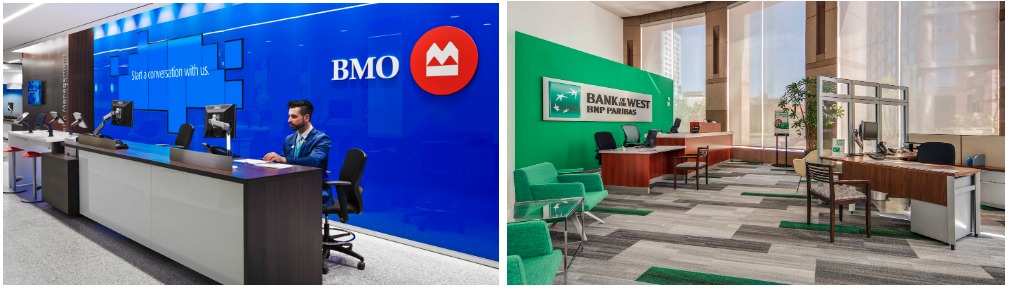
The useful unit here is the avoided return trip. A photograph answers the question its photographer anticipated. A navigable model lets the next person ask a different question. Where does that corridor lead? How much space surrounds the counter? The original visitor need not have guessed every future concern.
A camera that remembers the room
The idea started with a gaming device. In a 2018 Y Combinator interview, co-founder Dave Gausebeck recalled investigating Kinect’s depth data with Matt Bell in 2011. They wanted to make capturing three dimensions feel as accessible as taking a picture. He described adjustments over the years, but no fundamental pivot.
Matterport’s expertise sits in the connection between computer vision, capture hardware and cloud reconstruction. An operator records overlapping positions. Software joins imagery and depth information into a space people can explore in a browser. Its dollhouse view pulls the building apart visually, making the relationship between rooms legible at a glance.
The products extend beyond that view. Teams can add tags, take measurements and order floor plans or technical deliverables. Pro3, introduced in 2022, uses LiDAR for indoor and outdoor capture. Customers can also use supported phones or cameras, or book technicians through Capture Services. Buying the hardware is one route into the system.
The bill outlives the camera
That distinction explains the business. Matterport sells cameras and services, but subscriptions generated $99.6 million of its $169.7 million revenue in 2024. Product revenue was $28.8 million. The device brings a building online; the commercial relationship continues while customers host and use their spaces.
The price deserves arithmetic. At the October 2026 research check, Professional 10 listed $90 a month when billed annually: $1,080 for the year. A promoted Pro3 Plus package listed $1,995 upfront with Professional 50 at $245 monthly for 24 months. Those advertised components total $7,875 before taxes and extras.
Plans revolve around Active Spaces. Capture labor, travel, technical exports and the need to update a model can add expense. The sensible comparison is your existing documentation workflow. A photographer serving occasional listings and a facilities team managing recurring projects have different reasons to pay, even when both admire the same walkthrough.
The room has to stay useful
Danone offers a different test. A factory visit may require protective clothing and safety procedures before a specialist reaches the equipment. In Matterport’s customer account, Danone reported reducing employee site visits by up to 50%. Remote teams could discuss production areas together and check whether equipment would fit.
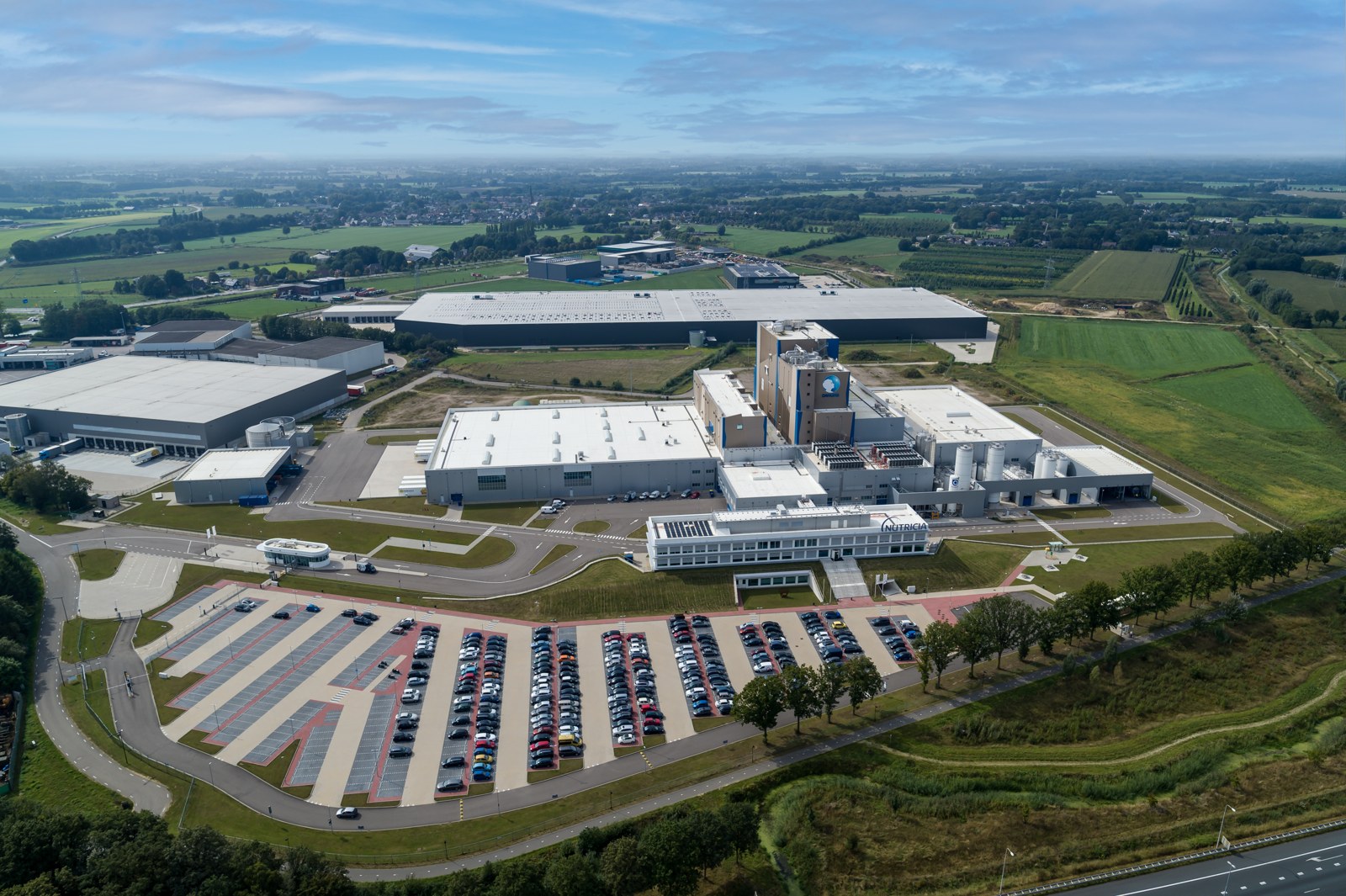
Integrations help the model participate in actual work. Autodesk Construction Cloud connects design deliverables and construction issues; AWS IoT TwinMaker can connect spatial context with operational data. A scan alone records a moment. Live monitoring needs that additional data connection, and a moved machine still creates a documentation problem.
Capture has physical limits, too. Pro2’s infrared depth sensing struggles in direct sunlight. Pro3 addresses outdoor capture with LiDAR, but moving people or vehicles can still cause alignment trouble. Windows require care. Precision requirements must match the device. A convincing visual model does not settle every engineering measurement.
The next person gets to ask a question the original visitor never thought to ask.The practical advantage of a shared spatial record
That makes adoption an organizational choice as much as a camera choice. Decide who may see a space, which decisions can rely on it and what change triggers a new capture. A contractor needs a trustworthy record of existing conditions. A buyer wants to understand the route from kitchen to bedroom. Giving each the right view takes a little planning.
The appealing habit to copy is to reuse information before collecting it again. If a team already has a recent scan, open it at the start of the discussion. If the question concerns a hidden component or a changed room, arrange the visit. The model earns its keep when people know both what it contains and when to stop relying on it.
CoStar buys the view
CoStar completed its acquisition on February 28, 2025, following a deal announced at approximately $1.6 billion enterprise value. At closing, it reported Matterport had digitized more than 14 million spaces across 177 countries. Alongside CoStar’s property marketplaces, those spaces offer another way to examine what a listing describes.
Matterport occupies ground between listing media and technical reality capture. Zillow offers free 3D Home tours for residential listings. Leica’s BLK360 ecosystem serves precision scanning workflows. Matterport combines capture, presentation, hosting and building documentation; the value of that combination depends on which jobs a customer actually needs.
Its 2025 Marketing Cloud launch pushed further into packaging photos, tours, video and descriptions from a property capture. The same principle keeps resurfacing: give the original visit more work to do. For a prospective customer, start with one building and one repeated task. Count the trips, delays and missing information. Assign somebody to update the record. Then see whether the next meeting needs plane tickets, or simply a link.