Jeremy Green’s route into cannabis ran through a circuit board. Before dosist, before 14TH ROUND, before Final Bell, he worked on electronics for consumer and industrial products. The list included LED lighting and controls for machinery. His working materials were the small, unromantic components that decide whether a larger object behaves as promised. A circuit does not become more cooperative because the packaging is handsome.
Green has described taking apart early electronic cigarettes with his business partners and looking for ways to improve them. One change involved replacing separate wires with a flexible circuit, drawing on technology they had used in other electronics work. The question was practical: could a familiar manufacturing technique make a different product more reliable?
That question runs through the businesses he later helped build. At dosist, it concerned a particular device. At 14TH ROUND, the work extended to hardware and packaging for other brands. At Final Bell, it reached into the arrangements that move products through manufacturing and into different markets. The scale changed. The need to make the parts work together remained.
The device becomes a business
Green co-founded dosist in 2016 and helped create its dose pen. He served as chief operating officer from June 2016 to December 2018. During that period, the company grew from launch to more than 100 employees. Those responsibilities placed product development and the organization around it in the same chapter of his career.
The product had a specific design proposition: a controlled experience delivered through a small electronic device. The original pen used a timed shut-off and vibration to signal the end of a draw. Its recognition among TIME’s inventions of 2016 brought attention to a piece of cannabis hardware as a designed consumer object.
Even the name moved toward the mechanism. The business originally called hmbldt announced its change to dosist in December 2017, centering its identity on dosage and its controlled devices. The announcement said customers would see logo adjustments while the existing devices and formulas stayed in place. A new name arrived around an established product idea.
Green’s own next step widened the assignment. In 2018, he co-founded 14TH ROUND. The company offered design and technology services to cannabis businesses, bringing engineering and manufacturing into the work of developing a brand’s physical products. The customer could be another company with its own name, audience, and plans.
“a testament to our infrastructure and our team”
Jeremy Green, on 14TH ROUND’s growth, November 2021
A box has engineering, too
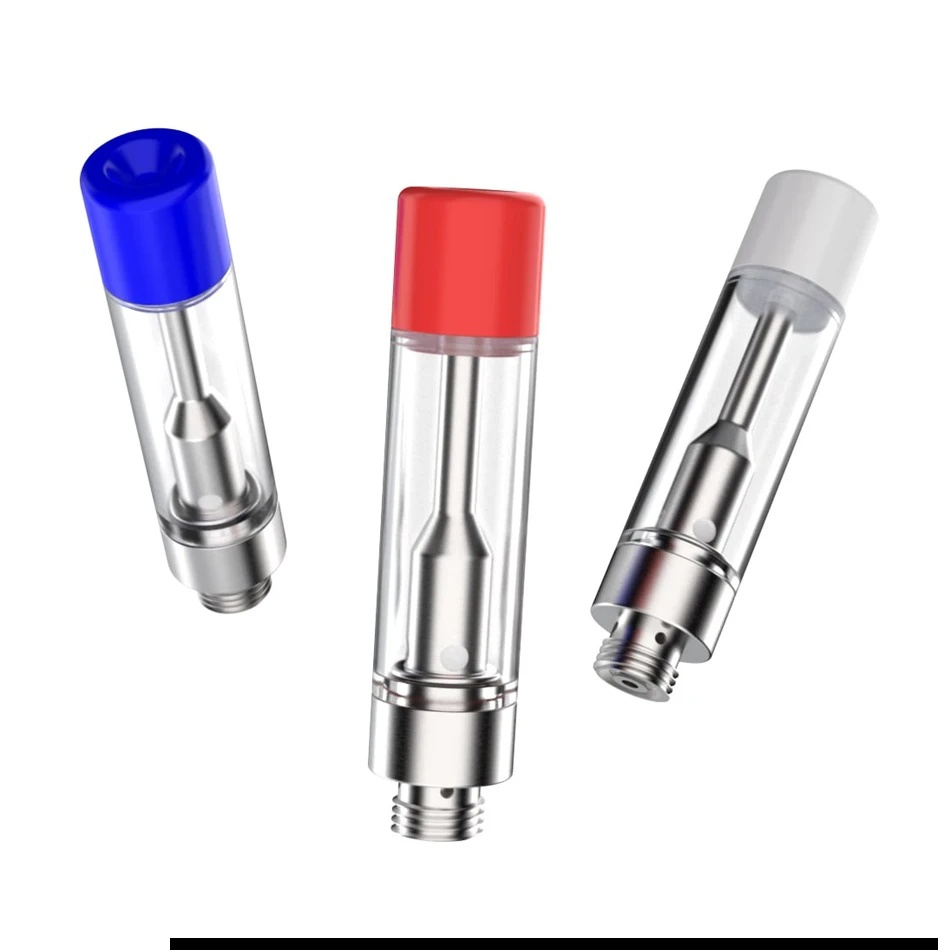
14TH ROUND’s remit included custom vaporizer hardware, engineering, branding, manufacturing, and child-resistant packaging. That last category can sound like the closing item on a shopping list. In practice, it brings another set of design requirements to the object a customer opens and handles. Packaging has to fit the product and its intended use as well as carry the brand.
In 2020, the company acquired Uneka, a packaging design and engineering business. The move added capabilities beyond the vaporizer itself, including packaging categories for flower and edibles. Green’s public biography also described his work on operating procedures and facility layouts. His assignment reached both the product and the place where people made it.
There was a creative operation alongside the technical one. Ann Skalski, then 14TH ROUND’s brand director, described an in-house Playa Vista team covering brand voice, logos, point-of-sale materials, digital messaging, and photography. Hardware design took place locally, while the business also operated facilities in Shenzhen. The work crossed disciplines and an ocean.
The range helps explain why a simple description such as “vape company” leaves so much out. A brand partner might need a device, but also a package, manufacturing support, and a visual identity that makes those pieces belong together. Each deliverable introduces another handoff. Somebody has to keep the drawing, the components, and the finished presentation in agreement.
By June 2020, 14TH ROUND was also preparing its financial organization for growth. It appointed Paul Bozoki as chief financial officer and engaged capital-markets advisers ahead of a planned public listing. The announcement named Trent Overholt as CEO at that time. Green would be identified as CEO in the company’s November 2021 growth announcement. The titles changed as the business developed.
Green also gave a practical account of how the teams met. When welcoming project manager Jamie Fune in a public post, he described a role working with account management and design so brand partners had accurate information and the resources their projects needed. The job connected people developing the product with people keeping the customer informed. It was a small personnel announcement with a specific description of the work, down to who would collaborate with whom.
Growth, with the dates attached
In 2021, 14TH ROUND ranked No. 130 on the Deloitte Technology Fast 500 and No. 5 in its Electronic Devices/Hardware category. The associated company announcement reported revenue growth of 1,049 percent across the ranking’s 2017-2020 measurement period. The dates belong beside the figure: it describes a historical growth window, rather than a current annual rate.
Green credited the infrastructure and the team. The business then described operations in Los Angeles, Shenzhen, and Dongguan, serving brand customers in the United States and Canada. Its reported growth had taken place through disruption to international supply chains. Managing manufacturing relationships was already part of the product work, rather than an administrative chore waiting until the design was finished.
Overall rank / 2021
Overall rank / 2022
The following year brought another marker. 14TH ROUND appeared at No. 1,724 on the 2022 Inc. 5000. Inc. listed Green and Eleanor Kelly as the company’s leaders and described a business working across branding, development, custom vaporizers, dispensers, and packaging. The recognition covered a company built around supplying other companies.
There is a useful distinction between that kind of growth and the visibility of a consumer brand. The supplier can expand while the name the shopper remembers belongs to its customer. Green’s companies occupied that space behind the label. The work still reached the person holding the product; the business relationship began further back along the chain.
Three companies, one production proposition
By December 2022, Green was speaking as both Final Bell co-founder and 14TH ROUND CEO about a completed business combination. Final Bell Holdings International brought Final Bell Holdings, 14TH ROUND, and Final Bell Canada into the group. Industrial design, engineering, packaging, and manufacturing were being assembled into a broader offering.
Green described the purpose as helping brands move an idea into a sellable product across multiple geographies. His stated direction looked toward conventional consumer packaged goods: brands supported by coordinated, efficient co-manufacturing. A company could concentrate on its products and customers while using specialist production capabilities behind them.
“help leading cannabis brands take products from concept to shelf”
Jeremy Green, December 2022
That proposition became concrete in March 2023, when Cookies announced a partnership with 14TH ROUND and Final Bell. The allocation of responsibilities was unusually easy to follow. 14TH ROUND would supply hardware and packaging. Final Bell would provide co-manufacturing for Cookies’ cannabis products in California and Canada.
California + Canada
The agreement also described logistical and operational support, inventory management, automation equipment, procedures, training, and technical assistance. This was a partnership about how products would be made as well as what would appear on shelves. Green emphasized supply-chain coordination, continuing innovation, and processes that could be repeated.
For a founder whose earlier work included printed circuit boards, the connection is straightforward. The individual component has to perform inside a larger system. Here, the components were businesses, each carrying a defined responsibility. The partnership put their respective jobs into public view.
A different kind of scale
The operating model continued to change. In September 2024, Final Bell announced a binding agreement to sell its California manufacturing subsidiaries to Vassar Wellness Enterprises. Completion remained subject to regulatory approvals and customary closing conditions. The company described a strategic direction centered on product, brand, and process innovation.
Green’s comments focused on the product-development pipeline, manufacturing efficiencies, and expansion of owned and partner brands. He described California as the foundation for innovation while pointing to the company’s service model in New York and plans for further geographies. The ambition involved taking expertise into more places through different operating arrangements.
Then came a broader leadership role. On October 22, 2024, Final Bell Holdings International announced Green’s appointment as CEO, effective October 1. Robert Meyer moved from CEO to executive chairman. Nicole Frederick became CFO. Green, previously CEO and co-founder of subsidiaries Final Bell Holdings and 14TH ROUND, was assigned the group’s strategic and operational activities.
His career had moved from the design of an electronic product to responsibility for companies that develop products, manage supply chains, and support brands. The earlier technical work remained relevant to the larger assignment: decisions made at one stage affect what can happen at the next. Expansion brings more of those decisions into the same conversation.
The objects remain modest in size. A cartridge. A mouthpiece. A box. Around them sit the procedures, equipment, design teams, and partnerships needed to deliver the finished article. Green’s public career gives those less visible jobs a place in the story of a consumer brand. Eventually, after the announcements and the drawings, somebody has to make the thing.