Carolyn Rodz wanted to join an accelerator. She was building her third business, living in Houston and raising a young child. The usual arrangement required several months in California or New York. In her 2017 Senate testimony, she described relocation as impossible. A service intended to help entrepreneurs had put an obstacle at its own front door.
- Hello Alice combines business guidance with grants, accelerators and financing connections.
- Its Business Health Score helps owners decide what to improve before chasing capital.
- Basic access is free; premium features and financial products have separate costs.
- A match can save searching. It cannot guarantee funding.
The accelerator that asked too much
The obvious response was to find another program. Rodz’s response was to help make a different kind. Her digital accelerator, Circular Board, preceded Alice, which debuted at Dell EMC World in May 2017. With co-founder Elizabeth Gore, she built a platform that could connect entrepreneurs with resources wherever they lived. The original emphasis was women; the ambition widened to small business owners more broadly.
The name came from Alice’s Adventures in Wonderland. Entrepreneurs, the founders explained in an anniversary account, were familiar with impossible things before breakfast. It is a charming literary reference for a company dealing with uncharming paperwork. Behind the rabbit lies a practical proposition: an opportunity is useful only if the intended recipient can find and use it.
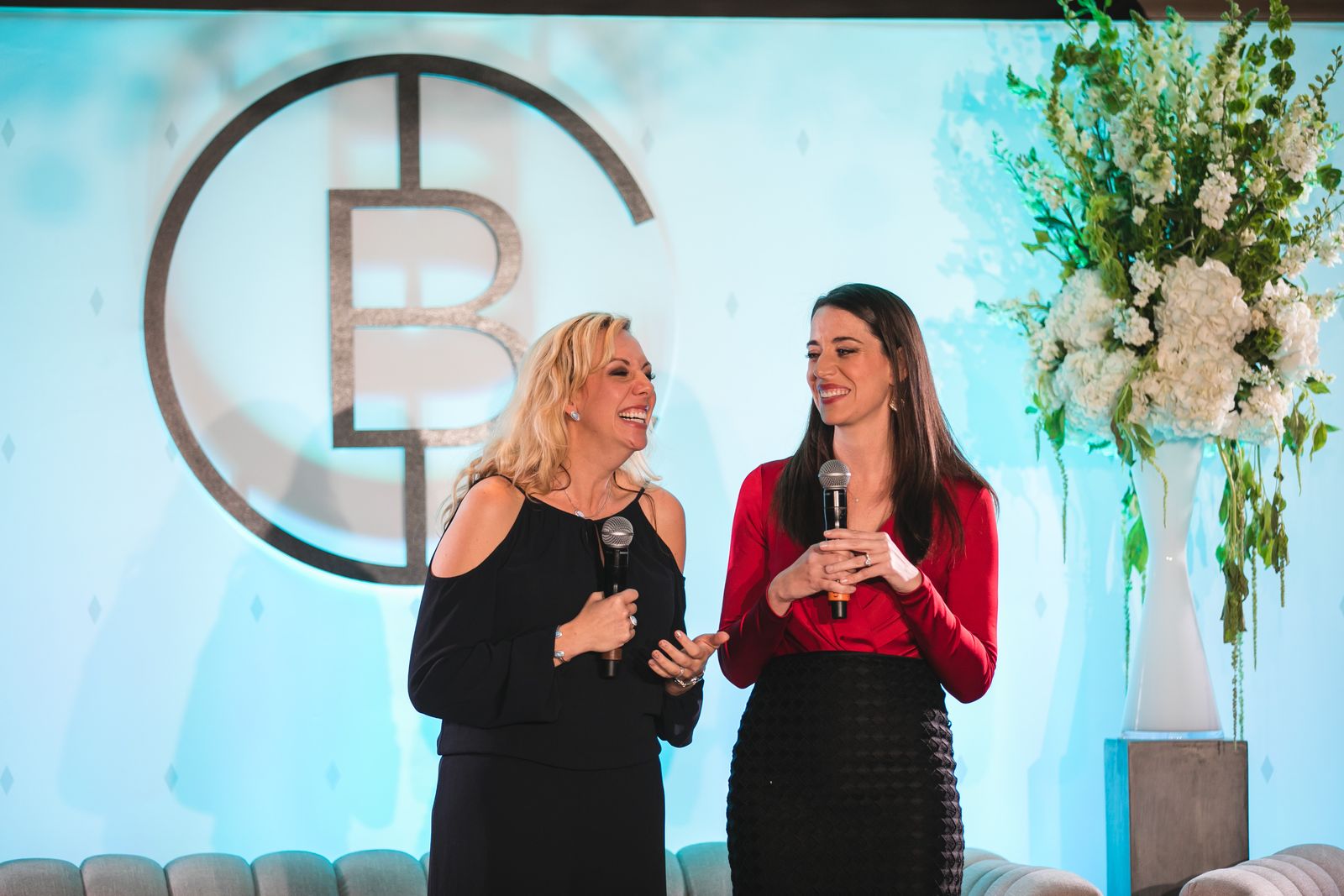
Today, Hello Alice reports more than 1.6 million entrepreneurs in its network. These are ordinary businesses across industries, not exclusively venture-backed startups. Its focus includes women, people of color, veterans, LGBTQ+ owners and owners with disabilities. Membership measures reach; it does not tell us how often every owner uses the service.
A diagnosis before a cheque
Imagine an owner asking for money to expand. The request sounds precise. The underlying problem may be less so: unreliable bookkeeping, an expensive sales process or a team already stretched past capacity. Funding can enlarge a problem as readily as a business. Hello Alice’s product design gives the diagnosis a place before the application.
The current Business Health Score examines six areas: strategy, marketing, sales, finance, operations and team. Hello Alice says it benchmarks results against industry, stage and revenue range. The assessment feeds personalized recommendations through an AI advisory board. Its value depends on turning a broad ambition into a manageable next action.
- 01DescribeBusiness stage, industry and goals
- 02AssessSix areas of business health
- 03ImproveAct on relevant recommendations
- 04ExploreFunding and partner opportunities
A conceptual map of the service. Assessment and matching do not equal approval.
The score first launched in April 2023; its current six-pillar description expands the story beyond that initial financial assessment. It is distinct from a credit score. A lender still makes its own decision, and a business owner still has to do the work. Software can identify a neglected task. It cannot reconcile the books by encouragement alone.
Capital comes through several doors. Hello Alice lists partner grants and accelerators, while its Lendflow-powered financing marketplace describes connections to more than 90 lenders and finance companies. Products include term loans, credit lines, equipment financing and invoice factoring. Grants need no repayment, but they are competitive, with their own eligibility rules and deadlines.
Free entry, several paying customers
A free account raises an excellent question: who pays? Hello Alice has more than one audience. Business owners use the guidance and opportunities. Banks and business service providers can buy enterprise engagement and analytics tools. Corporate partners support programs. Some offers disclose referral fees. These relationships help explain why a free entry point can support a commercial business.
The current terms also describe a premium AI subscription available from September 2026, with monthly or annual billing and prices shown at signup. Most services remain available without charge. Borrowing has separate economics: repayment, interest and product-specific terms. An owner should treat the platform fee and the cost of capital as separate questions.
Investors have financed the company itself. QED Investors led a $21 million Series B in 2021. The April 2024 Series C announcement named QED and Mastercard and put the company’s valuation at $130 million. That historical valuation is a price attached to Hello Alice, not money available for members to claim.
Equity with voting rights
One partnership made the company’s language unusually literal. In October 2021, NAACP Empowerment Programs became a part-owner, with voting rights and vested equity. The organization could participate financially as the company grew. This was a stake in the business, rather than an acquisition of it. Here, inclusion reached the capitalization table.
Governance also brought less comfortable lessons. In a 2021 account, Gore described investor protections adopted after the founders saw other CEOs contend with misconduct allegations. She also reported spending thousands of dollars trying, unsuccessfully at that time, to buy out an investor accused of sexual misconduct. A clause governing board authority did not make share ownership simple to unwind.
Grantmaking brought legal scrutiny too. A lawsuit challenged a Progressive program offering ten $25,000 grants to Black-owned businesses. In February 2026, the Sixth Circuit affirmed dismissal for lack of standing; rehearing was denied in May. Those procedural outcomes should not be mistaken for a blanket ruling on every targeted grant program.
The useful thing to borrow
Hello Alice sits between business education and capital distribution. A financing marketplace such as Lendio overlaps with one part of its job; human mentors and local business advisers overlap with another. Its distinctive combination is the attempt to connect preparation, opportunities and a continuing business relationship.
“time is harder than capital”Elizabeth Gore · Yale Impact & Innovation, November 2025
The lesson an owner can copy is modest: diagnose, prioritize, then seek the appropriate help. Honest inputs matter. Grant eligibility does not establish competitiveness, and AI guidance needs checking before consequential decisions. A specialist accountant or lawyer remains necessary for questions requiring their expertise.
The company is also bringing people together physically. Its 2026 Main Street Rising Tour, convened with Google and Etsy, combines practical AI workshops, peer conversations and pitch opportunities. Digital access and an actual room can serve the same purpose: shorten the distance between an owner’s question and someone who can help answer it.