Company Profile · Consumer Hardware
Garmin Spent 35 Years Being Unfashionable - Then the Fashionable Watch Blinked
It builds watches for people who leave the pavement, cockpits for people who leave the ground, and sonar for people who leave the dock. In 2025 the unglamorous approach paid a record $7.25 billion.
In 1989, two engineers named Gary Burrell and Min Kao decided the future belonged to a fleet of satellites the U.S. military was still finishing. They started a company in Lenexa, Kansas, and named it by stapling their first names together - GARy and MIN. The result sounds like a Scandinavian furniture line but has spent 35 years doing something very few consumer-hardware companies manage: staying alive, staying independent, and staying profitable through the single most disruptive gadget of the century.
That gadget, of course, was the smartphone, and by rights it should have been an extinction event for Garmin. For a while it looked like one. Today, though, Garmin sits on a record $7.25 billion in 2025 revenue, roughly 23,000 employees, and a product line that spans the human wrist, the airplane cockpit, the boat helm, and the ocean floor. The story of how it got here is less about genius and more about a stubborn refusal to build the products everyone else was building.
What it doesA company shaped like a five-pointed star
Garmin is organized into five business segments, and the shape matters more than the names. There is Fitness (running watches, cycling computers, the Forerunner and Venu lines), Outdoor (rugged fenix and Instinct watches, handheld GPS, and the inReach satellite communicators), Marine (chartplotters, radar, autopilots, and the LiveScope sonar that shows anglers fish in real time), Aviation (certified flight decks and displays that ship inside real airplanes), and Auto OEM (the in-car computing and displays Garmin builds for automakers).
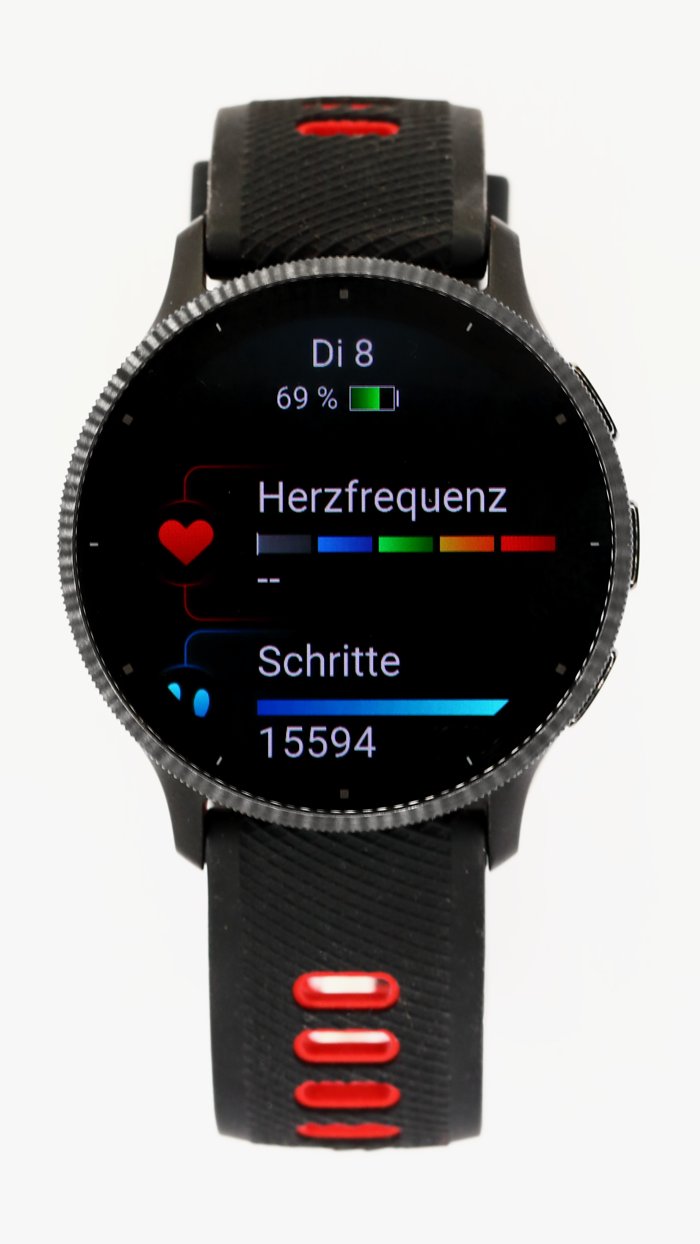
Most companies would have shed three of those five during any given decade. Garmin kept all of them, and the logic is a hedge as much as a strategy: when consumer fitness cools, aviation and marine - slower, higher-margin, harder to disrupt - keep the lights on. In 2025 every one of the five segments set a revenue record at the same time, which is the corporate equivalent of a full house.
Where the $7.25 billion came from
Garmin FY2025 revenue by segment - approximate, USD
Who buys itThe people the smartphone forgot
Garmin's customer is easy to describe: it is whoever the phone gives up on. A phone is a fine navigator until you are 40 miles into a trail with no signal, or 12 hours into an ultramarathon on a dying battery, or in a canyon where the only thing overhead is a satellite. Garmin builds for the moment the pavement ends. Its buyers are runners, cyclists, and triathletes; hunters, hikers, and backcountry skiers; sailors and anglers; pilots and the manufacturers who fit out their aircraft.
That focus explains the company's oddest and most durable advantage - battery life. Where a mainstream smartwatch is charged nightly, a Garmin fenix is measured in weeks, and an Instinct in the solar-charging models can, in the right conditions, run nearly indefinitely. For a weekend jogger this is a nice-to-have. For someone who is genuinely far from a wall outlet, it is the entire point.
The pivotHow losing the car saved the company
Rewind to the mid-2000s and Garmin was, to most people, the plastic box suction-cupped to a windshield - the nüvi. Automotive navigation was the profit engine. Then, in 2007, Apple put a free map with turn-by-turn directions into every pocket, and the standalone GPS unit became a museum piece almost overnight. Garmin's most valuable business began evaporating in real time.
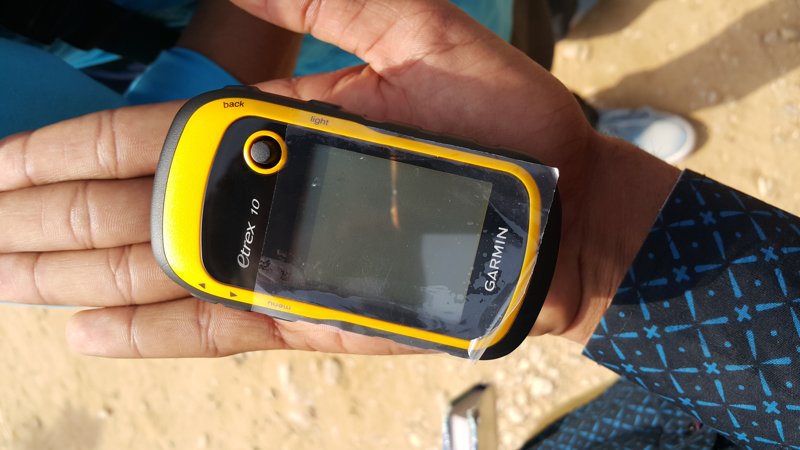
The company's response was not to fight for the dashboard but to abandon the road. It pushed harder into the places a phone could not follow: the wrist, where it turned GPS running watches into a category it now dominates; the water, where it kept buying and building marine electronics; the sky, where certified avionics carry regulatory moats a software update cannot cross; and the backcountry, where the 2016 acquisition of DeLorme gave it the inReach satellite platform. The lesson founders love to quote is exactly this - when a giant floods your market, do not stand in the flood. Go where the giant structurally cannot.
The moatWhy it still builds in Kansas
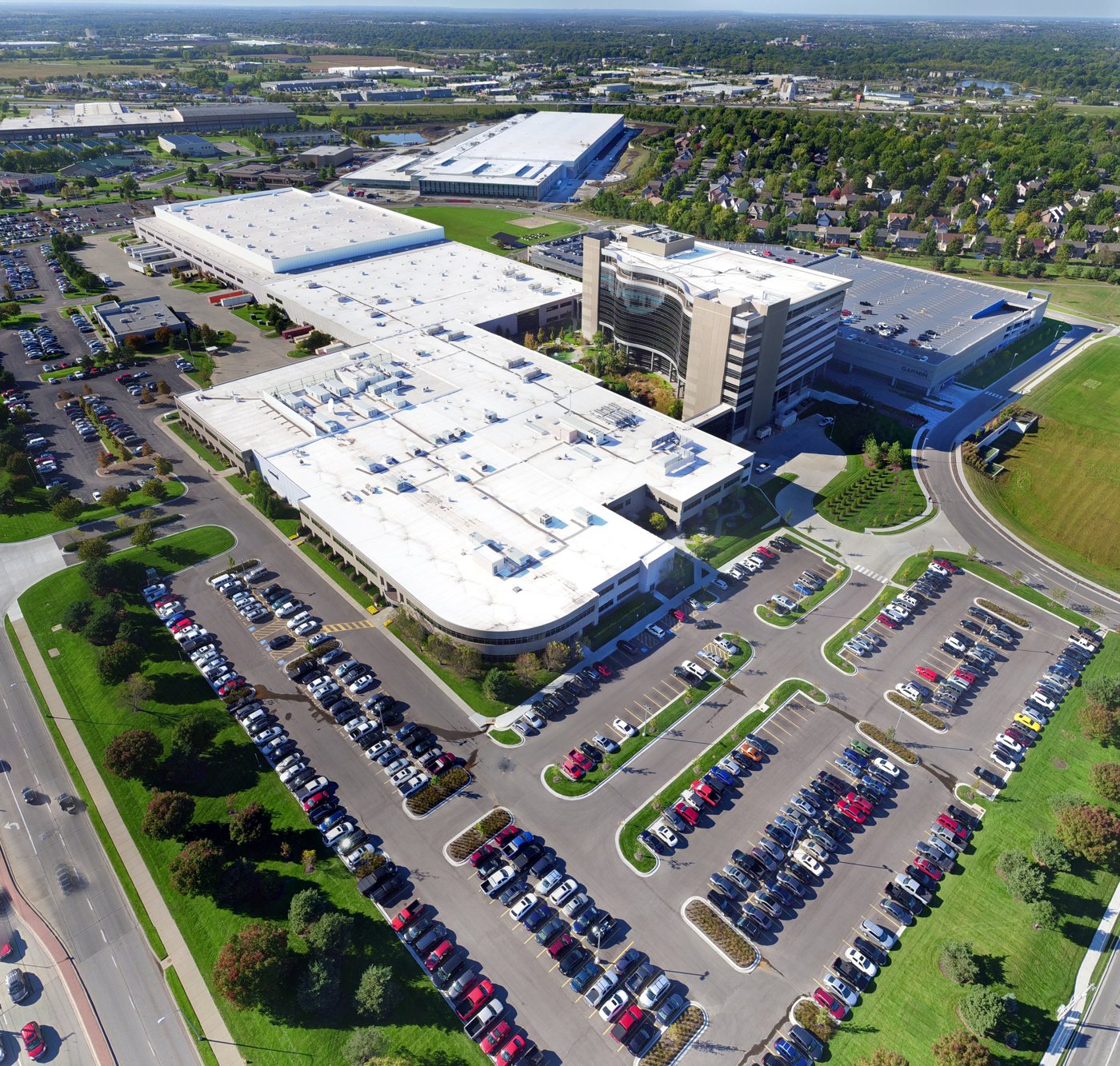
The least fashionable thing about Garmin is also its best-kept secret: it is vertically integrated. In an industry that outsources almost everything to contract manufacturers, Garmin designs, engineers, and builds a great deal of its own hardware in-house, with major operations in Olathe, Kansas and in Taiwan. It has controlled its own chips, displays, and firmware rather than renting them.
That control is precisely what lets Garmin ship a two-week battery, a MicroLED display, or a diving computer rated to depth - things a company assembling off-the-shelf parts cannot easily match. Owning the stack turns a spec sheet into a moat. It is slow, capital-heavy, and deeply out of step with the asset-light software gospel of the last 15 years. It is also, in 2025, printing record profit.

The business modelSell the box once, keep the athlete for a decade
Garmin still makes most of its money the old-fashioned way - selling a device once. But the smarter mechanics are underneath. A serious runner who buys a Forerunner is not buying a watch; they are opening an account. Years of training data, personal records, and route history live in the free Garmin Connect app, and that history is a switching cost. Leaving Garmin means leaving your own past behind. The next upgrade, and the one after that, tends to be another Garmin.
On top of that loyalty sits a growing layer of recurring revenue. inReach satellite messaging is a genuine subscription - you pay monthly for the ability to text, track, and trigger an SOS from anywhere on Earth. Aviation customers pay for chart and database updates. And in 2025 Garmin launched Connect+, its first consumer premium tier, testing whether hardware loyalists will also pay a monthly fee for deeper insights. It is a careful, unhurried move into software margins by a company that has never needed them to survive.
The competitionSurrounded on every side, cornered on none
Look at any single Garmin segment and you will find a bigger or louder rival. In smartwatches it is up against Apple, Samsung, and Google's Fitbit. In dedicated sports wearables and bike computers it spars with Polar, Suunto, Coros, and Wahoo. In marine it faces Raymarine and Navico's Simrad and Lowrance brands. In aviation it shares the sky with Honeywell and Collins Aerospace. In legacy car navigation, TomTom is the name from the same era.
What almost no competitor does is all of it at once. Apple has no fishfinder. Suunto has no flight deck. Honeywell does not make a running watch. Garmin's breadth is the point: the same GPS and sensor expertise that guides a marathoner also guides a fishing boat and a Cessna, and the costs of that R&D spread across five markets instead of one. Being second place in five races can beat being first in a single one that a bigger company decides to enter.
The foundersThe quietest story in consumer electronics
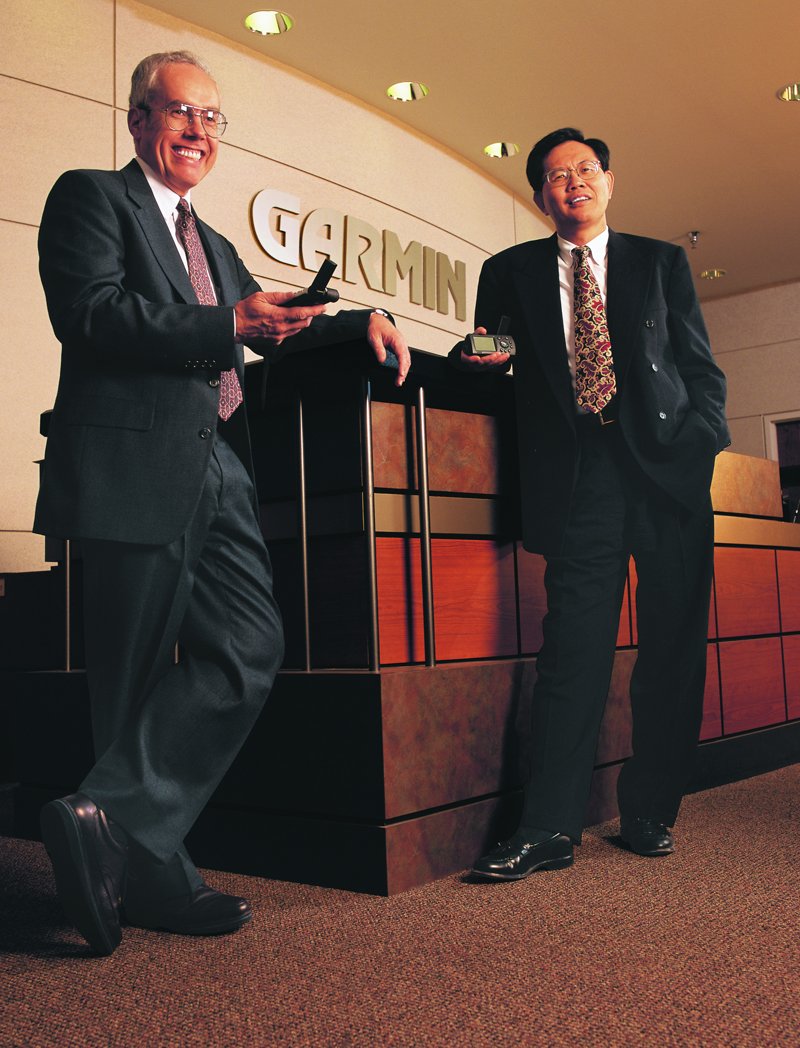
There is no charismatic-founder mythology here, which is part of the charm. Gary Burrell came up through King Radio and Lowrance, an electrical engineer of the practical school. Min Kao earned his doctorate in electrical engineering and did the early breakthrough work on the GPS software that became Garmin's foundation. They built a company, took it public in 2000, and largely let the products do the talking. Burrell died in 2019. Kao remains executive chairman, with Clifton Pemble as president and CEO, and the culture they set - engineering-first, low-drama, allergic to hype - is still visibly the company's operating system.
Where it fitsThe specialist that outlasted the generalists
Garmin's place in the market is the specialist's place, defended widely. It will never sell as many watches as Apple, and it does not try to. It sells to people for whom the device is not an accessory but a tool they depend on when things get remote, wet, high, or dangerous. That is a smaller market than "everyone with a phone," but it is deep, loyal, and willing to pay - and, crucially, it is a market the platform giants have structural trouble serving well.
For anyone building a hardware company in the shadow of a trillion-dollar platform, Garmin is close to a case study you can copy: pick the ground the giant cannot stand on, own your manufacturing so your specs cannot be cloned, turn a customer's own data into the reason they stay, and be patient enough to look boring for a very long time. The parts that would not work elsewhere are the honest ones - it only pays off if your niche genuinely needs specialized hardware, and only if you have the balance sheet to fund your own factories while the fashionable companies laugh. Garmin had both. In 2025 the laughing got quieter.