fitness-tracker
(3)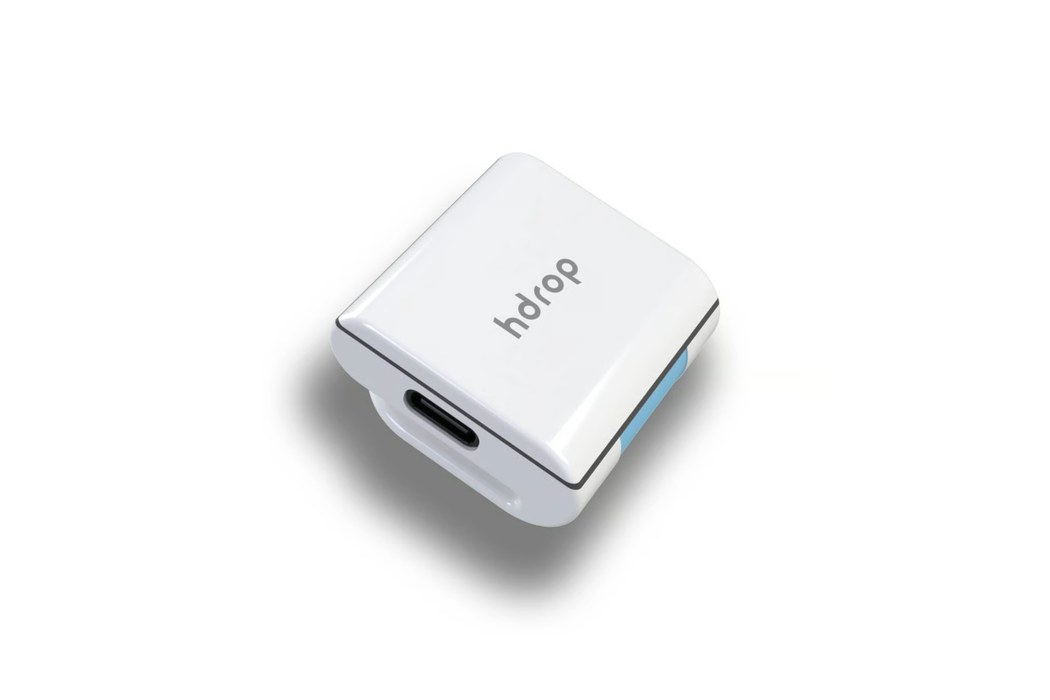
hDrop Put a Sweat Lab on Your Arm - Then Its Hardest Customers Broke the Math
The Little Rock startup sells a $249.99 reusable sweat sensor for athletes who are tired of generic hydration advice. Its most revealing lesson is also its least glamorous: the hardware matters, but calibration, repetition and a stubborn respect for messy bodies matter more.
Garmin Spent 35 Years Being Unfashionable - Then the Fashionable Watch Blinked
It builds watches for people who leave the pavement, cockpits for people who leave the ground, and sonar for people who leave the dock. In 2025 the unglamorous approach paid a record $7.25 billion.
Fitbit Air 30-Day Review: The $99 Subscription-Free Wearable Tested
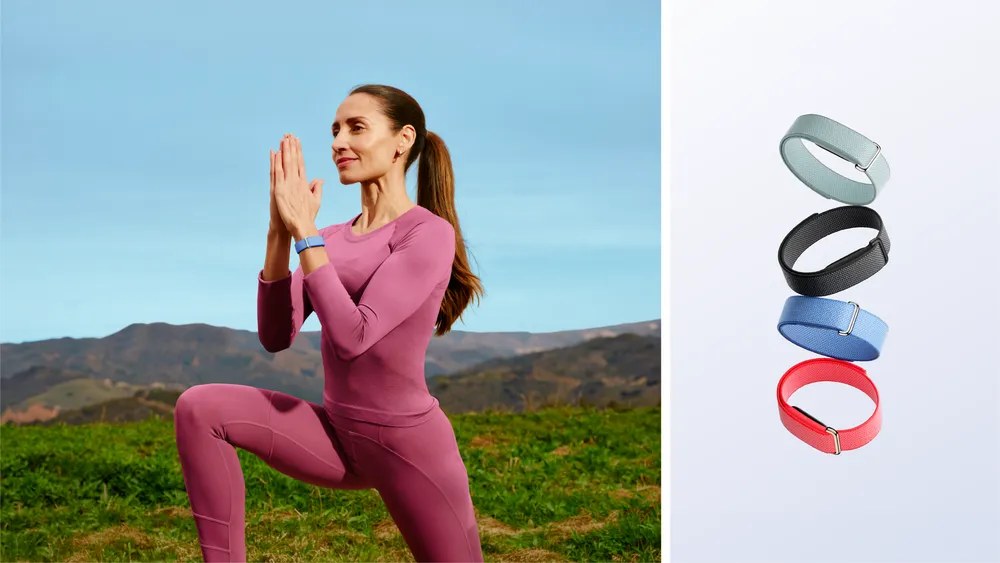
A hands-on 30-day review of the $99 Fitbit Air, a screenless, subscription-free wellness wearable. The reviewer wore it every day for a month through international airports, a week-long tennis camp in Bali, and intensive training in tropical heat, comparing it head-to-head against WHOOP 5.0. The verdict: the Fitbit Air excels at comfort and sleep tracking and offers roughly 80% of the value at 20% of the cost, but its thin, older sensor hardware lags behind WHOOP during high-intensity exercise, and the Google Health app is still rough around the edges.