Consider the player who wants a handful of coins but refuses to buy them. To a game studio, this person looks like an awkward customer: enthusiastic about the product, unmoved by the checkout. SponsorPay, the Berlin business that became Fyber, saw another possibility. An advertiser could pay for an action. The player could receive virtual currency. The studio could collect real money. Everyone would leave with something different.
- Turn non-paying users’ activity into advertiser-funded rewards.
- Let competing buyers bid for mobile ad space through FairBid.
- Test the extra revenue against the experience people came for.
The bargain behind the button
Founded in 2009 by Andreas Bodczek, Janis Zech and Jan Beckers, with Team Europe, SponsorPay began with advertising-funded virtual goods. Its offerwall made the exchange explicit: choose an advertised offer, complete the qualifying task, receive a reward. Today’s DT Offer Wall preserves that logic. The publisher controls the offers appearing in its app; an advertiser pays for the agreed completion.
The ordinary advertising interruption became something a user could elect to do. That choice is the interesting detail. A player might decline to spend cash yet willingly spend time. For advertisers seeking installs or engagement, that time has a price. The offerwall connects two budgets that would otherwise pass each other without meeting.
By July 2014, the company’s ambitions had outgrown its name. SponsorPay became Fyber, presenting a mobile platform for mediation, advertising demand and user acquisition. Its announced customers included GREE, Glu Mobile and Cie Games. Bodczek described the mission as to “unify the fragmented mobile advertising ecosystem.” Fragmentation was a business opportunity with a rather tedious job description.
“unify the fragmented mobile advertising ecosystem”
Andreas Bodczek · July 2014
The first problem was people
The early obstacles were less glamorous than an advertising algorithm. In a February 2011 interview, Bodczek said the company needed time to understand Europe’s different markets. He singled out user experience as a lesson from that first year. An offer that made economic sense still had to make sense to the person completing it.
That September, he described a complete restructuring of the US team. The initial task had been winning game publishers quickly. The work subsequently required more advertiser business, mobile expertise and better management of existing accounts. His practical observation was that local entrepreneurial teams worked best when connected to established systems and customer relationships.
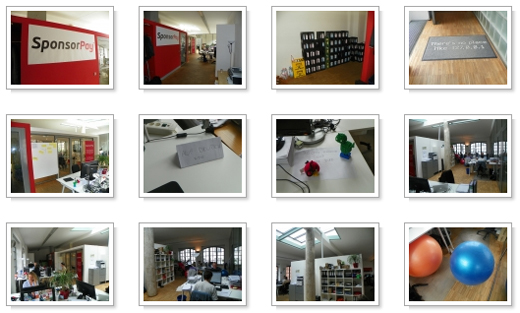
Mobile expansion also received actual money. Nokia Growth Partners and existing investors supplied $5 million in growth financing in February 2011. The announcement tied that capital to extending the online model onto smartphones. The change had a declared purpose, an investor with mobile connections and a product to build.
A queue becomes an auction
A publisher has another problem once advertisements are inside the app: which buyer should get each opportunity? Traditional waterfall mediation offers the placement to networks in a configured order. That order expresses expectations about value. Bidding asks participating networks to price the opportunity now. FairBid, launched in February 2018, made that competition part of Fyber’s pitch.
DT FairBid still supports both methods. Developers add an app, define placements, connect networks and configure their instances in the console. The exchange supplies programmatic demand; mediation organizes the competing sources. Google’s bidding integration, announced in 2022 and expanded to open beta in 2023, illustrates the value of adding another buyer to the same room.
This is an integration and auction business, with expertise in SDKs, reporting and ad delivery. AppLovin MAX and Unity LevelPlay also offer mediation and bidding. Fyber’s case therefore depends on its demand relationships, implementation and results for a particular app. The existence of an auction is no longer enough to distinguish it.
Free software, carefully priced traffic
The current online publisher service order gives DT FairBid to publishers free of charge. Payments from mediated networks are collected directly by the publisher. DT Exchange follows a separate arrangement: the default order pays the publisher 65% of net revenue, within 60 days after month-end, subject to invoice. An overriding offline agreement can change those terms.
of net revenue paid to the publisher
Read the denominator. A percentage of net revenue is not a percentage of an advertiser’s entire budget. Publishers also incur implementation work: maintaining SDKs, configuring placements and checking the experience. Software can be free while the operational decision remains expensive. More ad revenue is useful only if the app remains worth opening.
A test worth copying
Pocket FM offers a concrete example beyond games. It wanted non-paying listeners to have another way to access content and already used an offerwall. In Digital Turbine’s case study, it introduced DT Offer Wall to 20% of Android users in a controlled A/B rollout. The reported result was a 15% incremental revenue lift.
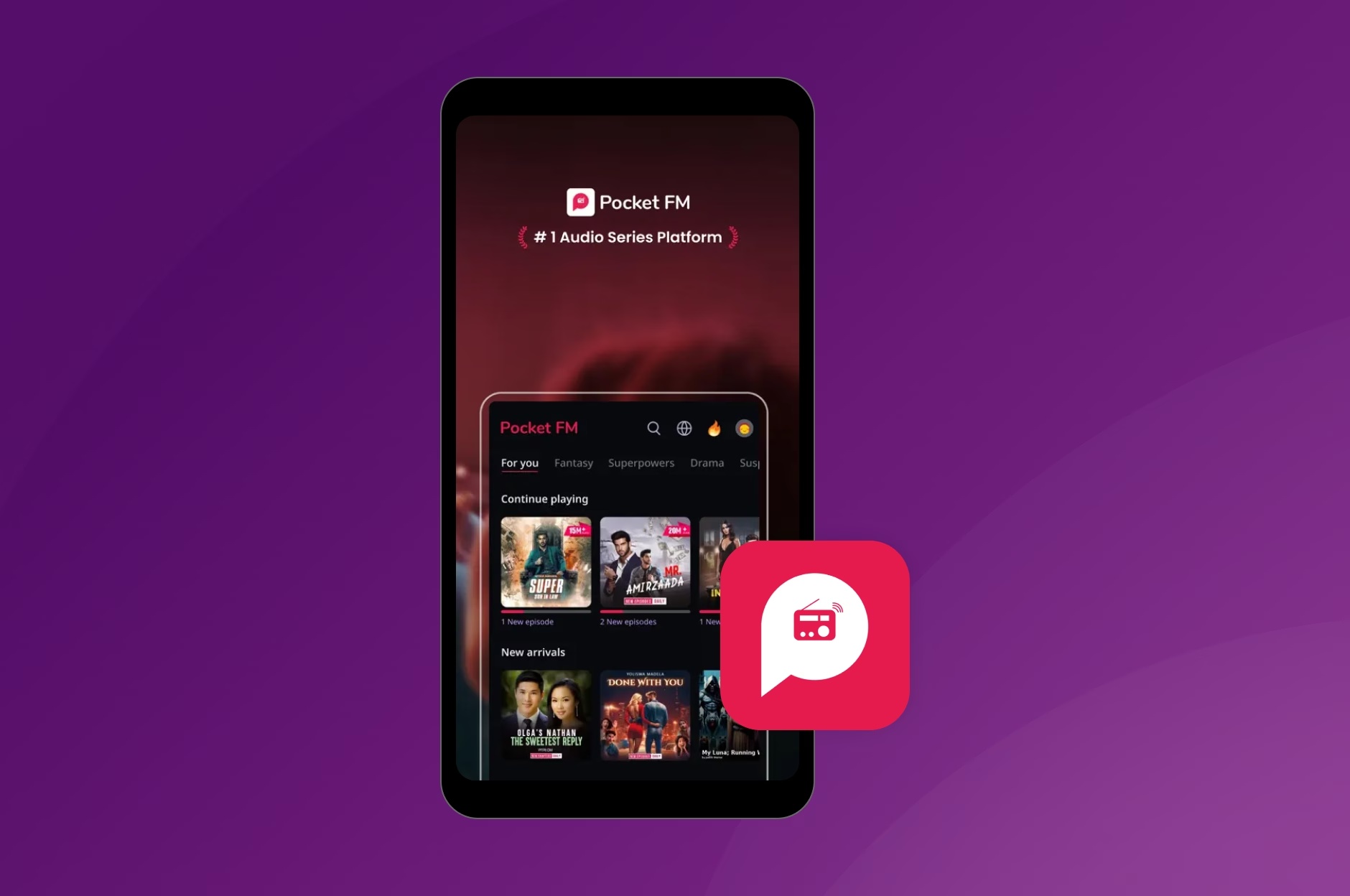
The useful thing to copy is the experiment: introduce another route to rewards, preserve the existing option and measure incremental value. That result belongs to one publisher and a vendor-published case study. It supplies a method rather than a forecast. A different audience, country mix or reward economy can produce a different outcome.
Even Fyber’s Android sample app warns that ad delivery depends on country, device and advertising identifiers. An auction cannot summon an absent buyer. Nor will rewards work equally well where users have little appetite for virtual currency or gated content. Publishers need demand and a reward people actually want.
The company behind the new name
Digital Turbine completed its majority-share acquisition of Fyber in May 2021. The announced deal valued all shares at up to $600 million: $150 million cash, $400 million stock and a possible $50 million earn-out. Its 2022 identity brought DT FairBid, DT Exchange and DT Offer Wall under one brand.
In June 2026, Digital Turbine described Fyber’s supply as a foundation of its consolidated marketplace. The name had receded; the machinery remained. Fyber’s enduring idea is modest enough to be useful: a person unwilling to buy entertainment may still choose to help finance it. The difficult work is making that bargain worthwhile for all three parties.