In one of Free Range Games' early mobile projects, the art director had a request: make the fruit wetter. The studio remembers Mai Tai Madness for its improbably glossy limes. That detail tells you more about game development than a grand declaration of purpose might. A game can demand a new physics system, a licensing deal, or simply more shine on a citrus wedge. The work is to notice which.
- Former Shaba Games developers formed the Sausalito studio in 2009.
- It makes original games and helps other studios with design, art, engineering and production.
- Return to Moria became its best-known game; Wrekless puts skate-park creation in players' hands.
- The studio also runs a performance capture operation near Los Angeles.
The company grew out of Shaba Games, the Activision studio whose staff had worked on the Tony Hawk and Spider-Man franchises. Christopher Scholz, publicly identified as Free Range's founder and CEO, helped start the new outfit after Shaba closed. It began with mobile work: High Noon, Summit X Snowboarding, and that unusually dewy tropical fruit. There was no straight line from an iPhone game to a Tolkien mine. There was, instead, a habit of moving between genres and clients without forgetting how to make a thing feel good in a player's hands.
Six games, fewer than twenty people
In 2012, the studio says it brought six games to launch with fewer than 20 people. The batch included Freefall Tournament, a browser shooter later sold to Y8.com; exercise games tied to a treadmill or bike; a mobile take on Zaxxon; and Patterns, an experimental building game made with Linden Lab. Six launches is a productivity statistic. It also hints at the commercial bargain facing an independent developer: several modest projects can keep the lights on while the team builds skills that a single long production might never require.
There was a price to experimentation. Patterns entered early access in 2013, then Linden Lab discontinued development in late 2014. Labyrinth, a card-game passion project backed by nearly 1,400 Kickstarter supporters, and its cousin SolForge are no longer on the market. Twitch Sings, which Free Range worked on with Harmonix and Twitch, closed in 2021. These were different decisions by different owners, but they share a hard lesson: making a game and keeping a game available are separate businesses. A developer can do the former well and still lack control over the latter.
The mine was a bigger bet
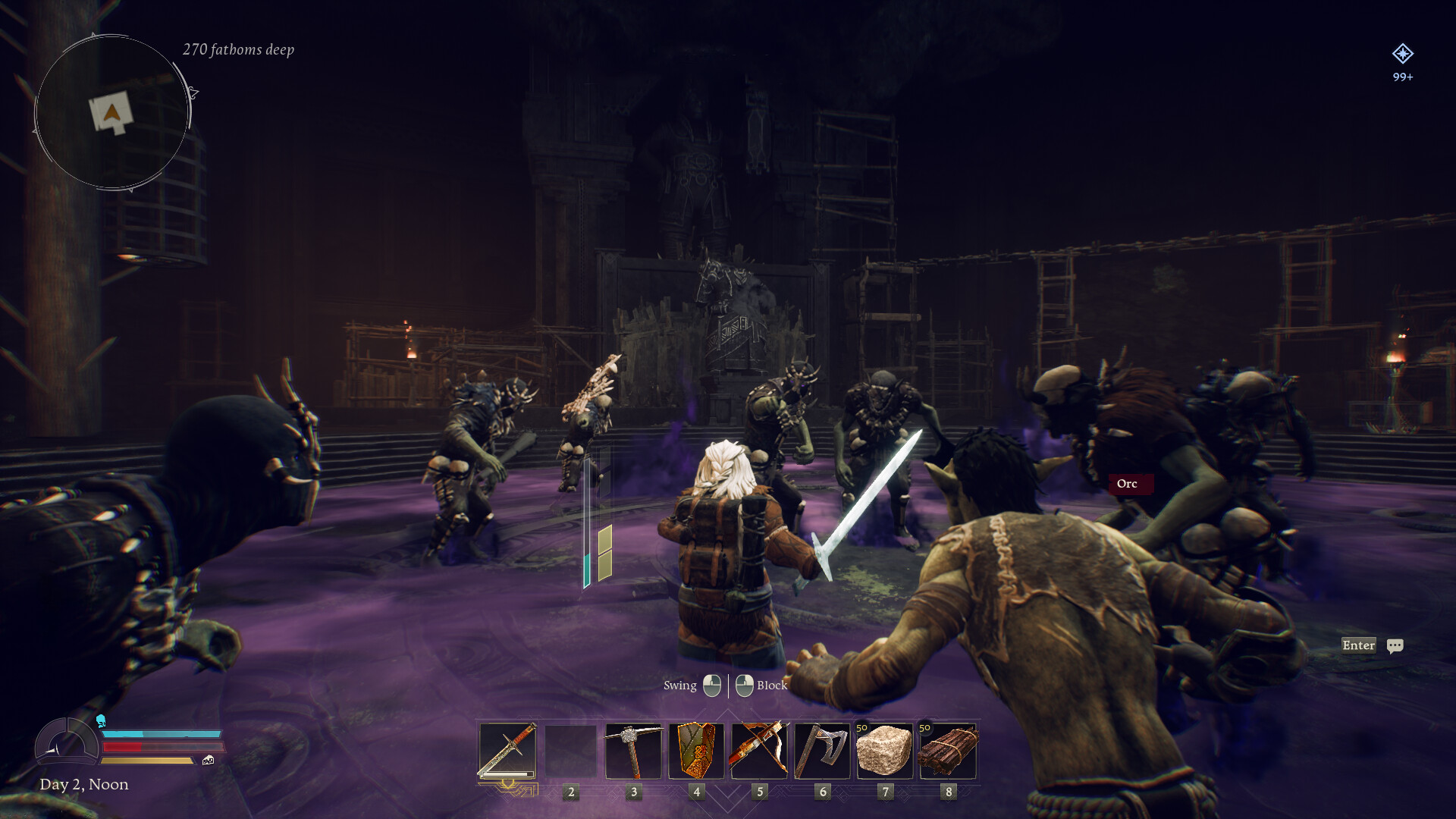
The Lord of the Rings: Return to Moria arrived in October 2023, developed by Free Range and published by North Beach Games. At launch, the announced PC price was $39.99. Players enter Tolkien's ruined Dwarven kingdom, gather materials, rebuild, and survive together. That is an unusually apt premise for a studio whose own history reads like salvage and reconstruction: take existing pieces, see what can be made of them, and bring friends.
The familiar license was an advantage, but it also raised the stakes. A Middle-earth game invites comparison with years of novels, films and other games. Free Range leaned into the underexplored work of the Dwarves: mining, crafting, repairing and singing in the dark. The studio had to produce a world players could inhabit for hours, not merely admire for minutes. Its expertise in art, engineering, animation, writing, sound and interface design all had to meet in one place.
“We have been poring over your feedback.”Game director Jon-Paul Dumont, on Return to Moria's post-launch work
That feedback changed the game. In 2024, the team discussed player ratings, its second major update and a sandbox mode. Subsequent updates extended the title across four platforms, with expansions and downloadable content. In April 2026, Dumont said patch 1.6.7 addressed frequently flagged issues, while the development team had shifted its focus elsewhere. North Beach said the game would stay online and critical issues could still be assessed. The distinction matters: a long supported game need not be an endless one.
The other business is useful hands
The company also sells expertise to teams that already own a world. For Oddworld: Soulstorm, Free Range directed, designed and created levels. Its level designer Mary Krefting worked on the opening, where a first-time player needed to learn the controls even as the scene hurried them through fire and collapse. Free Range also contributed to Striking Distance Studios' The Callisto Protocol. These credits are a practical answer to the question of how a mid-sized independent studio survives between its own releases: it becomes the collaborator another production can trust with a hard piece of work.
Its performance capture facility widens that offer. Free Range lists a 35-by-55-foot capture volume, 56 OptiTrack cameras, face and finger capture, sound booths and real-time Unreal Engine visualization. The facility's old life as a home for Shelby Cobras is a fine accident of geography; the useful part is that a client can bring performers, capture movement and voice, and see the result in a game engine without assembling a temporary pipeline. Those are business customers, alongside publishers and studios that hire Free Range for co-development. The players remain the end customers of its games.
Now give the tools away
The latest original idea loops back to Shaba's skateboarding roots. Wrekless is a social skating project in development, with a public demo released for Steam Next Fest in 2024. Its pitch reaches beyond tricks. Players can make parks, share them, skate together, join mini-games and customize their skaters. The demo limited multiplayer park instances to 20 people and held back some advanced tools; the planned full game describes sessions of up to 50 skaters.
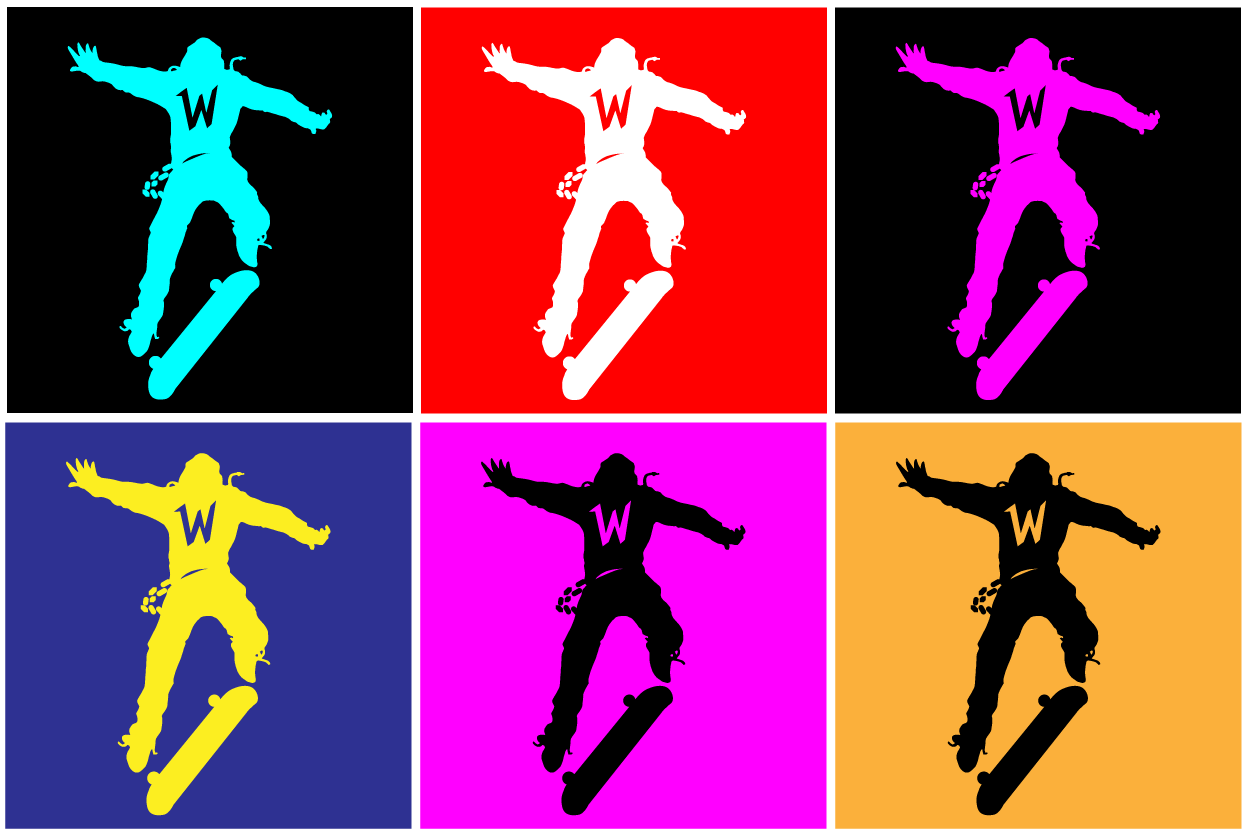
Creative director Mike Uy explained the design with a striking promise: give players the tools the studio uses to build its own content. Parks can be plausible concrete or improbable playgrounds with portals, boosters and lava. Players can skate, build, watch or film one another. The studio is betting that a community with permission to make things will supply more variety than a fixed list of developer-made arenas. It is a familiar idea in games, but here it sits naturally beside years of action-sports work and a studio culture that calls collaboration part of the product.
The conditions are demanding. Shared tools need clear controls, reliable moderation and enough players willing to create for those who would rather just skate. A licensed survival game asks for a different discipline: respect the source world, make systems work with friends, and keep patching after launch. Contract work asks a third: finish someone else's vision without insisting it become yours. Free Range Games has made a business of practicing all three. The limes were only the beginning.