There are people who remember childhood through photographs. Vanessa Phillips remembers it through dumplings. Her family ran Chinese restaurants and bagel shops in New York, and potstickers belonged to the ordinary grammar of eating at home. Then, at 20, she was diagnosed with celiac disease. The food had not changed; her access to it had. A wheat wrapper had become a locked door.
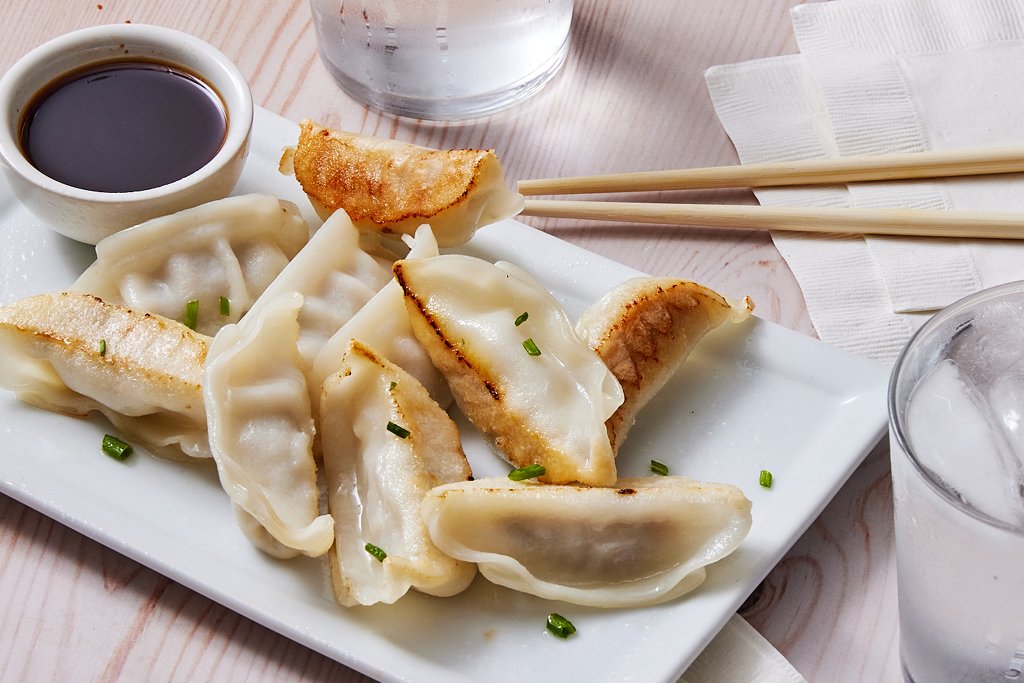
Phillips did what restaurateurs do when a dish disappears from the menu: she worked on a new recipe. With chef Tryg Siverson, she spent years trying to make a gluten-free potsticker that could stand beside the original. The work began around Friedman's, the New York restaurant she helped open, where a gluten-free menu drew people who had grown used to asking which dishes they were allowed to have. The potsticker became a restaurant special. Customers liked it. Phillips suspected its audience lived well beyond New York.
The short version
- Feel Good Foods sells certified gluten-free frozen comfort food through U.S. grocery freezers.
- Its first retail line was chicken, pork and vegetable potstickers; it now spans Asian snacks, appetizers and breakfast.
- A Ziploc sample led to an initial 27-store Whole Foods order. The first production run exposed a costly packaging mistake.
- The brand later widened its pitch from food for a dietary restriction to familiar snacks the whole table might want.
A sample bag, a buyer, and 27 doors
Phillips packed frozen potstickers into a Ziploc bag, added preparation instructions and a mock package design, and sent the lot to Whole Foods. There was no finished retail package and no co-packer waiting in the wings. Two weeks later came an order for 27 stores in the chain's North Atlantic region, covering three varieties: vegetable, chicken and pork. It was a remarkable yes, and also the moment when a pleasant restaurant experiment became a manufacturing deadline.
She moved to Boston and spent four months visiting those stores, giving two demonstrations a day, five days a week. The sample did two jobs at once. It persuaded shoppers that gluten-free dumplings could taste like food they wanted, and it let the founder hear their objections before a research firm could put them in a slide deck. The buyer later took egg rolls, and the brand expanded nationally. A small company had found an unusually direct way to turn a dietary need into evidence of ordinary demand.
Then the dumplings went soft
The first production run produced 25,000 cartons. Calls arrived almost immediately: the potstickers were turning to mush. The recipe was not the culprit. A line had vanished from the cooking directions on the box: cover pan with lid. Without that step, the dumpling did not cook as intended. The company could not afford to throw away the packaging, so people stamped a bright red correction onto thousands of cartons by hand.
The most expensive ingredient in that first box was a missing sentence.What the first production run revealed
It is a good story because the mistake is so small, and because its lesson is uncomfortably large. A frozen food company does not merely sell a recipe. It sells a sequence of events: a product made consistently, kept cold, found on a shelf, understood through a package, and cooked successfully by somebody who has never met the chef. One weak link makes the dish seem weak. The hand stamp was an improvised repair. The enduring lesson was to test the entire trip from kitchen to dinner plate.
The freezer became a menu
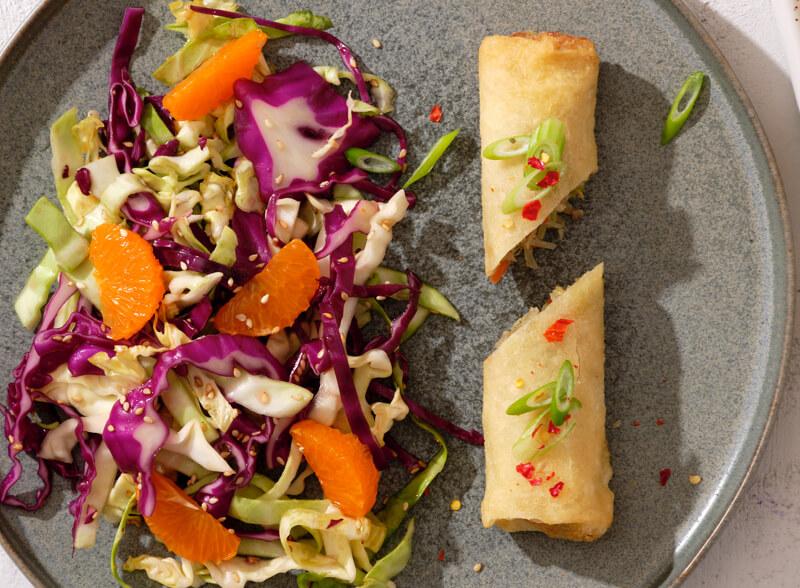
Today the product list is far wider than dumplings. The company sells mozzarella sticks, mac and cheese balls, jalapeño bites, mini pizza bagels and crispy chicken bites. Its Asian range includes potstickers, egg rolls and soup dumplings. Breakfast brings pancake balls, French toast sticks and cream cheese stuffed mini bagels. A shopper can use the food for a fast after-school snack, a party plate, breakfast or a weeknight meal. This is a branded grocery business: retailers supply the freezer doors, while the company supplies the recipes, packaging and a reason to pick one box from a crowded case.
The common thread is not a cuisine. It is the problem of missing out on a familiar food. A gluten-free mozzarella stick has to stretch; a dumpling wrapper has to hold; a pizza bagel has to survive the freezer and still feel like a pizza bagel. The company says all its products are Certified Gluten-Free, with vegetarian and vegan choices in a range that also contains meat, cheese and eggs. Its emphasis on fewer ingredients and chef-led development describes an ambition, but the practical test is still the fork: does the food behave like the comfort food on the front of the box?
How a restaurant dish becomes a freezer product
A louder name in a brighter freezer
As the brand grew, its early distinction became less lonely. Saffron Road, Amy's and Caulipower were among the alternatives competing for shoppers' attention in and around gluten-free frozen food. Phillips told Nosh in 2024 that the old Feel Good Foods package looked ambiguous and was hard to find. The company enlarged its name and made the yellow and purple design bolder after testing packages on shelves. A brand can be loved by people who know it and invisible to people who do not. A freezer door gives a shopper only seconds to close that gap.
That redesign coincided with a wider retail push. Four frozen burritos launched at Sprouts in January 2024, priced at about $3.99 to $4.99 each. Larger potsticker bags went to Whole Foods, while Hatch Chile Mac & Cheese Bites entered select California Costco stores. The company announced gluten-free chicken soup dumplings later that year, then Crispy Chicken Bites in 2025. The offerings are different, but the shelf argument is consistent: familiar, convenient food that happens to meet a strict gluten-free standard.
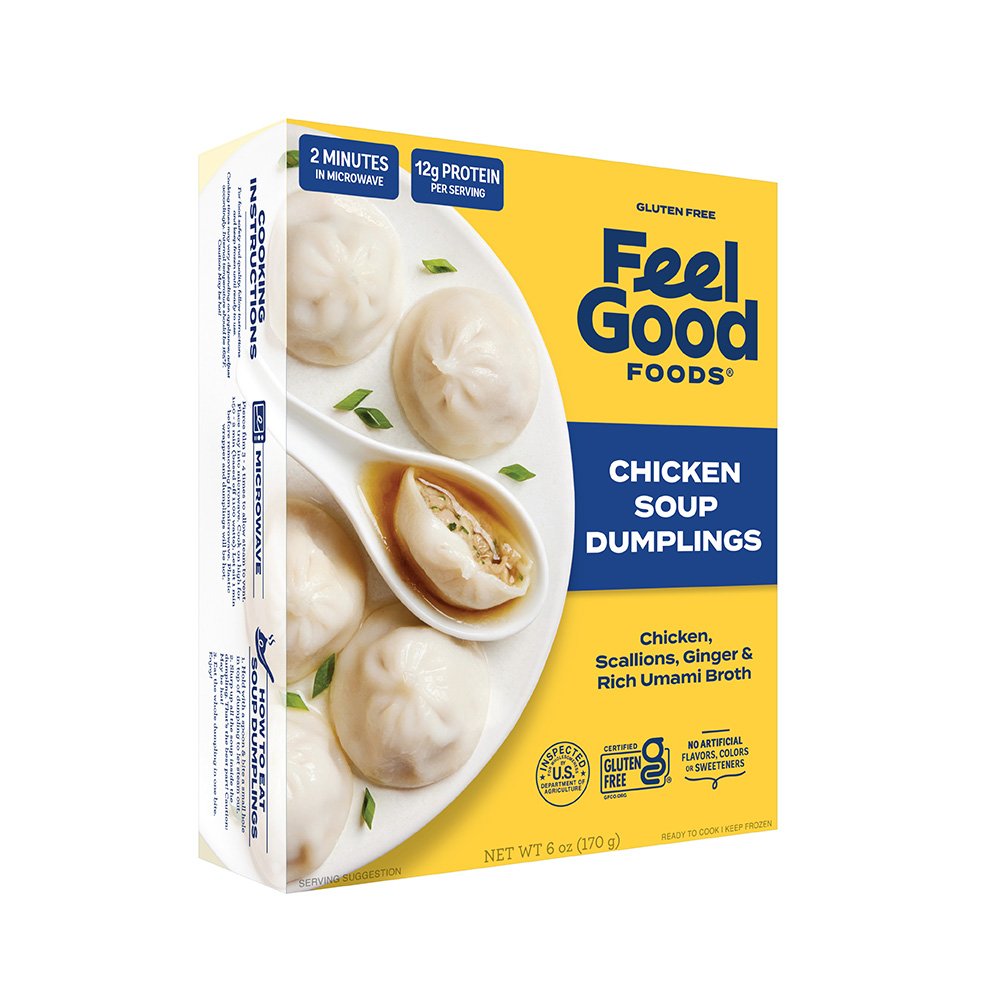
The audience has widened accordingly. People with celiac disease have a clear reason to care. So do households mixing different dietary needs at one table. But Phillips has described a newer customer who simply wants a convenient, tasty snack. That matters commercially: the gluten-free claim can earn trust without carrying the whole sales pitch. By March 2026, Phillips described the brand as reaching roughly 25,000 U.S. grocery stores, including Target and Walmart. Store counts change and depend on how distribution is measured, but the scale is far from the original 27.
What survives the trip
The copyable part of this story is not to mail food in a Ziploc bag. It is to prove demand in the nearest real setting, then watch the product behave once strangers use it. Friedman's gave Phillips a test kitchen with paying diners. Whole Foods demos gave her a conversation with the shelf customer. The ruined dumplings showed that packaging belonged inside product development, not after it. The 2024 redesign showed that even a successful product must be visible before it can be chosen.
The same approach has limits. A restaurant favorite may not tolerate freezing, transport or home cooking. A retailer's first yes may be impossible to fill without reliable production. Premium gluten-free ingredients and cold-chain distribution also have to fit a price that shoppers will pay twice. Feel Good Foods cleared enough of those hurdles to make a broader menu. Its most persuasive achievement is still the small one that started it: someone who had been told to give up a potsticker could put one back on the table.