In 2005, Excelerate Energy opened a gas terminal 116 miles off Louisiana. Seven years later, it decommissioned it. The engineering had worked. The prediction about America’s appetite for imported gas had not. Shale production changed the country’s supply balance, leaving Gulf Gateway with an awkward distinction: a successful demonstration of a business America no longer needed there.
- Put the terminal aboard a ship. Receive LNG, turn it back into gas, connect to a pipeline.
- Sell the connection. Utilities and national gas companies buy import capacity and, increasingly, fuel.
- Keep another destination open. Floating equipment can serve a different market when conditions change.
Most infrastructure has a difficult relationship with a wrong forecast. Concrete stays put. Excelerate’s central piece of equipment could sail. Some Gulf Gateway equipment was recycled into other projects. The episode offers a useful way into this company: start with the asset’s second possible life.
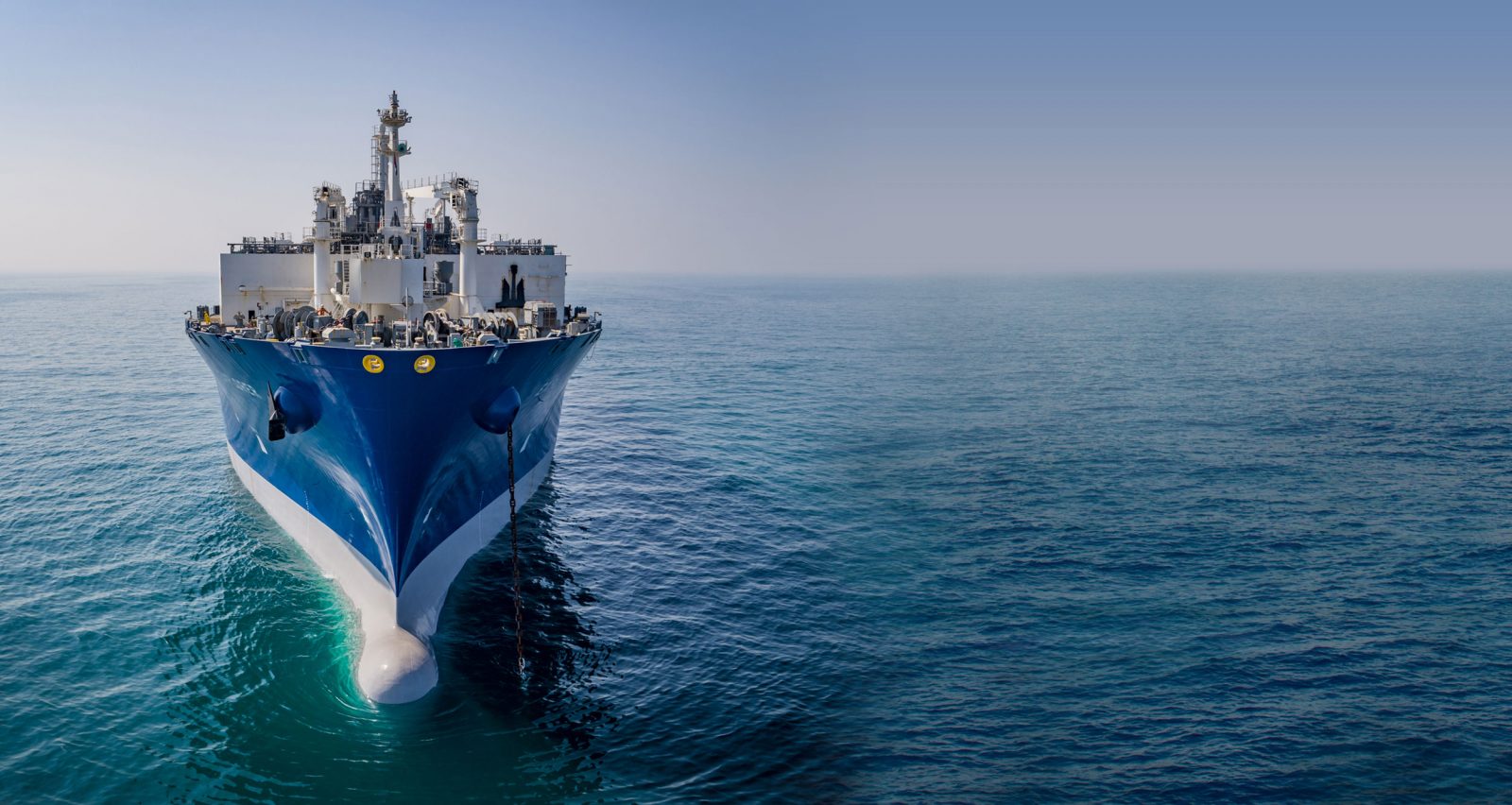
A ship with a second job
George B. Kaiser founded Excelerate in 2003. Its core tool is the floating storage and regasification unit, or FSRU. LNG arrives as a refrigerated liquid. The vessel stores it, warms it back into gas and sends it through receiving infrastructure into a pipeline. A cargo becomes fuel that a local energy system can actually use.
The customer is often a national energy company or utility. Bangladesh’s Petrobangla and Brazil’s Petrobras are examples. Their problem sits between the global availability of gas and the local ability to receive it. Purchasing LNG does little good without somewhere to unload it and a route from the water to the customer.
Excelerate says floating solutions can take one to three years to implement, compared with four to six for land-based terminals. These are indicative development ranges, not a delivery guarantee. Moorings, pipelines, permits and suitable marine conditions still matter. The vessel relocates a complicated process; it does not abolish the complications.
Geography changes the buying decision. A coastal market with access to a pipeline has a different problem from a place lacking a usable berth or distribution network. That helps explain why Excelerate sells development expertise alongside equipment. The receiving arrangement must fit the location, even if the vessel comes from a fleet designed to work across several markets.
One contract, fewer loose ends
At Moheshkhali, which started up in 2018 as Bangladesh’s first LNG import terminal, Excelerate brought development and operations together. The project’s stated regasification capacity is up to 500 million standard cubic feet daily. Its arrangement provides for Excelerate to operate the terminal for 15 years before transferring ownership to Petrobangla.
This is where the business becomes more interesting than a vessel charter. A government can buy an integrated service covering interfaces that might otherwise fall between contractors. Who handles permitting? Who connects the equipment? Who runs it? Combining those responsibilities gives the buyer a clearer place to direct difficult questions.
Fuel supply extends that logic. Excelerate signed matching 15-year purchase and sale agreements with QatarEnergy and Petrobangla, with Bangladesh deliveries beginning in January 2026. The arrangements cover 0.85 million tonnes annually initially, rising to one million from 2028. The company is joining the commercial supply chain to the physical one.
“By combining terminal development, LNG supply, and operational expertise”
Steven Kobos, President & CEO
On the Iraq agreement, October 2025
Excelerate earns money through terminal services and charters as well as LNG, gas and power sales. Its Sequoia agreement with Petrobras, beginning in January 2024, is a ten-year fixed-fee charter. Infrastructure access has a price even when the buyer’s immediate demand changes. Contract terms help determine who carries that uncertainty.
A buyer comparing proposals should therefore ask which obligations are included. A charter secures equipment and services under specified terms. A fuel contract addresses volumes and delivery. A power arrangement goes further downstream. The attractive headline price of any one component can conceal the work still required elsewhere. Excelerate’s integration strategy makes that boundary between contracts a central part of its offer.
The billion-dollar step ashore
In May 2025, Excelerate closed its acquisition of New Fortress Energy’s Jamaica business. The announced cash price was $1.055 billion. The package included the Montego Bay and Old Harbour LNG terminals and the Clarendon combined heat and power plant. Excelerate acquired more of the system that turns imported fuel into a usable service.
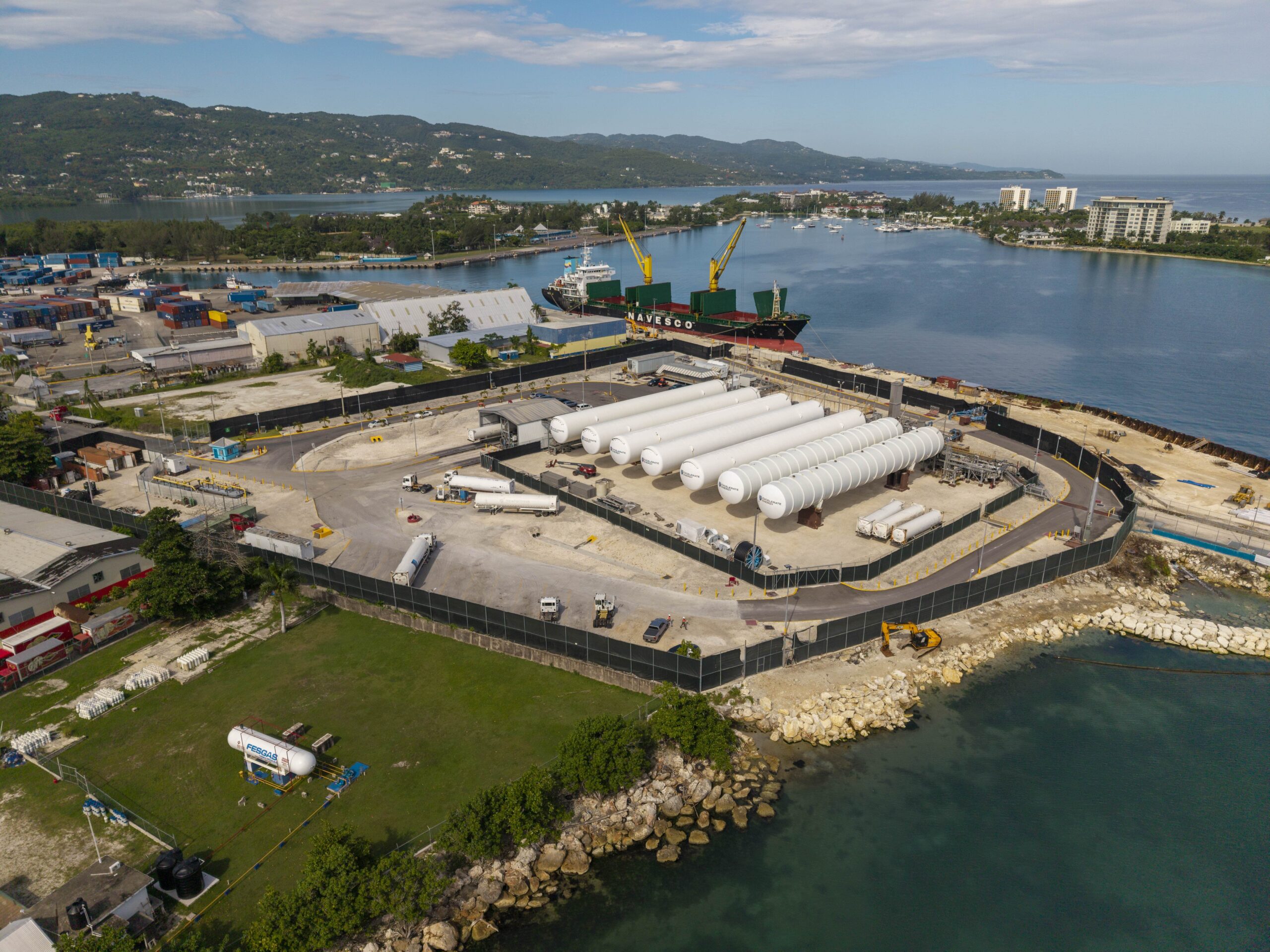
The financing makes the scale plain. Excelerate raised $212 million in gross equity proceeds and issued $800 million of senior unsecured notes carrying an 8% coupon. The financing also supported repayment of an existing term loan. An integrated energy business requires substantial capital, and borrowing costs follow it long after the acquisition announcement.
For 2025, Excelerate reported $1.228 billion in revenue and $167 million in consolidated net income. Those measures tell different stories: revenue includes energy sales, while net income reflects the costs of running and financing the business. Jamaica helped lift results, but a larger flow of fuel sales is not the same thing as an equally large increase in profit.
The shore still sets the clock
Iraq supplies the caution. Excelerate announced an approximately $450 million integrated import project, including its FSRU, in October 2025. By August 2026, the expected start had moved to early in the second quarter of 2027 as regional conflict complicated execution. Acadia meanwhile began interim service in Jordan in July. The vessel could earn elsewhere while the terminal advanced.
That flexibility has competitors. Höegh Evi also provides floating regasification infrastructure. Excelerate’s distinction rests on its combination of operating experience, terminal development and supply arrangements. Its 2025 sustainability reporting counted 1,046 colleagues and reported 97% retention among both seafarers and onshore staff. Keeping experienced people matters when the product includes running complex equipment at sea. That includes maintenance, navigation, cargo handling and equipment monitoring.
Its own reporting also describes investment in efficiency upgrades, safety procedures and employee training. These are less photogenic than a new ship, but they speak to what the customer needs after commissioning: a terminal that continues operating. The company’s energy-security argument ultimately depends on that daily performance. Access to another source of gas becomes valuable when the equipment and people can deliver it reliably.
The lesson to copy is practical: identify which expensive part of a project can retain another use, then contract around the connections that cannot move. It works only with a viable receiving site, customers able to pay and fuel they can afford. Gulf Gateway remains the pointed reminder. Demand can disappear from a place. Equipment with another destination has a better chance of staying useful.