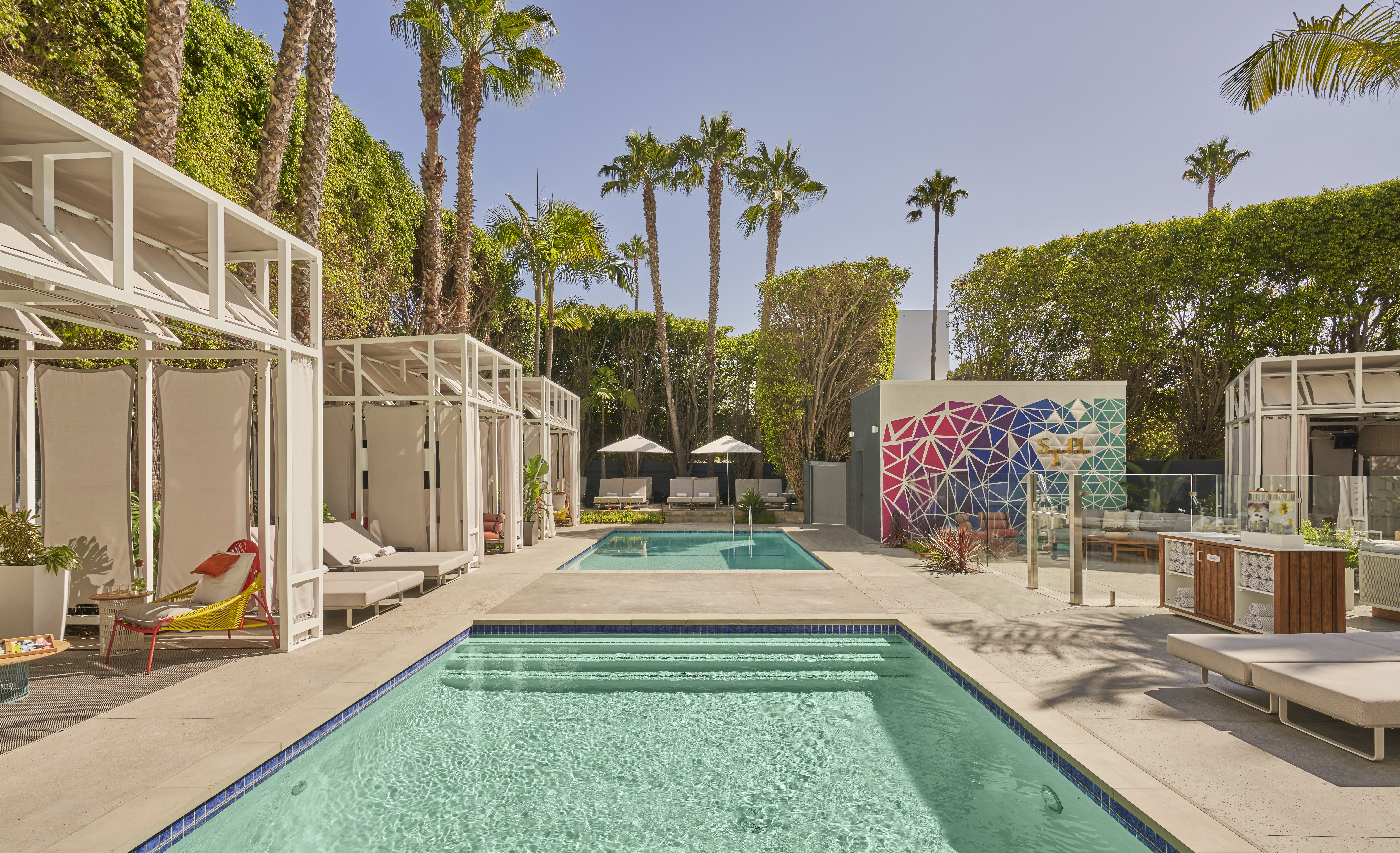
Edgar inherited a hotel, collected art and liked having people over. He also never existed. When EDG helped reimagine Viceroy Santa Monica, the hospitality design studio invented a grandson for the property’s original design muse. This imaginary host gave a sprawling renovation a personality people working on it could recognize. Even the art consultants could ask which pieces Edgar would have bought, and why.
The idea sounds like a pleasant afternoon in a branding workshop. Its consequence was more physical. A property associated with a hidden, inward-looking glamour would open itself to the street and the outdoors. EDG moved reception to reveal the pool courtyard and introduced a folding glass wall connecting dining spaces. The fictional inheritance helped frame an actual change in how the hotel welcomed people.
That connection explains EDG’s place in hospitality. It sells design and strategy to owners and operators who need a property to make sense as a business and as somewhere a guest wants to spend time. A name, a restaurant concept, a room and a service pattern all have to belong to the same establishment.
A $21 million brief, with some furniture staying put
Viceroy announced the completion of its $21 million renovation in April 2023. The budget covered a property-wide undertaking: guestrooms and suites, common areas, outdoor space, and Sugar Palm, its restaurant and bar. It is the hotel’s capital project figure, not EDG’s design fee.
The details include a useful rebuke to the idea that a fresh identity requires a clean sweep. Existing guestroom woodwork was painted. Furniture was reupholstered. Hallway wall coverings received stenciling. Alongside those retained materials came a coastal palette, mid-century-style furniture and locally commissioned art. The design could change without every object receiving an eviction notice.
For an owner, the copyable move is the audit that precedes the shopping list. Which materials are sound? Which pieces could support a different atmosphere? Where does replacement change the guest experience enough to justify it? Those questions belong early in the brief. They also make a brand discussion concrete: someone must decide what the new identity asks the building to do.
Renovation completed in 2023
Resort overhaul reported in 2023
Whole-property project budgets. These figures do not represent EDG’s fees or comparable scopes of work.
The breakfast room has a dinner problem
EDG’s operational interests are unusually visible in a research collaboration. In October 2021, the studio and hospitality consultancy Horwath HTL published Fixing the Three-Meal Outlet, examining hotel all-day dining in Asia-Pacific markets.
The problem begins with a familiar planning habit: size the restaurant for breakfast, then expect it to earn its keep through lunch and dinner. The study describes oversized rooms with weak concepts, low utilization and disappointing spending compared with independent restaurants. What fails first in this account is the commercial logic of the room. An obligation to provide breakfast has been allowed to determine too much.
The proposed response is flexibility. A venue can accommodate a breakfast rush, then divide into more distinctive dining experiences later. The report points to The Chinese National in Jakarta, where different culinary concepts share a setting, and Pastore in Melbourne, where an Italian restaurant can extend breakfast into adjoining areas.
This is a useful provocation, with conditions attached. An owner still has to test local appetite, staffing, kitchen capacity and the availability of adjacent space. A movable boundary cannot create dinner demand by itself. The lesson for a brief is to ask who will use each space at different hours before fixing its size.
The restaurant people learned to think bigger
EDG traces its origins to Eric Engstrom’s practice and lists 1987 as its founding year. Jennifer Johanson, now its president and CEO, arrived with an architecture background. Patrick O’Hare, her business and life partner, studied journalism before pursuing architecture. Food, spatial planning and storytelling were all present in the firm’s leadership long before they appeared together in a services pitch.
A 2018 account of the practice describes its adoption of the EDG name around Engstrom’s retirement in 2007. It also identifies partner Michael Goodman as a former executive chef leading the Singapore office at that time. That culinary experience helps explain why discussions of restaurants here extend to what happens at the table.
Johanson has described projects beginning with team charrettes, bringing different disciplines together to explore an idea. In her account of studio culture, architects work alongside designers, graphic designers, industrial designers, artists and chefs. The point of gathering them early is practical: each sees a different set of consequences in the same proposal.
“We are a collaboration-based culture.”
Jennifer Johanson
Hospitality Design interview, 2013
In Scottsdale, the neighbors joined the brief
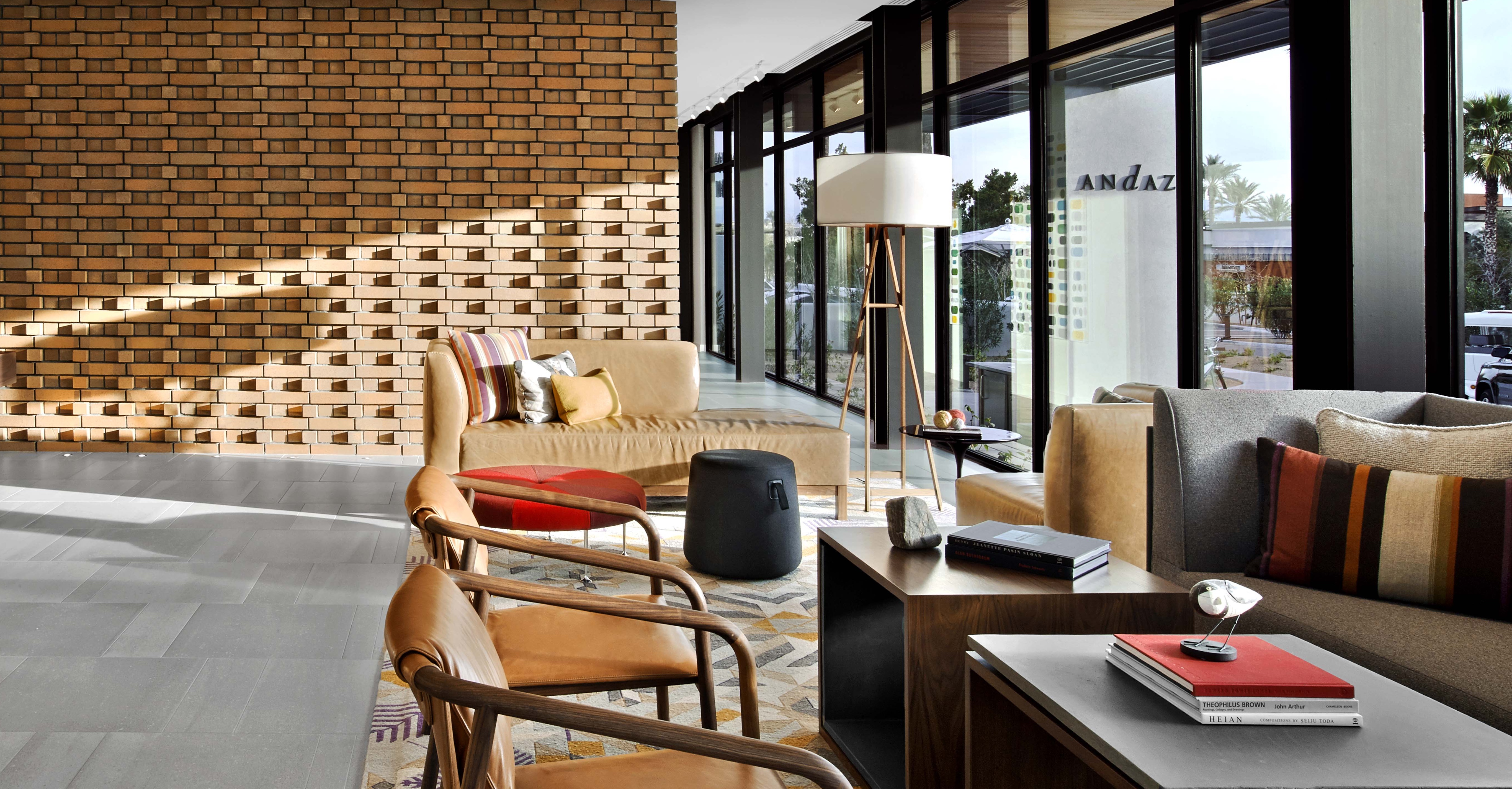
At Andaz Scottsdale, EDG worked with architecture firm Delawie on a property shaped by the desert’s modernist and artistic history. EDG’s assignment extended through interiors, branding, graphics and table settings. Delawie took primary responsibility for the buildings. The division of labor matters: a coherent hotel can still be the work of several specialist firms.
The design team’s research led to Cattle Track Arts Compound, about a mile away. Its working artists became collaborators, supplying pieces for guest bungalows and participating in experiences that connected visitors with the arts community. Local identity had people attached to it.
One smaller discovery captures the approach. An EDG designer found fabric dolls at a California flea market; the studio commissioned enough for the bungalows. At the bar, artists helped assemble objects with the informal feel of a working studio. Such choices give a guest something more particular to remember than a regional color scheme.
In Sedona, knowing when to turn the volume down
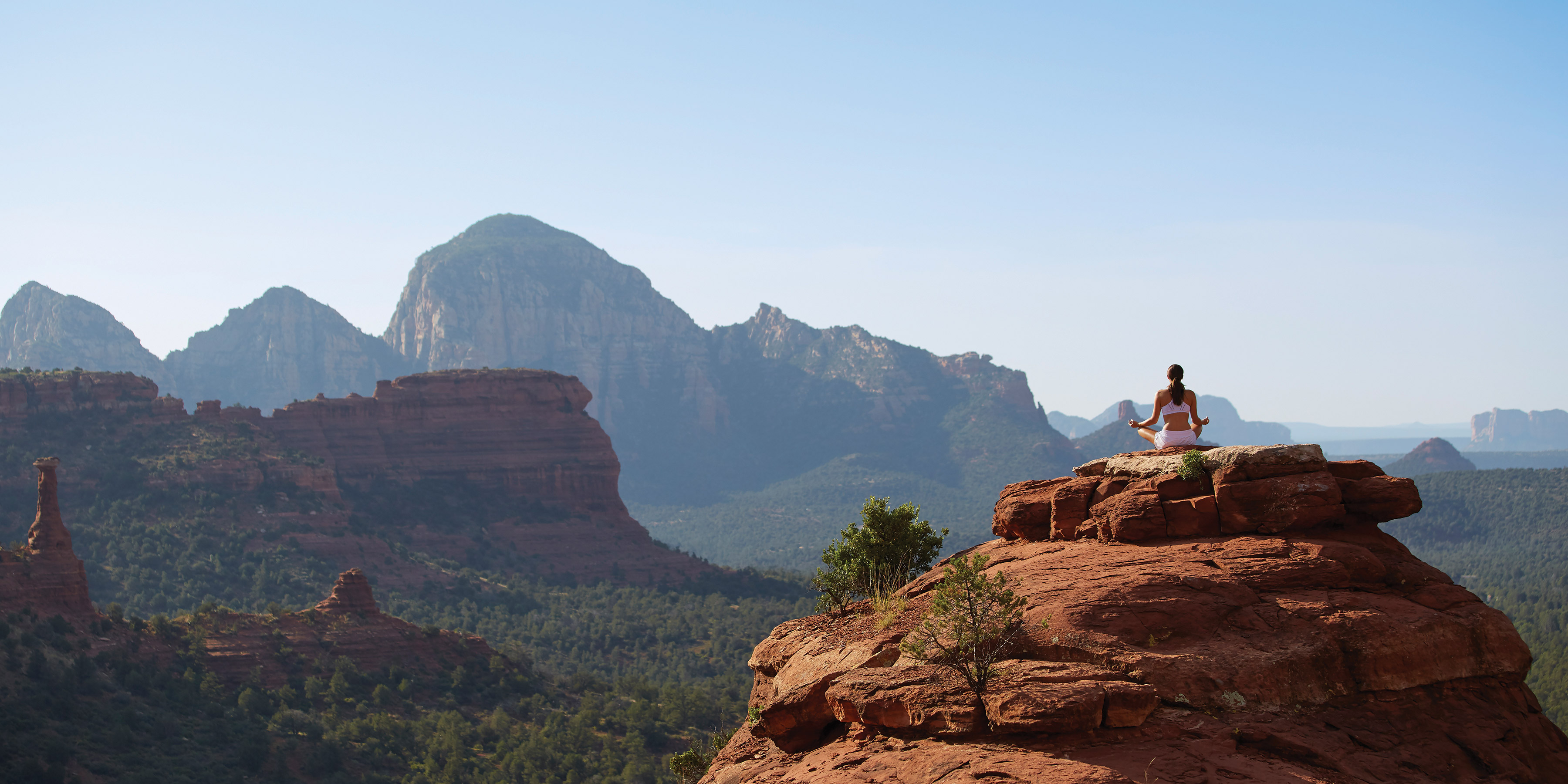
Mii amo required another kind of attention. The destination spa in Sedona’s Boynton Canyon underwent a $40 million overhaul involving EDG and Gluckman Tang Architects. EDG’s initial task centered on the Hummingbird dining experience; its contribution eventually spread through the property.
A former indoor pool became a sunken lounge. Alder wood that had acquired an orange cast was balanced with oak and dark walnut. In the guestrooms, simple interiors kept the emphasis on retreat. The canyon supplied the larger drama, and the design had to leave room for it.
Here the transferable decision is about attention. A wellness guest arriving for quiet has a different purpose from someone seeking a lively coastal bar. An interior can support that purpose through materials, views and the amount of visual activity it asks a guest to process. A studio selling both projects needs the discipline to let their personalities diverge.
What an owner is actually buying
EDG’s published services run from feasibility studies and market research to brand positioning, naming, menus, environmental graphics and wayfinding. Food-and-beverage concept development includes cuisine, service, tabletop and uniforms. Interior assignments cover guestrooms, public areas, meeting spaces, restaurants and wellness facilities.
That breadth places the firm in the market for commissioned professional services. Its customers are hotel owners, developers, operators and restaurateurs. The business model is best understood as project-based consultancy: the client buys expertise and an agreed design scope. Public project credits connect EDG with Four Seasons, Hyatt’s Andaz brand, Viceroy and independent hospitality businesses.
Owners have alternatives. AvroKO combines hospitality interiors with related branding and operational businesses. Rockwell Group also begins projects with a narrative. EDG’s integration of story and space is therefore a competitive position, not an exclusive invention. Its restaurant roots, culinary thinking and documented attention to dining economics give prospective clients more specific reasons to examine its portfolio.
A useful selection question follows: can the studio explain how its concept changes a decision the operator will live with? The answer might concern a service route, the relationship between dining areas, or a material worth keeping. An evocative presentation becomes more valuable when the owner can trace that connection.
For a client preparing an assignment, these projects suggest a useful order of work. Define the guest and the occasion. Bring the operating team into the conversation while layouts are still open to change. Ask how the name, food offer and circulation support that occasion. Then make the argument for each major design intervention. This is an editorial reading of the projects, rather than a prescribed EDG process, but it gives an owner specific questions to take into a first meeting.
Scale also deserves care. The two published renovation budgets describe substantial hospitality assets with different requirements. Neither supplies a price list for a neighborhood restaurant or a small inn. Similarly, an outdoor dining connection that is attractive in Santa Monica would need a different assessment in a harsher climate. A useful concept earns its place by responding to the property’s actual constraints. That is where the research, design and operating discussions need to meet.
The next chapter still starts with the guest
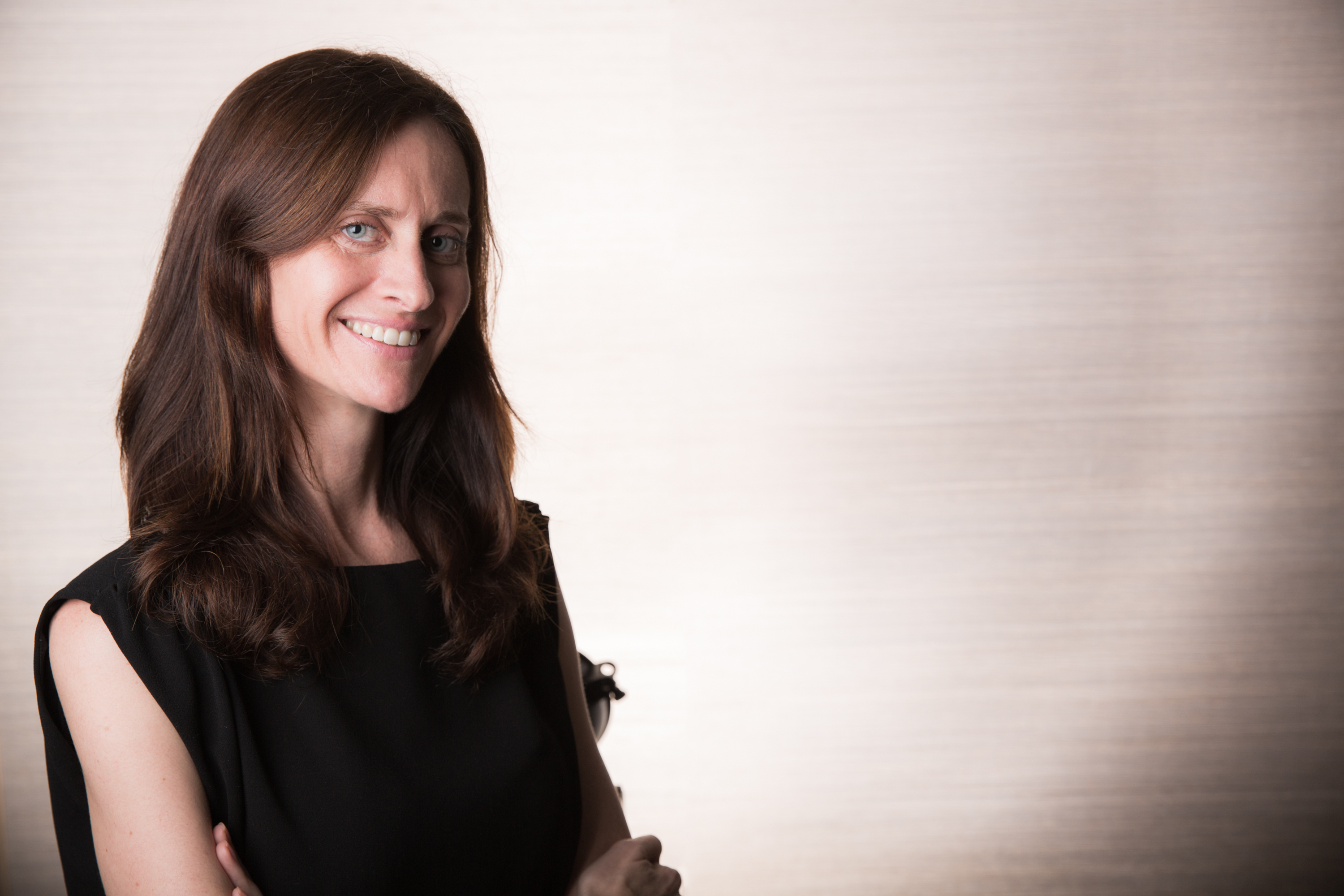
EDG continued adding design and brand leadership in 2025. Its Singapore announcements included Oliver Corrin as creative director for strategy and branding, followed by Erin Juhl as design director. Juhl brought experience across Asian hospitality markets, with an expressed interest in connecting a project’s narrative to service.
More recently, EDG’s news feed reported a May 2026 Hospitality Design award for Appellation Healdsburg’s new brand launch. In July, the firm highlighted the hotel’s Travel + Leisure reader recognition as the No. 1 Resort in the Continental U.S. That distinction belongs to the whole property, including the people operating it.
That is the useful perspective on this business. Designers can make gathering easier, give a restaurant a clearer identity and help a place express something particular about its surroundings. Every day after opening, someone else must welcome the guests, cook dinner and deliver the stay. EDG’s work is most interesting where it anticipates those people getting on with their jobs.