In 2012, a DataWorks blog post described an awkward conversational ritual. Someone would ask what the company did. The answer involved inventory software for resorts, casinos, hospitals, and zoos. The listener would hear something considerably smaller: printing barcodes. It is an understandable mistake. A barcode is visible. The decisions behind it - what to buy, where to put it, when to order again - mostly happen out of sight.
- The job: connect procurement, inventory, checkout, and accounting.
- The customer: operators managing shops, kitchens, and stockrooms across a property or enterprise.
- The useful lesson: measure the friction between systems, then remove the repeated work.
DataWorks has built its business in that less visible territory. Its NeXT software is a modular back office for organizations whose operations refuse to fit inside a single cash register. The interesting question is how a purchase becomes a sale while remaining legible to everyone handling it.
One burger. Several disappearing ingredients.
Consider the cheeseburger on the company’s own product page. At checkout, it is one item. In the kitchen, it is meat, cheese, bread, pickles, and sauce. DataWorks’ Recipes function connects individually purchased ingredients to the finished dish. That lets an operator compare theoretical food costs with actual consumption. A busy lunch service can look healthy on the sales report while its ingredient usage deserves a closer look.
The same attention to exceptions runs through the product. Retail supports size grids, colors, seasons, and six levels of merchandise categorization. Materials Management handles supplies requested by internal departments, with landed costs and taxes. Warehouse tracking allows several SKUs in one bin and one SKU across several bins. Replenishment can generate draft purchase orders when stock thresholds call for action.
These are the problems of a resort with several outlets, or a hospital with a retail operation. In 2011, Sodexo selected NeXT for Re:sourxe, its healthcare retail initiative. The announcement describes local inventory control alongside consolidated reporting. Individual stores needed their own working view; finance needed the whole picture. That tension gives DataWorks its place in the market.
The customer who wanted both halves
DataWorks sits between operational systems: vendors on one side, checkout and accounting on the others. Its listed interfaces include Oracle/MICROS, InfoGenesis, Book4Time, and Gateway Ticketing. The appeal is practical: product information can travel outward to the POS, and sales information can come back, reducing the need to type the same facts twice.
A 2015 SkyWire announcement makes the mechanism unusually clear. A customer helped bring the two software businesses together after looking for a combination that met its needs. DataWorks supplied menu items and prices; SkyWire returned sales details, including modifiers and meal periods. A customer’s tedious coordination problem became the brief for an integration.
That is also a useful way to compare alternatives. A POS inventory module, a broad ERP suite, and a specialist back office start from different places. For a buyer evaluating DataWorks, the meaningful test is whether its supported connections and modules match the actual property. An attractive feature list says little about the work left between systems.
Then someone brought a stopwatch
Connections are only part of usability. In a 2010 post, DataWorks described timing its screens during a 2006 redesign. Its rule: show useful information within three seconds; six seconds was the maximum before redesign became necessary. Actions lasting over three seconds needed a visible indication that work continued.
From the company’s published design rule. Targets, not a current performance benchmark.
The team reduced what loaded immediately and put secondary information behind links. The company reported cutting ten seconds from its product form’s load time. The copyable idea is specific: decide what someone needs first, measure how long it takes to appear, and make the rest wait.
The work continued at the level of individual tasks. NeXT 8.8, shipped in May 2013 after seven months of development, concentrated on purchase-order input. Users could choose which descriptive columns appeared, with layouts that differed by vendor. Food orders could be grouped for the supplier and receiving crew. A frequently requested feature helped people keep entering orders with fewer interruptions. Support and training staff contributed an inventory-creation improvement. These are modest changes to describe, but they touch work someone may repeat all day.
The cloud needed a label gun
DataWorks has also published a more uncomfortable lesson. During a 2010 data-center maintenance job, staff moved servers to group them logically. Untested cables, unmarked inactive switch ports, and a wrongly connected firewall complicated the restart. The company reported 14 additional staff-hours of diagnosis and 23 elapsed hours beyond scheduled downtime.
Several things had changed together, making the failure harder to trace. Its diagnosis favored labeling, documentation, and changing fewer things at once. Inventory specialists had run into their own location-control problem. The post’s closing advice was wonderfully literal:
“Bring a coat. And don’t forget the label gun.”DataWorks, on its 2010 data-center maintenance incident
Buying control, one working layer at a time
The commercial offer follows the same modular logic. Customers can use hosted or on-premises software. PropertyExpert adds managed work on SKU data, procurement, and physical inventory. The company describes staff with buying, merchandising, and POS experience - a relevant background when the software must reflect what happens in a stockroom.
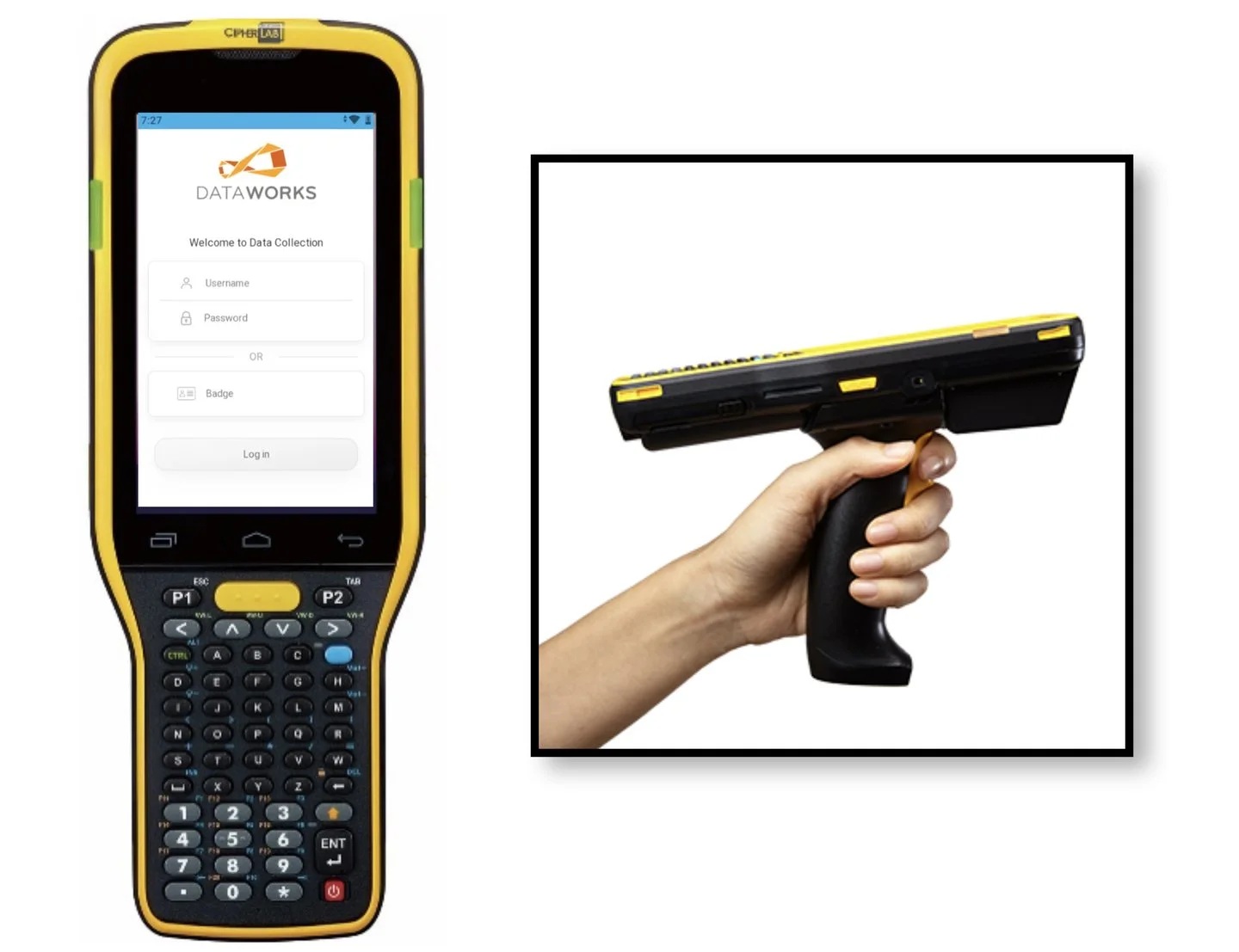
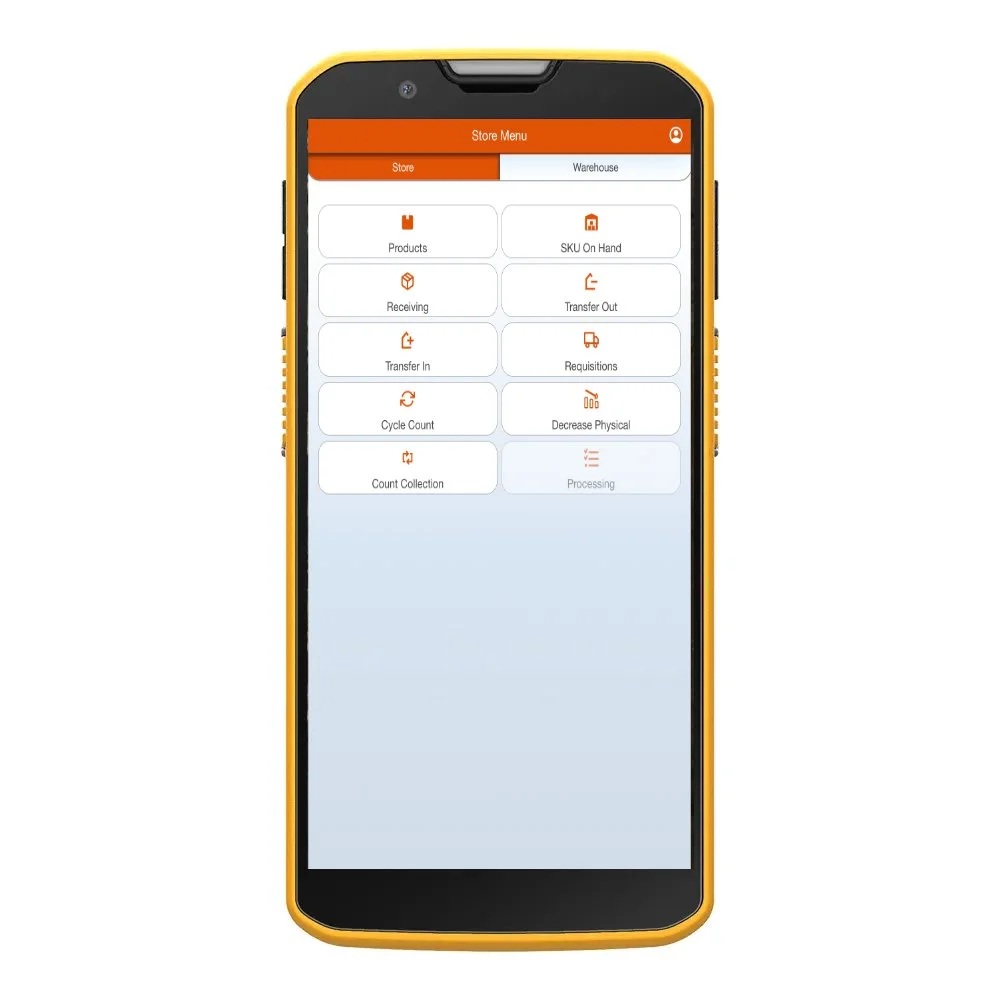
In 2010, the move to subscription delivery addressed a different obstacle: the capital budget. The company framed monthly access as a way to reduce the initial purchasing hurdle and shift infrastructure work to the supplier. Easier procurement was part of the product proposition too.
There is a concrete price at the mobile edge: the public shop lists a Wi-Fi store handheld HaaS package at $1,355 annually, covering device, warranty, support, and application. The listing was marked sold out when checked on October 21, 2026. That is one device package, rather than a price for the entire inventory system.
Fit still depends on the operating environment. The mobile store says the new devices’ full benefits require DataWorks Cloud. Recipe analysis depends on meaningful quantities; connected inventory depends on recording receipts and transfers. For anyone assessing the product, a sensible demonstration starts with one real item: purchase it, receive it, move it, sell it, and follow the accounting. Watch every handoff. That is where this company earns its keep.