The truck had already done its job. It had carried livestock to Chicago. Now it had to go home to Iowa, and home was the expensive part: a vehicle, a driver and a road, with nothing aboard to pay for them. Herald “Smitty” Smith saw a customer where everyone else saw a return journey.
- CRST began by matching steel shipments with empty return trips.
- It now sells dedicated fleets, freight capacity, home delivery and specialized handling.
- Its recent fleet cuts show why filling a truck is only half the calculation.
The return journey was the opportunity
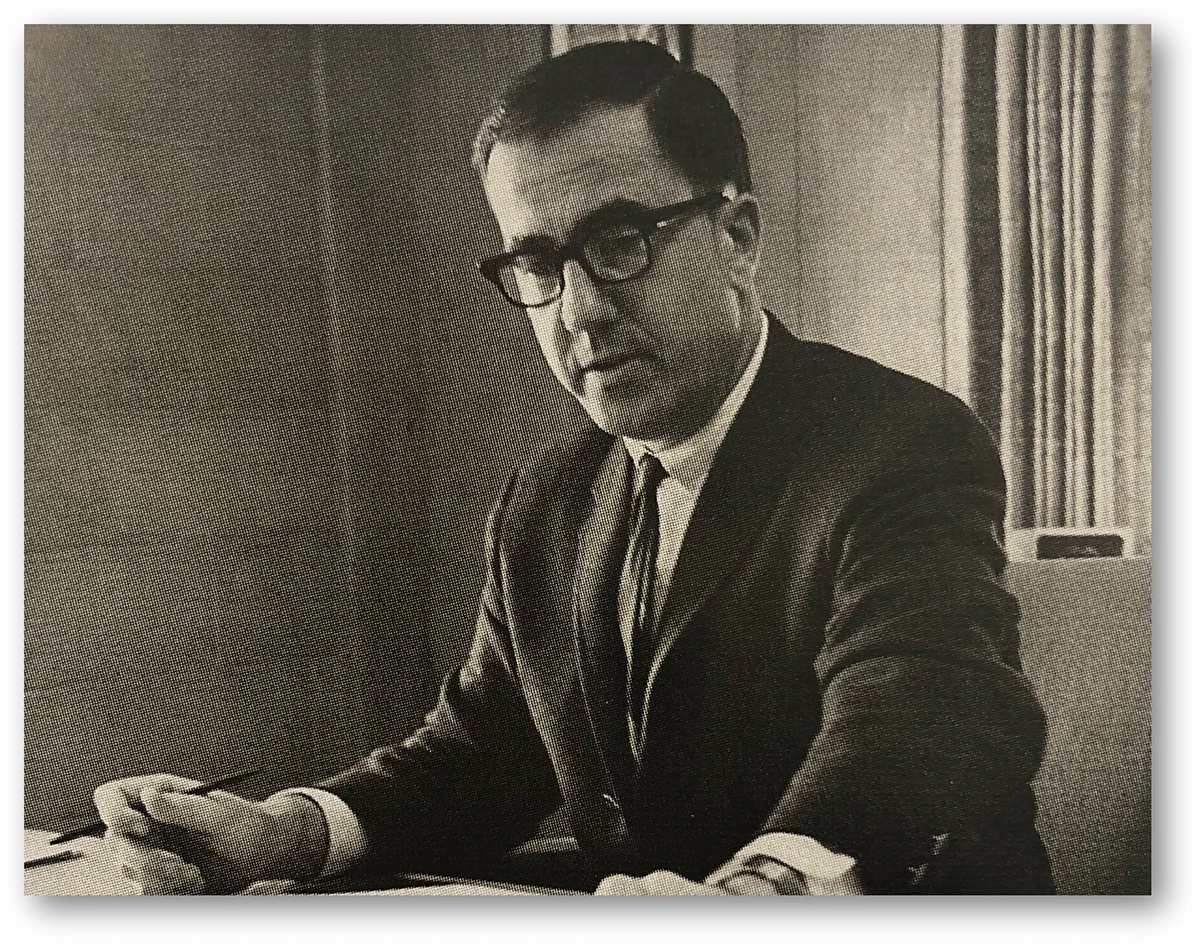
In 1955, Smith and his wife, Miriam, started Cedar Rapids Steel Transport. They had neither trucks nor customers. They contracted with owner-operators who hauled livestock east, then arranged steel loads for the journey back. Their office was a refurbished chicken coop purchased for $125. A chicken coop makes excellent company folklore. An empty truck makes a business case.
The price deserves a little care. CRST’s history separately records a $10,000 franchise purchase. The coop was the office bill, not the entire price of admission. The useful lesson survives the less enchanting arithmetic: the Smiths found earning power in equipment somebody else already owned.
That distinction helps explain the company that followed. Family-owned CRST grew through specialist acquisitions, including Malone Freight Lines, Specialized Transportation, Gardner Trucking and NAL Group. Each enlarged what the business could do. Buying another carrier can add trucks; buying the right carrier can add a job your customers already need done.
The last few feet are a different business
Today, CRST works for manufacturers, retailers and other shippers. Its customers buy transport capacity and the management surrounding it. Dedicated Solutions designs fleets around recurring routes. Capacity Solutions combines asset-backed transportation with outside carriers. The company also offers final-mile delivery and specialized services for goods that need more attention than an ordinary ride.
Consider the difference between delivering building materials and delivering a sofa. The materials may require flatbed equipment and a dependable route. The sofa may require an appointment, careful handling, assembly and removal of packaging. CRST’s final-mile offering includes installation and haul-away services. Its specialized business handles high-value freight through white-glove transportation and warehousing across a U.S. and Canadian network.
The Home Depot supplies a concrete example. CRST’s drivers deliver big and bulky flatbed freight from stores and distribution locations to homes. In February 2024, CRST reported a second consecutive Dedicated Final Mile Flatbed Carrier of the Year award from the retailer. The store’s promise to its customer has become the carrier’s work.
This is a business of shipment quotes and customer-specific service arrangements. A shipper can outsource a recurring fleet, arrange freight capacity or commission delivery and handling. Schneider offers competing dedicated transportation; Ryder offers dedicated carriage and last-mile services. CRST’s appeal is the combination of capabilities. Choosing among them still requires the unglamorous particulars: lane, cargo, equipment, appointment and price.
A boy band enters the supply chain
One of the more revealing CRST stories concerns its Caterpillar fleet. Director of operations Kara Hinze joined that team in 2019. Driver shortages were causing difficulties. Her response was to examine the operating record closely enough to find repeatable problems.
“I wanted to know everything: every late load, every defect, every detail.”
Kara Hinze · CRST’s March 2025 team profile
Hinze paired that scrutiny with visible progress trackers and performance bonuses tied to milestones. One tracker was a giant thermometer decorated with the boy band 98 Degrees. Logistics has discovered many ways to measure temperature; this was certainly one of the more sociable ones.
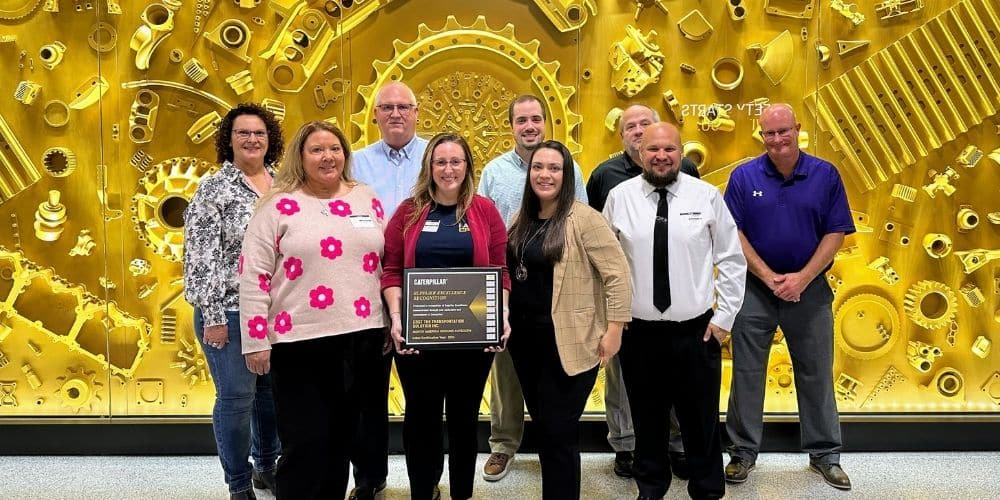
CRST reported Caterpillar Supplier Excellence certification in 2024 and recertification in 2025. The company credits improved delivery performance and team engagement. The transferable idea is modest: record failures precisely, look for common causes, and let people see whether their work is changing the result. The decoration is optional.
When the miles stopped paying
Growth also produces arrangements that stop fitting. CRST closed its Cedar Rapids driver academy at the end of 2022. Three years later came a more explicit economic adjustment. In December 2025, it announced a reduction of roughly 200 trucks and the redeployment of approximately 100 others from part of its Capacity Solutions over-the-road fleet.
December 2025 announcement · affected OTR operations only
Reporting on company communications identified low rates and rising costs in solo, one-way van operations. Hundreds of jobs were affected by the restructuring. Initial coverage prompted confusion about the company’s survival; FreightWaves subsequently corrected the impression of a broader shutdown. The announced change concerned part of a much larger business.
The origin story and the retrenchment belong together. A return load can improve a trip’s economics. It cannot rescue every lane from a bad rate. CRST’s decision shows the limit of the charming founding principle: being busy and earning enough are separate measurements.
The next empty space is between calls
In August 2026, McLeod Software and Augment named CRST among the first live customers of their PowerBroker integration. Augment’s Augie handles carrier-selection and shipment-tracking workflows inside the transportation management system. The target is repetitive coordination: the work required to find capacity and keep a load moving.
There is a family resemblance to the steel backhaul. Both seek useful work inside an existing operation. For a reader running a business, the questions are practical. Where does capacity return unused? Which failures recur? Which handoff needs a specialist? Which routine consumes attention without requiring much judgment?
The answers have conditions. Return cargo must suit the vehicle and schedule. Dedicated fleets need appropriate recurring demand. Extra handling must earn its cost. Automation needs dependable data and people capable of resolving exceptions. CRST’s history offers a habit worth borrowing: inspect the journey closely enough to notice where the money, time or promise falls out.