A venture capitalist is usually expected to want more money. More money means more investments, more influence, a larger seat at the table. In December 2023, Congruent Ventures announced an awkwardly interesting decision: investors had expressed $600 million of interest in its third flagship fund, and the firm had accepted $275 million. Why leave so much behind?
- Congruent backs climate companies from formation through Series A.
- It capped Fund III to preserve room for small, early investments.
- A separate growth fund helps selected portfolio companies scale.
The answer involves a problem familiar to anyone whose business has grown: eventually, your original customer can become too small for you. Congruent wanted to keep serving the founder whose company was barely a company. Accepting every available dollar would have made that harder. The firm’s explanation was unusually concrete: a much larger fund would create pressure to enter bigger, later rounds.
First the money disappeared
To understand the choice, go back to the capital drought that preceded Congruent. In a 2021 CTVC interview, co-founder Abe Yokell described new climate businesses appearing around 2015 and 2016 while institutional seed money remained scarce. Investors had retreated after the earlier cleantech bust. Company formation was recovering faster than the financing system around it.
Yokell had spent years at RockPort Capital. His eventual co-founder, Joshua Posamentier, brought experience from Prelude Ventures, Intel Capital and semiconductor operating roles. They saw room for an investor willing to enter before a company had the polish required for a larger financing round. Prelude and the University of California became founding limited partners. Congruent launched in 2017.
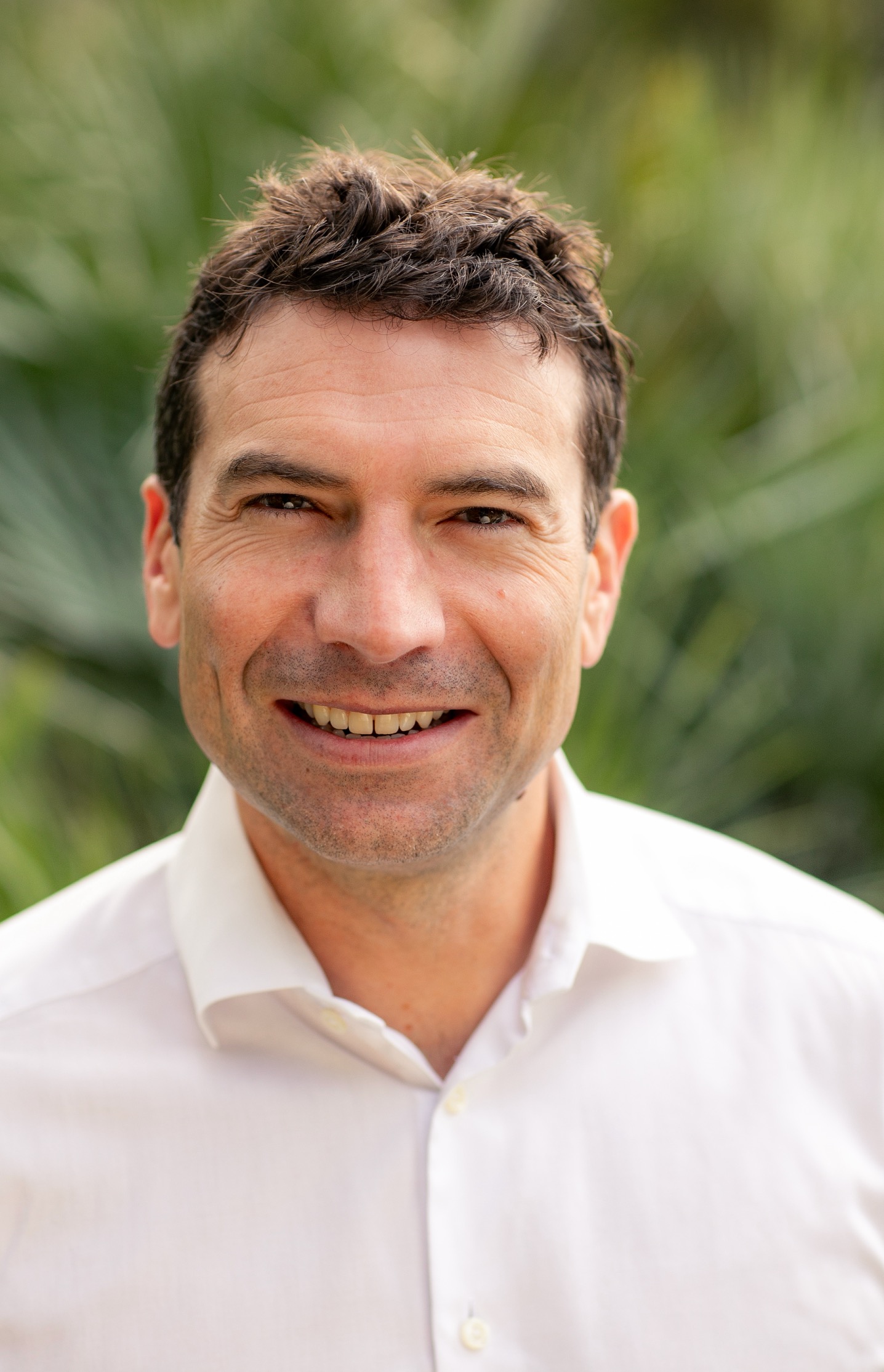
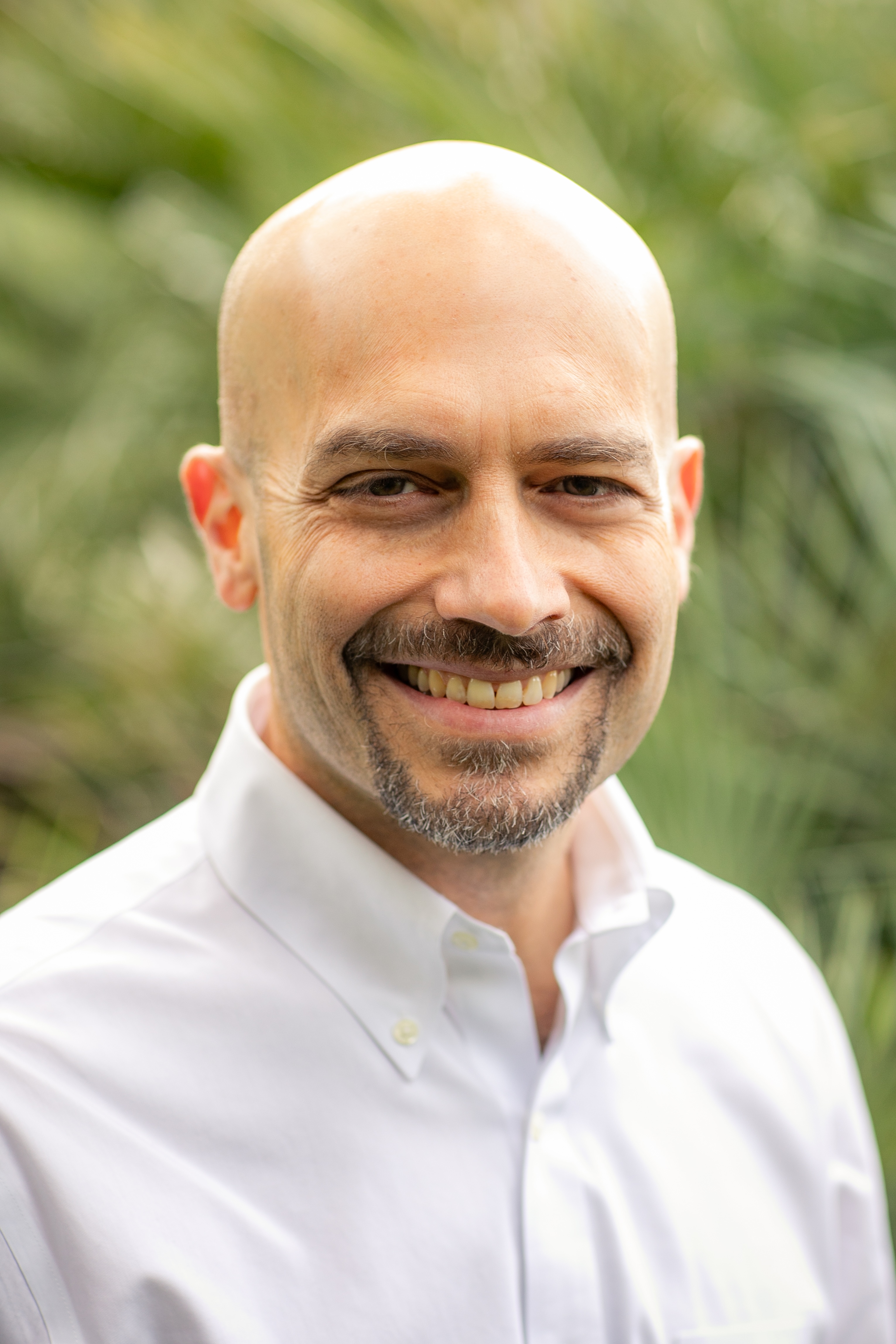
The first fund family totaled $92 million, including follow-on reserves. That detail matters: even at the beginning, the plan acknowledged that introducing yourself to a startup and financing its development were different jobs. The firm’s advertised starting point remains formation through Series A, with teams based in North America.
What made trying again seem reasonable? In that same interview, Yokell pointed to cheaper renewable power and the growing ability to use sensors, software and robotics to improve physical operations. These were reasons to reconsider the sector after its earlier disappointments. They were conditions behind the investment case, rather than evidence that every new climate business would succeed.
A recycling line is a good place to look
Consider AMP, the recycling automation business. In a 2020 interview with Sramana Mitra, Posamentier described computer vision directing robots to recover valuable material from waste. Its buyers were recycling facility operators. The useful question was whether sorting could become more productive. The environmental case and the customer’s operating problem occupied the same conveyor belt.
“We were the very first investors of that as he left CalTech.”Joshua Posamentier on AMP, 2020
Congruent’s portfolio takes that practical question into other settings. SPAN makes smart electrical panels for home electrification. Camus develops software for grid operators. Pano AI provides wildfire intelligence. Fervo develops geothermal power. These companies sell different things to different buyers, but each touches a physical system that needs to work better.
That breadth gives Congruent a recognizable place in climate venture capital. Its remit spans hardware, software and business models across four themes, from mobility to food and agriculture. Alternatives include Prelude Ventures and Clean Energy Ventures, which also back early climate businesses. Congruent’s distinguishing evidence is its entry point: in December 2023, it reported being the first institutional investor in 80% of its companies.
Two pots of money. Two jobs.
Venture funds connect two constituencies. Limited partners supply investment capital; founders receive financing in exchange for ownership stakes. Fund managers generally earn management fees and a share of investment profits. That creates an incentive to gather assets, although the investment strategy still has to produce returns.
The money they could attract.
The money they chose to take.
Congruent’s limited partners include CalSTRS, the Grantham Foundation and university investors. Its Fund III announcement put assets under management above $1 billion. That is capital overseen by the firm, not company revenue. Nor does a successful fundraise establish investment performance. It says investors were willing to back the manager.
The operational answer to growth arrived in April 2023: a separate $300 million Continuity Fund for selected companies already in the portfolio. Its first four investments included AMP, Fervo, SPAN and Meati. Bigger checks could come from a vehicle built for them, preserving the flagship’s earlier entry point. The cost was foregoing additional Fund III commitments and the management scale they might have brought.
The factory still needs cash
Follow-on capital does not eliminate operating risk. Meati, the alternative-protein company, offers a difficult example. Nosh reported in May 2025 that a missed revenue target preceded its lender restricting cash access. Meati’s former owner entered an assignment for the benefit of creditors. The eventual buyer, Meati Holdings, says the assets transferred in October 2025.
The initial failure here concerned access to cash, according to that reporting. A climate thesis and a manufactured product could not keep the business financed. For founders copying Congruent’s logic, this is the constraint: staged equity investment still needs customers, manageable capital requirements and a credible path through the next financing milestone.
Fervo followed another path, completing a Nasdaq IPO in May 2026. Its first-quarter results reported roughly $2.2 billion in gross offering proceeds, including the underwriters’ option. That is a portfolio company’s financing achievement. It does not disclose Congruent’s realized return. The difference between those two statements is worth keeping.
The lesson also runs in the other direction. A patient, profitable company that grows slowly may be a good business without fitting a venture fund. Congruent explicitly pursues venture-scale outcomes. Founders should read that ambition as a financing constraint when deciding whom to approach.
Bring a buyer, not just a breakthrough
For a founder, the useful preparation is specific: identify the buyer, the improvement they will pay for and the evidence the next round of capital can produce. Posamentier’s public interviews emphasize sales and customer demand. Congruent’s January 2026 outlook points toward power costs, infrastructure resilience, insurance and data-center execution, all problems with practical purchasing decisions attached.
The transferable idea is to design financing around the work. Separate early experimentation from later expansion. Keep enough attention available for the small customer you claim to serve. A company needing immediate infrastructure-scale funding may need a different capital partner. Congruent’s bet is that an investor can grow while keeping its first check useful.