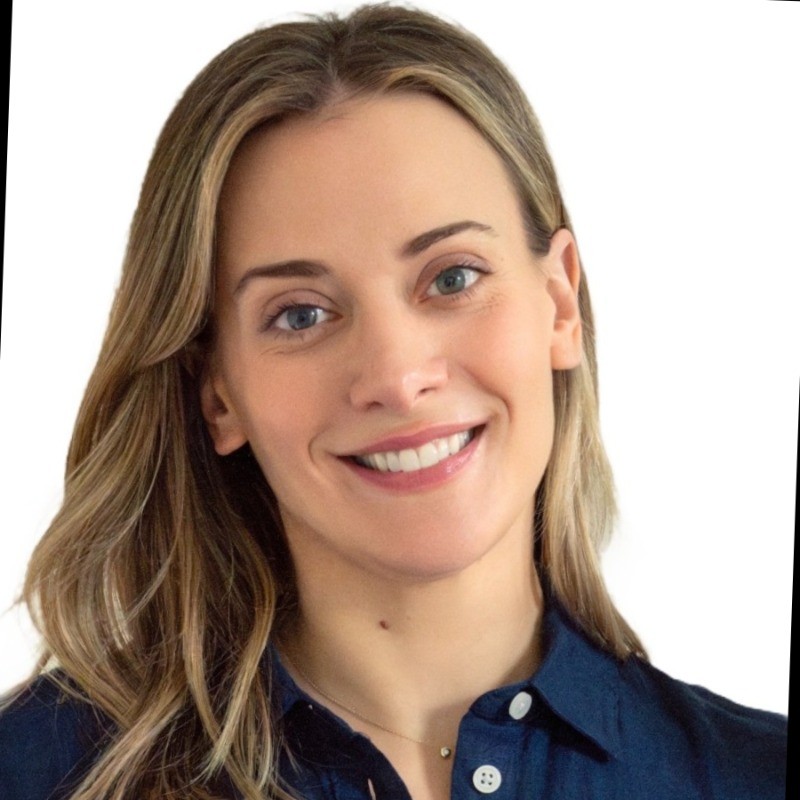
Christina Diiorio runs a company named after a noise. Not a mission statement, not an acronym - the actual sound a seven-year-old makes when the lunch in front of them is worth eating. "Yay." That is the whole product thesis, printed on the box.
Today she is founder and CEO of The Yay Company, the business behind Yay Lunch, a K-12 school food program that partners with local caterers and chefs to deliver fresh meals straight to where kids learn. Menus rotate monthly with six to eight options a day. Parents order and pay directly. The school pays nothing and manages nothing. An allergy- and preference-aware system helps steer each kid toward something they will actually finish. It is, in the least glamorous sense of the word, logistics - lunch as a supply chain problem, solved one campus at a time.
The origin was not a spreadsheet. It was her own kitchen table. A working mom of three, Diiorio was unhappy with the lunches her son was offered at school, and she quickly realized the frustration was near-universal. Parents were strapped for time to shop, prep and pack. Schools were built to teach reading and math, not to run a kitchen. And kids were the ones eating the difference.
"School lunch is hard. Parents are strapped for time, schools lack resources, and kids suffer from sub-par options that do little to fuel their learning."
So in 2018 she teamed up with co-founder Derek Mansfield and built the thing she wished existed. The pitch to schools was disarmingly simple, and she has repeated a version of it ever since: let us do this for you, let's make the community happy, and take this off your plate. Schools said yes because there was nothing to lose - no cost, no cafeteria overhaul, no new headcount. Parents said yes because the alternative was another sad sandwich assembled at 6:45 a.m.
What makes Diiorio interesting is the resume she walked away from to do this. She did not come up through food service or institutional catering. She came up through food media - the shiny, aspirational end of it. She was Executive Editor for the food vertical at MindBodyGreen. Before that she ran food travel at Goop, Gwyneth Paltrow's lifestyle machine. Earlier still she was an editor at Zagat, back when a burgundy Zagat guide was how a city argued about its restaurants. She even did a stint at the law firm Mayer Brown, brushing up against private equity and corporate litigation. Georgetown gave her the honors degree; the rest gave her taste and a Rolodex.
The gap between writing about a perfect meal and delivering forty thousand imperfect ones to a middle school in Atlanta is enormous. Diiorio jumped it anyway. The food-media years were not a detour - they were the training. She already knew what "good" tasted like, how to build a brand people trust, and how to make wellness feel like a treat rather than a punishment. Yay Lunch took that instinct and pointed it at the one audience that never lies about food: children, who simply refuse to eat what they don't like.
The company's growth chart looks less like a school-lunch tray and more like a tech startup: over 200% a year, more or less, since day one.
Investors noticed. In November 2021, Yay Lunch closed a $12 million Series A led by Valor Siren Ventures, with Reach Capital, Animo Ventures, Pritzker Group, Alpaca Ventures and TMV also in. That brought total financing to roughly $15.5 million since launch. More capital followed, including a later round with FJ Labs. By 2022 the company had doubled sales and was running in seven metro markets - Atlanta, Chicago, Raleigh-Durham, metro Washington D.C., Philadelphia, central Virginia and metro New York.
The model has a natural ceiling and Diiorio knows it. Yay Lunch mostly serves independent schools and does not currently tap into National School Lunch Program reimbursements - the machinery that funds public cafeterias. The obvious next chapter is whether "take it off your plate" can scale into public districts, where the economics are harder and the stakes are higher. It is the difference between a nice business and a national one.
But the through-line is unchanged from that first frustrated look at her son's tray. Real food, made fresh daily, that kids will actually eat. Everything else - the local chef network, the recommendation logic, the zero-cost pitch to principals - is just plumbing built to protect that one promise. Diiorio spent a career describing food worth getting excited about. Now she ships it, in a box, to the pickiest critics on earth.
Reporting compiled from public sources · See references below