The advertisement was for a yogurt factory. Hamdi Ulukaya initially threw it away. That seems a reasonable response to an offer involving industrial plumbing, perishable milk and somebody else’s abandoned machinery. Kraft was closing the plant in upstate New York. Ulukaya, an immigrant from Turkey who had already started a small feta business, went to look anyway.
In 2005, he bought it. His later account puts the factory price at $700,000, with roughly $300,000 more for everything else, financed with help from an SBA-backed loan. He brought former workers back. They painted the walls. The first Chobani cups would not reach stores until 2007. Before there was a yogurt empire, there was a considerable stretch of time in which there was only a factory.
- The opening: thick, strained yogurt sold through ordinary grocery stores.
- The squeeze: rapid factory expansion demanded money before production caught up.
- The next bet: use food-making expertise and distribution to grow beyond the yogurt cup.
The invention was also a shelf
Greek yogurt existed before Chobani. Fage was already an alternative. Ulukaya’s opportunity joined a particular texture and taste to a much bigger audience. Straining gives Greek yogurt its thickness and concentrates its protein. Chobani’s decision was to take that product into mainstream retail channels at an accessible price. The aisle mattered almost as much as the recipe.
The customer could be buying breakfast, packing a lunch or looking for a snack. The problem was practical: something convenient that offered more substance than a sweet little cup. Shoppers could compare Chobani with Oikos, Fage, Siggi’s and store brands. Chobani’s advantage had to survive that comparison every week. A mission statement gets no special exemption at the checkout.
The expensive part came later
A cheap first factory did not make expansion cheap. Chobani opened its Twin Falls, Idaho plant in 2012, a $450 million investment. Reuters later reported that production took longer to ramp up than expected, contributing to liquidity problems. Success had created a timing problem: the company needed industrial capacity, but capacity required cash before it delivered enough saleable yogurt.
There was also a safety test. In September 2013, Chobani voluntarily recalled affected Twin Falls yogurt after reports including swollen containers and some claims of illness. That episode and the financing squeeze were separate problems. Both puncture the tidy version of an origin story in which a good product simply grows.
2005 · founder’s account
Plant opened in 2012
2014 · debt with warrants
Purchase price, capital investment and financing are different measures. These figures are not a spending total.
In April 2014, TPG supplied $750 million through financing with warrants. The founder who had built the early business with bank-backed borrowing now had outside capital and board involvement. Growth changed the financing requirements. The practical lesson is to budget for the interval between installing a line and running it reliably.
Who gets to own the upside?
In 2016, Chobani announced employee awards representing roughly 10% of the company’s value. There was an essential condition: value would be realized through an IPO or sale. These were claims on a possible future, rather than envelopes of cash. Chobani later withdrew its planned public offering in 2022.
“The first thing we did was paint the walls together.”Hamdi Ulukaya · 2021 registration statement
The employment proposition also includes refugee hiring and paid parental leave. Its careers page records a 2025 increase in starting hourly pay to $21 and describes 12 weeks of fully paid parental leave for eligible employees. Those policies make the people-first argument tangible. They do not, by themselves, prove what caused the company’s sales growth.
Breakfast gets a bigger table
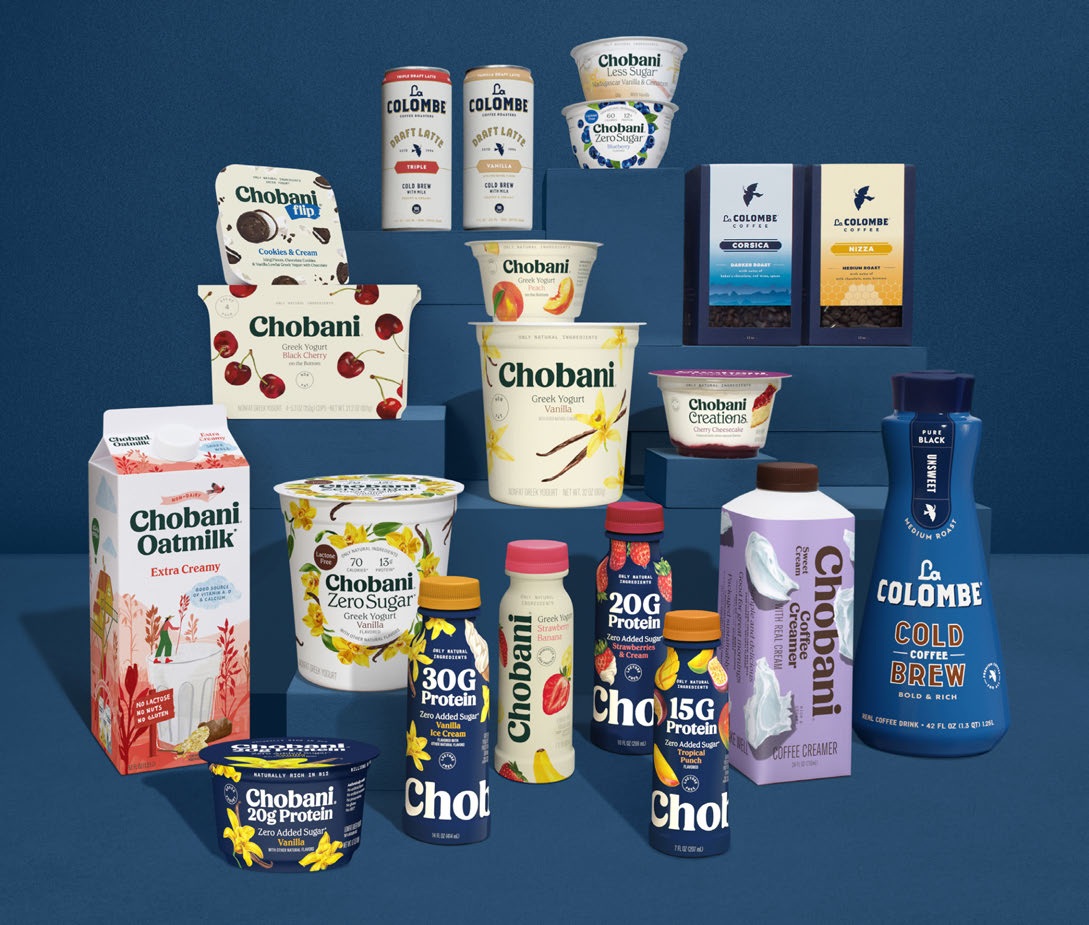
Chobani’s business model is repeat purchases of branded food, supported by manufacturing and retail relationships. The product range now includes Flip cups with crunchy mix-ins, lower-sugar options, oatmilk and creamers. High Protein yogurt cups offer 20 grams of protein; drinks offer different amounts by size. Consumers can choose a format for the kitchen, the commute or the gym bag.
Then came acquisitions. Chobani bought La Colombe for $900 million in 2023. Coffee was a different purchase occasion, but milk processing was familiar territory. Keurig Dr Pepper’s distribution network offered another route to customers. Daily Harvest joined in May 2025, adding frozen smoothies and meals. That move reaches further from the original dairy aisle and brings a different set of operating demands.
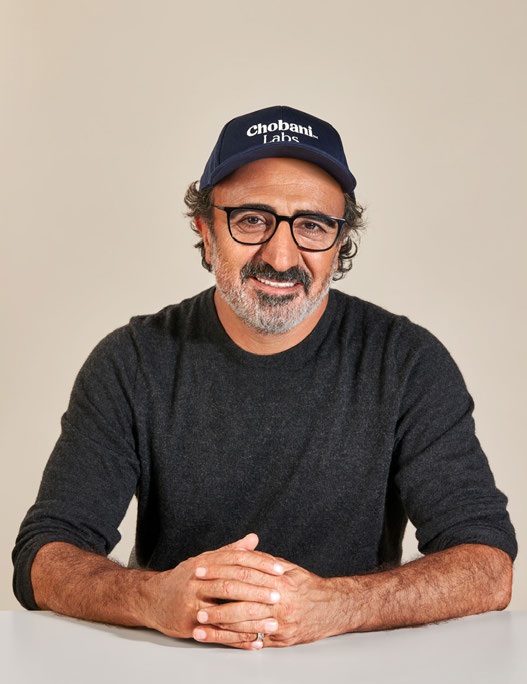
The connection reaches into the production process. Excess cream from yogurt-making can go into coffee creamer. That is an unglamorous advantage: knowing how to handle milk, develop flavors and turn a perishable ingredient into a consistent packaged product. Selling another breakfast item can reuse some of that knowledge, even when the brand on the package changes.
The next test is made of steel
The scale is now substantial. Chobani reported $2.96 billion in consolidated 2024 net sales. In October 2025, it raised $650 million in equity, with contemporary reporting putting its valuation at $20 billion. That valuation describes a financing moment, rather than an audited score for everything the company will do next.
In March 2026, Chobani announced a $567 million La Colombe expansion in Michigan. September brought plans for approximately $1.2 billion over five years at an Allentown, Pennsylvania campus, with more than 900 planned jobs. KDP also announced an agreement to sell its Chobani stake back for $800 million and transfer its Allentown facility for approximately $125 million. Announcements establish commitments; production and hiring establish delivery.
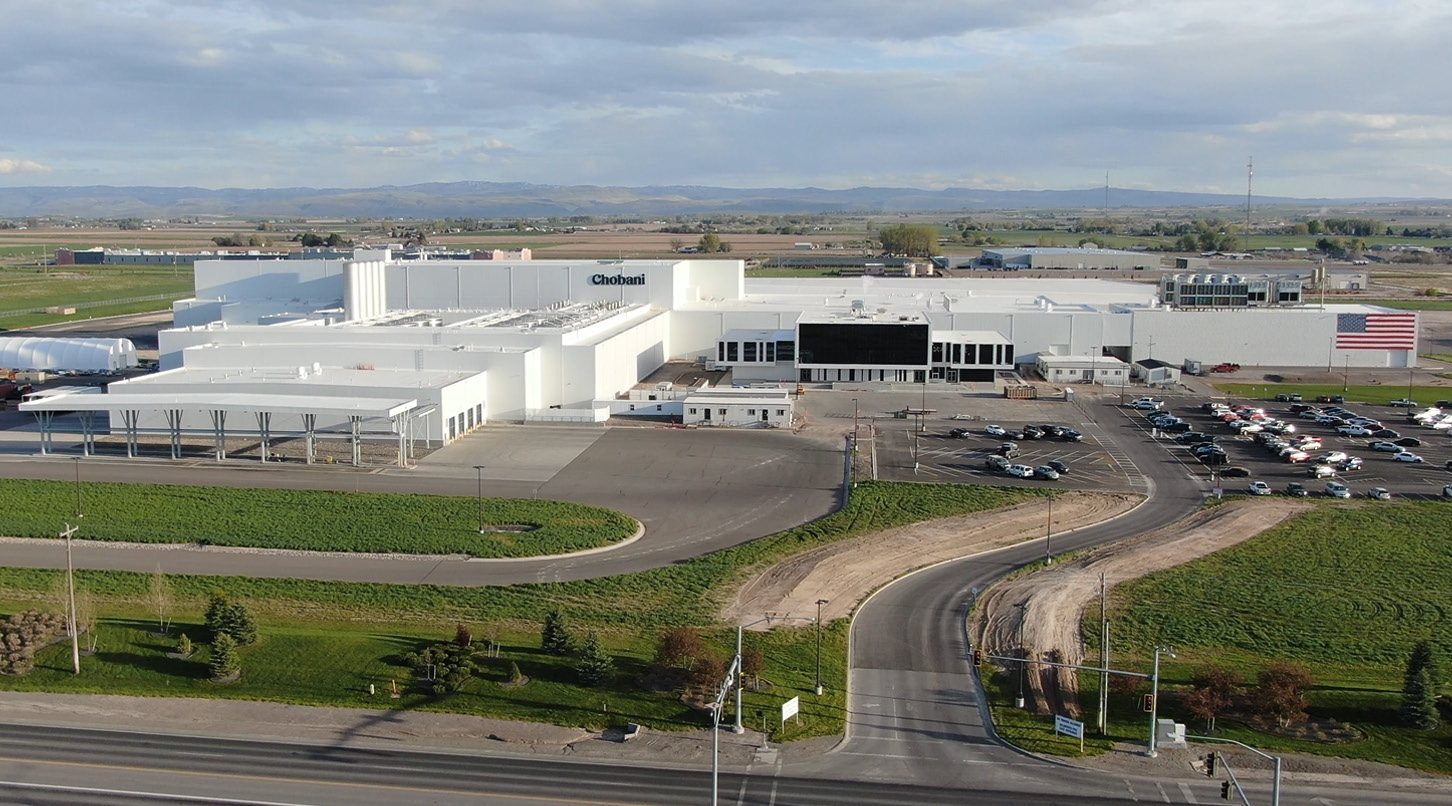
The costs extend beyond the company gates. Michigan approved support for wastewater improvements alongside the La Colombe project. Food manufacturing needs room in the local infrastructure as well as room in the market. A coffee can has a surprisingly long list of dependencies.
Borrow the question before the factory
For another entrepreneur, the useful question is specific: what has an incumbent overlooked that customers would buy repeatedly? Chobani paired existing equipment and experienced workers with a product gap and mainstream distribution. Copying that reasoning requires checking shelf access, food safety, utilities, supply and working capital. Without them, an inexpensive factory can become an expensive place to wait.