A calf can leave a ranch with an electronic ear tag and still leave much of its history behind. Someone knows its mother. Someone recorded its treatment. Someone else will discover how well it grows, and another business will learn what its carcass is worth. Breedr’s wager is that these people ought to be able to compare notes. In beef production, a useful fact has an unfortunate habit of stopping at the gate.
- Breedr connects individual cattle records with genetics, performance and buying decisions.
- Its customers span seedstock producers, calf nurseries, feedyards and processors.
- The commercial offer includes subscriptions, livestock trading and a separate cattle finance fund.
The answer is downstream
Consider Double M Ranch in New Mexico. The Ballou brothers shifted from dairy to calf rearing in 2022, replacing their milking operation with 14,000 hutches. Breedr’s customer account describes a business concerned with weight gain, mortality and which source dairies consistently supply better-performing calves. A notebook can record a purchase. Comparing that purchase with its eventual result asks rather more of the notebook.
Double M uses Breedr to connect those observations and receive carcass information for calves entering its connected supply chains. That feedback gives the nursery something a sale alone cannot: evidence about what its earlier decisions produced. The question changes from “Did we raise this calf?” to “Did we raise the sort of animal the next customer wanted?”
“Unless we’re getting the data, we can’t measure the impact.”
Mike Ballou · Double M Ranch
That is the interesting unit of Breedr’s business: the animal, followed over time. The company describes its coverage as conception to carcass. Weight, health and family history become a continuing record, rather than separate administrative chores. Its customers include people breeding cattle, raising calves, finishing animals and processing beef. Each sees a different chapter. The software is meant to keep the chapters attached.
A farm boy’s objection to guesswork
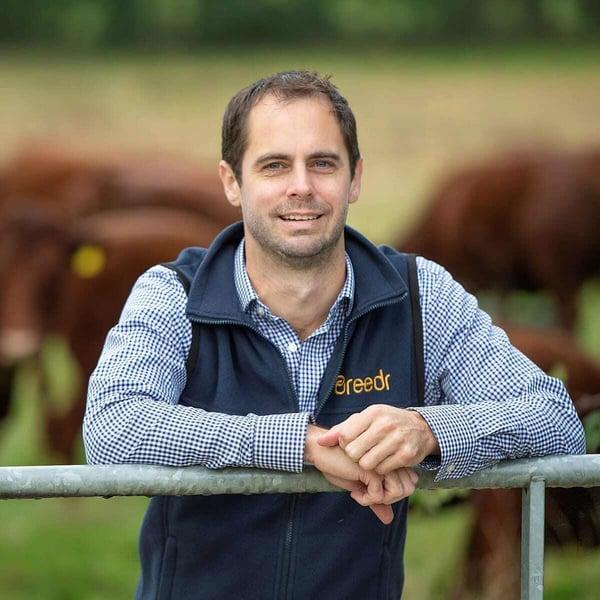
Ian Wheal grew up on a cattle farm in Australia, where his father helped build a cattle cooperative. He later studied at London Business School and worked in consulting and technology. Breedr began in Britain in 2018; contemporaneous reporting also identifies Claire Lewis as a co-founder. The agricultural background matters because Wheal’s stated ambition was to help producers prove their livestock’s quality and receive more of its value.
Early Breedr materials attacked reliance on visual assessment when deciding whether cattle were ready for market. A fine-looking animal is still an incomplete spreadsheet. The 2019 funding announcement paired livestock data with plans for trading and smart contracts, including a consortium involving Imperial College London and processor Dunbia. The enduring idea was that better evidence could make a better transaction.
The company says it has been headquartered in Texas since 2022. In August 2026 it announced a $27 million Series B, led by Partech’s impact fund with Latitude and Outsiders Fund. Its stated total reached $46.6 million. Breedr now reports more than two million cattle on the platform. Those are records of animals, not software subscribers - a distinction worth keeping when admiring a large number.
Cattle recorded on Breedr, according to the company.
First, stop typing the same thing twice
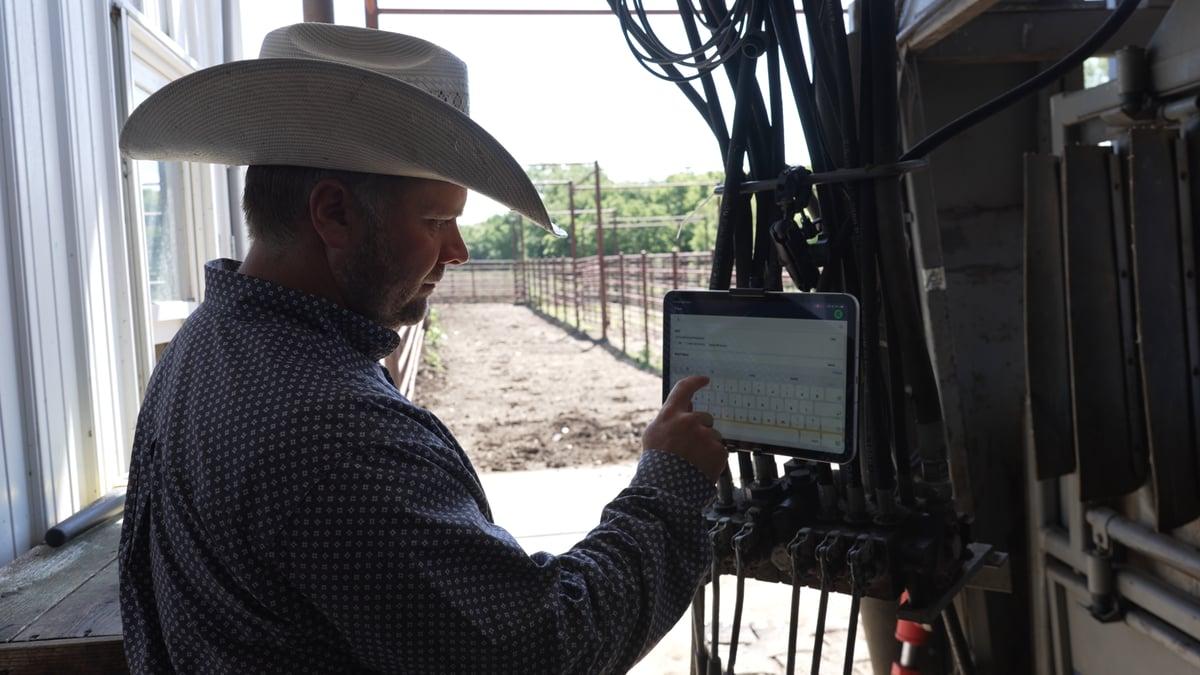
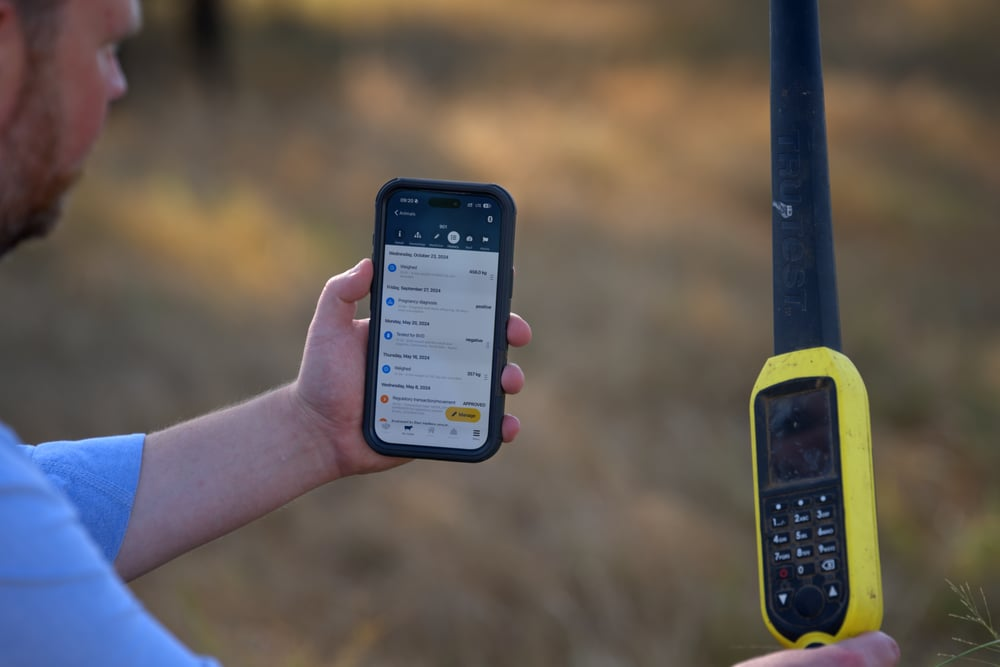
Breedr’s mobile and web tools collect weights, births, movements and medicines. Compatible electronic identification readers and weigh heads connect over Bluetooth. Staff can record work while handling cattle; offline capture helps when mobile reception declines to participate. Treatment histories, withdrawal status and growth records can then inform the next decision. The published company value “Make tech that just works” sets a sensible standard for software used around a chute.
A recent Optiweigh integration removes another typing job. Paddock scales read an animal’s electronic tag and send weights into its Breedr record. Producers can compare growth with health and breeding history without downloading a separate file. The less ceremonial the data collection becomes, the likelier it is to happen.
The mundane failures are revealing. Breedr’s NextGen Cattle Co. account describes text strings, spreadsheets and a shop board that left gaps, including duplicate treatments. Chief genetics officer Joe Epperly had tried building his own system. NextGen adopted Breedr to bring records from four breeds and 37 cooperators together. The lesson readers can copy is modest: record an event where it happens, then make it available to the next person responsible.
The carcass writes back
For seedstock producers, Breedr brings genetic information into the record, including imports from Neogen, Zoetis and breed associations. Expected progeny differences help describe breeding potential. Following offspring performance supplies a way to examine what actually happened. At The 808 Ranch, Breedr’s case study describes reports connecting observed traits with sire and dam lines, alongside more than 30 minutes a day saved on record keeping.
- 01 Genetics
- 02 Ranch records
- 03 Feedyard performance
- 04 Carcass results
Results return upstream to inform the next breeding and management cycle.
There are other herd books. CattleMax sells cattle record keeping; AgriWebb offers livestock and grazing management. Breedr’s particular emphasis is joining the record to a commercial network: sourcing cattle, accessing premium programs, arranging buy-back opportunities and supporting retained ownership. Its supply-chain tools make the handoff between independent operations part of the product.
The bill, and the bargain
Published US seedstock standard rates list Basic at $40 a month for up to 400 animals, Premium at $150 for 1,500, Core at $250 for 3,000 and Enterprise at $650 for 10,000. Offers can alter those prices. Implementation is separate: listed packages include $150 Basic, $300 Premium and $3,000 Core, with enterprise pricing variable. Moving old records and training people have their own economics.
Breedr also earns livestock transaction fees, according to August reporting. A separately managed cattle fund advances cash against livestock. Subscription revenue therefore accompanies transactions and financing around the same animal. The attraction is understandable: a growing cow can absorb cash well before it generates a sale.
The bargain depends on participation. Records must identify the right animal; staff must capture events; downstream partners must return useful results. A producer who wants only a private herd register has a narrower problem. Premium returns require buyers willing to reward the relevant attributes. Breedr cannot manufacture those conditions with an app. Its useful promise is to make evidence travel far enough for someone to act on it.