In February 2016, entrepreneur and journalist Pamela Newenham moved into a San Francisco house with nineteen other entrepreneurs. Her roommate was a Stanford visiting professor building an education startup. Another participant had a diagnostics company with a NASA partnership. For two weeks, this was the company she kept. The address mattered. So did the breakfast table.
- Blackbox Connect brought global founders together for two weeks of residential learning.
- Later editions charged tuition and took no equity; scholarships opened selected seats.
- Applications are currently closed. The founder network and its lessons extend beyond the program.
That arrangement captured Fadi Bishara’s proposition. Talent could be found anywhere; access to experienced entrepreneurs was distributed rather less generously. Blackbox, which dates its first Connect cycle to 2011, tried to close that distance by moving founders into a setting where useful conversations became difficult to avoid.
The house was part of the curriculum
The early Blackbox Mansion in Atherton had shared rooms, bunk beds and a swimming pool. Between accelerator sessions, founders could book shorter stays through Airbnb. In a 2012 interview, Bishara explained the attraction: “A home environment is a lot more intimate than an office space.” Silicon Valley networking had acquired a kitchen.
“A home environment is a lot more intimate than an office space.”
Fadi Bishara · 2012
By August 2018, Connect’s twenty-third edition was bringing fourteen founders from thirteen countries to taohaus in San Francisco. The schedule combined workshops, individual mentoring, speaker sessions, coaching and time with fellow founders. Participants stepped away from daily operations to reconsider product decisions, company culture and their own leadership.
The underlying argument was that a founder’s judgment travels back into every meeting at their company. Teach a better way to question an assumption, handle a team or frame an ambition, and the lesson might outlast the next fundraising round. Blackbox’s expertise sat at that intersection of leadership development, entrepreneurial education and network building.
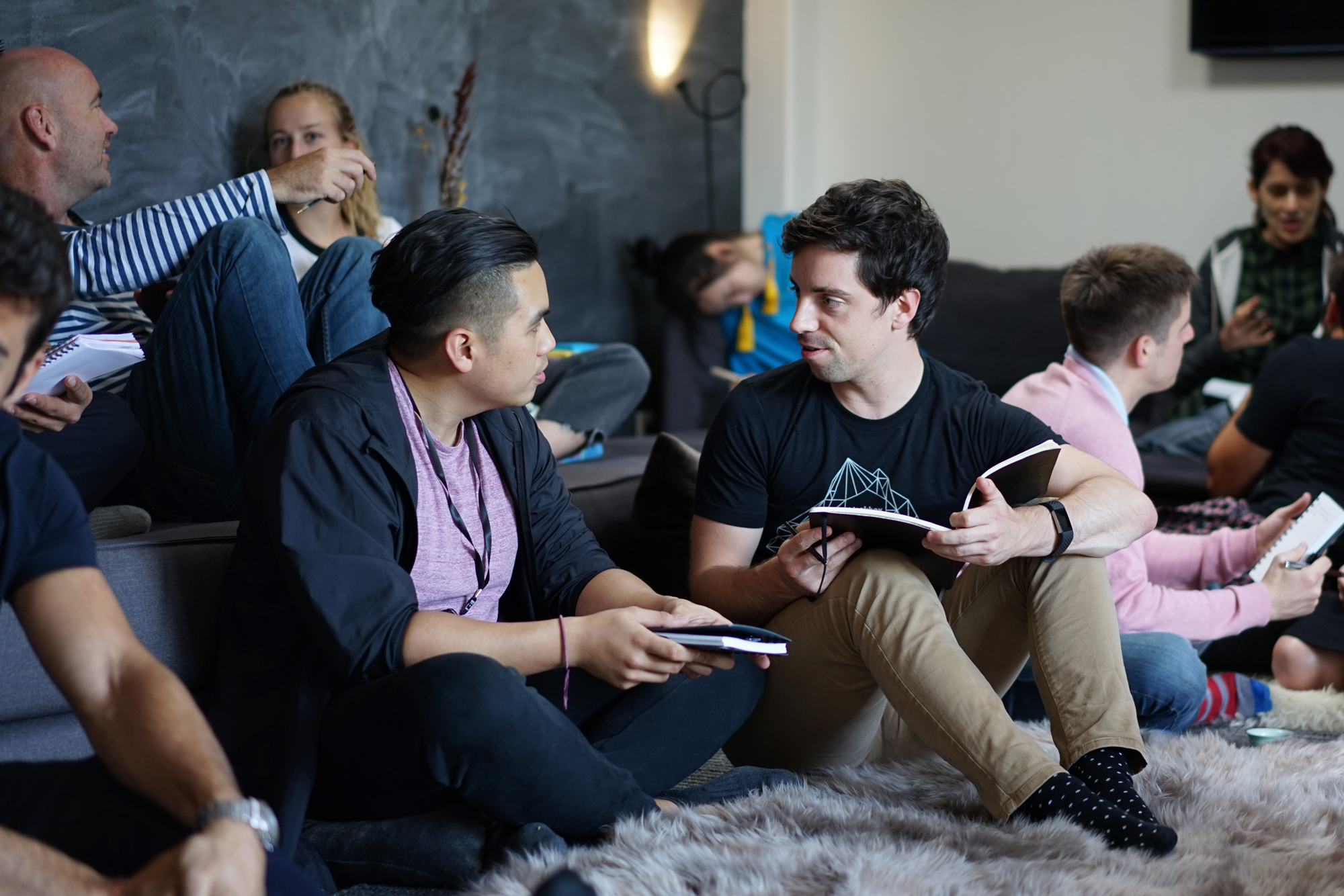
Its participants included founders of software businesses such as APIMatic and Expandly, alongside ventures with social missions. FoodCloud, which redistributes surplus food, and customer communications company Webio joined the 2017 cohort after nominations from Dublin’s Dogpatch Labs. The common ingredient was a founder with a business to build and something still to learn.
A seat at the table had a price
Blackbox Connect occupied an unusual position among startup programs. Later descriptions specified that it neither invested in participating companies nor took equity. Founders were buying education and access. That made the comparison with investment-led accelerators imperfect: the immediate offer was a short period of concentrated learning rather than a cheque.
A December 2018 listing for the twenty-fifth program quoted tuition of $15,000 per founder. That covered the program, food, lodging, local transportation and follow-on alumni services. Airfare and visas were extra. The number belongs to that historical offer; it explains the economics of participation rather than providing a price for today.
Per founder · two weeks · no equity taken
Scholarships mattered. Through Google for Entrepreneurs, partner organizations could nominate founders for selected, all-expenses-paid places. Google publicly documented a joint summer program in July 2013, with eight startups. Local partners helped identify people who might otherwise have remained outside the Valley’s field of view.
The model therefore had two audiences: founders seeking perspective and organizations seeking stronger entrepreneurial communities. Sponsors could fund access; local hubs could nominate candidates. For an individual founder, the practical question was whether two weeks away from the business, plus the financial commitment, would solve the particular problem holding it back.
Good numbers, careful conclusions
Blackbox’s Connect page reports 415 entrepreneurial leaders from 62 countries across 25 cycles. It also reports a 91% startup survival rate. These are historical organizational figures, without a displayed measurement window. They describe the community Blackbox assembled; they cannot tell us how the same founders would have performed without attending.
A World Bank report published in 2025 describes alumni raising approximately $1.5 billion and recording more than thirty exits. Those are outcomes of alumni companies. Selective admissions, earlier experience and other supporters also belong in the picture. Anyone borrowing Blackbox’s approach should resist turning a large fundraising total into a promise to the next cohort.
The organization’s own finances tell a smaller story. IRS figures compiled by ProPublica show 2018 revenue of $758,146 against expenses of $987,719. In 2024, revenue was $120,018, entirely from contributions. A program devoted to helping founders still had operating costs of its own. The deficit does not establish why programming later paused.
Take the room home
Blackbox also designed Ignite, a three-day program for local ecosystem partners. Its sequence was concrete: gather the community for a public event, work directly with selected founders, then bring ecosystem builders together to decide what should happen next. The format moved the learning closer to the people who could keep it going.
- 01GatherPublic talks and a keynote
- 02WorkFounder workshops and office hours
- 03CommitLocal ecosystem planning
There is a useful design lesson here. Assemble peers with different experiences. Give them specific questions and access to people who have faced those questions before. Leave room for conversation outside the formal session. Then create a reason to stay in touch. A local founder group could copy that sequence without copying the mansion.
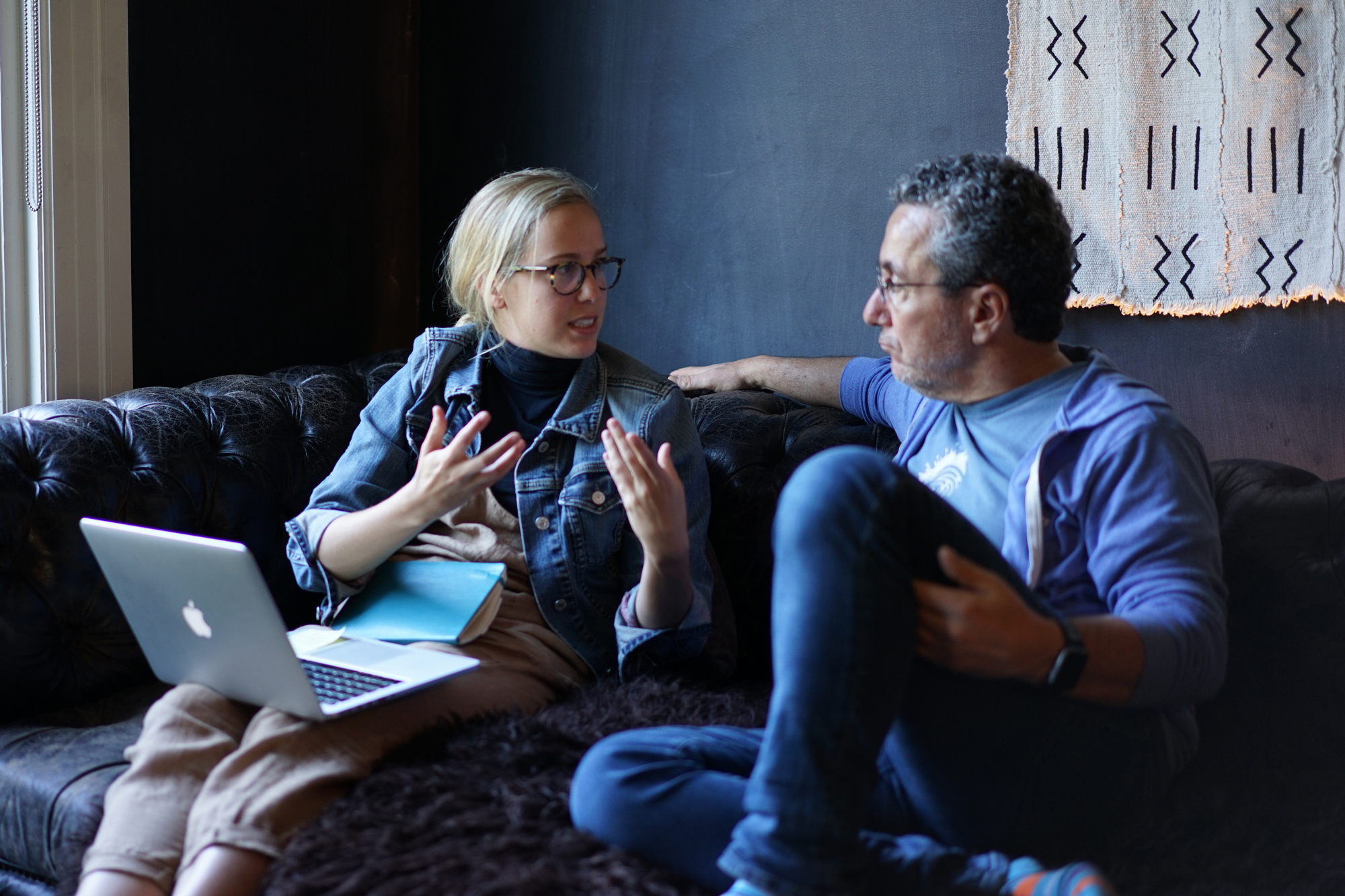
Today, the application page says Blackbox is not accepting applications. Its Connect page announces a pause after twenty-five cycles, describing a reassessment and Bishara’s interest in refugee entrepreneurship. The World Bank’s 2025 account describes support addressing registration, legal structures and travel barriers for refugee founders. That direction makes access a more demanding problem than arranging introductions.
It also clarifies the limits of the original proposition. An introduction cannot fix a visa restriction. A mentor cannot supply missing customer demand. Residential learning needs people who can attend and businesses able to function while they do. Blackbox’s lasting question is practical: which obstacle can a better room actually remove?
Step inside
Explore the programs, meet the community or watch Bishara discuss what investors look for.